Diana Fritz Cates – författare
Visar alla böcker från författaren Diana Fritz Cates. Handla med fri frakt och snabb leverans.
5 produkter
Choosing to Feel
Virtue, Friendship, and Compassion for Friends
Inbunden, 1996
585 kr
Lägg i varukorg
If suffering is a human condition, then the virtue of compassion is another, which disposes persons to suffer the pain of others as partly their own. From a Christian standpoint, this book explores how persons are able to orient themselves towards the co-suffering of another person's pain.
Medicine and the Ethics of Care
Av Diana Fritz Cates, Paul Lauritzen
Häftad, 2002
648 kr
Lägg i varukorg
In these essays, a diverse group of ethicists draw insights from both religious and feminist scholarship in order to propose creative new approaches to the ethics of medical care. While traditional ethics emphasizes rules, justice, and fairness, the contributors to this volume embrace an "ethics of …
Medicine and the Ethics of Care
Av Paul Lauritzen, Diana Fritz Cates
E-bok, 2002
780 kr
Lägg i varukorg
In these essays, a diverse group of ethicists draw insights from both religious and feminist scholarship in order to propose creative new approaches to the ethics of medical care. While traditional ethics emphasizes rules, justice, and fairness, the contributors to this volume embrace an "ethics of …
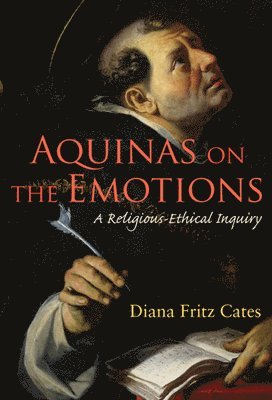
Aquinas on the Emotions
A Religious-Ethical Inquiry
Häftad, 2009
797 kr
Lägg i varukorg
All of us want to be happy and live well. Sometimes intense emotions affect our happiness--and, in turn, our moral lives. Our emotions can have a significant impact on our perceptions of reality, the choices we make, and the ways in which we interact with others. Can we, as moral agents, have an …
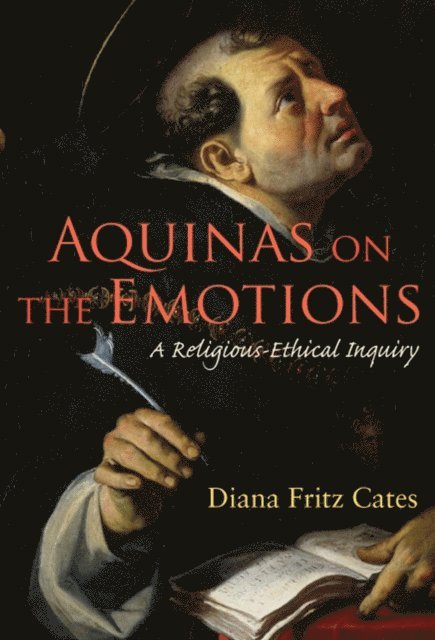
Aquinas on the Emotions
A Religious-Ethical Inquiry
E-bok, 2009
766 kr
Lägg i varukorg
All of us want to be happy and live well. Sometimes intense emotions affect our happiness—and, in turn, our moral lives. Our emotions can have a significant impact on our perceptions of reality, the choices we make, and the ways in which we interact with others. Can we, as moral agents, have an …