Diana G. Barnes – författare
Visar alla böcker från författaren Diana G. Barnes. Handla med fri frakt och snabb leverans.
8 produkter
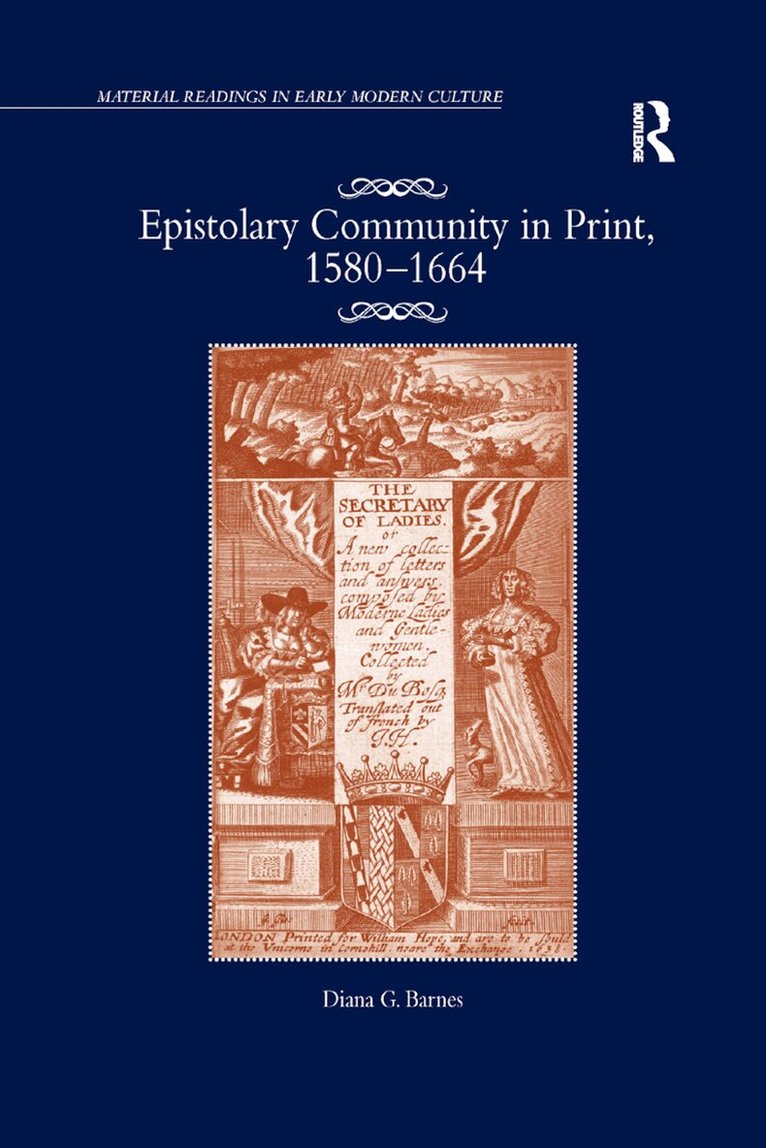
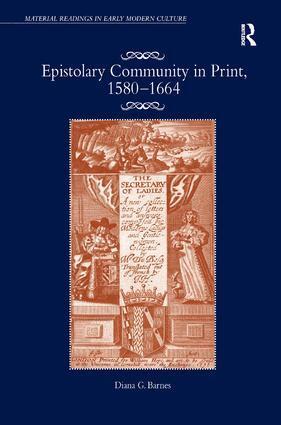
Epistolary Community in Print, 1580–1664
Häftad, 2019
809 kr
Lägg i varukorg
Epistolary Community in Print contends that the printed letter is an inherently sociable genre ideally suited to the theorisation of community in early modern England. In manual, prose or poetic form, printed letter collections make private matters public, and in so doing reveal, first how tenuous …
Epistolary Community in Print, 1580-1664
E-bok, 2016
956 kr
Lägg i varukorg
Epistolary Community in Print contends that the printed letter is an inherently sociable genre ideally suited to the theorisation of community in early modern England. In manual, prose or poetic form, printed letter collections make private matters public, and in so doing reveal, first how tenuous …
Epistolary Community in Print, 1580-1664
E-bok, 2016
956 kr
Lägg i varukorg
Epistolary Community in Print contends that the printed letter is an inherently sociable genre ideally suited to the theorisation of community in early modern England. In manual, prose or poetic form, printed letter collections make private matters public, and in so doing reveal, first how tenuous …
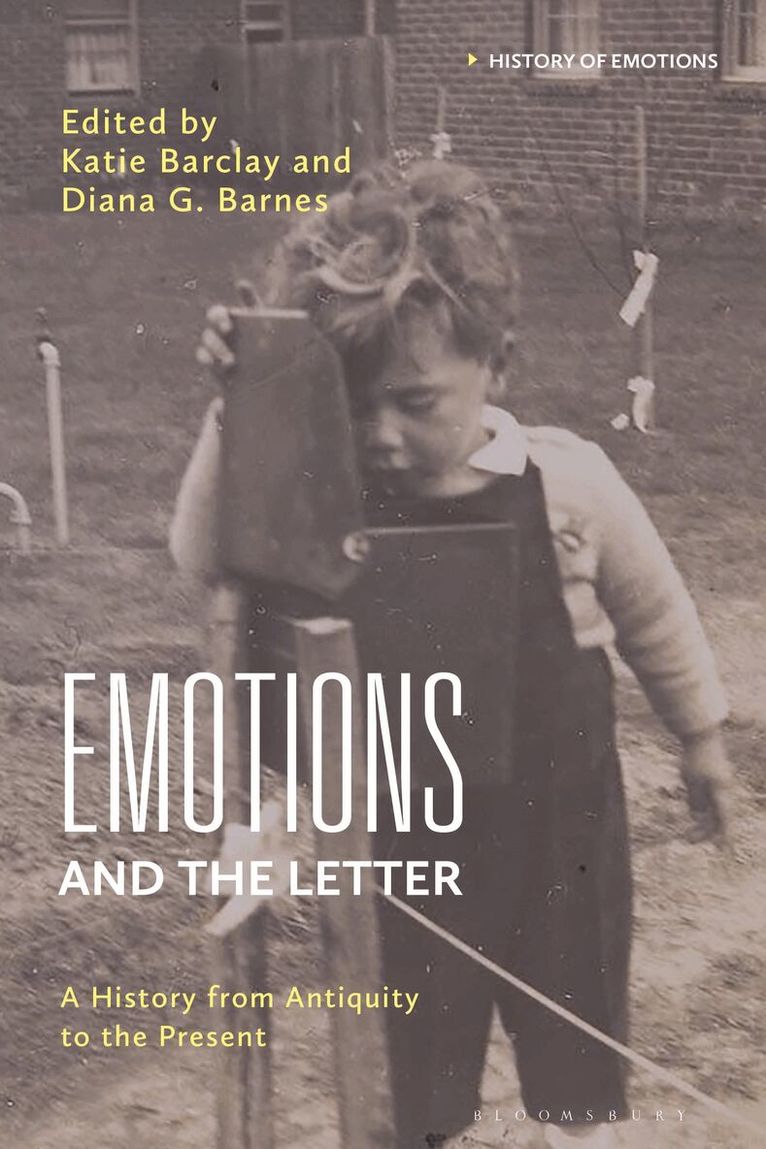
Emotions and the Letter
A History from Antiquity to the Present
Av Katie Barclay, Diana G. Barnes
Inbunden, 2025
1393 kr
Lägg i varukorg
From hate mail to suicide notes to begging letters, this book explores the relationship between letter writing and emotion through case studies from antiquity to the 21st century. It shows how the epistolary form has offered a wide range of ways to communicate private feelings, make public …
Emotions and the Letter
A History from Antiquity to the Present
Av Katie Barclay, Diana G. Barnes
E-bok, 2025
1344 kr
Lägg i varukorg
From hate mail to suicide notes to begging letters, this book explores the relationship between letter writing and emotion through case studies from antiquity to the 21st century. It shows how the epistolary form has offered a wide range of ways to communicate private feelings, make public …
Emotions and the Letter
A History from Antiquity to the Present
Av Katie Barclay, Diana G. Barnes
E-bok, 2025
1344 kr
Lägg i varukorg
From hate mail to suicide notes to begging letters, this book explores the relationship between letter writing and emotion through case studies from antiquity to the 21st century. It shows how the epistolary form has offered a wide range of ways to communicate private feelings, make public …
Emotions and the Letter
A History from Antiquity to the Present
Av Katie Barclay, Diana G. Barnes
Häftad, 2027
476 kr
Kommande
From hate mail to suicide notes to begging letters, this book explores the relationship between letter writing and emotion through case studies from antiquity to the 21st century. It shows how the epistolary form has offered a wide range of ways to communicate private feelings, make public …
Epistolary Community in Print, 1580–1664
Inbunden, 2013
3165 kr
Lägg i varukorg
Epistolary Community in Print contends that the printed letter is an inherently sociable genre ideally suited to the theorisation of community in early modern England. In manual, prose or poetic form, printed letter collections make private matters public, and in so doing reveal, first how tenuous …