Diana S. Kim - Böcker
Visar alla böcker från författaren Diana S. Kim. Handla med fri frakt och snabb leverans.
4 produkter
4 produkter
390 kr
Skickas inom 7-10 vardagar
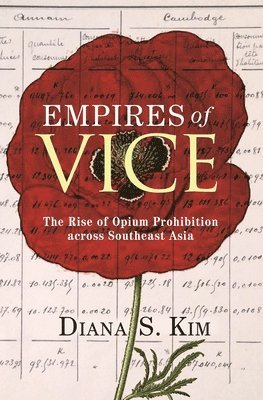
A history of opium's dramatic fall from favor in colonial Southeast AsiaDuring the late nineteenth century, opium was integral to European colonial rule in Southeast Asia. The taxation of opium was a major source of revenue for British and French colonizers, who also derived moral authority from imposing a tax on a peculiar vice of their non-European subjects. Yet between the 1890s and the 1940s, colonial states began to ban opium, upsetting the very foundations of overseas rule—how did this happen? Empires of Vice traces the history of this dramatic reversal, revealing the colonial legacies that set the stage for the region's drug problems today.Diana Kim challenges the conventional wisdom about opium prohibition—that it came about because doctors awoke to the dangers of drug addiction or that it was a response to moral crusaders—uncovering a more complex story deep within the colonial bureaucracy. Drawing on a wealth of archival evidence across Southeast Asia and Europe, she shows how prohibition was made possible by the pivotal contributions of seemingly weak bureaucratic officials. Comparing British and French experiences across today's Burma, Cambodia, Laos, Malaysia, Singapore, and Vietnam, Kim examines how the everyday work of local administrators delegitimized the taxing of opium, which in turn made major anti-opium reforms possible.Empires of Vice reveals the inner life of colonial bureaucracy, illuminating how European rulers reconfigured their opium-entangled foundations of governance and shaped Southeast Asia's political economy of illicit drugs and the punitive state.
235 kr
Skickas inom 7-10 vardagar
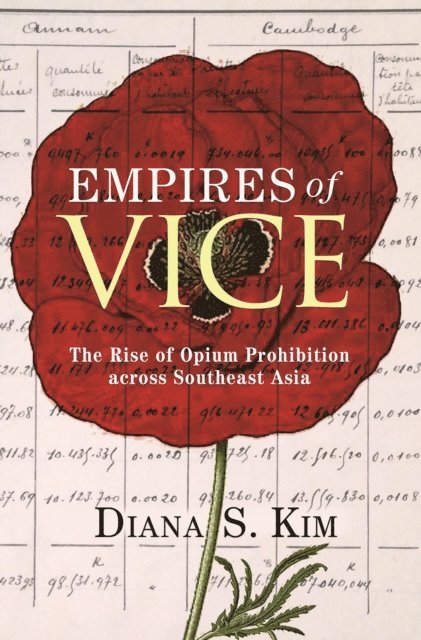
A history of opium's dramatic fall from favor in colonial Southeast AsiaDuring the late nineteenth century, opium was integral to European colonial rule in Southeast Asia. The taxation of opium was a major source of revenue for British and French colonizers, who also derived moral authority from imposing a tax on a peculiar vice of their non-European subjects. Yet between the 1890s and the 1940s, colonial states began to ban opium, upsetting the very foundations of overseas rule—how did this happen? Empires of Vice traces the history of this dramatic reversal, revealing the colonial legacies that set the stage for the region's drug problems today.Diana Kim challenges the conventional wisdom about opium prohibition—that it came about because doctors awoke to the dangers of drug addiction or that it was a response to moral crusaders—uncovering a more complex story deep within the colonial bureaucracy. Drawing on a wealth of archival evidence across Southeast Asia and Europe, she shows how prohibition was made possible by the pivotal contributions of seemingly weak bureaucratic officials. Comparing British and French experiences across today's Burma, Cambodia, Laos, Malaysia, Singapore, and Vietnam, Kim examines how the everyday work of local administrators delegitimized the taxing of opium, which in turn made major anti-opium reforms possible.Empires of Vice reveals the inner life of colonial bureaucracy, illuminating how European rulers reconfigured their opium-entangled foundations of governance and shaped Southeast Asia's political economy of illicit drugs and the punitive state.
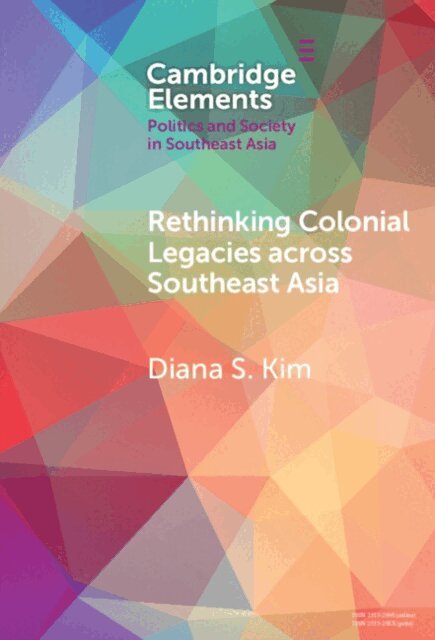
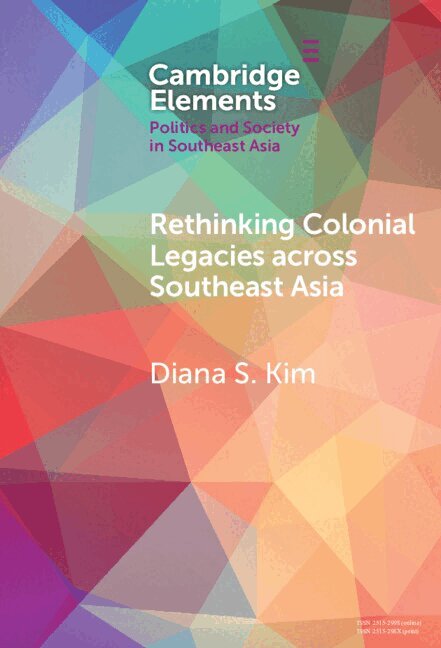
Rethinking Colonial Legacies across Southeast Asia
Through the Lens of the Japanese Wartime Empire
Häftad, Engelska, 2025
228 kr
Skickas inom 7-10 vardagar
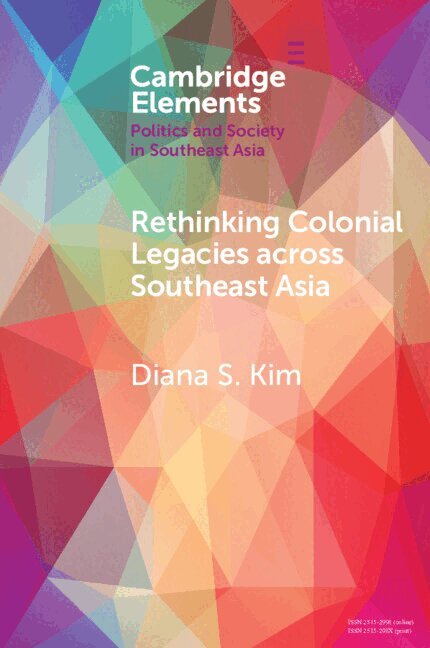
This Element explores the significance of the Japanese wartime empire's occupation of Southeast Asia during World War Two for understanding the region's colonial legacies. It conceptualizes the occupation as a critical juncture that mediated the survival of American and European colonial institutions, and comparatively describes how, between 1940 and 1945, a wide variety of formal institutions for governing territories and people operated under the Japanese, who selectively kept or changed the existing arrangements of their Western predecessors, while sometimes introducing new ones altogether. The Japanese occupation, as such, generated different processes for transmitting pre-1940 colonial institutions into postwar and independent Southeast Asia. Building on new histories of the occupation, this Element offers an analytical framework that helps social scientists specify the mechanisms through which the long-run consequences of colonial institutions obtain in the context of Southeast Asia, while grappling more generally with what constitutes a meaningful rupture to historical continuity.
Rethinking Colonial Legacies across Southeast Asia
Through the Lens of the Japanese Wartime Empire
Inbunden, Engelska, 2025
705 kr
Skickas inom 7-10 vardagar
This Element explores the significance of the Japanese wartime empire's occupation of Southeast Asia during World War Two for understanding the region's colonial legacies. It conceptualizes the occupation as a critical juncture that mediated the survival of American and European colonial institutions, and comparatively describes how, between 1940 and 1945, a wide variety of formal institutions for governing territories and people operated under the Japanese, who selectively kept or changed the existing arrangements of their Western predecessors, while sometimes introducing new ones altogether. The Japanese occupation, as such, generated different processes for transmitting pre-1940 colonial institutions into postwar and independent Southeast Asia. Building on new histories of the occupation, this Element offers an analytical framework that helps social scientists specify the mechanisms through which the long-run consequences of colonial institutions obtain in the context of Southeast Asia, while grappling more generally with what constitutes a meaningful rupture to historical continuity.