Diane Frost – författare
Visar alla böcker från författaren Diane Frost. Handla med fri frakt och snabb leverans.
8 produkter
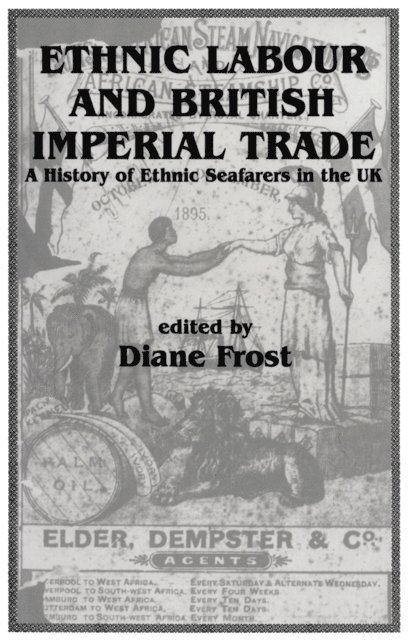
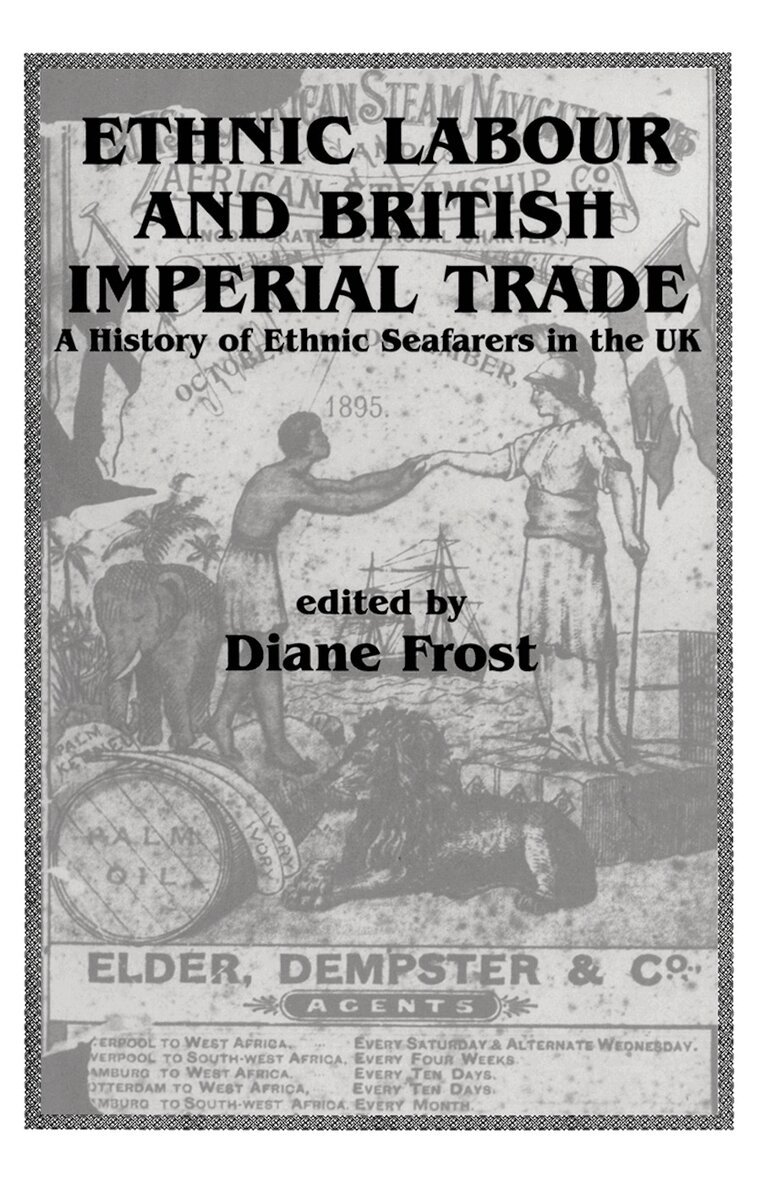
Ethnic Labour and British Imperial Trade
A History of Ethnic Seafarers in the UK
Av Diane Frost
E-bok, 2019
838 kr
Lägg i varukorg
This collection of essays identifies a neglected but significant component of Britain''s maritime and labour history, that of ethnic labour drawn from Britain''s colonies in West Africa, the Middle East and Asia. The interdisciplinary nature of the volume raises a number of important issues: race …
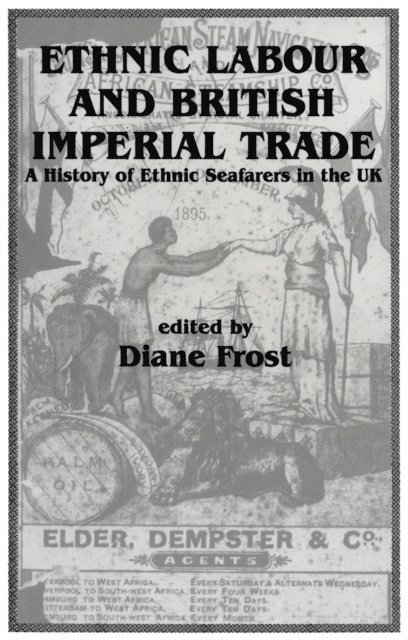
Ethnic Labour and British Imperial Trade
A History of Ethnic Seafarers in the UK
Av Diane Frost
E-bok, 2019
838 kr
Lägg i varukorg
This collection of essays identifies a neglected but significant component of Britain''s maritime and labour history, that of ethnic labour drawn from Britain''s colonies in West Africa, the Middle East and Asia. The interdisciplinary nature of the volume raises a number of important issues: race …
Liverpool '81
Remembering the Riots
Av Diane Frost, Richard Phillips
Häftad, 2011
564 kr
Lägg i varukorg
In July 1981 a series of street disturbances that took place in the Liverpool 8 area of the city put Liverpool at the forefront of events that also rocked other communities as far away as Brixton and Birmingham. After four days of riots, 150 buildings had been burnt down and countless shops looted, …
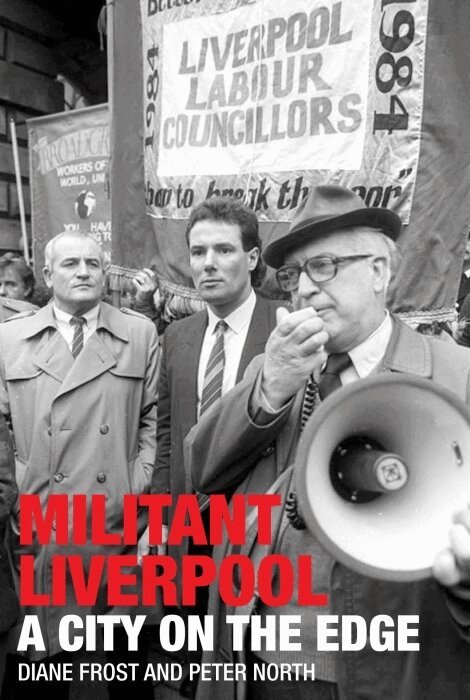
Militant Liverpool
A City on the Edge
Häftad, 2013
518 kr
Lägg i varukorg
In May 1983, in the wake of her victory in the Falklands, Mrs Thatcher won the second of her three general election victories. Liverpool, going not for the first or last time against the grain, elected a Labour council that vowed to be different. In an environment of mass unemployment in which …
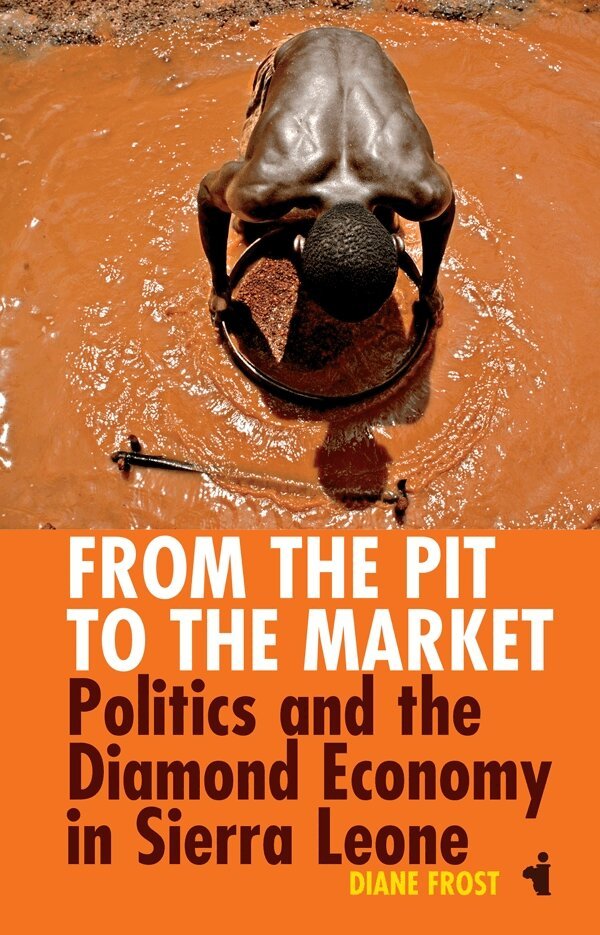
From the Pit to the Market
Politics and the Diamond Economy in Sierra Leone
Av Diane Frost
Häftad, 2012
1,0 utav 5 stjärnor. Totalt antal röster: (1)
309 kr
Lägg i varukorg
Argues that corporate neo-colonialism in the diamond trade of Sierra Leone has served to restrict its social and economic growth, excluding and marginalizing it from the club of wealthier nations, and causing it to continue to rely on international aid.Diamonds have played an important role in the …
Ethnic Labour and British Imperial Trade
A History of Ethnic Seafarers in the UK
Av Diane Frost
Inbunden, 1995
1638 kr
Tillfälligt slut
This collection of essays identifies a neglected but significant component of Britain's maritime and labour history, that of ethnic labour drawn from Britain's colonies in West Africa, the Middle East and Asia. The interdisciplinary nature of the volume raises a number of important issues: race and …
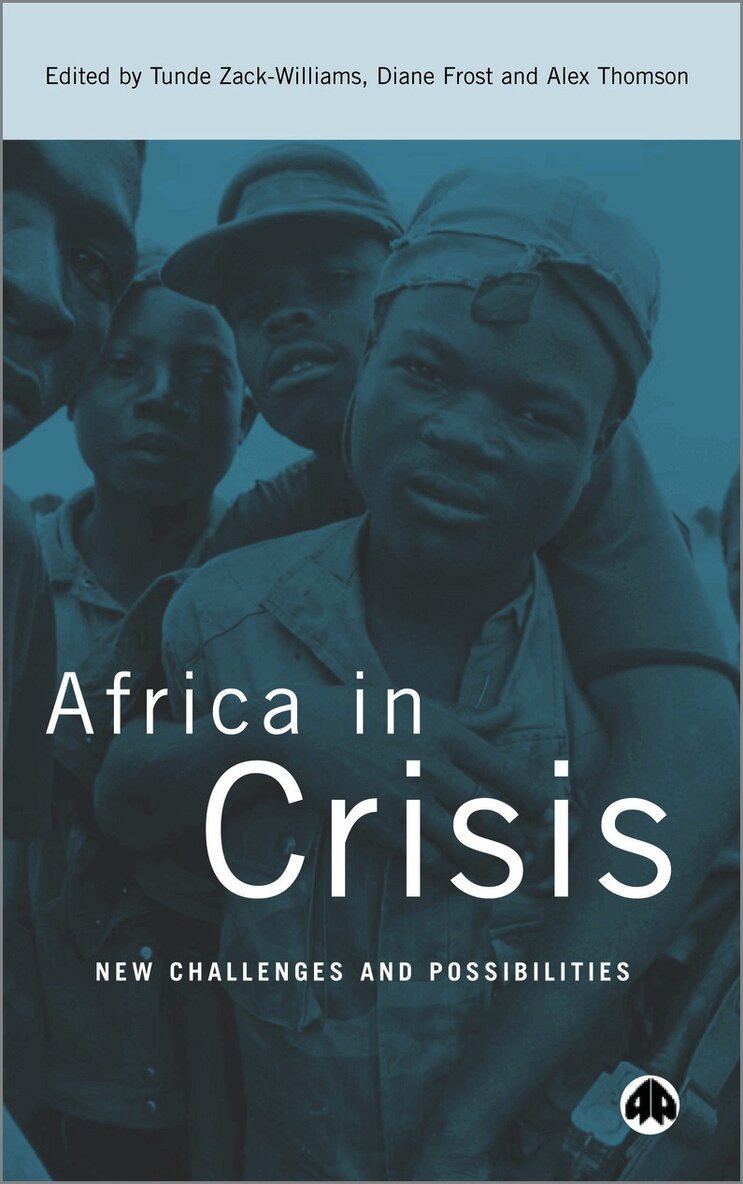
Africa in Crisis
New Challenges and Possibilities
Av Tunde Zack-Williams, Diane Frost m. fl.
Häftad, 2002
368 kr
Tillfälligt slut
The continent of Africa is in crisis, yet it was not always so. Following the decade of independence in the 1960s there was widespread optimism, but this almost totally disappeared in the 1980s and 1990s. Africa is faced with seemingly insurmountable problems: economic marginalisation from the …
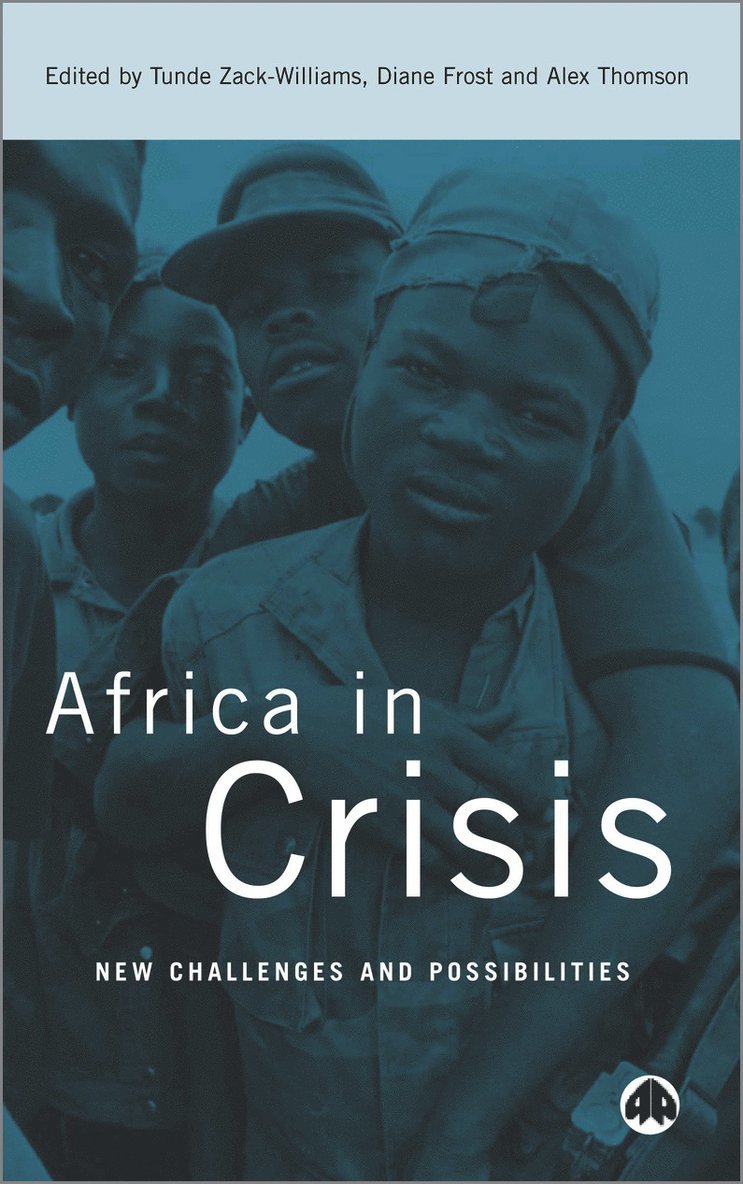
Africa in Crisis
New Challenges and Possibilities
Av Tunde Zack-Williams, Diane Frost m. fl.
Inbunden, 2002
972 kr
Tillfälligt slut
The continent of Africa is in crisis, yet it was not always so. Following the decade of independence in the 1960s there was widespread optimism, but this almost totally disappeared in the 1980s and 1990s. Africa is faced with seemingly insurmountable problems: economic marginalisation from the …