Diane L. Swanson - Böcker
Visar alla böcker från författaren Diane L. Swanson. Handla med fri frakt och snabb leverans.
6 produkter
6 produkter
682 kr
Skickas inom 7-10 vardagar
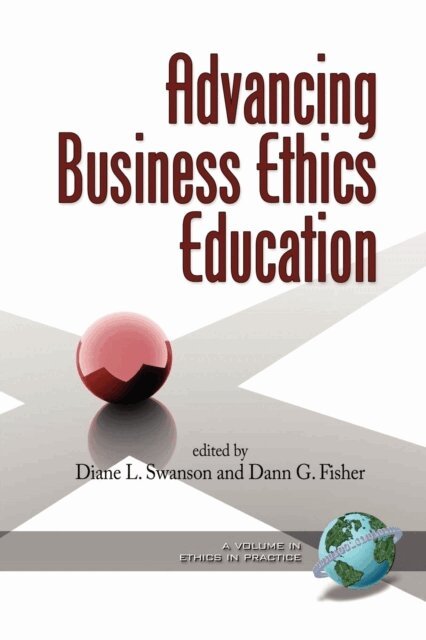
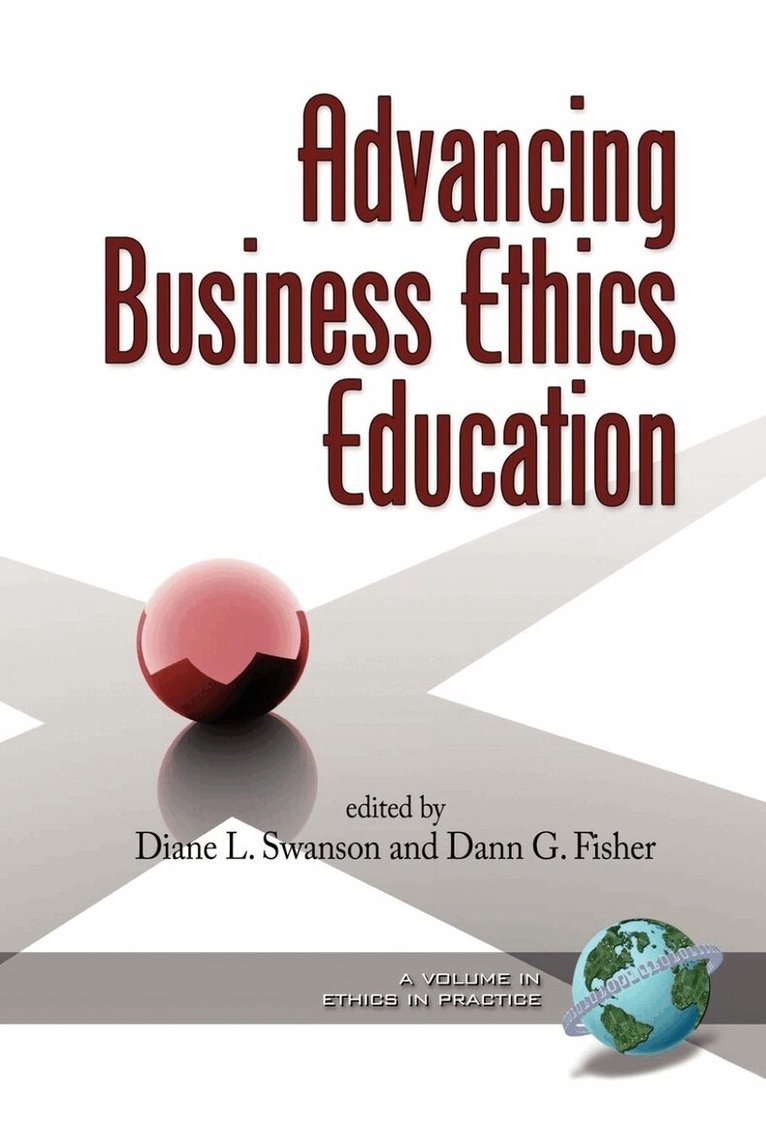
This book features sixteen chapters written by distinguished scholars who collectively point to a roadmap for advancing business ethics education at a critical juncture in the history of corporate America. The editors frame the book with an introductory chapter that details a gold standard for delivering ethics in the business school curriculum that signals to students that ethics matters, provides an adequate counterbalance to the amoral subtext that dominates much of business education, remedies assessment problems associated with current accrediting standards, and prepares students for newly minted and fast-growing careers in ethics compliance, risk management, and corporate social responsibility.The chapters that follow lay out some challenges and opportunities that administrators and educators need to address in order to improve business ethics education and business school reputations in a post-Enron climate. Both traditional and experimental perspectives on delivering ethics in the curriculum are covered in conjunction with research that substantiates the potential for improving student ethics competencies after exposure to ethics coursework. Methods for incorporating ethics in various subjects, including accounting, corporate governance, environmentalism, global business, managerial decision making, and human resource management are also given as part of the roadmap for advancing business ethics education.
1 154 kr
Skickas inom 7-10 vardagar
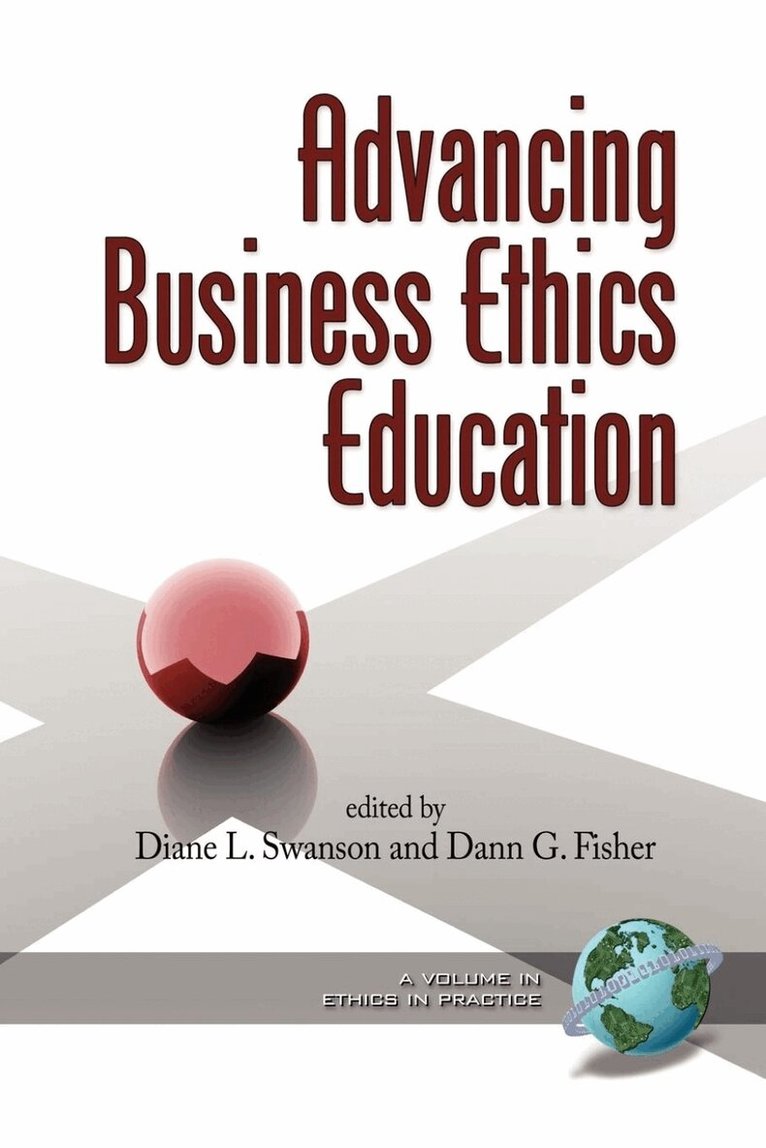
This book features sixteen chapters written by distinguished scholars who collectively point to a roadmap for advancing business ethics education at a critical juncture in the history of corporate America. The editors frame the book with an introductory chapter that details a gold standard for delivering ethics in the business school curriculum that signals to students that ethics matters, provides an adequate counterbalance to the amoral subtext that dominates much of business education, remedies assessment problems associated with current accrediting standards, and prepares students for newly minted and fast-growing careers in ethics compliance, risk management, and corporate social responsibility.The chapters that follow lay out some challenges and opportunities that administrators and educators need to address in order to improve business ethics education and business school reputations in a post-Enron climate. Both traditional and experimental perspectives on delivering ethics in the curriculum are covered in conjunction with research that substantiates the potential for improving student ethics competencies after exposure to ethics coursework. Methods for incorporating ethics in various subjects, including accounting, corporate governance, environmentalism, global business, managerial decision making, and human resource management are also given as part of the roadmap for advancing business ethics education.
643 kr
Skickas inom 7-10 vardagar
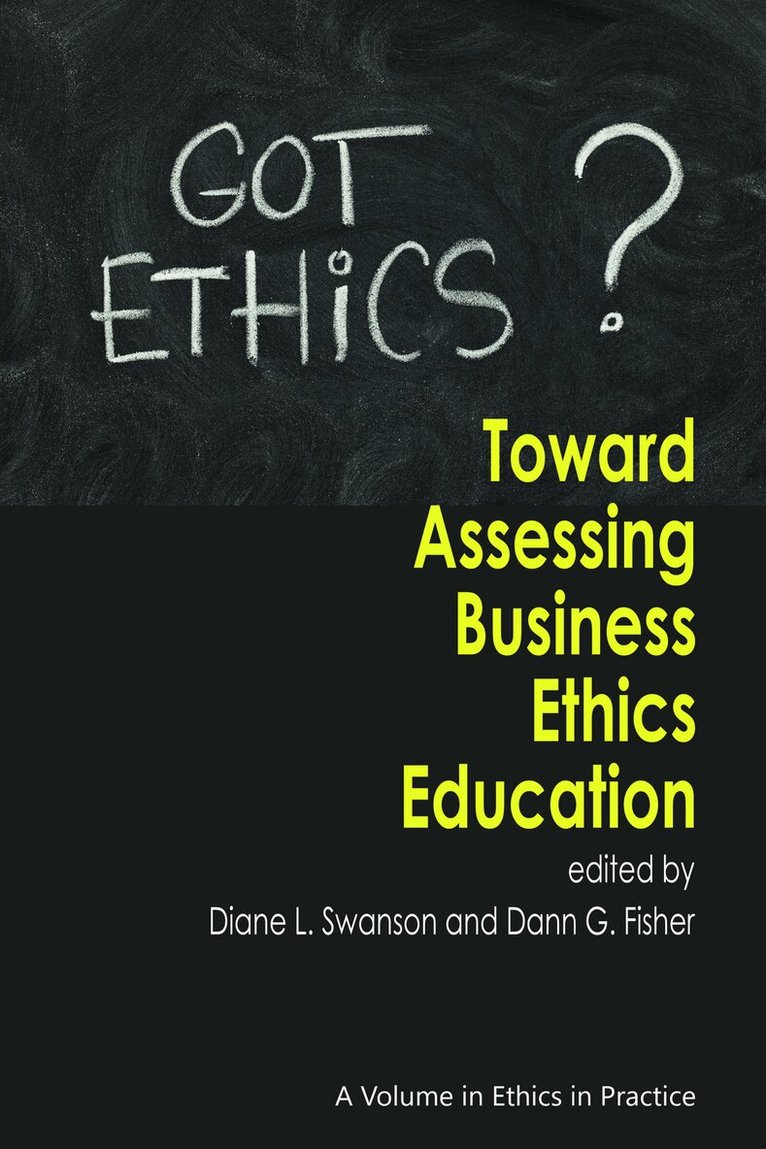
Toward Assessing Business Ethics Education, edited by Diane L. Swanson and Dann G. Fisher of Kansas State University, is a sequel to their book Advancing Business Ethics Education in the Ethics in Practice IAP book series. The focus on assessment in this second book is a timely response to the urgent search among business schools for ways to teach and assess ethics at a time when the public’s faith in corporations and business schools has been undermined greatly by the failure of both to respond to widespread corruption and scandals in the business sector. Although no one expects business education alone to resolve these problems, the distinguished scholars represented in this book advocate that business schools should at least do their part by exposing their students to decision models that incorporate ethical dimensions on behalf of corporate stakeholders and society at large. As the book’s title conveys, it is then important to assess key learning objectives to insure that business students graduate knowing ethics fundamentals and armed with the ability to recognize ethical dilemmas and possible solutions during the course of their careers.This book will speak to all who are interested in accountability for business ethics education, especially business school deans, university administrators, faculty members, students, and prospective employers. This audience will find that the enterprise of assessing business ethics education is advanced in three ways. First, the book functions as a venue for distinguished scholars to share the innovative ways that they are assessing ethics coverage in courses and degree programs. Second, these authors identify what needs to be assessed and the means for doing so. Third, the book serves not only as a guide to assessment, but also as a platform for expanding and improving ethics coverage in business schools. Moreover, an important take away for readers is the provision of a simple formula, first advocated by Diane L. Swanson and William C. Frederick (University of Pittsburgh) in 2005, for delivering ethics education that minimizes assessment errors. By following this formula, business schools can provide assurances that ethics will not be assessed as being sufficient when it is woefully inadequate or even missing in the curriculum and that it cannot be distorted, diluted, or trivialized by uninformed coverage and still pass inspection. Avoiding these assessment errors is critical in an educational environment in which weak accrediting standards for ethics go hand in hand with spotty, uniformed coverage that would not be tolerated for other business disciplines.
1 089 kr
Skickas inom 7-10 vardagar
Toward Assessing Business Ethics Education, edited by Diane L. Swanson and Dann G. Fisher of Kansas State University, is a sequel to their book Advancing Business Ethics Education in the Ethics in Practice IAP book series. The focus on assessment in this second book is a timely response to the urgent search among business schools for ways to teach and assess ethics at a time when the public’s faith in corporations and business schools has been undermined greatly by the failure of both to respond to widespread corruption and scandals in the business sector. Although no one expects business education alone to resolve these problems, the distinguished scholars represented in this book advocate that business schools should at least do their part by exposing their students to decision models that incorporate ethical dimensions on behalf of corporate stakeholders and society at large. As the book’s title conveys, it is then important to assess key learning objectives to insure that business students graduate knowing ethics fundamentals and armed with the ability to recognize ethical dilemmas and possible solutions during the course of their careers.This book will speak to all who are interested in accountability for business ethics education, especially business school deans, university administrators, faculty members, students, and prospective employers. This audience will find that the enterprise of assessing business ethics education is advanced in three ways. First, the book functions as a venue for distinguished scholars to share the innovative ways that they are assessing ethics coverage in courses and degree programs. Second, these authors identify what needs to be assessed and the means for doing so. Third, the book serves not only as a guide to assessment, but also as a platform for expanding and improving ethics coverage in business schools. Moreover, an important take away for readers is the provision of a simple formula, first advocated by Diane L. Swanson and William C. Frederick (University of Pittsburgh) in 2005, for delivering ethics education that minimizes assessment errors. By following this formula, business schools can provide assurances that ethics will not be assessed as being sufficient when it is woefully inadequate or even missing in the curriculum and that it cannot be distorted, diluted, or trivialized by uninformed coverage and still pass inspection. Avoiding these assessment errors is critical in an educational environment in which weak accrediting standards for ethics go hand in hand with spotty, uniformed coverage that would not be tolerated for other business disciplines.
1 310 kr
Skickas inom 10-15 vardagar
This book argues that separation consciousness has kept a collective demand for corporate social responsibility at bay, even providing justification for business to neglect society.
1 310 kr
Skickas inom 10-15 vardagar
This book argues that separation consciousness has kept a collective demand for corporate social responsibility at bay, even providing justification for business to neglect society.