Diane Zimmerman Umble - Böcker
Visar alla böcker från författaren Diane Zimmerman Umble. Handla med fri frakt och snabb leverans.
3 produkter
3 produkter
433 kr
Skickas inom 5-8 vardagar
Among the Old Order Mennonite and Amish communities of Lancaster County, Pennsylvania, the coming of the telephone posed a serious challenge to the longstanding traditions of work, worship, silence, and visiting. In 1907, Mennonites crafted a compromise in order to avoid a church split and grudgingly allowed telephones for lay people while prohibiting telephone ownership among the clergy. By 1909, the Amish had banned the telephone completely from their homes. Since then, the vigorous and sometimes painful debates about the meaning of the telephone reveal intense concerns about the maintenance of boundaries between the community and the outside world and the processes Old Order communities use to confront and mediate change. In Holding the Line, Diane Zimmerman Umble offers a historical and ethnographic study of how the Old Order Mennonites and Amish responded to and accommodated the telephone from the turn of the twentieth century to the present. For Old Order communities, Umble writes, appropriate use of the telephone marks the edges of appropriate association -- who can be connected to whom, in what context, and under what circumstances.Umble's analysis of the social meaning of the telephone explores the effect of technology on community identity and the maintenance of cultural values through the regulation of the means of communication.
483 kr
Tillfälligt slut
This collection of original essays focuses on the rich, historically diverse, and often misunderstood experiences of Amish, Mennonite, and other women of Anabaptist traditions across 400 years. Equal parts sociology, religious history, and gender studies, the book explores the changing roles and issues surrounding Anabaptist women in communities ranging from sixteenth-century Europe to contemporary North America.Gathered under the overarching theme of the insider/outsider distinction, the essays discuss, among other topics: *How womanhood was defined in early Anabaptist societies of the sixteenth and seventeenth centuries, and how women served as central figures by convening meetings across class boundaries or becoming religious leaders *How nineteenth-century Amish tightened the connections among the individual, the family, the household, and the community by linking them into a shared framework with the father figure at the helm *The changing work world and domestic life of Mennonite women in the three decades following World War II *The recent ascendency of antimodernism and plain dress among the Amish *The special difficulties faced by scholars who try to apply a historical or sociological method to the very same cultural subgroups from which they derive The essays in this collection follow a fascinating journey through time and place to give voice to women who are often characterized as the "quiet in the land." Their voices and their experiences demonstrate the power of religion to shape identity and social practice.
436 kr
Skickas inom 7-10 vardagar
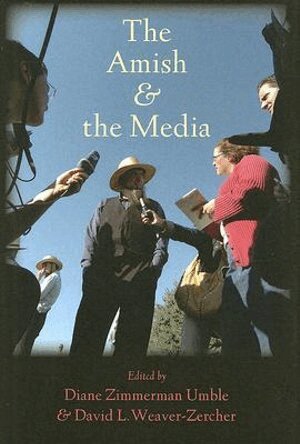
This collection is the first scholarly treatment of the relationship between the Amish and the media in contemporary American life. The essays not only focus on the Amish as subjects in mainstream media-news, movies, TV-but also view them as producers and consumers of media themselves. Of all the religious groups in contemporary America, few demonstrate as many reservations toward the media as do the Old Order Amish. Yet these attention-wary citizens have become a media phenomenon, featured in films, novels, magazines, newspapers, and television-from Witness, Amish in the City, and Devil's Playground to the intense news coverage of the 2006 Nickel Mines School shooting. But the Old Order Amish are more than media subjects. Despite their separatist tendencies, they use their own media networks to sustain Amish culture. Chapters in the collection examine the influence of Amish-produced newspapers and books, along with the role of informal spokespeople in Old Order communities.With essays from experts in the fields of film and media studies, poetry, American studies, anthropology, and history, this groundbreaking study shows how the relationship between the Amish and the media provides valuable insights into the perception of minority religion in North American culture.