Didier Andres – författare
Visar alla böcker från författaren Didier Andres. Handla med fri frakt och snabb leverans.
11 produkter
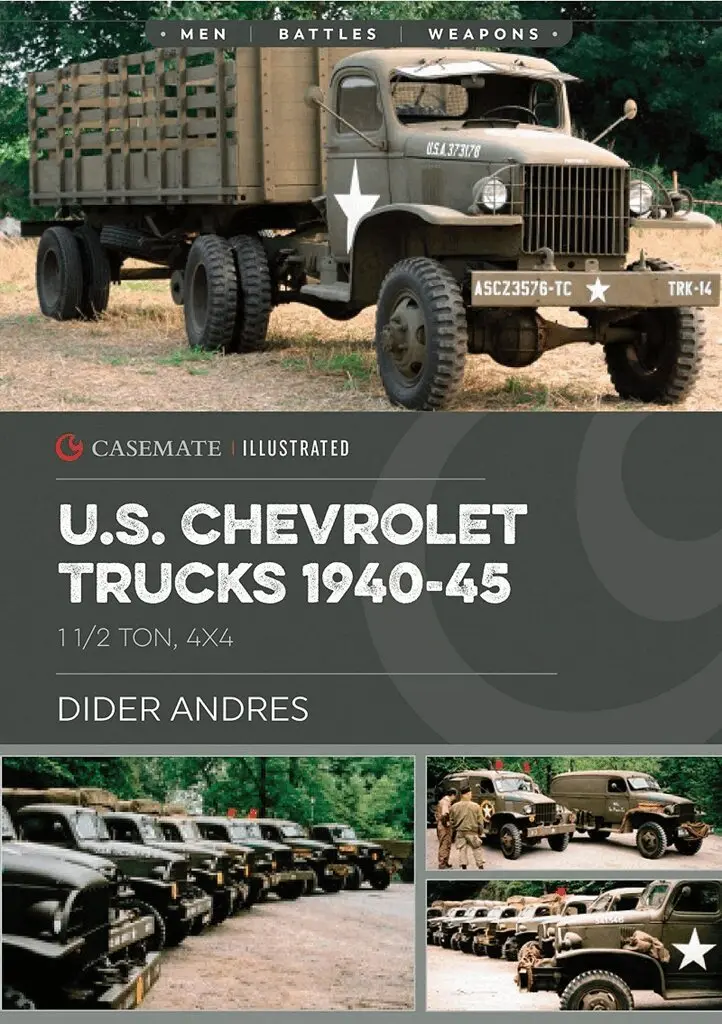
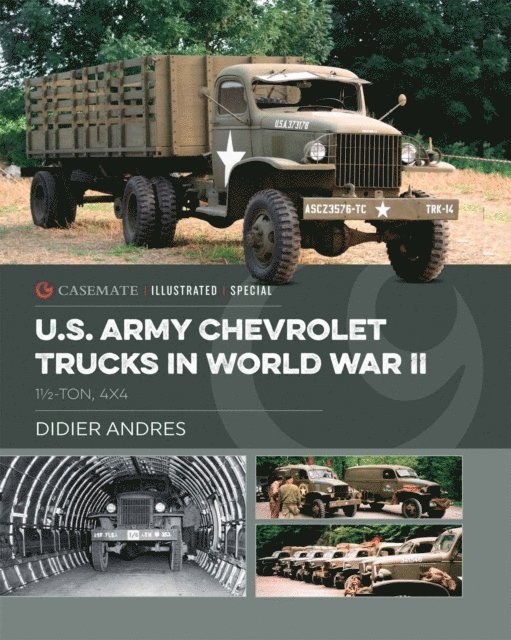
U.S. Army Chevrolet Trucks in World War II
1½-ton, 4x4
Inbunden, 2020
4,0 utav 5 stjärnor. Totalt antal röster: (1)
334 kr
Lägg i varukorg
Between 1940 and 1945, large numbers of trucks of all categories were delivered to the U.S. Army by the Chevrolet Motor Division of General Motors. Over 160,000 of these trucks were the G-506 light four-wheel drive trucks - which became the standard 1 1/2-ton, 4x4 truck for both the U.S. Army and …
U.S. Army Chevrolet Trucks in World War II
E-bok, 2020
221 kr
Lägg i varukorg
A detailed, pictorial history of the 1 1/2-ton Chevy truck and its use by the U.S. Army during World War II. From 1940 to 1945, large numbers of trucks of all categories were delivered to the U.S. Army by the Chevrolet Motor Division of General Motors. Over 160,000 of these trucks were G-506 light …
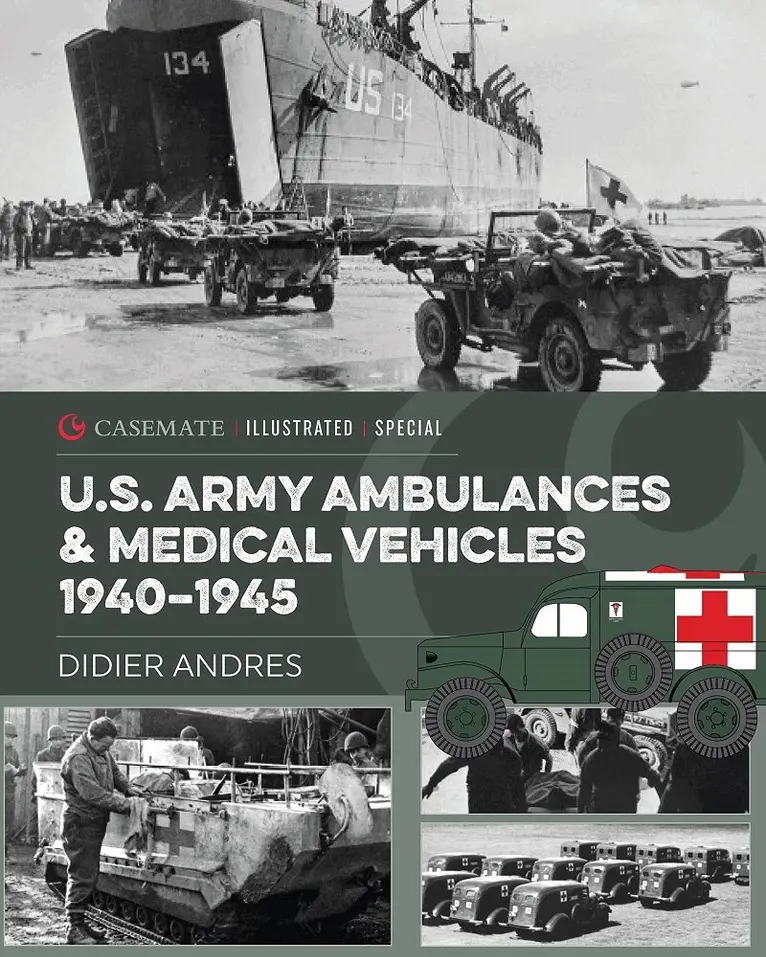
U.S. Army Ambulances and Medical Vehicles in World War II
Inbunden, 2020
5,0 utav 5 stjärnor. Totalt antal röster: (1)
334 kr
Lägg i varukorg
Of all the armies involved in World War II, the U.S. Army developed the most sophisticated system for the transport and treatment of injured and sick soldiers, pushing the boundaries of available technology to give their men the best chance of not only survival but a full recovery. Each infantry …
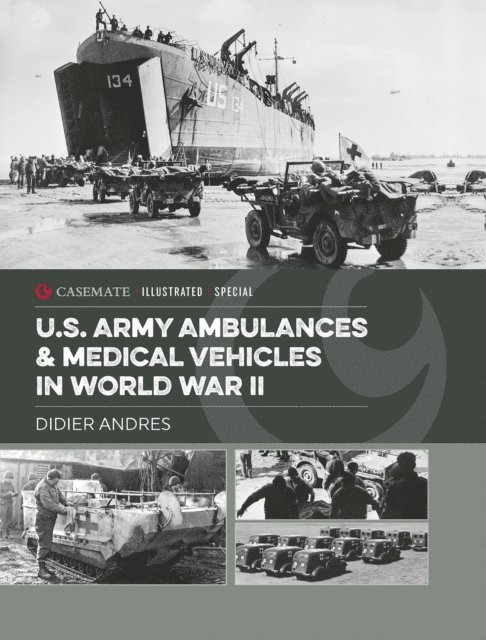
U.S. Army Ambulances & Medical Vehicles in World War II
E-bok, 2020
221 kr
Lägg i varukorg
A “cool compendium” of photos and information about the vehicles that helped save American troops’ lives ( Cybermodeler ). Of all the armies involved in World War II, the U.S. Army developed the most sophisticated system for the transport and treatment of injured and sick soldiers, pushing the …
U.S. Army Signal Corps Vehicles 1941-45
Inbunden, 2021
334 kr
Lägg i varukorg
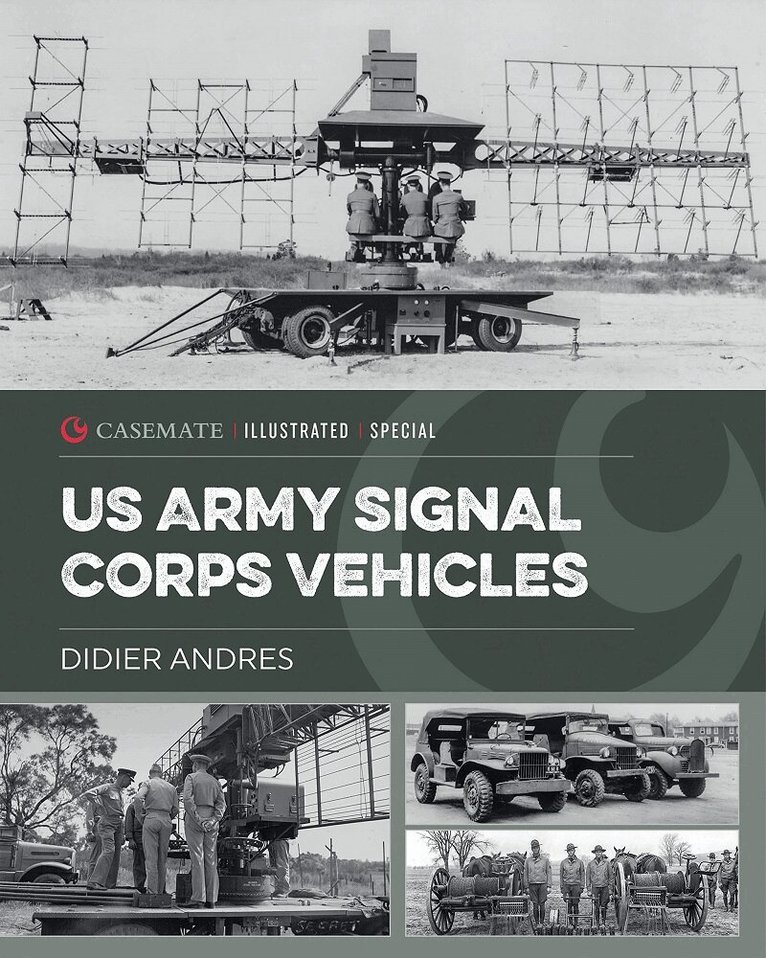
A comprehensive and fully illustrated account of all the vehicles needed to move, use, and maintain communications equipment vital to the success of the U.S. Army during World War II, including trucks, workshop trucks, vans and trailers all designed by the Signal Corps, described in technical …
U.S. Army Signal Corps Vehicles 1941-45
E-bok, 2021
221 kr
Lägg i varukorg
Includes hundreds of period photos covering all the details of the trucks, vans and trailers vital to maintain the communications of the U.S. Army in WWII. The Signal Corps was at the forefront of the technological development of communications throughout World War II. Tasked with coordinating all …
U.S. Army Diamond T Vehicles in World War II
Inbunden, 2022
327 kr
Lägg i varukorg
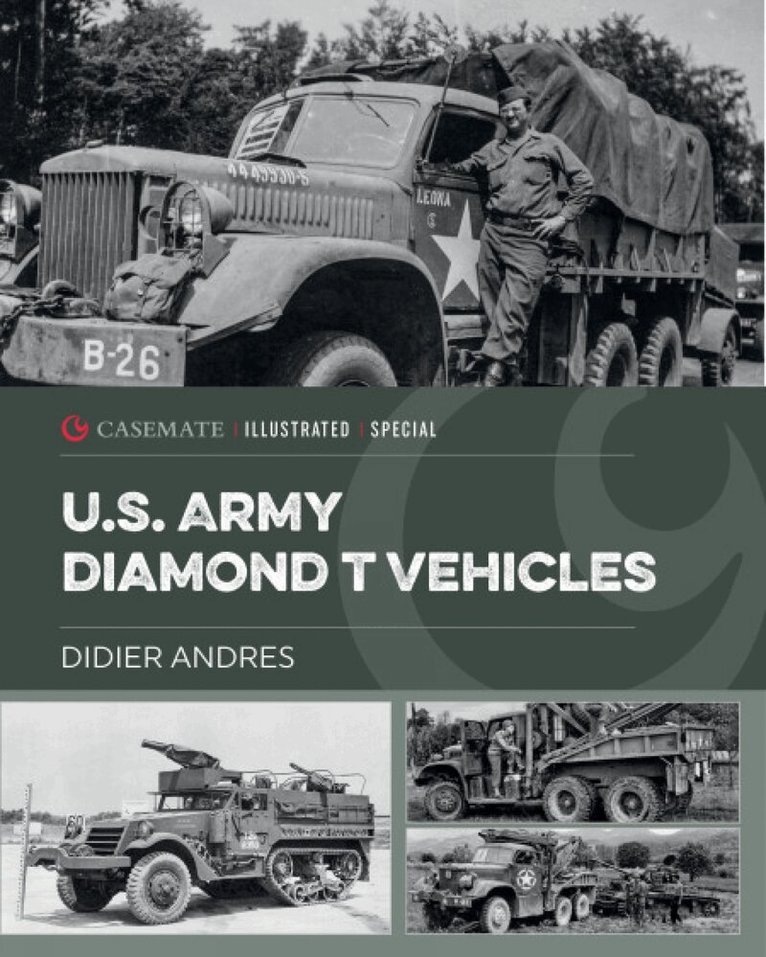
Between 1940 and 1945, the Diamond T Motor Car Company supplied just over 50,000 vehicles to the US military, and also to the Allies. Of these, just over 30,000 were heavy 4-ton 6x6 trucks of varying types: cargo, tow truck, pontoon carrier, engineer, and cartographic. The 'Diamond' would serve in …
U.S. Army Diamond T Vehicles in World War II
E-bok, 2022
153 kr
Lägg i varukorg
A detailed summary of all types of Diamond T vehicles used by the U.S. Army during World War II, packed full of period photos and diagrams.Between 1940 and 1945, Diamond T Motor Car Company supplied just over 50,000 vehicles to the U.S. military, and also to the Allies. Of this, just over 30,000 …
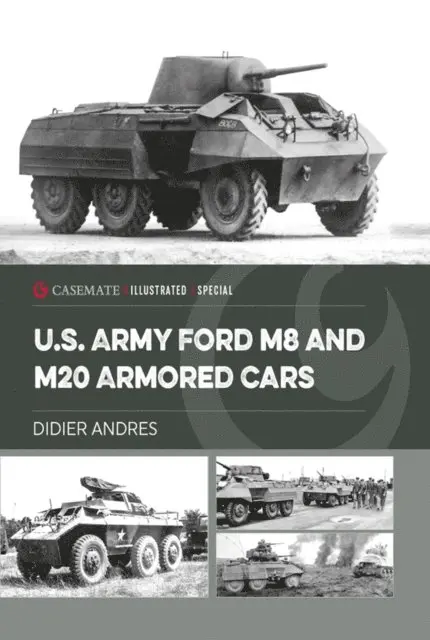
U.S. Army Ford M8 and M20 Armored Cars
E-bok, 2023
221 kr
Lägg i varukorg
Finalist, 2023 Army Historical Foundation Distinguished Writing Awards The M8 and M20 served in Europe and the Pacific during WWII. Author has used the archived notes of the officer tasked with coordinating the project to develop and deliver the M8, explaining why it took two years to deliver it to …
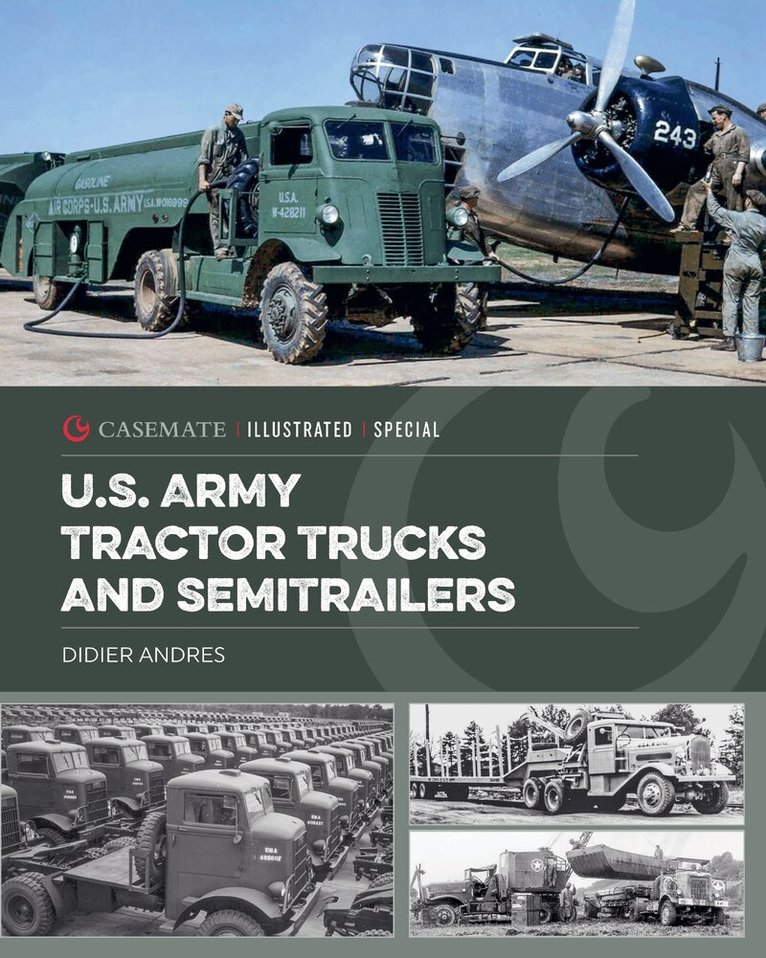
U.S. Army Tractor Trucks and Semitrailers
Inbunden, 2025
388 kr
Lägg i varukorg
In the late 1930s, the U.S. Army began a significant overhaul of its vehicle fleet, shaping the logistics backbone of World War II. Affecting this effort were two major schools of thought regarding logistical support: some experts proposed the trailer or semitrailer, which had a physical separation …
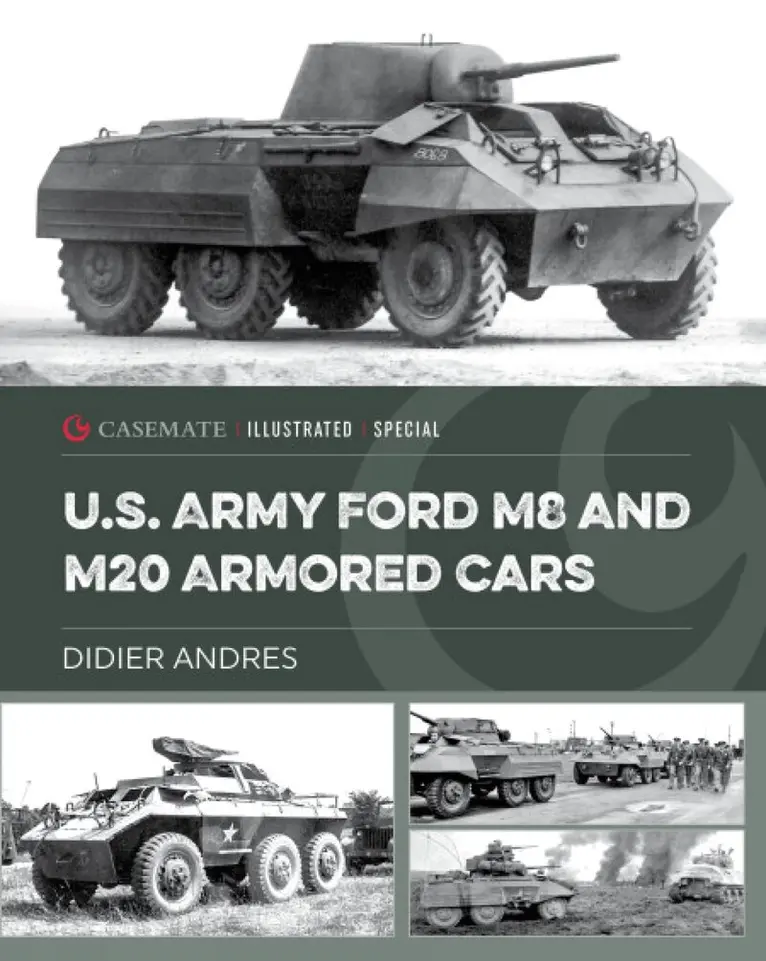
U.S. Army Ford M8 and M20 Armored Cars
Inbunden, 2023
388 kr
Tillfälligt slut
Specifically designed as a reconnaissance vehicle, the Ford M8 Light Armored Car was intended primarily for use by mechanized cavalry units. A total of 8,523 units were built. Able to move quickly and cover long distances without refuelling, they supported the advance of armored columns by …