Diego Zambrano – författare
Visar alla böcker från författaren Diego Zambrano. Handla med fri frakt och snabb leverans.
4 produkter
4 produkter
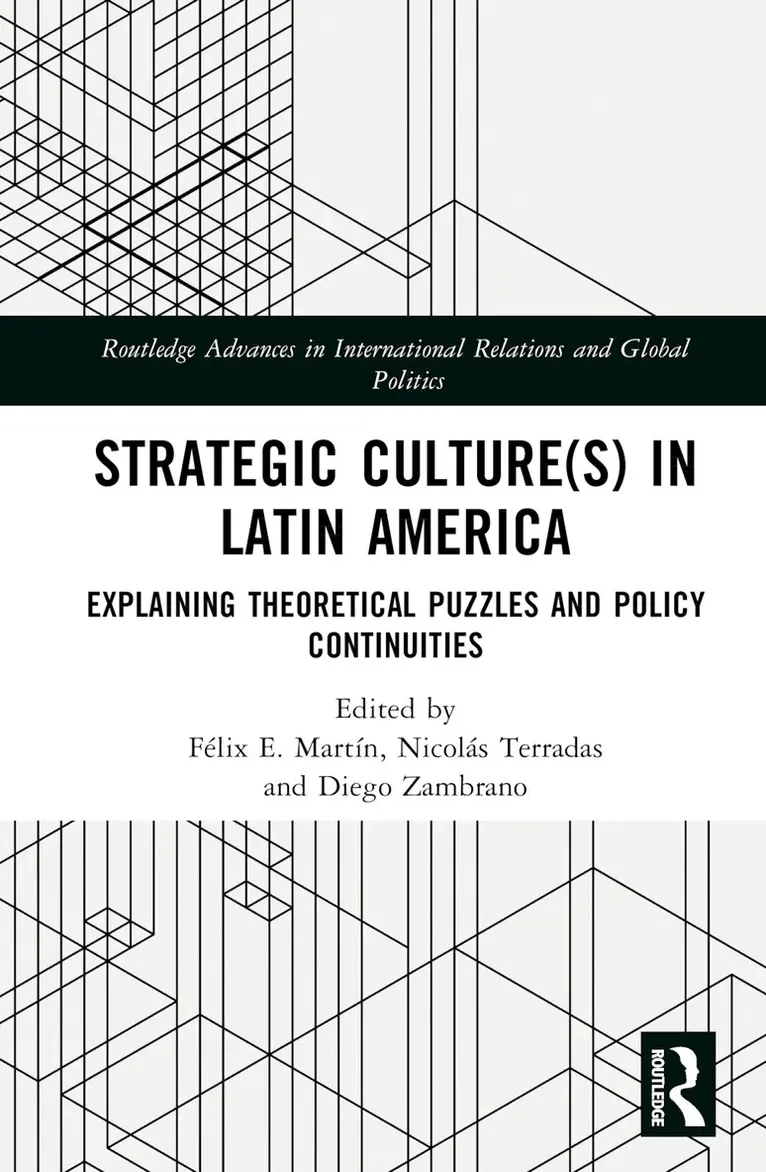
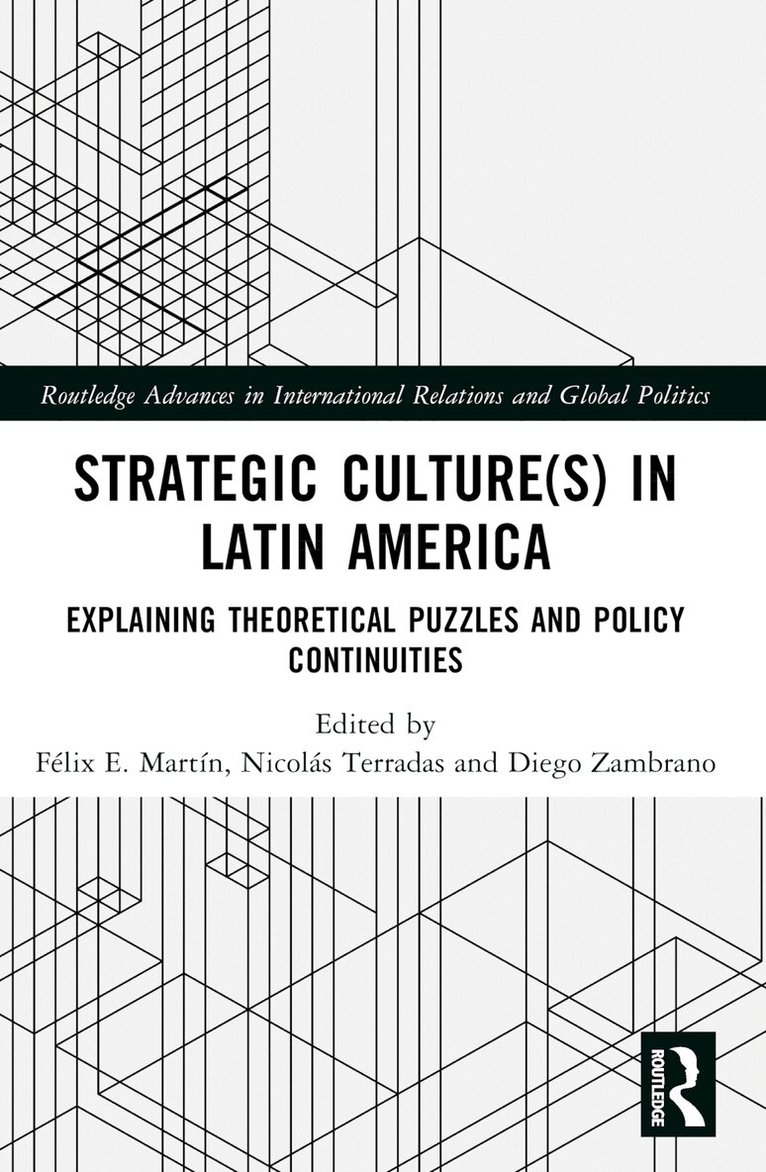
Strategic Culture(s) in Latin America
Explaining Theoretical Puzzles and Policy Continuities
Inbunden, Engelska, 2023
1 977 kr
Skickas inom 10-15 vardagar
Strategic Culture(s) in Latin America elucidates why many state actors in the Global South exhibit a remarkable degree of policy continuity in their external behavior despite structural incentives for change.This book contends that the theoretical notion of strategic culture is instructive to explain such a puzzle. It extends the application of strategic culture beyond the policy of nuclear deterrence among great powers into other equally strategic areas of policy, such as diplomacy, political economy, regional international institutions, legal norms, politico-military institutions, and different security agendas beyond war and peace, for example, the illicit drug trade and peacekeeping missions. The overall contribution of this book is three-fold: first, it rescues, updates, and expands the original conceptual and theoretical dimensions of strategic culture. Second, it extrapolates further theoretical implications of the concept through its application to five policy domains in Latin America beyond the original application of the strategic culture perspective to nuclear weapons strategy among great powers in the 1970s. Third, it draws together the theoretical and policy implications of the strategic cultures in Latin America and identifies possible applications for other peripheral, non-great power policy areas and issues in the Global South.This book will be of interest to academics, graduate and undergraduate students, policy analysts, and practitioners of Latin American Studies, International Relations Theory, and Security Studies.
Strategic Culture(s) in Latin America
Explaining Theoretical Puzzles and Policy Continuities
Häftad, Engelska, 2025
632 kr
Skickas inom 10-15 vardagar
Strategic Culture(s) in Latin America elucidates why many state actors in the Global South exhibit a remarkable degree of policy continuity in their external behavior despite structural incentives for change.This book contends that the theoretical notion of strategic culture is instructive to explain such a puzzle. It extends the application of strategic culture beyond the policy of nuclear deterrence among great powers into other equally strategic areas of policy, such as diplomacy, political economy, regional international institutions, legal norms, politico-military institutions, and different security agendas beyond war and peace, for example, the illicit drug trade and peacekeeping missions. The overall contribution of this book is three-fold: first, it rescues, updates, and expands the original conceptual and theoretical dimensions of strategic culture. Second, it extrapolates further theoretical implications of the concept through its application to five policy domains in Latin America beyond the original application of the strategic culture perspective to nuclear weapons strategy among great powers in the 1970s. Third, it draws together the theoretical and policy implications of the strategic cultures in Latin America and identifies possible applications for other peripheral, non-great power policy areas and issues in the Global South.This book will be of interest to academics, graduate and undergraduate students, policy analysts, and practitioners of Latin American Studies, International Relations Theory, and Security Studies.
1 303 kr
Kommande
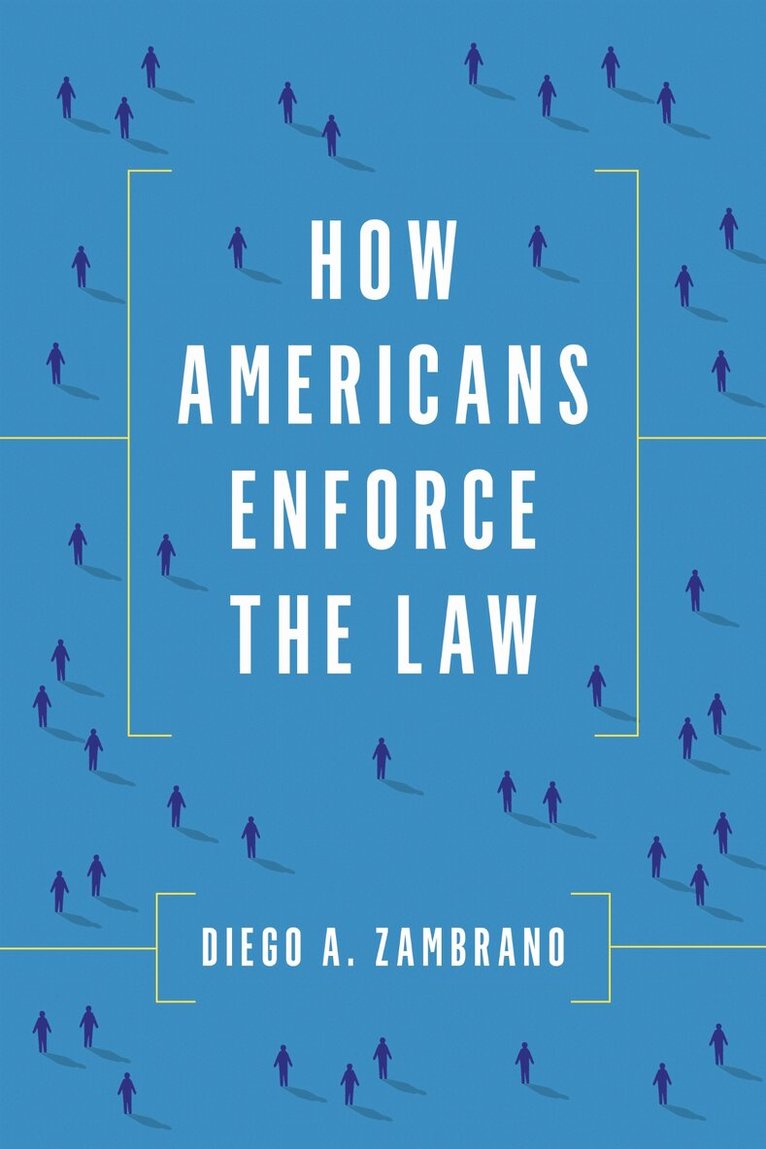
In most countries, bureaucratic agencies handle regulatory enforcement. But the United States does things differently. Embedded in statutes governing consumer protection, antitrust, employment, civil rights, and the environment are more than 10,000 "private rights of action"—legal provisions that empower ordinary citizens and their lawyers to enforce the law through lawsuits. This is how Americans regulate everything from wage theft to air pollution to corporate fraud.How Americans Enforce the Law tells the story of this distinctively American approach to governance. Diego Zambrano reveals that private enforcement is not a modern innovation but an inherited tradition dating to medieval English "penal statutes" that colonial America adopted and intensified. The book traces how this system evolved through critical junctures and was boosted by twentieth-century procedural innovations like broad discovery rules and class actions that transformed scattered statutory clauses into a mass-litigation engine.This is the first comprehensive account of private enforcement's origins, operations, and future. Offering both celebration and critique, Zambrano shows why private enforcement works well in employment law, for instance, but has been weaponized in environmental law. He creates a framework for determining when this uniquely American form of governance serves the public interest, and when it can be used to undermine democracy.
275 kr
Kommande
In most countries, bureaucratic agencies handle regulatory enforcement. But the United States does things differently. Embedded in statutes governing consumer protection, antitrust, employment, civil rights, and the environment are more than 10,000 "private rights of action" – legal provisions that empower ordinary citizens and their lawyers to enforce the law through lawsuits. This is how Americans regulate everything from wage theft to air pollution to corporate fraud.How Americans Enforce the Law tells the story of this distinctively American approach to governance. Diego Zambrano reveals that private enforcement is not a modern innovation but an inherited tradition dating to medieval English "penal statutes" that colonial America adopted and intensified. The book traces how this system evolved through critical junctures and was boosted by twentieth-century procedural innovations like broad discovery rules and class actions that transformed scattered statutory clauses into a mass-litigation engine.This is the first comprehensive account of private enforcement's origins, operations, and future. Offering both celebration and critique, Zambrano shows why private enforcement works well in employment law, for instance, but has been weaponized in environmental law. He creates a framework for determining when this uniquely American form of governance serves the public interest, and when it can be used to undermine democracy.