Dilip Dutta – författare
Visar alla böcker från författaren Dilip Dutta. Handla med fri frakt och snabb leverans.
4 produkter
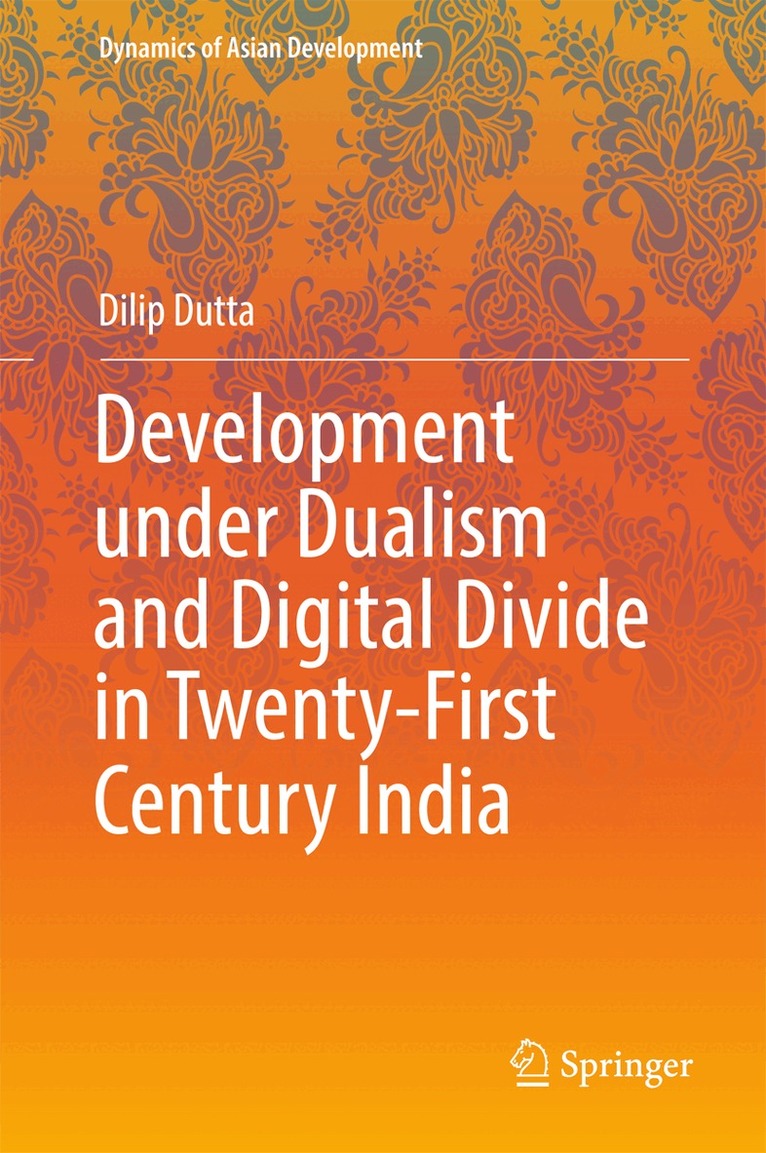
Development under Dualism and Digital Divide in Twenty-First Century India
Av Dilip Dutta
Inbunden, 2017
1240 kr
Lägg i varukorg
After first analysing the economic development processes of emerging Asian economies in general, this book explores the development implications of India’s seventy years (1947-2017) of socio-economic policy regimes. It discusses structural dualism and the digital divide, which it identifies as the …
Development under Dualism and Digital Divide in Twenty-First Century India
Av Dilip Dutta
E-bok, 2017
1670 kr
Lägg i varukorg
After first analysing the economic development processes of emerging Asian economies in general, this book explores the development implications of India’s seventy years (1947-2017) of socio-economic policy regimes. It discusses structural dualism and the digital divide, which it identifies as the …
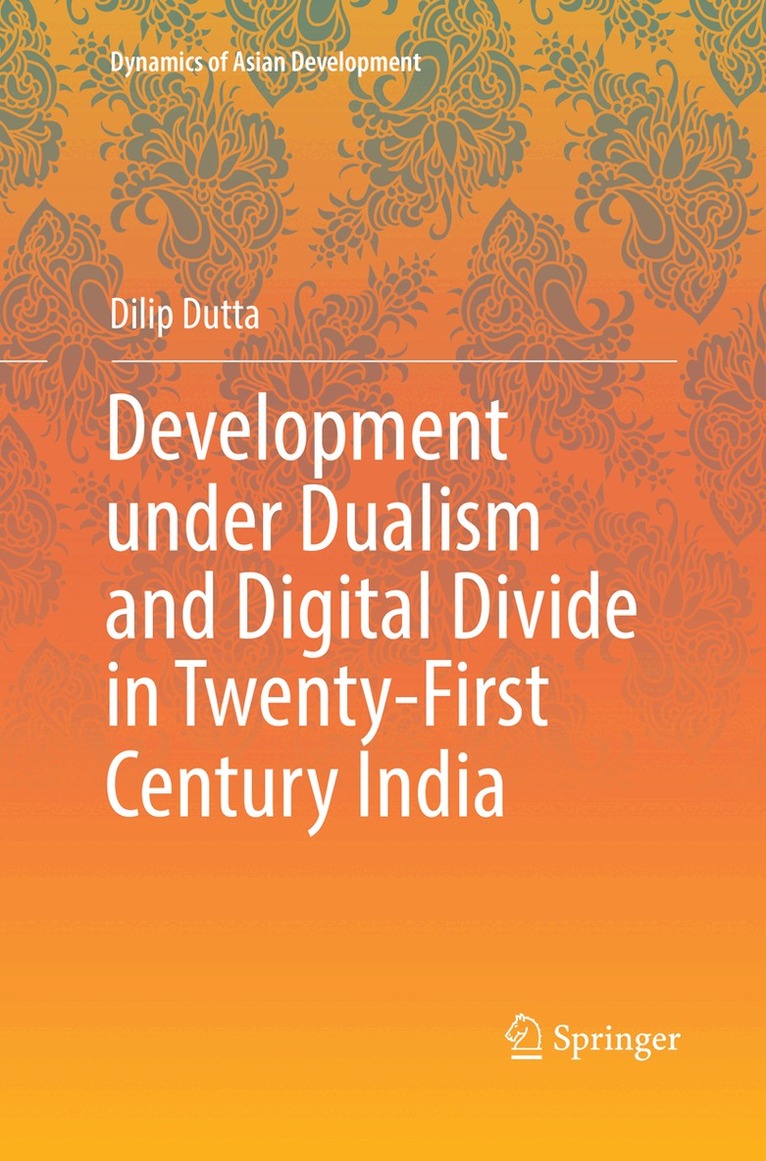
Development under Dualism and Digital Divide in Twenty-First Century India
Av Dilip Dutta
Häftad, 2018
1240 kr
Lägg i varukorg
After first analysing the economic development processes of emerging Asian economies in general, this book explores the development implications of India’s seventy years (1947-2017) of socio-economic policy regimes. It discusses structural dualism and the digital divide, which it identifies as the …
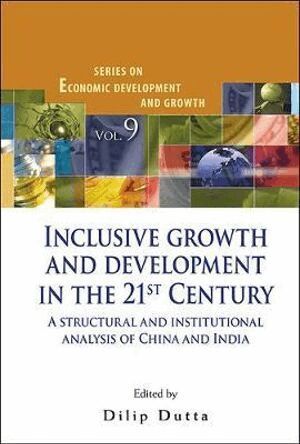
INCLUSIVE GROWTH AND DEVELOPMENT IN THE 21ST CENTURY: A STRUCTURAL AND INSTITUTIONAL ANALYSIS OF CHINA AND INDIA
Inbunden, 2014
1493 kr
Lägg i varukorg
Using case studies of both China and India, this book reinforces the fact that the processes of economic growth and development are dynamic and organic in the sense that structural and institutional elements are not only interrelated, but also constantly changing in their patterns of interactions — …