Dmitar Tasic – författare
Visar alla böcker från författaren Dmitar Tasic. Handla med fri frakt och snabb leverans.
5 produkter
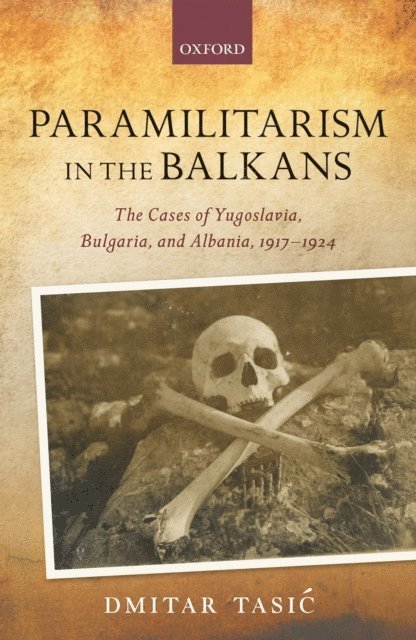
Paramilitarism in the Balkans
Yugoslavia, Bulgaria, and Albania, 1917-1924
Av Dmitar Tasic
E-bok, 2020
1378 kr
Lägg i varukorg
Paramilitarism in the Balkans analyses the origins and manifestations of paramilitary violence in three neighbouring Balkan countries - Yugoslavia, Bulgaria, and Albania - after the First World War. It shows the role of paramilitarism in internal and external policies in all three states, focusing …
Paramilitarism in the Balkans
Yugoslavia, Bulgaria, and Albania, 1917-1924
Av Dmitar Tasic
E-bok, 2020
1378 kr
Lägg i varukorg
Paramilitarism in the Balkans analyses the origins and manifestations of paramilitary violence in three neighbouring Balkan countries - Yugoslavia, Bulgaria, and Albania - after the First World War. It shows the role of paramilitarism in internal and external policies in all three states, focusing …
Paramilitarism in the Balkans
Yugoslavia, Bulgaria, and Albania, 1917-1924
Av Dmitar Tasić
Inbunden, 2020
1808 kr
Lägg i varukorg
Paramilitarism in the Balkans analyses the origins and manifestations of paramilitary violence in three neighbouring Balkan countries - Yugoslavia, Bulgaria, and Albania - after the First World War. It shows the role of paramilitarism in internal and external policies in all three states, focusing …
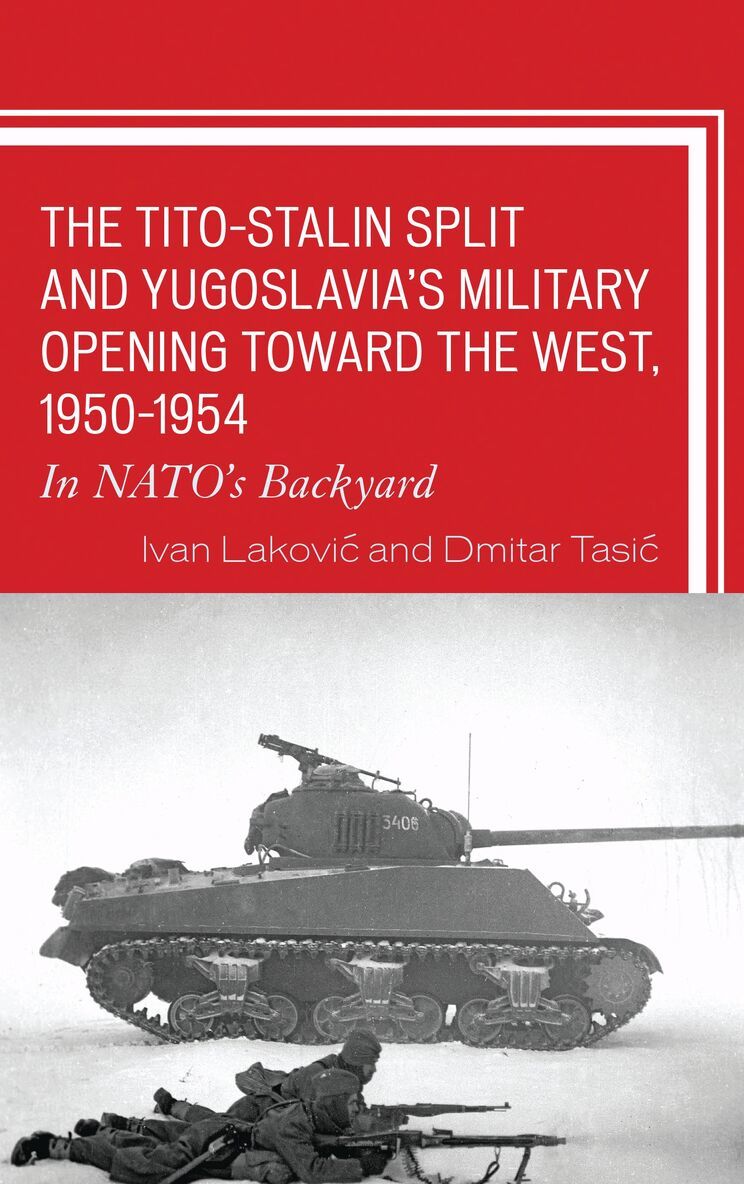
Tito–Stalin Split and Yugoslavia's Military Opening toward the West, 1950–1954
In NATO's Backyard
Inbunden, 2016
1385 kr
Lägg i varukorg
Yugoslav military cooperation with West emerged after the country’s split with the U.S.S.R. and its allies in 1948. It came as a surprise for many, since Yugoslavia used to be one of the staunchest followers of Soviet politics. However, faced with possible military escalation of the ideological, …
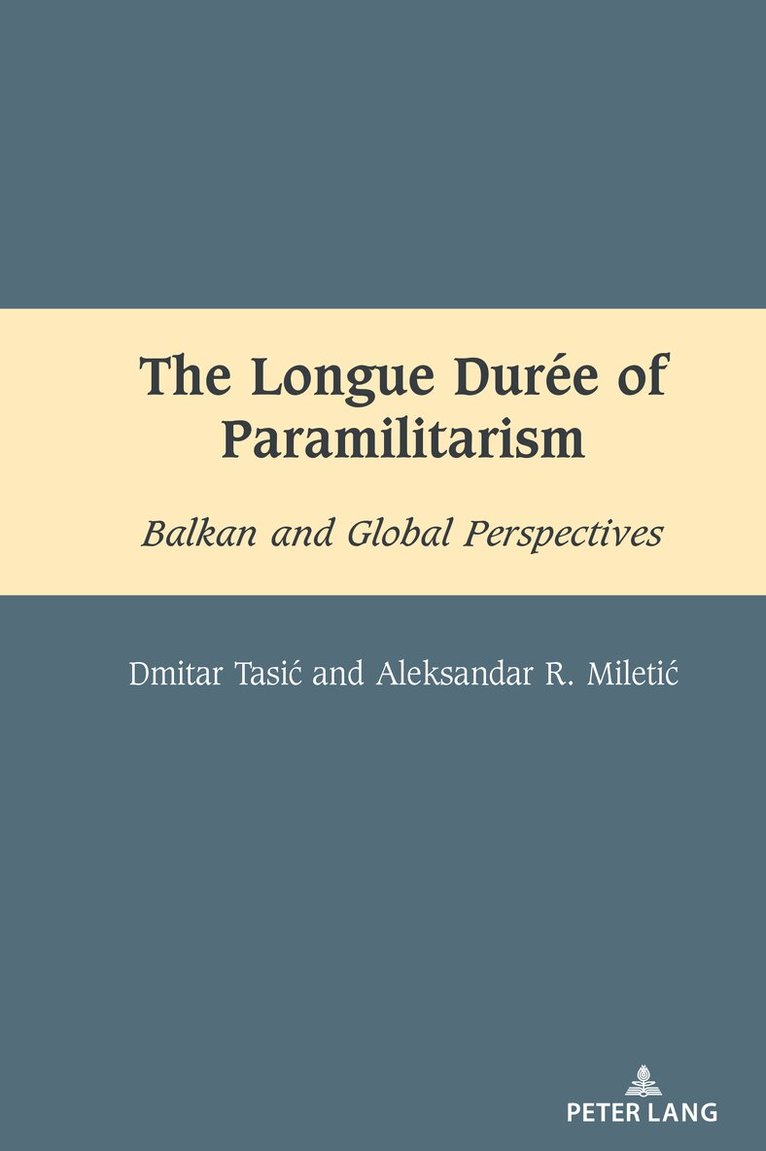
Longue Durée of Paramilitarism
Balkan and Global Perspectives
Av Dmitar Tasić, Aleksandar Miletić m. fl.
Inbunden, 2024
868 kr
Lägg i varukorg
As turbulent events – including war, civil war, armed intervention, humanitarian crises and civil unrest – unfold around the globe, the actions of various types of paramilitary organization have attracted considerable attention in academic circles, as well as among the public. Bringing together a …