Dolly Jørgensen - Böcker
Visar alla böcker från författaren Dolly Jørgensen. Handla med fri frakt och snabb leverans.
7 produkter
7 produkter
166 kr
Skickas inom 7-10 vardagar
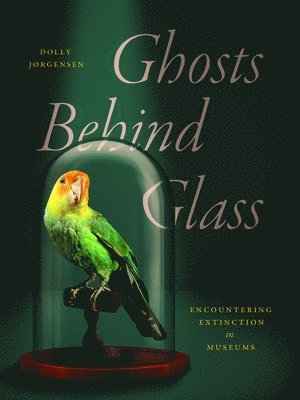
How museums display extinct species—and what these exhibits say about us. While it’s no longer possible to encounter a dodo in the wild, we can still come face-to-face with them in museums. The remains of extinct species—whether taxidermied, skeletal, drawn, or sculpted—stare back at us from display cases. In this moving meditation on what’s lost and what endures, environmental historian Dolly Jørgensen visits natural history collections worldwide—from Shanghai to Philadelphia, from Edinburgh to Hobart, Australia—to understand the many ways that museums tell stories about extinction. She encounters extinct animals that are framed as cultural artifacts and as rare valuables, that are memorialized with lists, and that are brought to life through augmented reality. She draws our attention to creatures with prominent afterlives—passenger pigeons, giant moas, thylacines—as well as those that are less likely to be discussed or displayed. Throughout, Jørgensen examines the relationship between museums and the natural world, so readers can look more closely at exhibits about extinction, studying the displays for what is there, as well as what is missing. During a period of rapid species loss driven by humanity’s environmental impact, Ghosts Behind Glass asks what we can learn about our world from the presence of the extinct.
920 kr
Skickas inom 7-10 vardagar
How museums display extinct species—and what these exhibits say about us. While it’s no longer possible to encounter a dodo in the wild, we can still come face-to-face with them in museums. The remains of extinct species—whether taxidermied, skeletal, drawn, or sculpted—stare back at us from display cases. In this moving meditation on what’s lost and what endures, environmental historian Dolly Jørgensen visits natural history collections worldwide—from Shanghai to Philadelphia, from Edinburgh to Hobart, Australia—to understand the many ways that museums tell stories about extinction. She encounters extinct animals that are framed as cultural artifacts and as rare valuables, that are memorialized with lists, and that are brought to life through augmented reality. She draws our attention to creatures with prominent afterlives—passenger pigeons, giant moas, thylacines—as well as those that are less likely to be discussed or displayed. Throughout, Jørgensen examines the relationship between museums and the natural world, so readers can look more closely at exhibits about extinction, studying the displays for what is there, as well as what is missing. During a period of rapid species loss driven by humanity’s environmental impact, Ghosts Behind Glass asks what we can learn about our world from the presence of the extinct.
1 047 kr
Skickas inom 7-10 vardagar
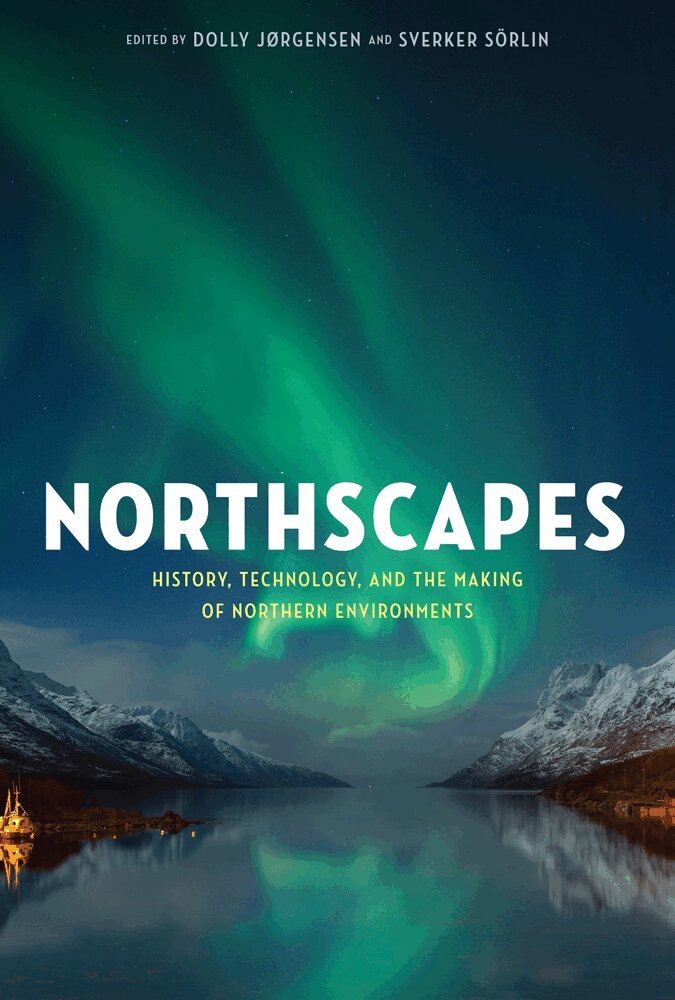
Northscapes examines concepts of North and the way in which different northern environments are shaped by the intersection of technology and human societies.
389 kr
Skickas inom 7-10 vardagar
This book argues that the unique environments of the North have been borne of the relationship between humans and nature. Approaching the topic through the lens of environmental history, the contributors examine a broad range of geographies, including those of Iceland and other islands in the Northern Atlantic, Sweden, Finland, Russia, the Pacific Northwest, and Canada, over a time span ranging from CE 800 to 2000. Northscapes is bound together by the intellectual project of investigating the North both as an imagined and mythologized space and as an environment shaped by human technology. The North offers a valuable analytical framework that surpasses nation-states and transgresses political and historical borders. This volume develops rich explorations of the entanglements of environmental and technological history in the northern regions of the globe
865 kr
Skickas inom 7-10 vardagar
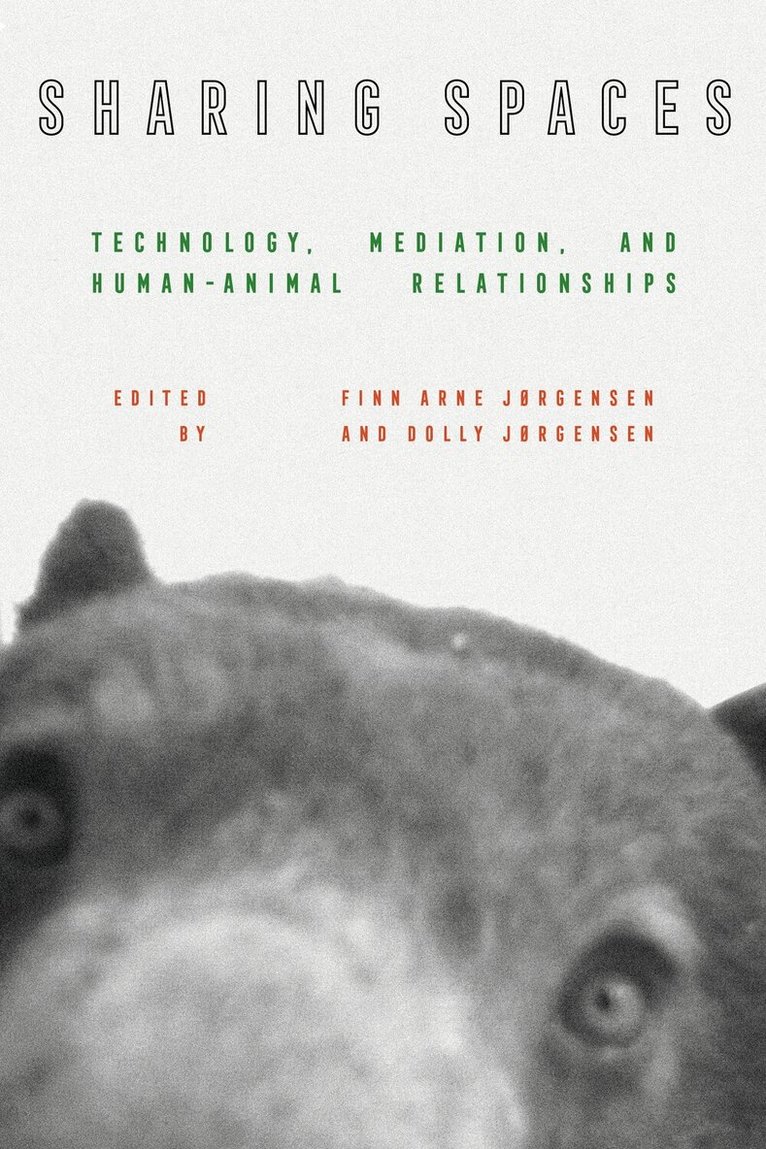
Human and animal lives intersect, whether through direct physical contact or by inhabiting the same space at a different time. Environmental humanities scholars have begun investigating these relationships through the emerging field of multispecies studies, building on decades of work in animal history, feminist studies, and Indigenous epistemologies. Contributors to this volume consider the entangled human-animal relationships of a complex multispecies world, where domesticated animals, wild animals, and people cross paths, creating hybrid naturecultures. Technology, they argue, structures how animals and humans share spaces. From clothing to cars to computers, technology acts as a mediator and connector of lives across time and space. It facilitates ways of looking at, measuring, moving, and killing, as well as controlling, containing, conserving, and cooperating with animals. Sharing Spaces challenges us to analyze how technology shapes human relationships with the nonhuman world, exploring nonhuman animals as kin, companions, food, transgressors, entertainment, and tools.
637 kr
Skickas inom 7-10 vardagar
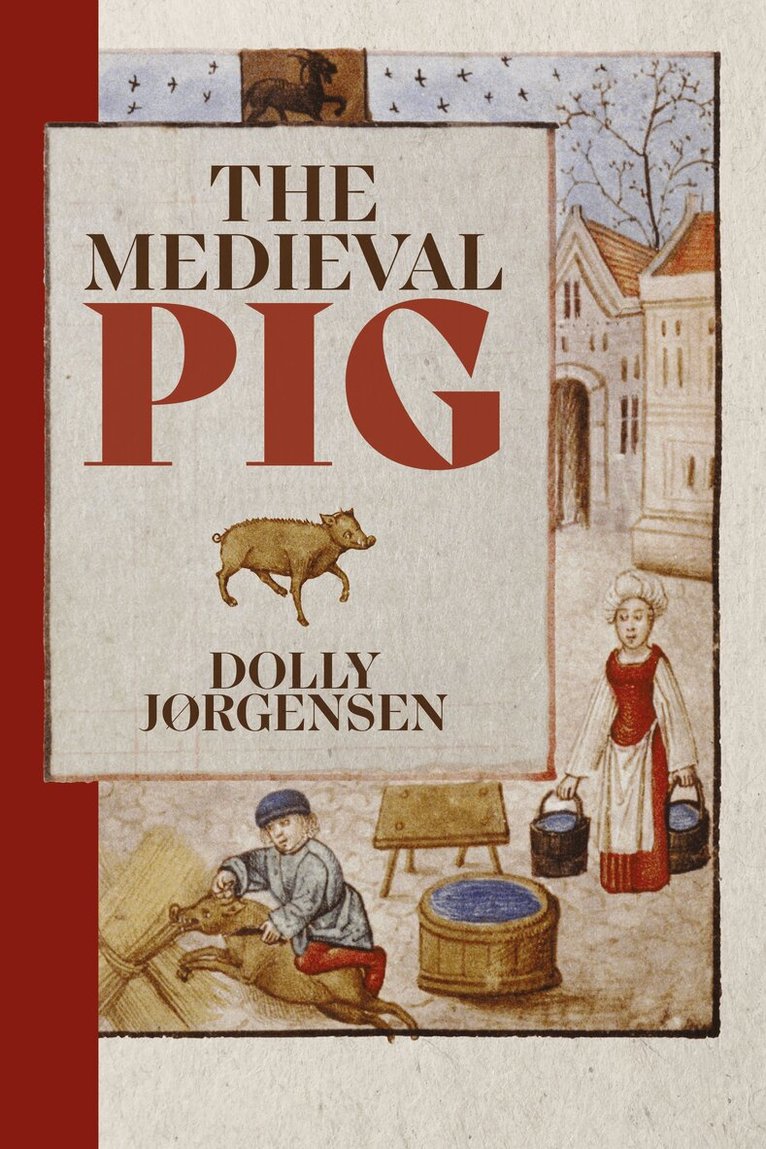
Examines the role of the pig in medieval society in material and textual sources.The pig was a common sight in the Middle Ages. They might be eating under an oak tree, or out in a field. They might be in the street, with the swineherd close behind at their heels. They might be dismembered, for sale by a butcher. They might be represented on misericords, in a church or cathedral, dancing, playing the bagpipes, or suckling people. Pigs were in all these places. But what was the pig's place? This book considers pigs in medieval Europe from a number of angles: whether part of the countryside, the cityscape, on the plate or in the mind. Drawing on a rich wealth of sources, both textual and material, it examines in particular the paradoxes that the pig presented: both good and bad, fecund/fornicator, noble/filthy. It uncovers the pig's numerous roles in medieval society, how pigs shaped human life, and how humans shaped theirs.
290 kr
Skickas inom 7-10 vardagar
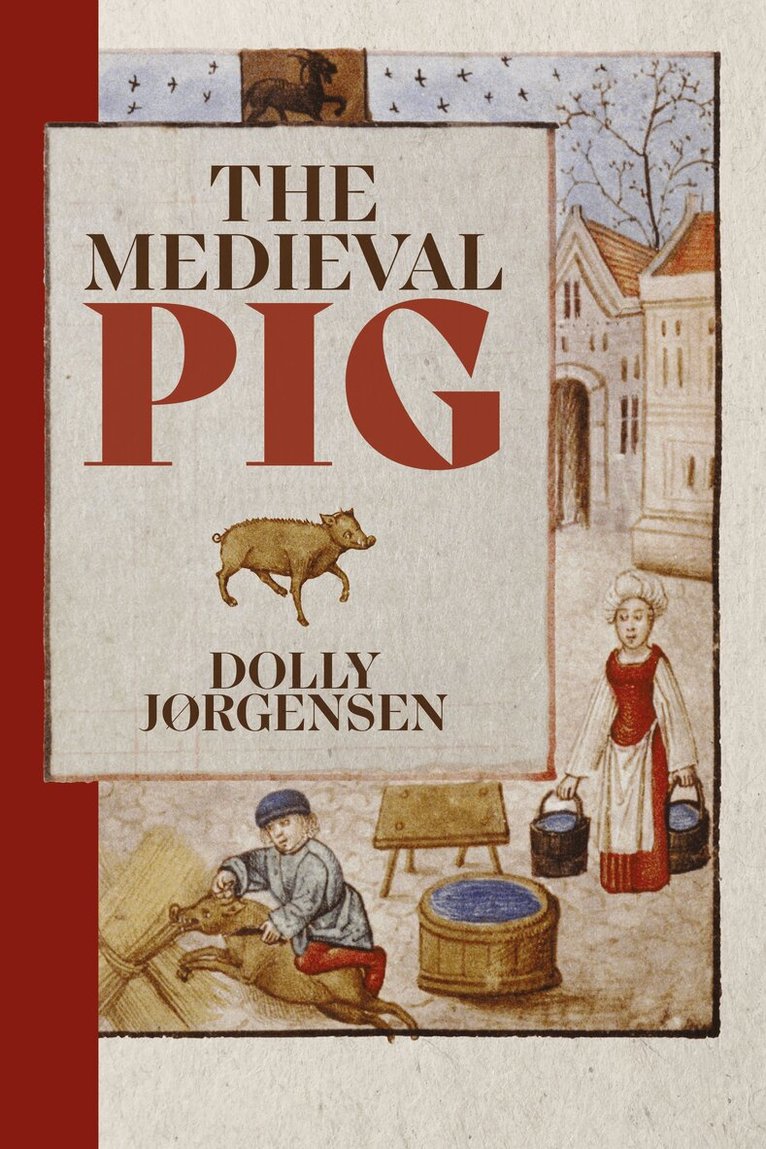
Examines the role of the pig in medieval society in material and textual sources.The pig was a common sight in the Middle Ages. They might be eating under an oak tree, or out in a field. They might be in the street, with the swineherd close behind at their heels. They might be dismembered, for sale by a butcher. They might be represented on misericords, in a church or cathedral, dancing, playing the bagpipes, or suckling people. Pigs were in all these places. But what was the pig's place? This book considers pigs in medieval Europe from a number of angles: whether part of the countryside, the cityscape, on the plate or in the mind. Drawing on a rich wealth of sources, both textual and material, it examines in particular the paradoxes that the pig presented: both good and bad, fecund/fornicator, noble/filthy. It uncovers the pig's numerous roles in medieval society, how pigs shaped human life, and how humans shaped theirs.