Domingo Morel - Böcker
Visar alla böcker från författaren Domingo Morel. Handla med fri frakt och snabb leverans.
8 produkter
8 produkter
1 488 kr
Skickas inom 5-8 vardagar
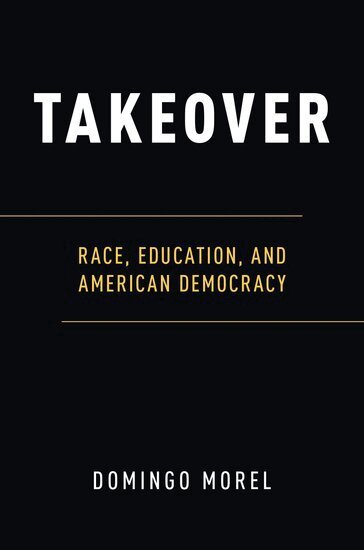
State takeovers of local governments have garnered national attention of late, particularly following the water crisis in Flint, Michigan. In most U.S. cities, local governments are responsible for decisions concerning matters such as the local water supply and school affairs. However, once a state takes over, this decision-making capability is shuttled. Despite the widespread attention that takeovers in Flint and Detroit have gained, we know little about how such takeovers--a policy option that has been in use since the 1980s--affect political power in local communities. By focusing on takeovers of local school districts, this book offers the first systematic study of state takeovers of local governments. Although many major U.S. cities have experienced state takeovers of their local school districts, we know little about the political causes and consequences of takeovers. Complicating this phenomenon are the justifications for state takeokers; while they are assumedly based on concerns with poor academic performance, questions of race and political power play a critical role in the takeover of local school districts. However, Domingo Morel brings clarity to these questions and limitations--he examines the factors that contribute to state takeovers as well as the effects and political implications of takeovers on racialized communities, the communities most often affected by them. Morel both lays out the conditions under which the policy will disempower or empower racial and ethnic minority populations, and expands our understanding of urban politics. Morel argues that state interventions are a part of the new normal for cities and offers a novel theoretical framework for understanding the presence of the state in America's urban areas. The book is built around an original study of nearly 1000 school districts, including every school district that has been taken over by their respective state, and a powerful case study of Newark, New Jersey.
353 kr
Skickas inom 5-8 vardagar
State takeovers of local governments have garnered national attention of late, particularly following the water crisis in Flint, Michigan. In most U.S. cities, local governments are responsible for decisions concerning matters such as the local water supply and school affairs. However, once a state takes over, this decision-making capability is shuttled. Despite the widespread attention that takeovers in Flint and Detroit have gained, we know little about how such takeovers--a policy option that has been in use since the 1980s--affect political power in local communities. By focusing on takeovers of local school districts, this book offers the first systematic study of state takeovers of local governments. Although many major U.S. cities have experienced state takeovers of their local school districts, we know little about the political causes and consequences of takeovers. Complicating this phenomenon are the justifications for state takeokers; while they are assumedly based on concerns with poor academic performance, questions of race and political power play a critical role in the takeover of local school districts. However, Domingo Morel brings clarity to these questions and limitations--he examines the factors that contribute to state takeovers as well as the effects and political implications of takeovers on racialized communities, the communities most often affected by them. Morel both lays out the conditions under which the policy will disempower or empower racial and ethnic minority populations, and expands our understanding of urban politics. Morel argues that state interventions are a part of the new normal for cities and offers a novel theoretical framework for understanding the presence of the state in America's urban areas. The book is built around an original study of nearly 1000 school districts, including every school district that has been taken over by their respective state, and a powerful case study of Newark, New Jersey.
1 146 kr
Skickas inom 5-8 vardagar
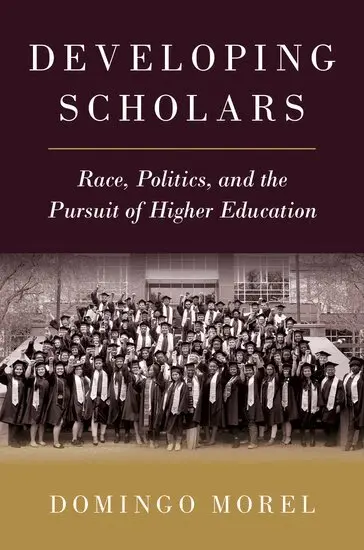
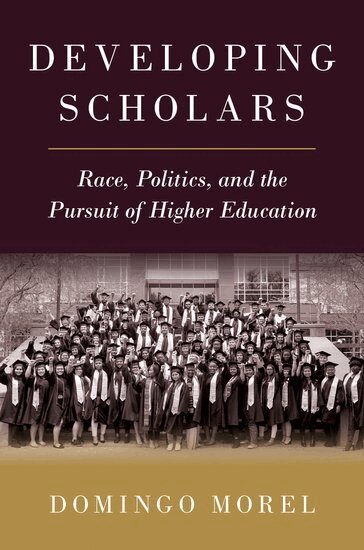
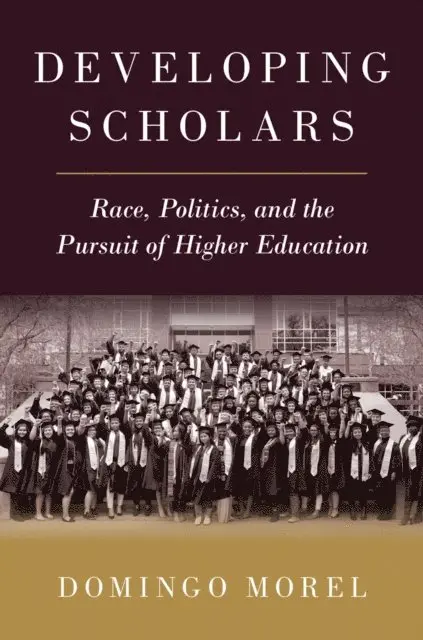
Over the past fifty years, debates concerning race and college admissions have focused primarily on the policy of affirmative action at elite institutions of higher education. But a less well-known approach to affirmative action also emerged in the 1960s in response to urban unrest and Black and Latino political mobilization. The programs that emerged in response to community demands offered a more radical view of college access: admitting and supporting students who do not meet regular admissions requirements and come from families who are unable to afford college tuition, fees, and other expenses. While conventional views of affirmative action policies focus on the "identification" of high-achieving students of color to attend elite institutions of higher education, these programs represent a community-centered approach to affirmative action. This approach is based on a logic of developing scholars who can be supported at their local public institutions of higher education. In Developing Scholars, Domingo Morel explores the history and political factors that led to the creation of college access programs for students of color in the 1960s. Through a case study of an existing community-centered affirmative action program, Talent Development, Morel shows how protest, including violent protest, has been instrumental in the maintenance of college access programs. He also reveals that in response to the college expansion efforts of the 1960s, hidden forms of restriction emerged that have significantly impacted students of color. Developing Scholars argues that the origin, history, and purpose of these programs reveal gaps in our understanding of college access expansion in the US that challenge conventional wisdom of American politics.
282 kr
Skickas inom 5-8 vardagar
Over the past fifty years, debates concerning race and college admissions have focused primarily on the policy of affirmative action at elite institutions of higher education. But a less well-known approach to affirmative action also emerged in the 1960s in response to urban unrest and Black and Latino political mobilization. The programs that emerged in response to community demands offered a more radical view of college access: admitting and supporting students who do not meet regular admissions requirements and come from families who are unable to afford college tuition, fees, and other expenses. While conventional views of affirmative action policies focus on the "identification" of high-achieving students of color to attend elite institutions of higher education, these programs represent a community-centered approach to affirmative action. This approach is based on a logic of developing scholars who can be supported at their local public institutions of higher education. In Developing Scholars, Domingo Morel explores the history and political factors that led to the creation of college access programs for students of color in the 1960s. Through a case study of an existing community-centered affirmative action program, Talent Development, Morel shows how protest, including violent protest, has been instrumental in the maintenance of college access programs. He also reveals that in response to the college expansion efforts of the 1960s, hidden forms of restriction emerged that have significantly impacted students of color. Developing Scholars argues that the origin, history, and purpose of these programs reveal gaps in our understanding of college access expansion in the US that challenge conventional wisdom of American politics.
1 036 kr
Skickas inom 7-10 vardagar
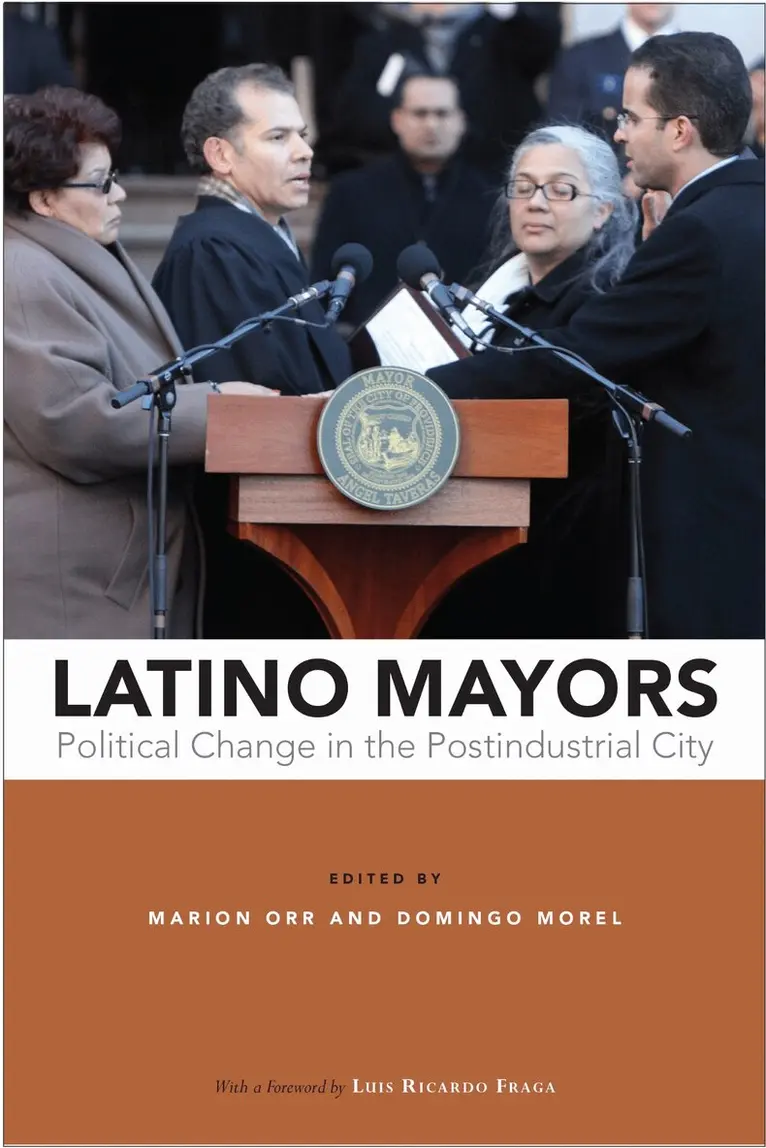
As recently as the early 1960s, Latinos were almost totally excluded from city politics. This makes the rise of Latino mayors in the past three decades a remarkable American story-one that explains ethnic succession, changing urban demography, and political contexts. The vibrant collection Latino Mayors features case studies of eleven Latino mayors in six American cities: San Antonio, Los Angeles, Denver, Hartford, Miami, and Providence.The editors and contributors analyze Latino mayors for their governing styles and policies. They describe how candidates shaped race, class, and economic issues-particularly in deracialized campaigns. Latino Mayors also addresses coalition politics, political incorporation, and how community groups operate, as well as the challenges these pioneers have faced in office from political tensions and governance issues that sometimes even harm Latinos. Ultimately, Latino Mayors charts the performances, successes, and failures of these elected officials to represent their constituents in a changing economic and urban environment.Contributors include: Stefanie Chambers, Carlos E. CuÉllar, Emily M. Farris, Maria Ilcheva, Robert Preuhs, Heywood T. Sanders, Ellen Shiau, and the editors.
346 kr
Skickas inom 7-10 vardagar
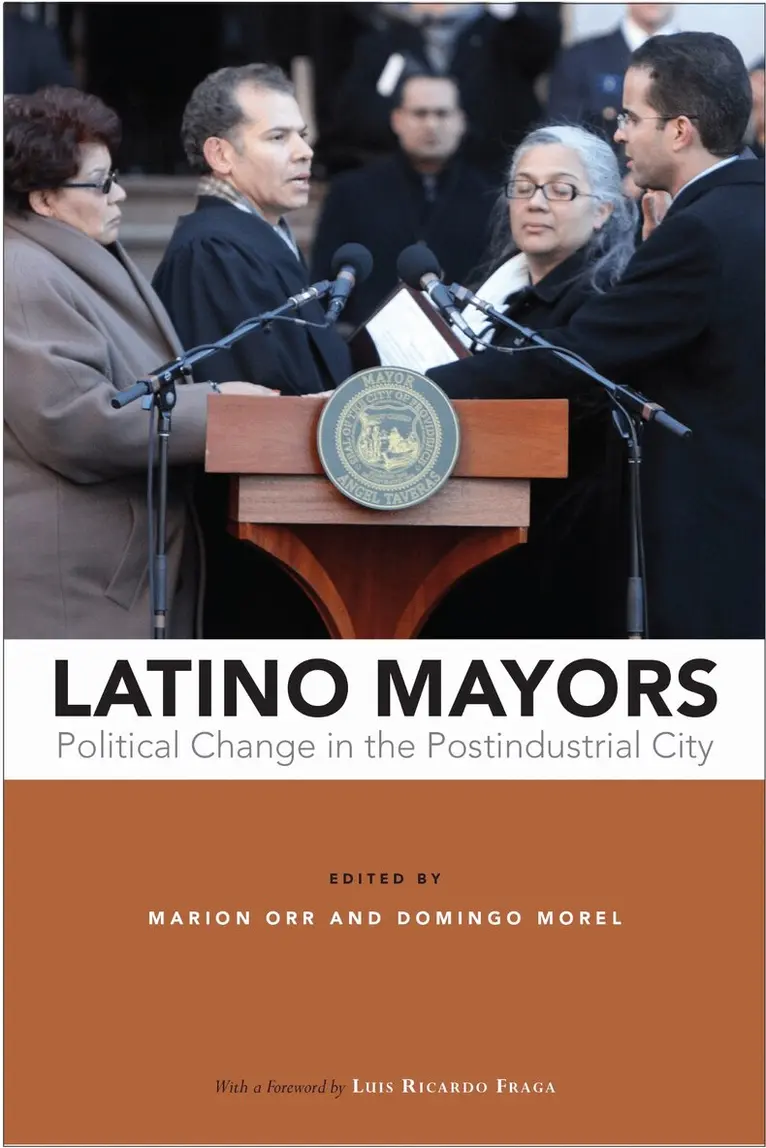
As recently as the early 1960s, Latinos were almost totally excluded from city politics. This makes the rise of Latino mayors in the past three decades a remarkable American story-one that explains ethnic succession, changing urban demography, and political contexts. The vibrant collection Latino Mayors features case studies of eleven Latino mayors in six American cities: San Antonio, Los Angeles, Denver, Hartford, Miami, and Providence.The editors and contributors analyze Latino mayors for their governing styles and policies. They describe how candidates shaped race, class, and economic issues-particularly in deracialized campaigns. Latino Mayors also addresses coalition politics, political incorporation, and how community groups operate, as well as the challenges these pioneers have faced in office from political tensions and governance issues that sometimes even harm Latinos. Ultimately, Latino Mayors charts the performances, successes, and failures of these elected officials to represent their constituents in a changing economic and urban environment.Contributors include: Stefanie Chambers, Carlos E. CuÉllar, Emily M. Farris, Maria Ilcheva, Robert Preuhs, Heywood T. Sanders, Ellen Shiau, and the editors.
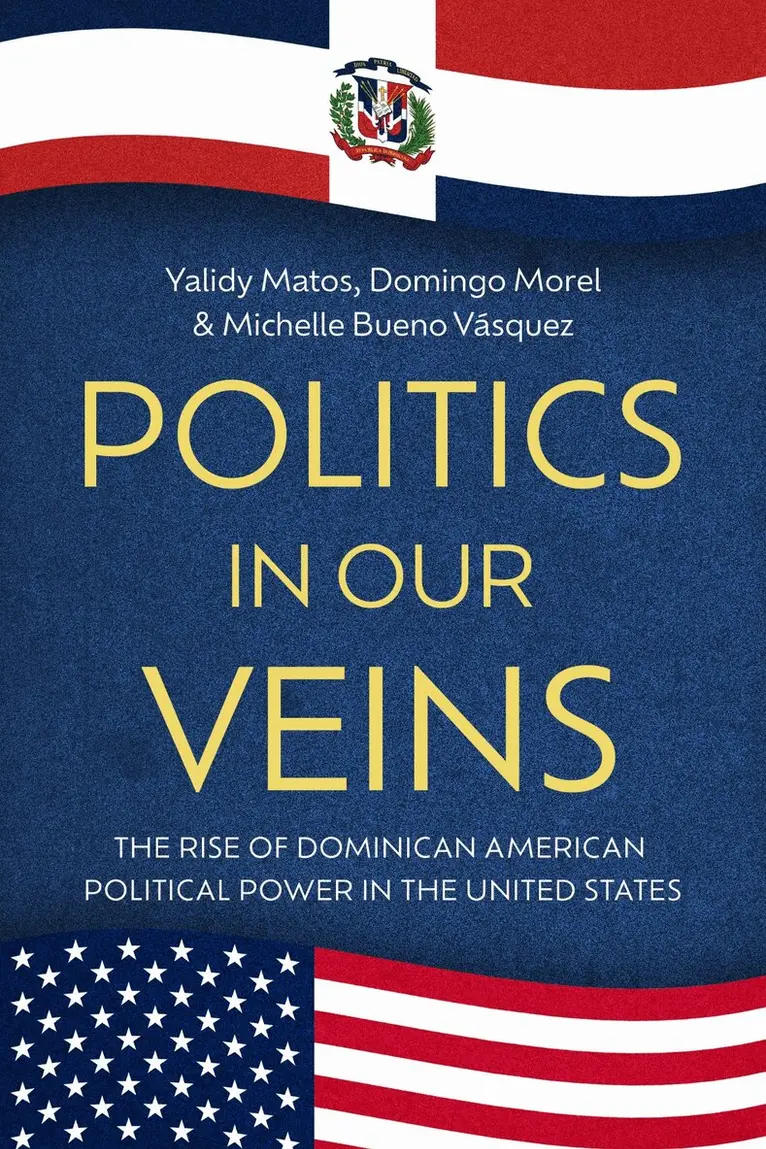
Politics in Our Veins
The Rise of Dominican American Political Power in the United States
Inbunden, Engelska, 2026
1 118 kr
Kommande
Captures the complex journey of how Dominican Americans mobilized to become key progressive players in American politicsDominican Americans are one of the largest and fastest-growing Latinx groups in the United States, with a population that has quadrupled from 517,000 to a little over 2.3 million as of 2023. While New York City is home to the largest Dominican community in the country – and is where most Dominican American elected officials (DEOs) are from – Dominican Americans continue to increase their representation nationwide. In Politics in Our Veins, Yalidy Matos, Domingo Morel, and Michelle Bueno Vásquez chart the rise of Dominican American political power across the United States, exploring the myriad factors that have contributed to their political success as thoughtful citizens, activists, and elected officials.Drawing on original surveys, in-depth interviews with elected officials, and archival data, Matos, Morel, and Vásquez trace the past, present, and future of Dominican American political power, demonstrating how one group fought from the margins for a seat at the table. They explore how community, civic, and cultural organizations have played an important role in helping newly immigrated Dominican Americans gain political power through influential national coalitions like "Dominicans on the Hill" and the Dominican National Roundtable. They also examine how identity politics, in particular race and gender, influence the political attitudes and behavior of DEOs.Politics in Our Veins shines a light on how Dominicans have created avenues for political engagement, identifying where barriers to participation have been dismantled, where they remain, and where new obstacles are emerging.
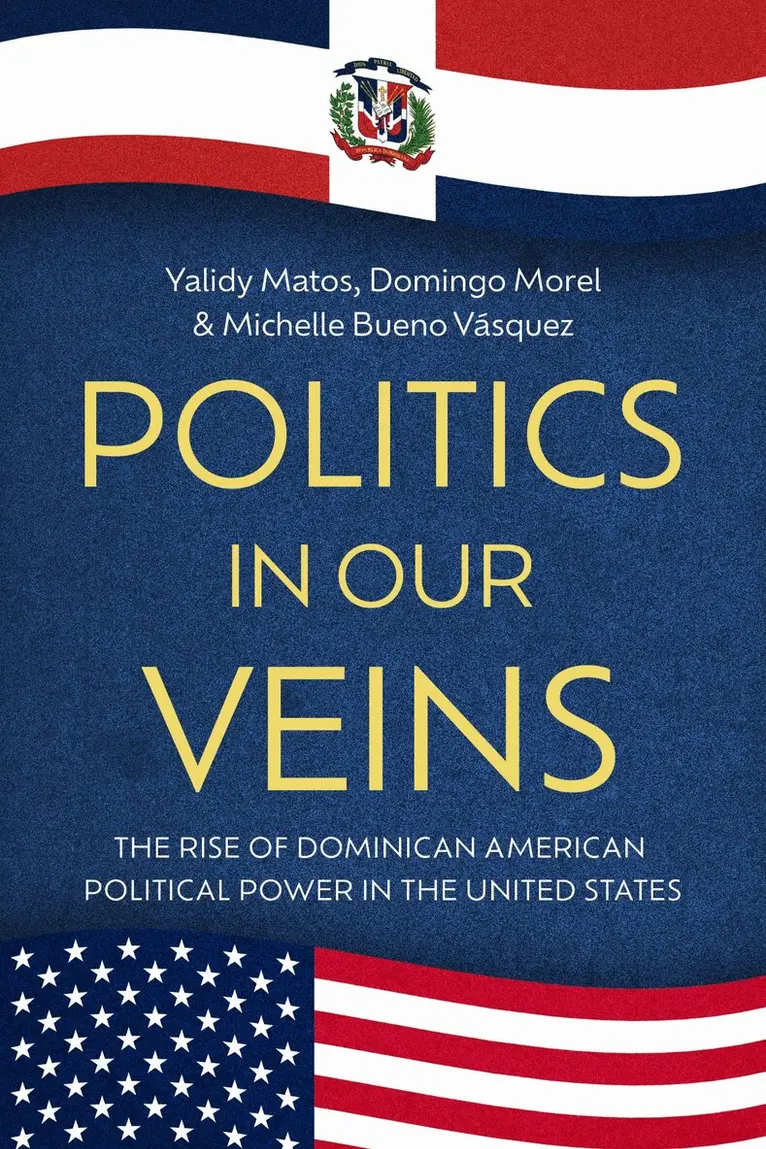
Politics in Our Veins
The Rise of Dominican American Political Power in the United States
Häftad, Engelska, 2026
309 kr
Kommande
Captures the complex journey of how Dominican Americans mobilized to become key progressive players in American politicsDominican Americans are one of the largest and fastest-growing Latinx groups in the United States, with a population that has quadrupled from 517,000 to a little over 2.3 million as of 2023. While New York City is home to the largest Dominican community in the country – and is where most Dominican American elected officials (DEOs) are from – Dominican Americans continue to increase their representation nationwide. In Politics in Our Veins, Yalidy Matos, Domingo Morel, and Michelle Bueno Vásquez chart the rise of Dominican American political power across the United States, exploring the myriad factors that have contributed to their political success as thoughtful citizens, activists, and elected officials.Drawing on original surveys, in-depth interviews with elected officials, and archival data, Matos, Morel, and Vásquez trace the past, present, and future of Dominican American political power, demonstrating how one group fought from the margins for a seat at the table. They explore how community, civic, and cultural organizations have played an important role in helping newly immigrated Dominican Americans gain political power through influential national coalitions like "Dominicans on the Hill" and the Dominican National Roundtable. They also examine how identity politics, in particular race and gender, influence the political attitudes and behavior of DEOs.Politics in Our Veins shines a light on how Dominicans have created avenues for political engagement, identifying where barriers to participation have been dismantled, where they remain, and where new obstacles are emerging.