Dominika Koter – Författare
Visar alla böcker från författaren Dominika Koter. Handla med fri frakt och snabb leverans.
3 produkter
3 produkter
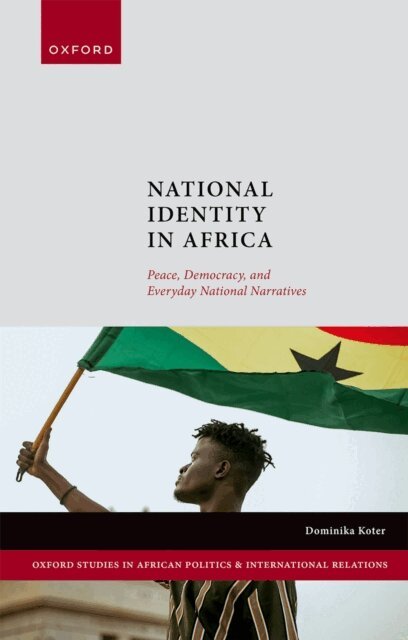
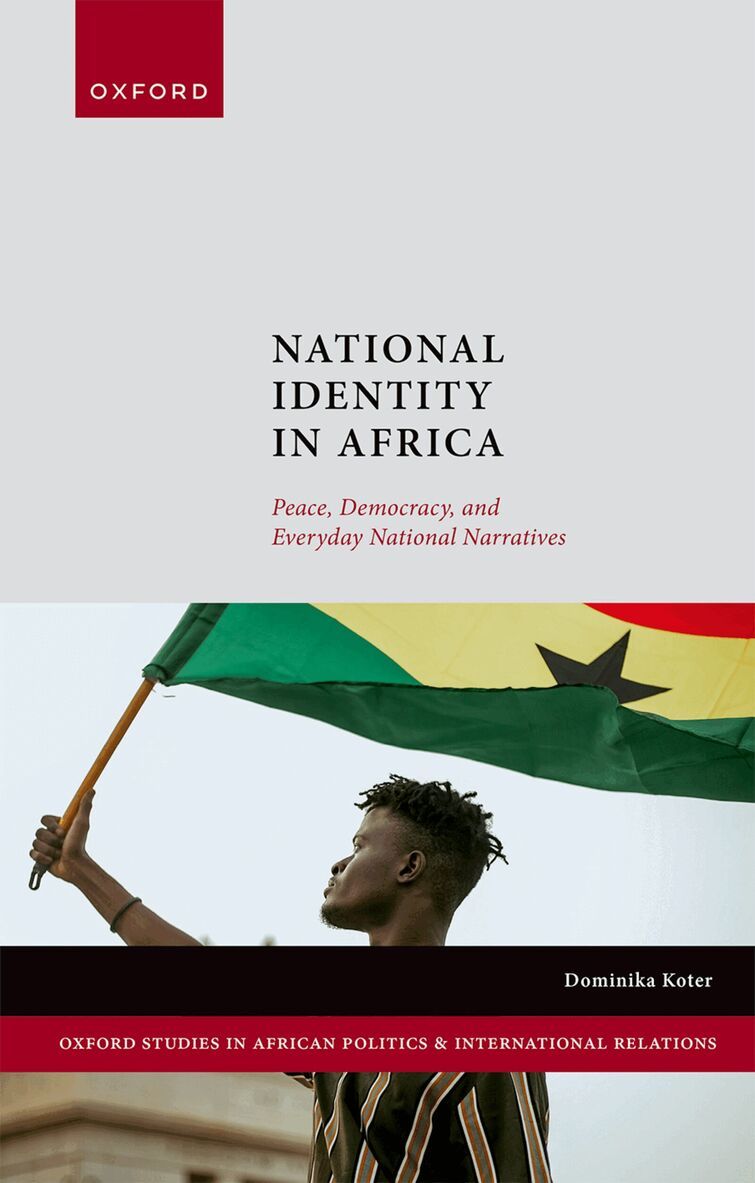
National Identity in Africa
Peace, Democracy, and Everyday National Narratives
Inbunden, Engelska, 2026
1 200 kr
Kommande
National identity in sub-Saharan Africa is often portrayed as underdeveloped and less important than ethnic identity. Yet, recent empirical evidence from across the continent shows that national identity is more robust than many predicted. Existing theories do not fully account for this as they do not provide an exhaustive list of sources of national identification. National Identity in Africa: Peace, Democracy, and Everyday National Narratives helps explain what drives national belonging in African states. It presents an additional pathway for national identification to emerge. It argues that divergent political developments between countries — distinct political outcomes that are highly visible to the population, such as peace, conflict, or democracy — make citizens draw inferences about national characters, providing the basis for national imaginings. Based on over 400 original interviews with ordinary people across different regions of Ghana and Botswana to study the content of national identity, this study reveals the striking salience of political developments vis-à-vis other ingredients of nation-building such as state programs and cultural commonalities. Koter also shows that once political conditions become the core of national identity, a palpable deterioration in them will negatively affect national identification. Benin and Botswana — two cases of successful democracies that sustained democratic backsliding in recent years — demonstrate the negative effect of democratic erosion on national identity. The book further examines the generalizability of the impact of political developments both in and outside of Africa. Oxford Studies in African Politics and International Relations is a series for scholars and students working on African politics and International Relations and related disciplines. Volumes concentrate on contemporary developments in African political science, political economy, and International Relations, such as electoral politics, democratization, decentralization, gender and political representation, the political impact of natural resources, the dynamics and consequences of conflict, comparative political thought, and the nature of the continent’s engagement with the East and West. Comparative and mixed methods work is particularly encouraged. Case studies are welcomed but should demonstrate the broader theoretical and empirical implications of the study and its wider relevance to contemporary debates. The focus of the series is on sub-Saharan Africa, although proposals that explain how the region engages with North Africa and other parts of the world are of interest.Series Editors: Nic Cheeseman (University of Birmingham), Peace Medie (University of Bristol), and Ricardo Soares de Oliveira (Sciences Po, Paris).
823 kr
Skickas inom 7-10 vardagar
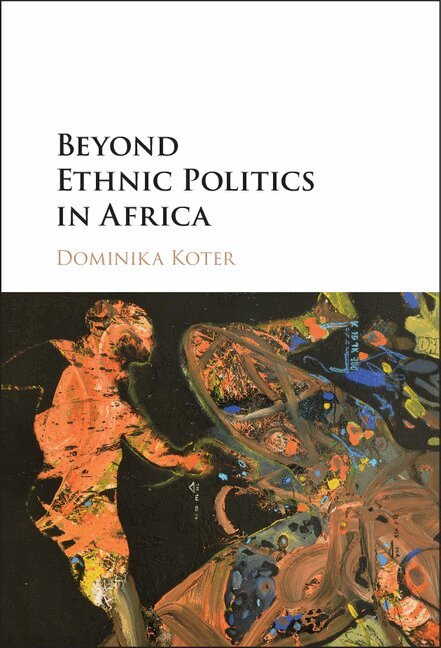
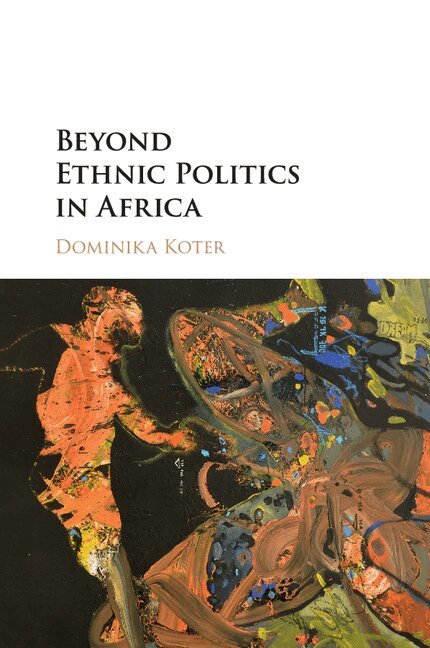
Why do ethnic politics emerge in some ethnically diverse societies but not others? Focusing on sub-Saharan Africa, Dominika Koter argues that the prevailing social structures of a country play a central role in how politicians attempt to mobilize voters. In particular, politicians consider the strength of local leaders, such as chiefs or religious dignitaries, who have historically played a crucial role in many parts of rural Africa. Local leaders can change the electoral dynamics by helping politicians secure votes among people of different ethnicities. Ethnic politics thus can be avoided where there are local leaders who can serve as credible electoral intermediaries between voters and politicians. Koter shows that there is widespread variation in the standing of local leaders across Africa, as a result of long-term historical trends, which has meant that politicians have mobilized voters in qualitatively different ways, resulting in different levels of ethnic politics across the continent.
428 kr
Skickas inom 7-10 vardagar
Why do ethnic politics emerge in some ethnically diverse societies but not others? Focusing on sub-Saharan Africa, Dominika Koter argues that the prevailing social structures of a country play a central role in how politicians attempt to mobilize voters. In particular, politicians consider the strength of local leaders, such as chiefs or religious dignitaries, who have historically played a crucial role in many parts of rural Africa. Local leaders can change the electoral dynamics by helping politicians secure votes among people of different ethnicities. Ethnic politics thus can be avoided where there are local leaders who can serve as credible electoral intermediaries between voters and politicians. Koter shows that there is widespread variation in the standing of local leaders across Africa, as a result of long-term historical trends, which has meant that politicians have mobilized voters in qualitatively different ways, resulting in different levels of ethnic politics across the continent.