Dominique Arel – författare
Visar alla böcker från författaren Dominique Arel. Handla med fri frakt och snabb leverans.
5 produkter
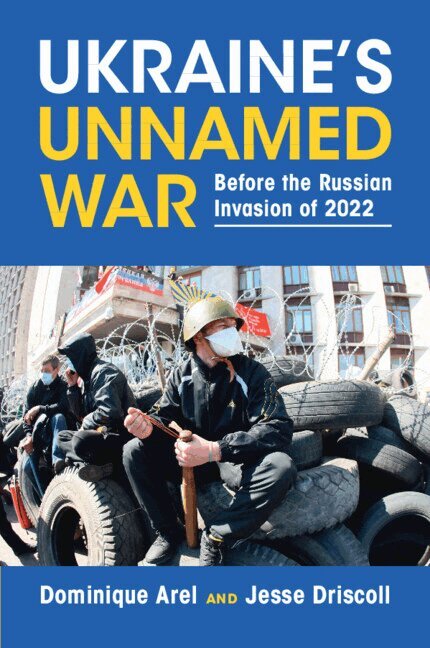
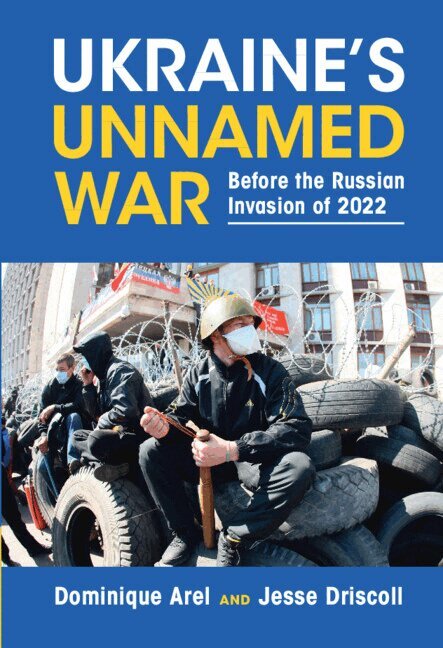
Ukraine's Unnamed War
Before the Russian Invasion of 2022
Av Dominique Arel, Jesse Driscoll
Häftad, 2023
455 kr
Lägg i varukorg
The Russian invasion of Ukraine in 2022 has its roots in the events of 2013-2014. Russia cynically termed the seditionist conflict in Crimea and Eastern Donbas a 'civil war' in order to claim non-involvement. This flies in the face of evidence, but the authors argue that the social science …
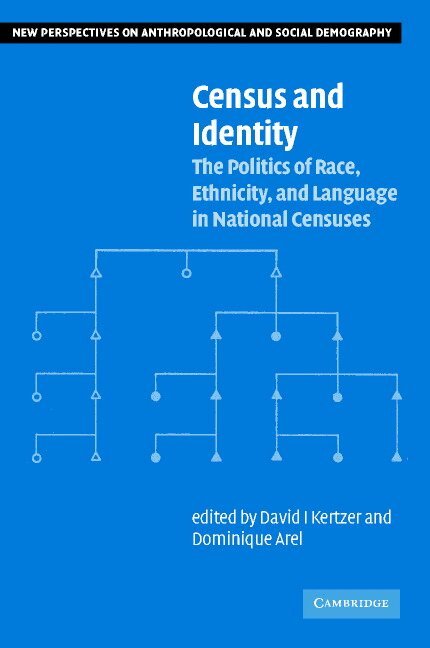
Census and Identity
The Politics of Race, Ethnicity, and Language in National Censuses
Av David I. Kertzer, Dominique Arel
Häftad, 2001
487 kr
Lägg i varukorg
The Politics of Race, Ethnicity and Language in National Censuses examines the ways that states have attempted to pigeon-hole the people within their boundaries into racial, ethnic, and language categories. These attempts, whether through American efforts to divide the US population into mutually …
Ukraine's Unnamed War
Before the Russian Invasion of 2022
Av Jesse Driscoll, Dominique Arel
E-bok, 2023
426 kr
Lägg i varukorg
The Russian invasion of Ukraine in 2022 has its roots in the events of 2013–2014. Russia cynically termed the seditionist conflict in Crimea and Eastern Donbas a ''civil war'' in order to claim non-involvement. This flies in the face of evidence, but the authors argue that the social science …
Ukraine's Unnamed War
Before the Russian Invasion of 2022
Av Jesse Driscoll, Dominique Arel
E-bok, 2023
440 kr
Lägg i varukorg
The Russian invasion of Ukraine in 2022 has its roots in the events of 2013–2014. Russia cynically termed the seditionist conflict in Crimea and Eastern Donbas a ''civil war'' in order to claim non-involvement. This flies in the face of evidence, but the authors argue that the social science …
Ukraine's Unnamed War
Before the Russian Invasion of 2022
Av Dominique Arel, Jesse Driscoll
Inbunden, 2023
1432 kr
Lägg i varukorg
The Russian invasion of Ukraine in 2022 has its roots in the events of 2013-2014. Russia cynically termed the seditionist conflict in Crimea and Eastern Donbas a 'civil war' in order to claim non-involvement. This flies in the face of evidence, but the authors argue that the social science …