Don E. Fehrenbacher – författare
Visar alla böcker från författaren Don E. Fehrenbacher. Handla med fri frakt och snabb leverans.
9 produkter
Slavery, Law, and Politics
The Dred Scott Case in Historical Perspective
E-bok, 1981
218 kr
Lägg i varukorg
This is an abridgement of the Pulitzer-Prize winning The Dred Scott Case, making Fehrenbacher''s monumental work available to a wider audience. Although it condenses the original by half, all the chapters and major themes of the larger work have been retained, providing a masterful review of the …
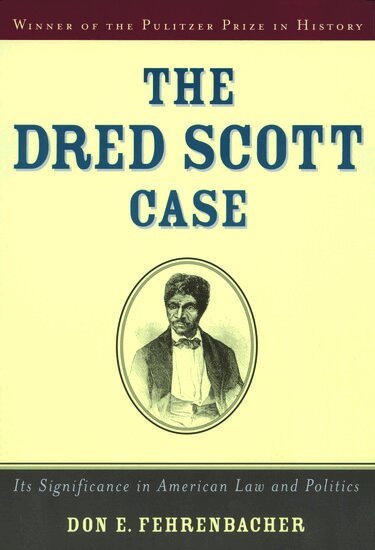
The Dred Scott Case
Its Significance in American Law and Politics
Inbunden, 1978
1085 kr
Lägg i varukorg
Studies this famous case of judicial failure, and discusses the legal bases of slavery, the debate over the Constitution, and the dispute over slavery and continental expansion.
Slavery, Law, and Politics
Häftad, 1981
334 kr
Lägg i varukorg
This is an abridgement of the Pulitzer-Prize winning The Dred Scott Case, making Fehrenbacher's monumental work available to a wider audience. Although it condenses the original by half, all the chapters and major themes of the larger work have been retained, providing a masterful review of the …
The Dred Scott Case
Its Significance in American Law and Politics
Häftad, 2001
485 kr
Lägg i varukorg
Winner of the Pulitzer Prize in 1979, this masterful examination of the most famous example of judicial failure--the case referred to as "the most frequently overturned decision in history."On March 6, 1857, Chief Justice Roger B. Taney delivered the Supreme Court's decision against Dred Scott, a …
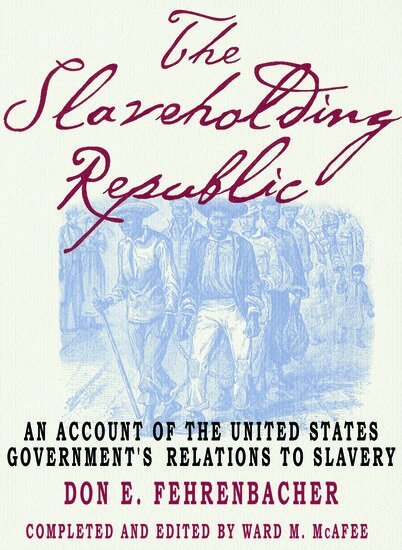
The Slaveholding Republic
An Account of the United States Government's Relations to Slavery
Av Don E. Fehrenbacher, Ward M. McAfee
Häftad, 2002
418 kr
Lägg i varukorg
Many leading historians have argued that the Constitution of the United States was a proslavery document. But in The Slaveholding Republic, one of America's most eminent historians refutes this claim in a landmark history that stretches from the Continental Congress to the Presidency of Abraham …
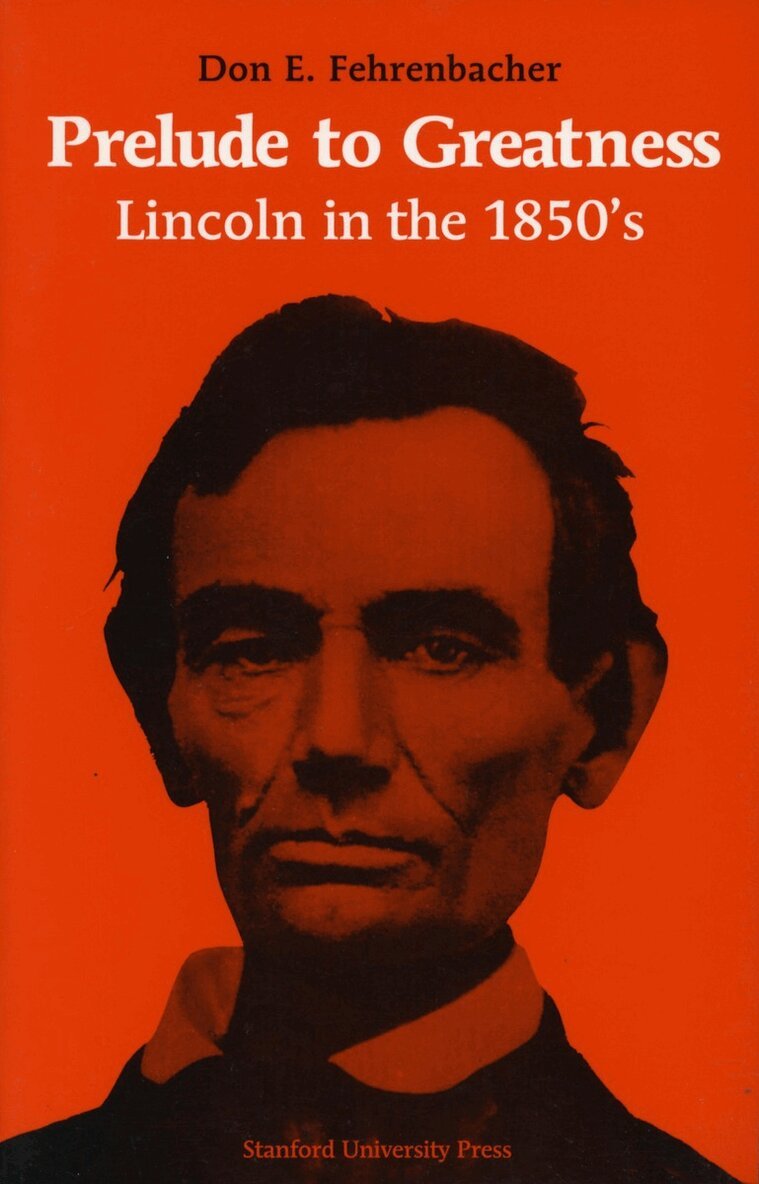
Prelude to Greatness
Lincoln in the 1850's
Häftad, 1962
296 kr
Lägg i varukorg
A Stanford University Press classic.
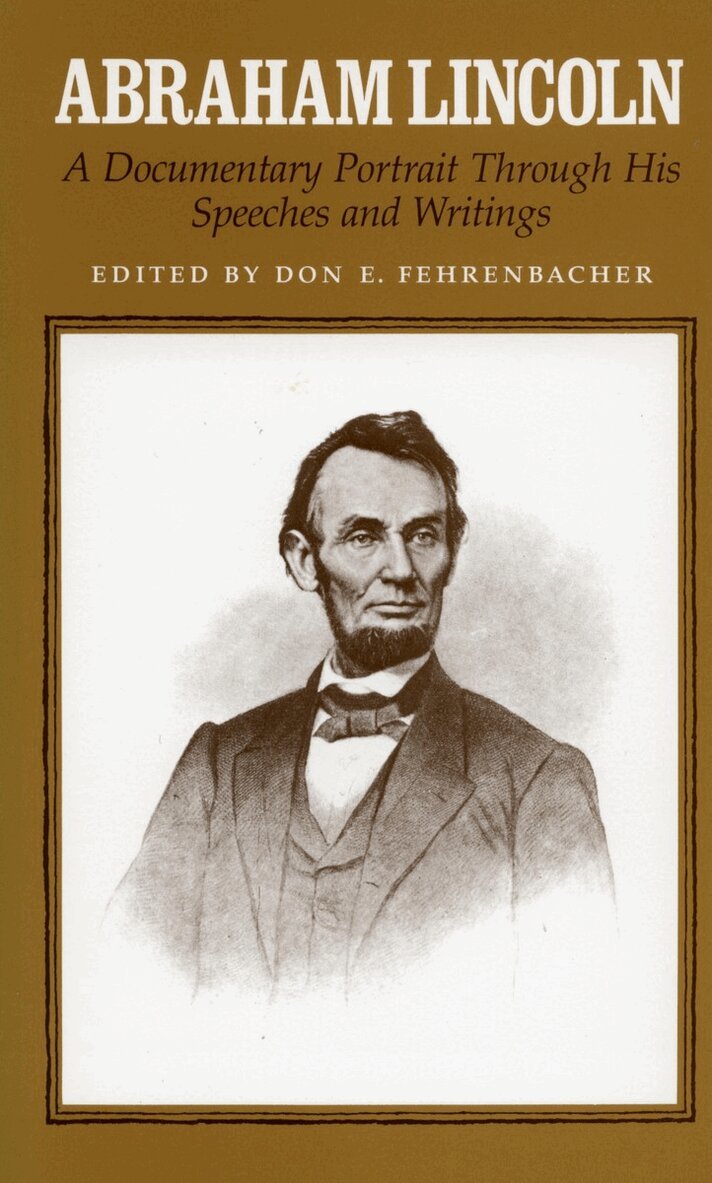
Abraham Lincoln
A Documentary Portrait Through His Speeches and Writings
Häftad, 1964
409 kr
Lägg i varukorg
A Stanford University Press classic.
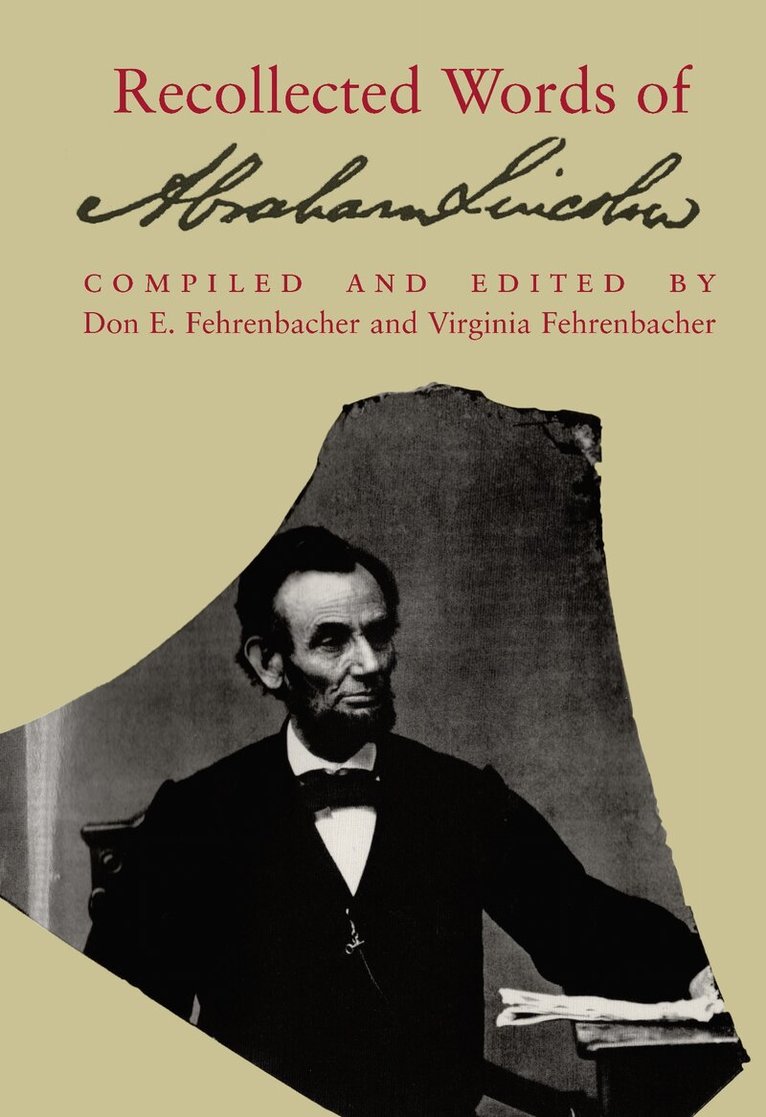
Recollected Words of Abraham Lincoln
Av Don E. Fehrenbacher, Virginia Fehrenbacher
Inbunden, 1996
1198 kr
Lägg i varukorg
This is the first comprehensive collection of remarks attributed to Abraham Lincoln by his contemporaries. Much of what is known or believed about the man comes from such utterances, which have been an important part of Lincoln biography. About his mother, for instance, he never wrote anything …
Tradition, Conflict, and Modernization
Perspectives on the American Revolution
Av Don E. Fehrenbacher, Richard Maxwell Brown
E-bok, 2013
370 kr
Lägg i varukorg
Tradition, Conflict, and Modernization: Perspectives on the American Revolution aims to expand knowledge on the intellectual character of the Revolution, its relation to the trend of modernization, and its standing as a manifestation of social conflict. The book discusses the American revolution in …