Don Higginbotham – författare
Visar alla böcker från författaren Don Higginbotham. Handla med fri frakt och snabb leverans.
8 produkter
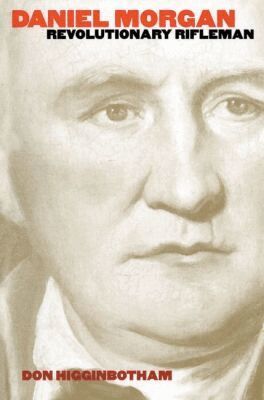
Daniel Morgan
Revolutionary Rifleman
Häftad, 1979
401 kr
Lägg i varukorg
Over the vast distances and rough terrain of the Revolutionary War, the tactics that Daniel Morgan had learned in Indian fighting--the thin skirmish line, the stress upon individual marksmanship, the hit-and-run mobility--were an important element of his success as a commander. He combined this …
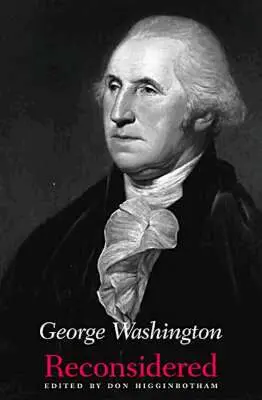
George Washington Reconsidered
Häftad, 2001
335 kr
Lägg i varukorg
George Washington, heroic general of the Revolution, master of Mount Vemon, and first president of the United States, remains the most enigmatic figure of the founding generation, with historians and the public at large still arguing over the strengths of his character and the nature of his …
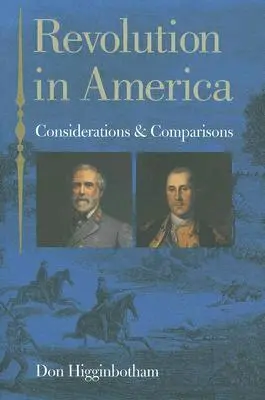
Revolution in America
Considerations and Comparisons
Inbunden, 2005
751 kr
Lägg i varukorg
Our nation has produced comparatively few statesmen since the eighteenth century - only Abraham Lincoln and Franklin Roosevelt seem to clearly qualify - whereas the American Revolution elevated several of its key players to a status of the first political order. Even the shortest list must include …
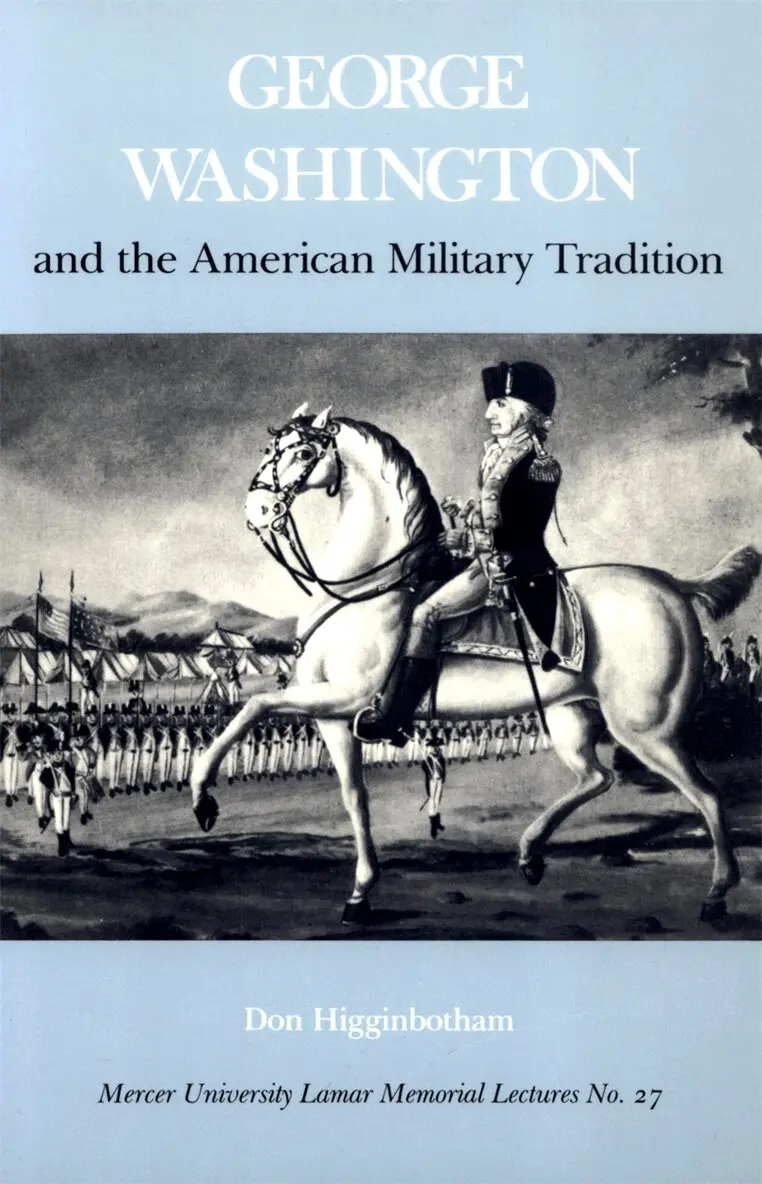
George Washington and the American Military Tradition
Häftad, 2004
426 kr
Lägg i varukorg
In George Washington and the American Military Tradition, Don Higginbotham investigates the interplay of militiaman and professional soldier, of soldier and legislator, that shaped George Washington’s military career and ultimately fostered the victory that brought independence to our nation. …
Reconsiderations on the Revolutionary War
Selected Essays
Av R. Don Higginbotham, Jay Luvaas m. fl.
Inbunden, 1978
955 kr
Lägg i varukorg
Daniel Morgan
Revolutionary Rifleman
E-bok, 2013
294 kr
Lägg i varukorg
Over the vast distances and rough terrain of the Revolutionary War, the tactics that Daniel Morgan had learned in Indian fighting — the thin skirmish line, the stress upon individual marksmanship, the hit-and-run mobility — were an important element of his success as a commander. He combined this …
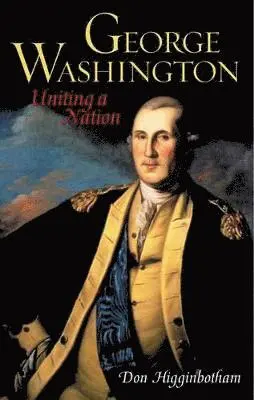
George Washington
Uniting a Nation
Inbunden, 2002
279 kr
Tillfälligt slut
In 1776, thirteen colonies declared their independence from Britain. Although they came together to fight a war, the colonies were far from a unified nation. In George Washington: Uniting a Nation, Don Higginbotham argues that Washington's greatest contribution to American life was creating a sense …
Revolution in America
Considerations and Comparisons
Häftad, 2005
281 kr
Tillfälligt slut
Our nation has produced comparatively few statesmen since the eighteenth century - only Abraham Lincoln and Franklin Roosevelt seem to clearly qualify - whereas the American Revolution elevated several of its key players to a status of the first political order. Even the shortest list must include …