Donald J. Berthrong - Böcker
Visar alla böcker från författaren Donald J. Berthrong. Handla med fri frakt och snabb leverans.
3 produkter
3 produkter
322 kr
Skickas inom 10-15 vardagar
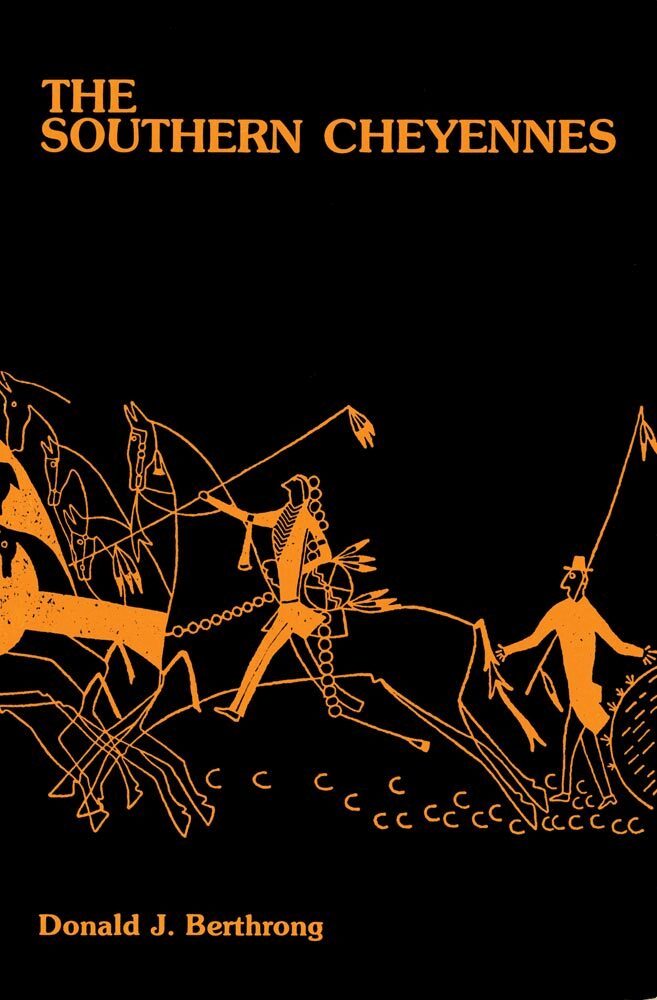
For almost fifty years George Bird Grinnell's great work The Fighting Cheyennes has stood unrevised and virtually unchallenged as the definitive account of the struggles of the Cheyenne Indians to preserve their way of life. Now Donald J. Berthrong has re-examined Grinnell's findings and searched historical records unavailable to or not used by Grinnell to verify or correct his conclusions. The result is this accurate, highly interesting account of the Cheyennes' life on the Great Plains, their system of government and religion, and their relation to the fur and hide trade during their last years of freedom.After nearly two centuries of fighting other Indians and whites for their lands, in the eighteenth century the Cheyenne's were forced to shift their range from the Minnesota River Valley to the Central and Southern Plains. From 1861 through 1875, they fought to maintain their free, nomadic existence. There were bloody wars with territorial forces and federal troops, and a few years of intermittent peace and retaliation (including the massacre at Sand Creek in 1864).Finally, after the intensive winter campaign of 1874-75, the fierce Southern Cheyenne's were brought to bay by the U.S. Army and herded onto a reservation in western Indian Territory (now Oklahoma). Their turbulent, colorful history related by Berthrong will interest the general reader as well as the historian and anthropologist.
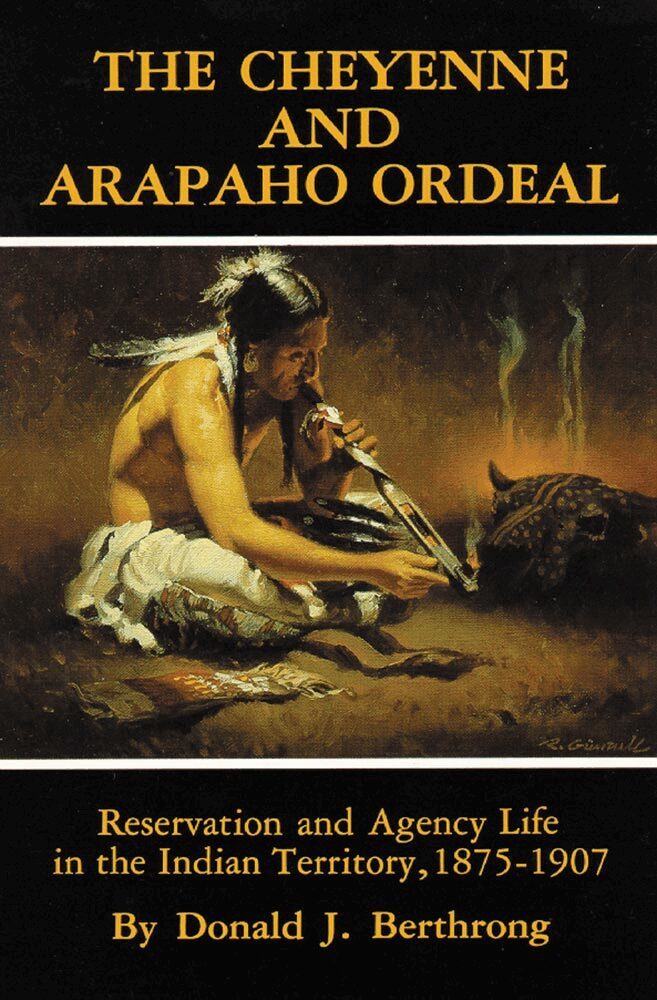
Cheyenne and Arapaho Ordeal
Reservation and Agency Life in the Indian Territory, 1875–1907
Häftad, Engelska, 2014
240 kr
Skickas inom 10-15 vardagar
This book recounts the reservation period of the Cheyennes and the Arapahoes in western Oklahoma and the following fifteen years. It is an investigation-and an indictment-of the assimilation and reservation policies thrust upon them in the latter half of the nineteenth century, policies that succeeded only in doing enormous damage to sturdy, vital people.Confined to a reservation in the Indian Territory in 1875, the Southern Cheyennes and their neighbors, the Arapahoes, traditionally hunting and mobile societies, were forced into the federal government's image of ""educated, Christian farmer-citizens."" Lacking the support of adequate appropriations or protective legislation, the Cheyennes' lives were dominated by hunger, disease, and despair. Continuing niggardliness on the part of Congress in providing adequate agricultural equipment and instruction and an environment hostile to cultivation made agricultural self-sufficiency all but impossible.The continued reduction of their land base through allotments under the 1887 Dawes Act and later leasing and sale of land to whites further eroded the Indians' meager sources of income and security. An educational policy that left Cheyenne children without hope of jobs, the banning of traditional religious ceremonies, the prejudice of white citizens and institutions, and the undermining of the roles of head men and medicine men led to further despair.But, as the author demonstrates, despite these crushing burdens and in the face of the slow and inevitable changes in the society, the Southern Cheyennes retained their identity, a testimony to their courage and character.This well-documented, compassionate account of the ordeal of the two tribes serves as a classic example of what happened to America's Indians at the hands of the whites.
276 kr
Skickas inom 10-15 vardagar
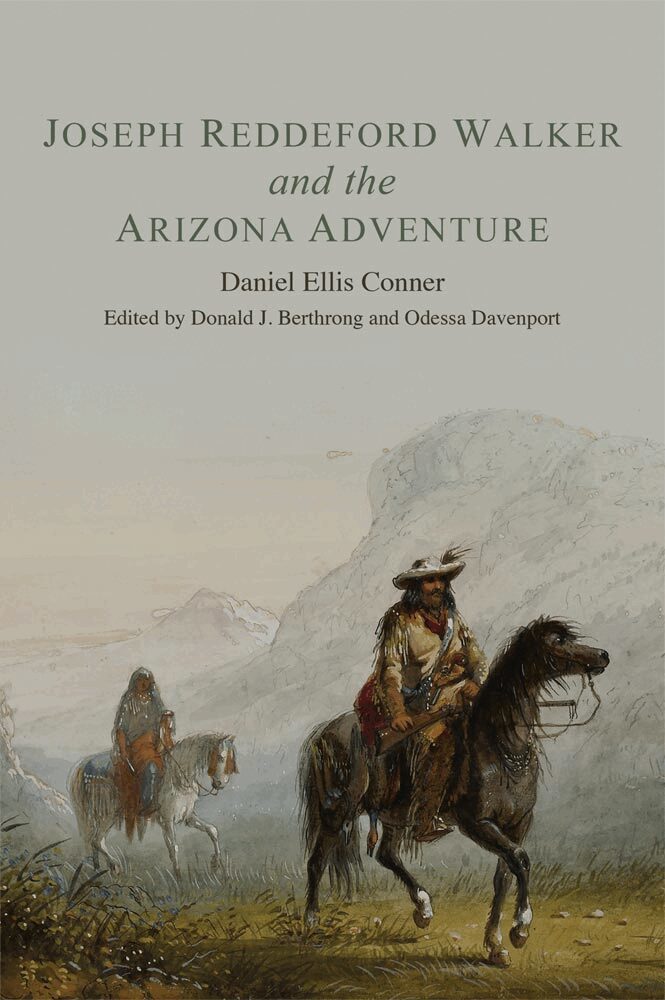
Joseph Reddeford Walker looms large in the lore of the early West. From the Missouri to the San Joaquin, from the Gila to the Yellowstone, Walker spent more than thirty years - from the 1830s to the Civil War - trapping beaver in the Rockies, bartering with the Crow, Ute, Cheyenne, Arapahoe, and Shoshone Indians, droving cattle and horses, and guiding emigrants and explorers.Walker was associated with Captain Bonneville in the fur trade from 1832 to 1835, but we have only an incomplete account these years in Washington Irving's, The Adventures of Captain Bonneville and Zenas Leonards, Narrative. But the twist of fate that threw Daniel Ellis Conner into Walker's party, en route from Colorado to explore Arizona in 1861, affords us several hundred manuscript pages, Conner's four-year travel diary, relating his hair-raising adventures with this great mountain man.Joseph Reddeford Walker and the Arizona Adventure offers a superb chapter in the history of the West. Included are tales of the early Apache wars in New Mexico and Arizona; ""The Betrayal of Mangas Coloradas,"" with Conner's eyewitness account of the Apache chief's death; the emigrant trains to California; early settlement; mining operations, in ""The Perils of Prospecting,"" and countless episodes of action and violence that make fictional accounts pale in comparison.