Donald W. Davis - Böcker
Visar alla böcker från författaren Donald W. Davis. Handla med fri frakt och snabb leverans.
2 produkter
2 produkter
345 kr
Skickas inom 3-6 vardagar
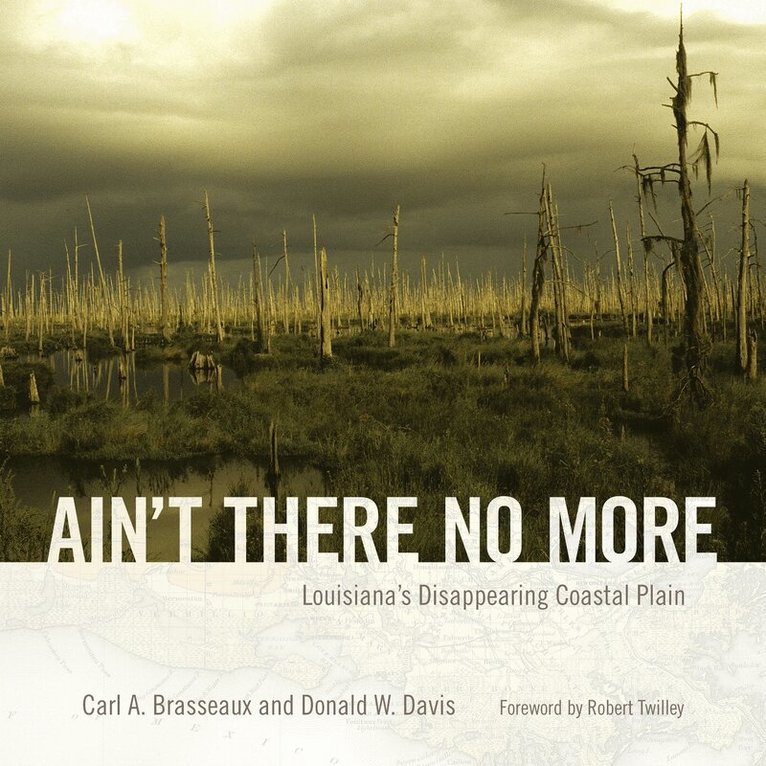
For centuries, outlanders have openly denigrated Louisiana's coastal wetlands residents and their stubborn refusal to abandon the region's fragile prairies tremblants despite repeated natural and, more recently, man-made disasters. Yet, the cumulative environmental knowledge these wetlands survivors have gained through painful experiences over the course of two centuries holds invaluable keys to the successful adaptation of modern coastal communities throughout the globe. As Hurricane Sandy recently demonstrated, coastal peoples everywhere face rising sea levels, disastrous coastal erosion, and, inevitably, difficult lifestyle choices.Along the Bayou State's coast the most insidious challenges are man-made. Since channelization of the Mississippi River in the wake of the 1927 flood, which diverted sediments and nutrients from the wetlands, coastal Louisiana has lost to erosion, subsidence, and rising sea levels a land mass roughly twice the size of Connecticut. State and national policymakers were unable to reverse this environmental catastrophe until Hurricane Katrina focused a harsh spotlight on the human consequences of eight decades of neglect. Yet, even today, the welfare of Louisiana's coastal plain residents remains, at best, an afterthought in state and national policy discussions.For coastal families, the Gulf water lapping at the doorstep makes this morass by no means a scholarly debate over abstract problems. Ain't There No More renders an easily read history filled with new insights and possibilities. Rare, previously unpublished images documenting a disappearing way of life accompany the narrative. The authors bring nearly a century of combined experience to distilling research and telling this story in a way invaluable to Louisianans, to policymakers, and to all those concerned with rising sea levels and seeking a long-term solution.
384 kr
Skickas inom 7-10 vardagar
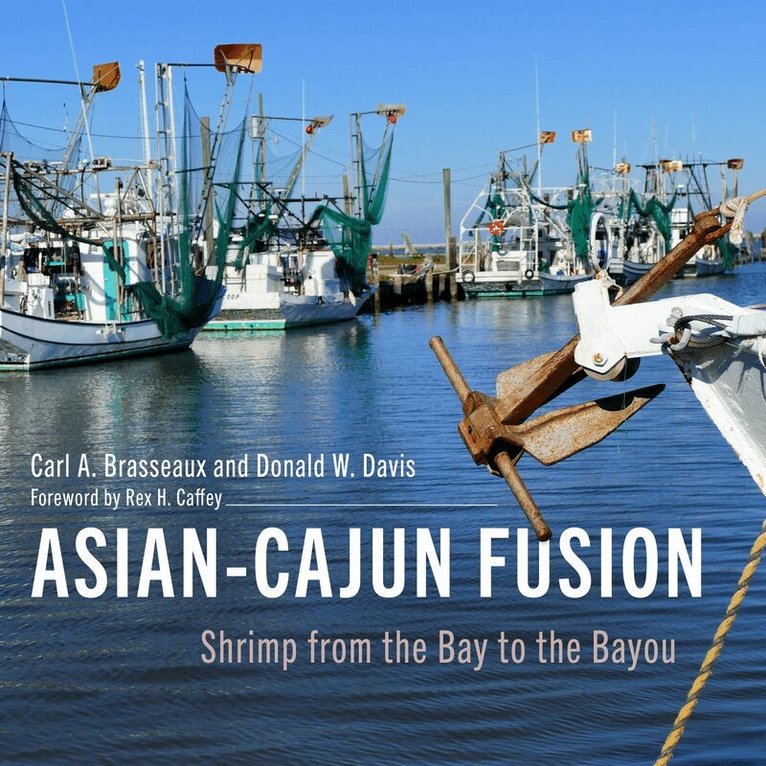
Shrimp is easily America’s favorite seafood, but its very popularity is the wellspring of problems that threaten the shrimp industry’s existence. Asian-Cajun Fusion: Shrimp from the Bay to the Bayou provides insightful analysis of this paradox and a detailed, thorough history of the industry in Louisiana.Dried shrimp technology was part of the cultural heritage Pearl River Chinese immigrants introduced into the Americas in the mid-nineteenth century. As early as 1870, Chinese natives built shrimp-drying operations in Louisiana’s wetlands and exported the product to Asia through the port of San Francisco. This trade internationalized the shrimp industry. About three years before Louisiana’s Chinese community began their export endeavors, manufactured ice became available in New Orleans, and the Dunbar family introduced patented canning technology. The convergence of these ancient and modern technologies shaped the evolution of the northern Gulf Coast’s shrimp industry to the present.Coastal Louisiana’s historic connection to the Pacific Rim endures. Not only does the region continue to export dried shrimp to Asian markets domestically and internationally, but since 2000 the region’s large Vietnamese immigrant population has increasingly dominated Louisiana’s fresh shrimp harvest. Louisiana shrimp constitute the American gold standard of raw seafood excellence. Yet, in the second decade of the twenty-first century, cheap imports are forcing the nation’s domestic shrimp industry to rediscover its economic roots. "Fresh off the boat" signs and real-time internet connections with active trawlers are reestablishing the industry’s ties to local consumers. Direct marketing has opened the industry to middle-class customers who meet the boats at the docks. This "right off the boat" paradigm appears to be leading the way to reestablishment of sustainable aquatic resources. All-one-can-eat shrimp buffets are not going to disappear, but the Louisiana shrimp industry’s fate will ultimately be determined by discerning consumers’ palates.