Donald W. Light - Böcker
Visar alla böcker från författaren Donald W. Light. Handla med fri frakt och snabb leverans.
5 produkter
5 produkter
812 kr
Skickas inom 3-6 vardagar
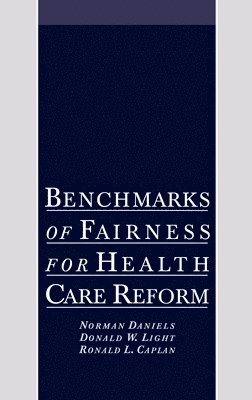
Health care services are rapidly changing in ways that seem increasingly inaccessible and unfair to millions of Americans. Yet what does "unfair" mean and how should our system be changed to make it more "fair"?This book addresses these probing questions by providing a universal definition of fairness and a set of criteria to measure which health care reform policies are more fair and why. The book comprises the efforts of a leading moral philosopher of health care, an internationally known sociologist of health care systems, and a health economist who join forces to transpose for the first time the universal moral concept. Through examples, they show how leaders and experts in various realms of public policy could develop criteria for applying concepts of moral philosophy to different fields. The book is original and controversial because it actually scores four major proposals for health care reform that exemplify the most prevalent ideas of the 1990s in state and national circles. Although some reform ideas fare much better than others, the author finds all proposals wanting, especially in establishing open, democratic procedures for deciding the limits of care. The authors give special attention to what market-based reforms need to do to be fair to everyone. They also assess the current changes brought on by the rapid growth of managed care systems since the collapse of national reform.Benchmarks of Fairness should be read by every citizen, physician, nurse, employer and politician who wants to educate themselves about fairness and who is interested in assessing the fairness of health care reforms.
1 062 kr
Skickas inom 3-6 vardagar
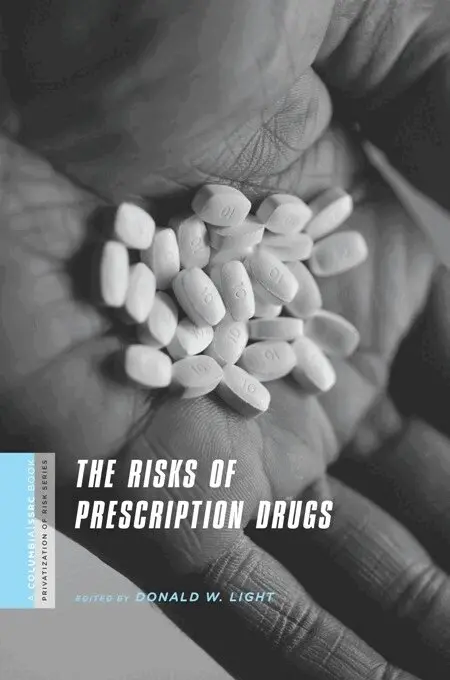
Few people realize that prescription drugs have become a leading cause of death, disease, and disability. Adverse reactions to widely used drugs, such as psychotropics and birth control pills, as well as biologicals, result in FDA warnings against adverse reactions. The Risks of Prescription Drugs describes how most drugs approved by the FDA are under-tested for adverse drug reactions, yet offer few new benefits. Drugs cause more than 2.2 million hospitalizations and 110,000 hospital-based deaths a year. Serious drug reactions at home or in nursing homes would significantly raise the total. Women, older people, and people with disabilities are least used in clinical trials and most affected. Health policy experts Donald Light, Howard Brody, Peter Conrad, Allan Horwitz, and Cheryl Stults describe how current regulations reward drug companies to expand clinical risks and create new diseases so millions of patients are exposed to unnecessary risks, especially women and the elderly. They reward developing marginally better drugs rather than discovering breakthrough, life-saving drugs.The Risks of Prescription Drugs tackles critical questions about the pharmaceutical industry and the privatization of risk. To what extent does the FDA protect the public from serious side effects and disasters? What is the effect of giving the private sector and markets a greater role and reducing public oversight? This volume considers whether current rules and incentives put patients' health at greater risk, the effect of the expansion of disease categories, the industry's justification of high U.S. prices, and the underlying shifts in the burden of risk borne by individuals in the world of pharmaceuticals. Chapters cover risks of statins for high cholesterol, SSRI drugs for depression and anxiety, and hormone replacement therapy for menopause. A final chapter outlines six changes to make drugs safer and more effective. Suitable for courses on health and aging, gender, disability, and minority studies, this book identifies the Risk Proliferation Syndrome that maximizes the number of people exposed to these risks. Additional Columbia / SSRC books on the privatization of risk and its implications for Americans: Bailouts: Public Money, Private ProfitEdited by Robert E.Wright Disaster and the Politics of InterventionEdited by Andrew Lakoff Health at Risk: America's Ailing Health System-and How to Heal ItEdited by Jacob S. Hacker Laid Off, Laid Low: Political and Economic Consequences of Employment InsecurityEdited by Katherine S. Newman Pensions, Social Security, and the Privatization of RiskEdited by Mitchell A. Orenstein
177 kr
Skickas inom 7-10 vardagar
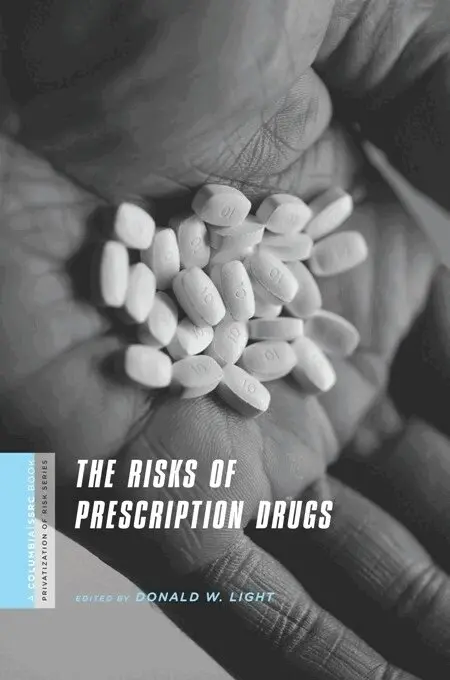
Few people realize that prescription drugs have become a leading cause of death, disease, and disability. Adverse reactions to widely used drugs, such as psychotropics and birth control pills, as well as biologicals, result in FDA warnings against adverse reactions. The Risks of Prescription Drugs describes how most drugs approved by the FDA are under-tested for adverse drug reactions, yet offer few new benefits. Drugs cause more than 2.2 million hospitalizations and 110,000 hospital-based deaths a year. Serious drug reactions at home or in nursing homes would significantly raise the total. Women, older people, and people with disabilities are least used in clinical trials and most affected. Health policy experts Donald Light, Howard Brody, Peter Conrad, Allan Horwitz, and Cheryl Stults describe how current regulations reward drug companies to expand clinical risks and create new diseases so millions of patients are exposed to unnecessary risks, especially women and the elderly. They reward developing marginally better drugs rather than discovering breakthrough, life-saving drugs.The Risks of Prescription Drugs tackles critical questions about the pharmaceutical industry and the privatization of risk. To what extent does the FDA protect the public from serious side effects and disasters? What is the effect of giving the private sector and markets a greater role and reducing public oversight? This volume considers whether current rules and incentives put patients' health at greater risk, the effect of the expansion of disease categories, the industry's justification of high U.S. prices, and the underlying shifts in the burden of risk borne by individuals in the world of pharmaceuticals. Chapters cover risks of statins for high cholesterol, SSRI drugs for depression and anxiety, and hormone replacement therapy for menopause. A final chapter outlines six changes to make drugs safer and more effective. Suitable for courses on health and aging, gender, disability, and minority studies, this book identifies the Risk Proliferation Syndrome that maximizes the number of people exposed to these risks. Additional Columbia / SSRC books on the privatization of risk and its implications for Americans: Bailouts: Public Money, Private ProfitEdited by Robert E.Wright Disaster and the Politics of InterventionEdited by Andrew Lakoff Health at Risk: America's Ailing Health System-and How to Heal ItEdited by Jacob S. Hacker Laid Off, Laid Low: Political and Economic Consequences of Employment InsecurityEdited by Katherine S. Newman Pensions, Social Security, and the Privatization of RiskEdited by Mitchell A. Orenstein
552 kr
Skickas inom 10-15 vardagar
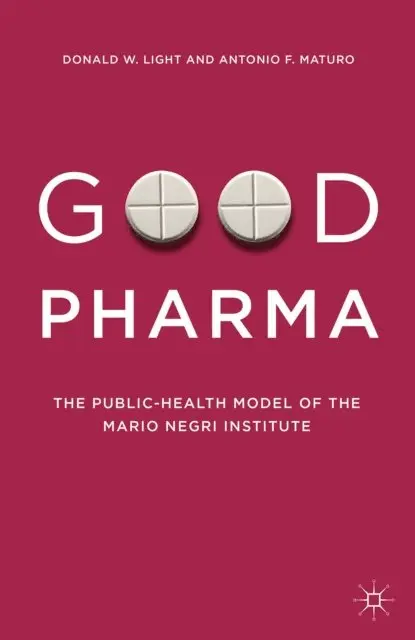
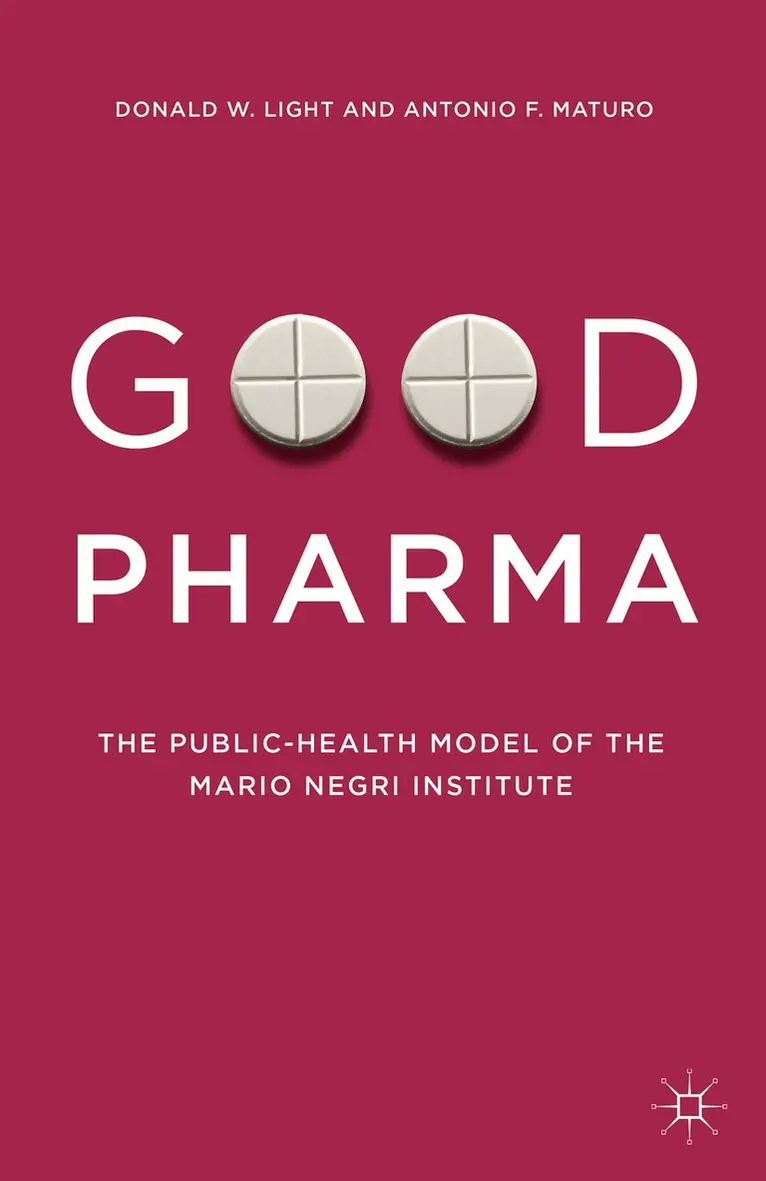
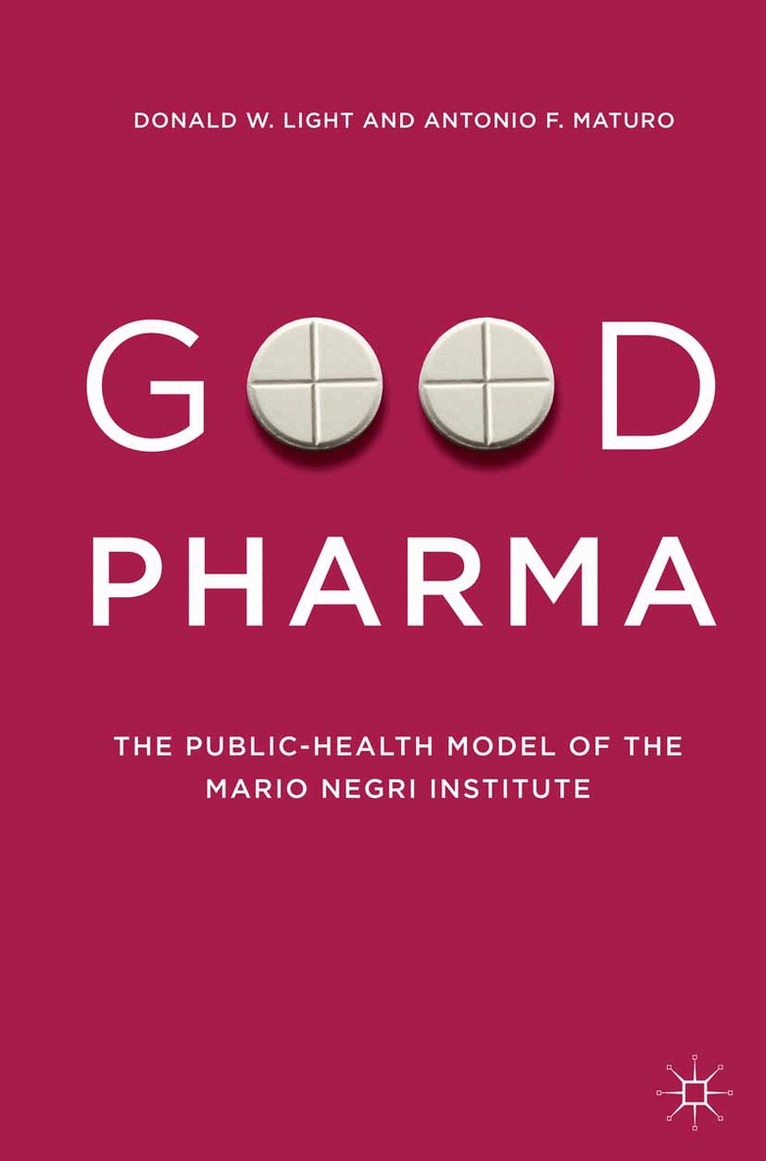
Drawing on key concepts in sociology and management, this history describes a remarkable institute that has elevated medical research and worked out solutions to the troubling practices of commercial pharmaceutical research. Good Pharma is the answer to Goldacre's Bad Pharma: ethical research without commercial distortions.
552 kr
Skickas inom 10-15 vardagar
Drawing on key concepts in sociology and management, this history describes a remarkable institute that has elevated medical research and worked out solutions to the troubling practices of commercial pharmaceutical research. Good Pharma is the answer to Goldacre's Bad Pharma: ethical research without commercial distortions.