Donald Whitcomb - Böcker
Visar alla böcker från författaren Donald Whitcomb. Handla med fri frakt och snabb leverans.
5 produkter
5 produkter
140 kr
Skickas inom 5-8 vardagar
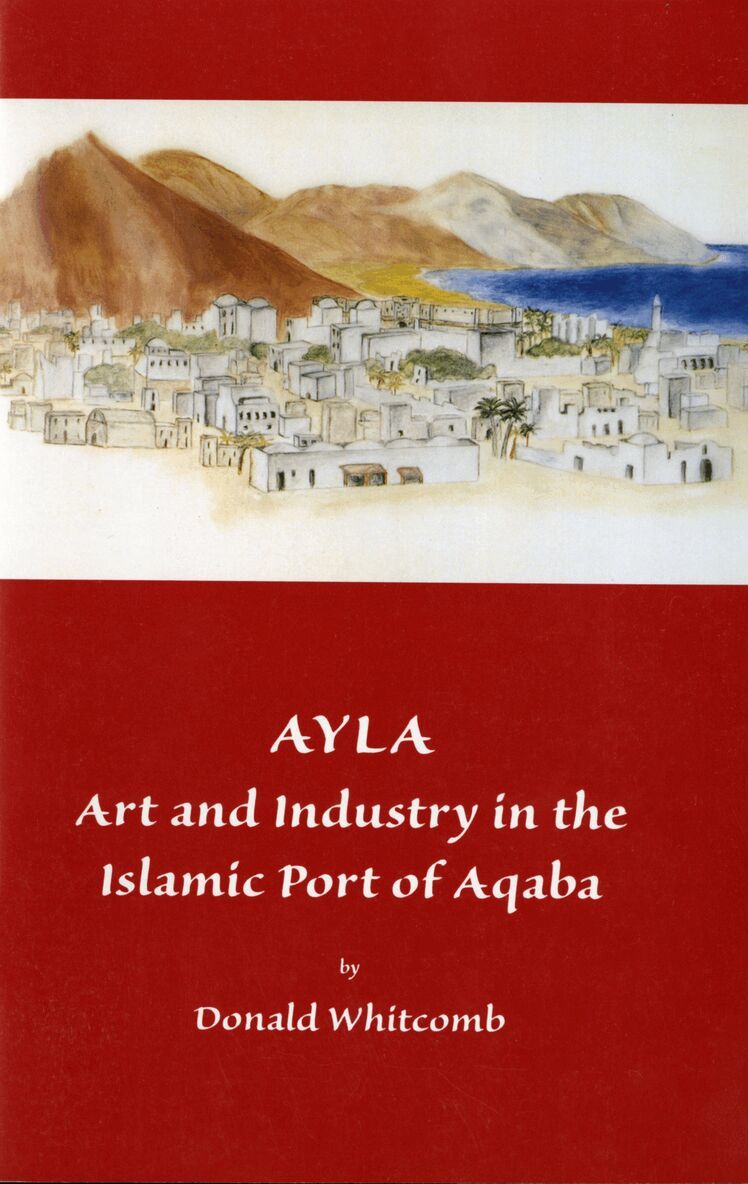
Featured are thirty-seven illustrations that highlight the magnificence that was the great Islamic port of Ayla on the Gulf of Aqaba. The site is located in modern Aqaba, Jordan and has been excavated by the Oriental Institute under the directorship of Donald Whitcomb since 1986.
246 kr
Tillfälligt slut
876 kr
Skickas inom 5-8 vardagar
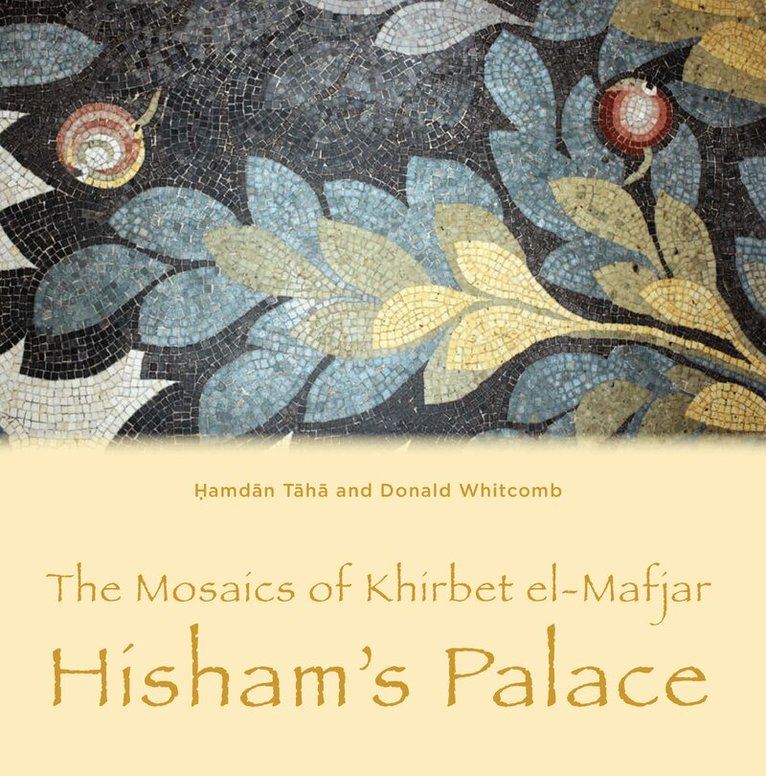
This is a presentation of beautiful colored mosaics. They originate from buildings in the oasis of Jericho and all date from the first half of the eighth century, during the time of Umayyad caliphate of the early Islamic period. Many visitors have had the privilege of seeing the mosaics revealed, but no one has experienced the impact of all these pavements since they were first excavated in the 1930s and 1940s. A few have been published, but the presentation in Hamilton and Grabar (Khirbat al Mafjar: An Arabian Mansion in the Jordan Valley, 1959) is only very fine aquarelle paintings from the originals. In 2010 the Department of Antiquities and Cultural Heritage uncovered, cleaned, and assessed the state of conservation of these mosaics. A series of high-quality digital photographs was prepared by a team from the Department, composed of M. Diab, N. Khatib, Said Ghazal, Rafaat Sharaia, and I. Hamdan, under the direction of ?. Taha, from which the present selection is offered for study and appreciation of this triumph in early Islamic art. These images speak for themselves.
Del 4 - Studies in Ancient Cultures
Insights into Islamic Archaeology and Material Culture
A Conference in Jerusalem
Häftad, Engelska, 2025
1 221 kr
Skickas inom 5-8 vardagar
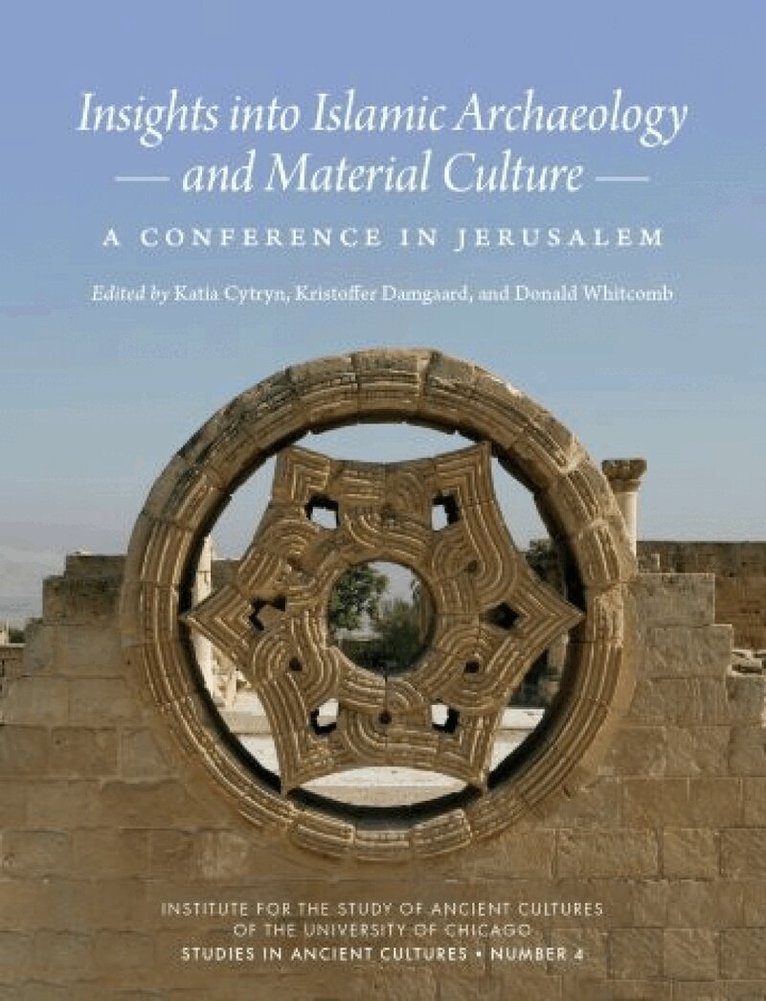
Insights into Islamic Archaeology and Material Culture explores the evolution of this dynamic field, highlighting new methodologies, interdisciplinary approaches and shifting paradigms. It examines whether the means and goals of Islamic archaeology have changed significantly from those that defined the discipline's major advances in the twentieth century. The book's fourteen contributors reassess long-held perspectives, emphasizing the need to move beyond orientalist interpretations and historiographic dependencies and instead foster a more neutral and analytical approach to early Islamic material culture. The collection showcases research on key sites such as Qusayr 'Amra, Khirbat al-Mafjar and al-Sinnabra and offers fresh views on settlement patterns, agricultural economies, and the sociopolitical functions of Umayyad palaces, among other topics.The volume also highlights the interplay among archaeology, conservation and cultural heritage studies, illustrating how technical advances—such as the conservation of Qusayr 'Amra's frescoes—have reshaped scholars' understanding of early Islamic visual culture. Its essays challenge established narratives of cultural decline following the rise of Islam, demonstrating instead a dynamic period of adaptation, innovation and exchange still reflected in later eras, as evidenced by Islamic interactions with the Frankish world. Insights into Islamic Archaeology and Material Culture serves as both a reassessment of the field's past and a blueprint for its future, advocating for an inclusive approach integrating archaeology with the broader humanities and social sciences.
Del 1 - ISAC Seminars
Changing Social Identity with the Spread of Islam
Archaeological Perspectives
Häftad, Engelska, 2004
291 kr
Skickas inom 5-8 vardagar
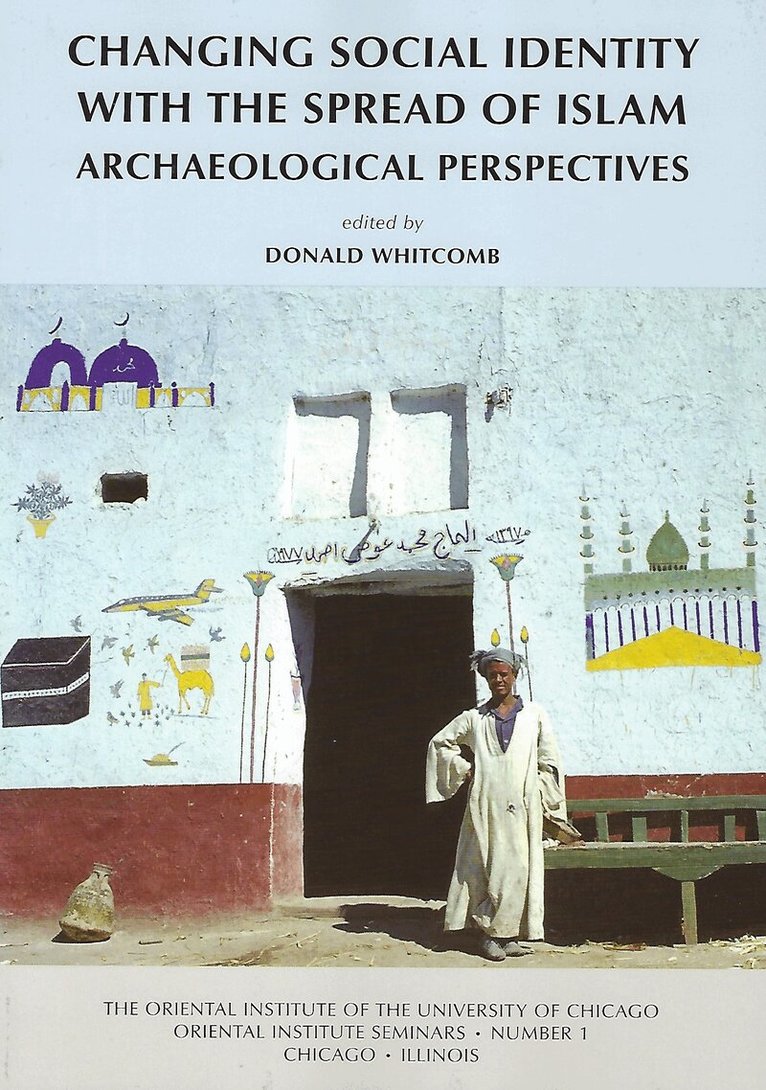
This volume addresses the topical interest in Islam, studying the process of its spread throughout the medieval world and the process of conversion to this religion and adoption of its cultural life. The evidence is presented in a series of essay reports on archaeological approaches in current Islamic Archaeology. These papers are the result of a seminar that attempted a comparative analysis of widely different regions and periods, based on archaeological monuments or artefacts, exploring processes of adaptation or adjustment to local cultural complexes. Islam may be seen as a religion, political system, and cultural complex, a trinity of inseparable aspects. The introduction of these variable characteristics of Islam, during initial contact and afterwards, resulted in changes in identity approached as a sort of "cognitive" archaeology. In each specific case, the author assesses the nature of the pre-Islamic regional tradition, the resulting plurality of cultures as a "multi-cultural" society, and finally a resultant normative condition as a regional or cosmopolitan culture. This exposure to unfamiliar subjects and archaeological perspectives offers a potential for more abstract, comparative modelling in future historical research.