Doris Behrens- Abouseif – författare
Visar alla böcker från författaren Doris Behrens- Abouseif. Handla med fri frakt och snabb leverans.
11 produkter
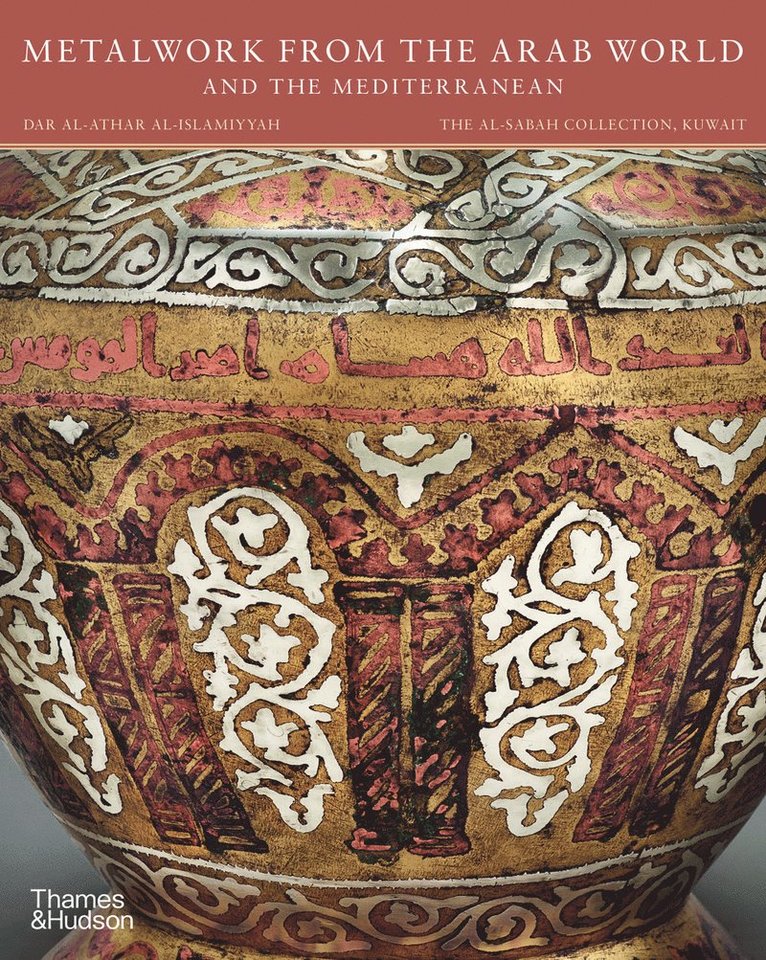
Metalwork from the Arab World and the Mediterranean
Inbunden, 2021
505 kr
Lägg i varukorg
This volume presents vessels, fittings and other objects made in Syria, Egypt, Iraq and Yemen from the early Islamic period through to the end of the Ottoman era in the 19th century. The pieces include exquisite platters, serving-vessels, candlesticks and pen-boxes produced for royal courts, but …
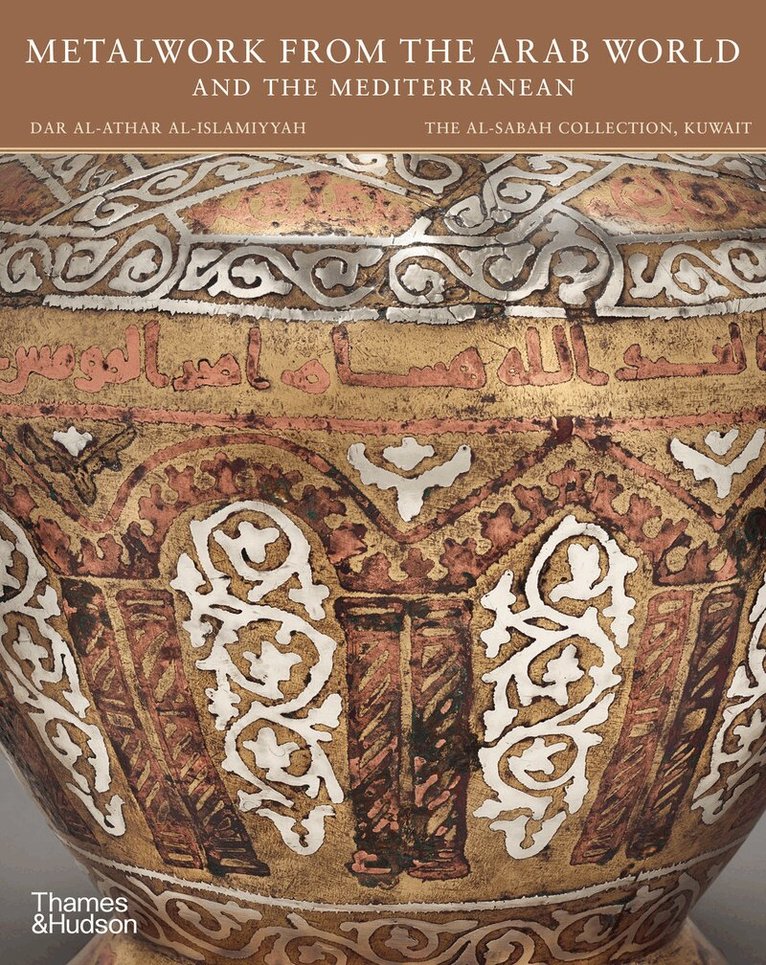
Metalwork from the Arab World and the Mediterranean
Häftad, 2026
355 kr
Kommande
‘Outstanding … a valuable addition to the literature on Islamic art’ Asia – Art – Culture Metalwork from the Arab World and the Mediterranean presents vessels, fittings and other objects from the early Islamic period through to the end of the Ottoman era in the nineteenth century. All drawn from …
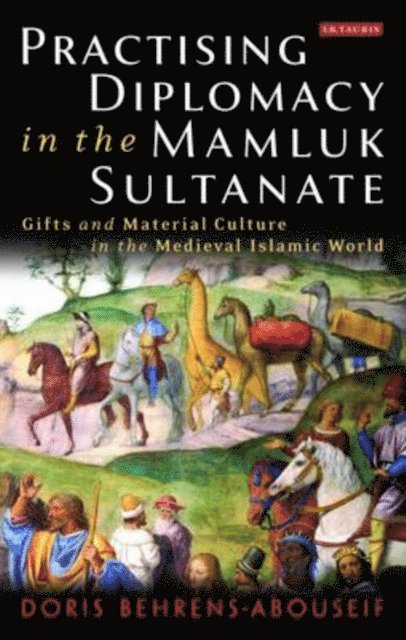
Practising Diplomacy in the Mamluk Sultanate
Gifts and Material Culture in the Medieval Islamic World
E-bok, 2014
450 kr
Lägg i varukorg
Elaborate and sensational gifts were the hallmark of Mamluk diplomacy. In firm control of the medieval spice trade as well as the holy sites of Christianity and Islam, the Sultanate's capital at Cairo became a diplomatic crossroads in the medieval world and the seat of a new Islamic caliphate. …
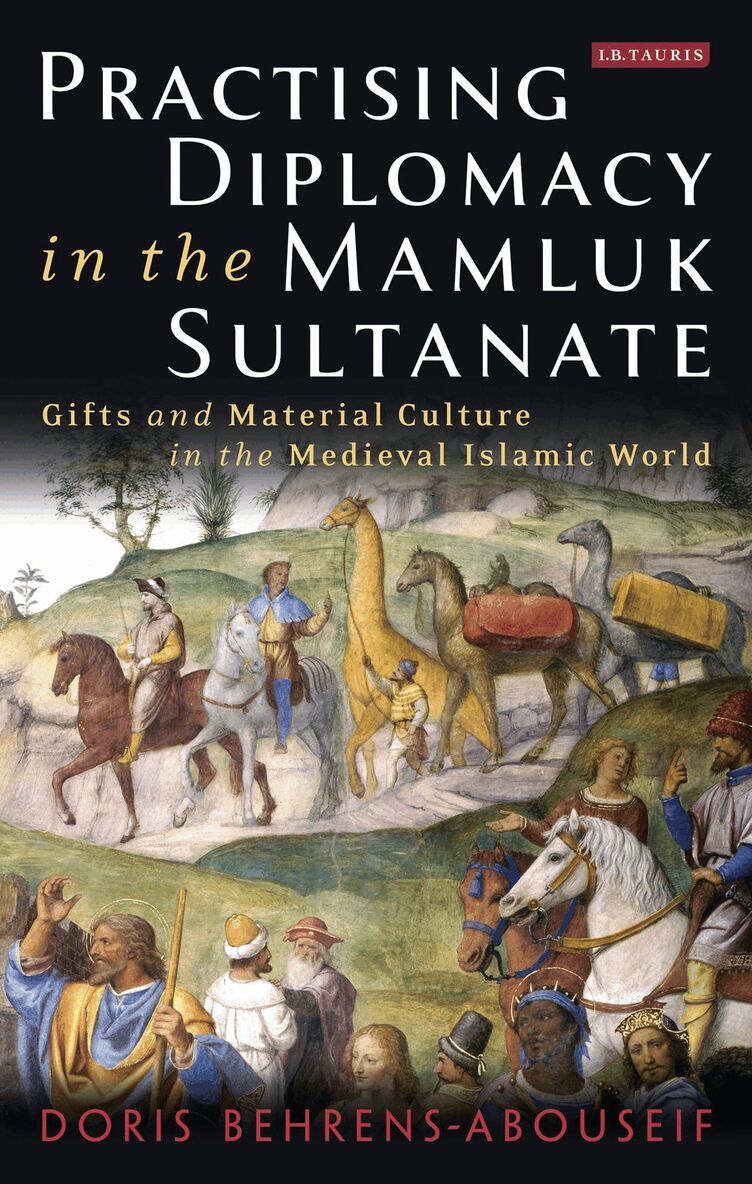
Practising Diplomacy in the Mamluk Sultanate
Gifts and Material Culture in the Medieval Islamic World
E-bok, 2014
450 kr
Lägg i varukorg
Elaborate and sensational gifts were the hallmark of Mamluk diplomacy. From Cairo, where they controlled the medieval spice trade and the holy sites of Christianity and Islam, the Mamluk Sultans - conscious of their humble slave origins - augmented their claims to legitimacy through brilliant …
Practising Diplomacy in the Mamluk Sultanate
Gifts and Material Culture in the Medieval Islamic World
Häftad, 2016
413 kr
Lägg i varukorg
Elaborate and sensational gifts were the hallmark of Mamluk diplomacy. From Cairo, where they controlled the medieval spice trade and the holy sites of Christianity and Islam, the Mamluk Sultans-conscious of their humble slave origins-augmented their claims to legitimacy through brilliant displays …
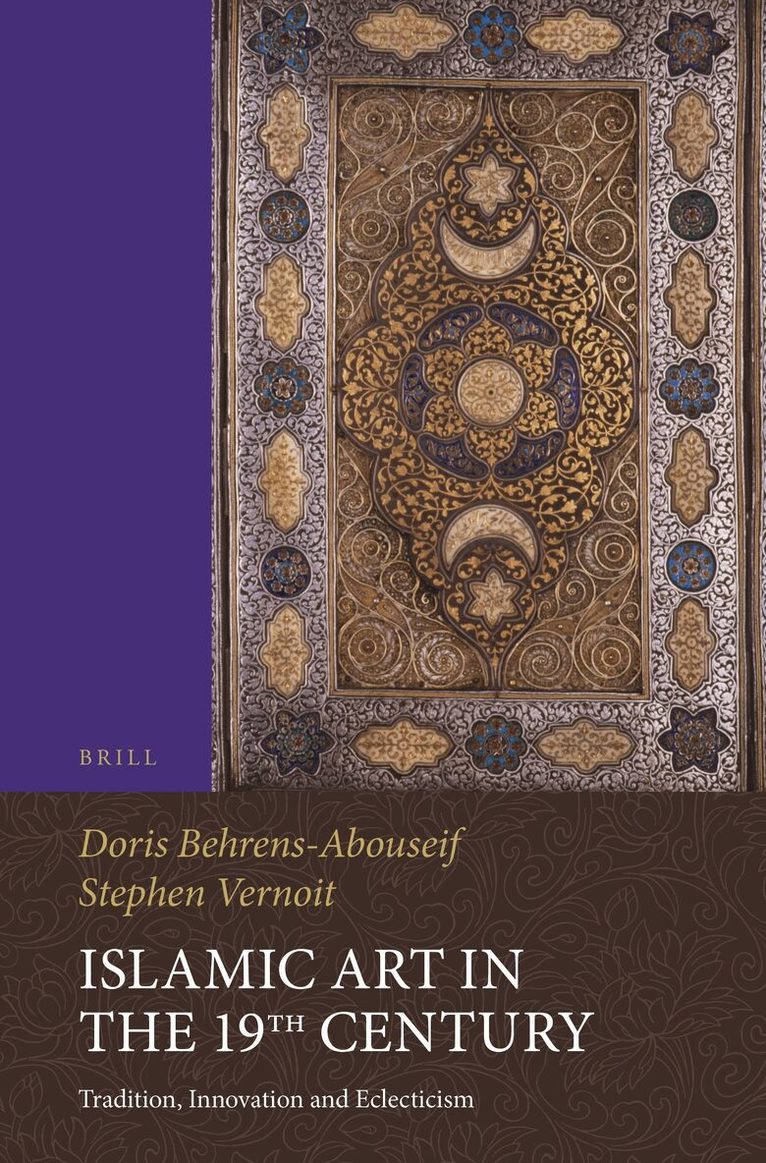
Islamic Art in the 19th Century
Tradition, Innovation, and Eclecticism
Av Doris Behrens-Abouseif, Stephen Vernoit
Inbunden, 2005
2593 kr
Lägg i varukorg
This collection of essays provides a timely reassessment of nineteenth-century Islamic art and architecture. The essays demonstrate that the arts of that era were vibrant and diverse, making ingenious use of native traditions and materials or adopting imported conventions and new technologies. …
Muqarnas, Volume 21
Essays in Honor of J.M. Rogers
Av Gülru Necipoğlu, Doris Behrens-Abouseif m. fl.
Häftad, 2004
915 kr
Lägg i varukorg
Muqarnas: An Annual on the Visual Cultures of the Islamic World is sponsored by The Aga Khan Program for Islamic Architecture at Harvard University and the Massachusetts Institute of Technology, Cambridge, Massachusetts.In Muqarnas articles are published on all aspects of Islamic visual culture, …
Islamic Art in the 19th Century
Tradition, Innovation, and Eclecticism
Av Doris Behrens-Abouseif, Stephen Vernoit
Häftad, 2015
966 kr
Lägg i varukorg
This collection of essays provides a timely reassessment of nineteenth-century Islamic art and architecture. The essays demonstrate that the arts of that era were vibrant and diverse, making ingenious use of native traditions and materials or adopting imported conventions and new technologies. …
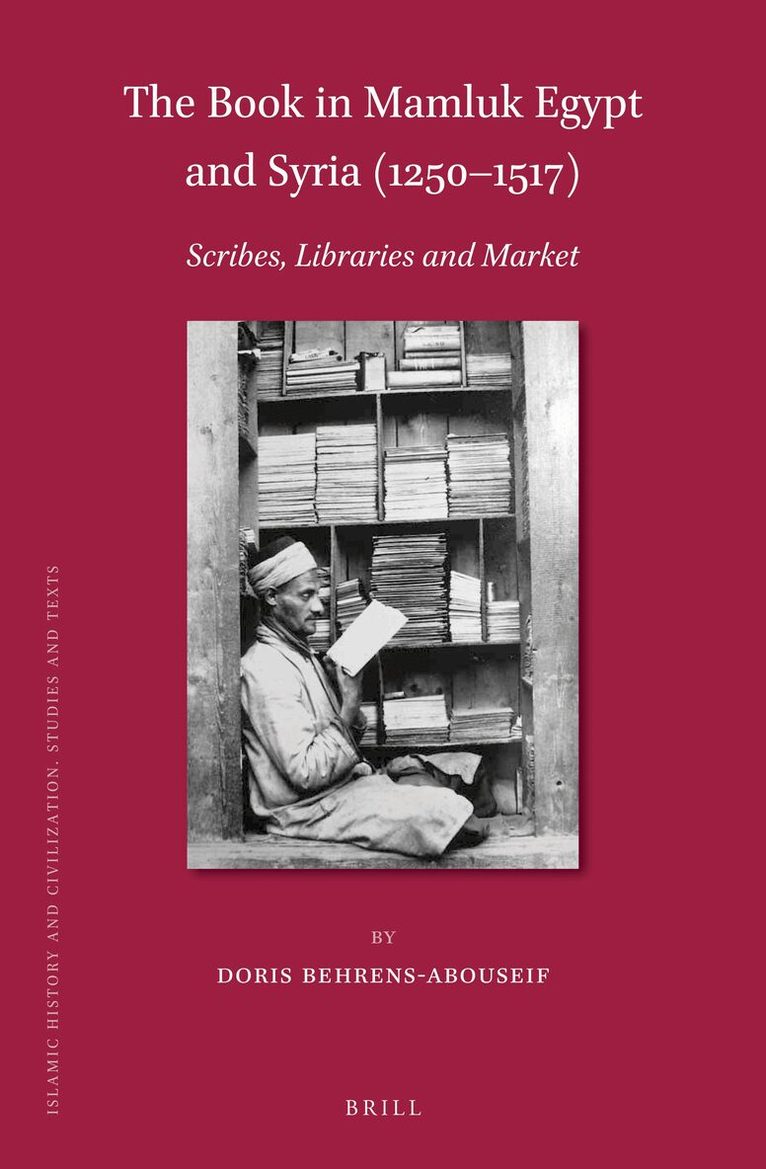
Book in Mamluk Egypt and Syria (1250-1517)
Scribes, Libraries and Market
Inbunden, 2018
2086 kr
Lägg i varukorg
This book is the first to date to be dedicated to the circulation of the book as a commodity in the Mamluk sultanate. It discusses the impact of princely patronage on the production of books, the formation and management of libraries in religious institutions, their size and their physical setting. …
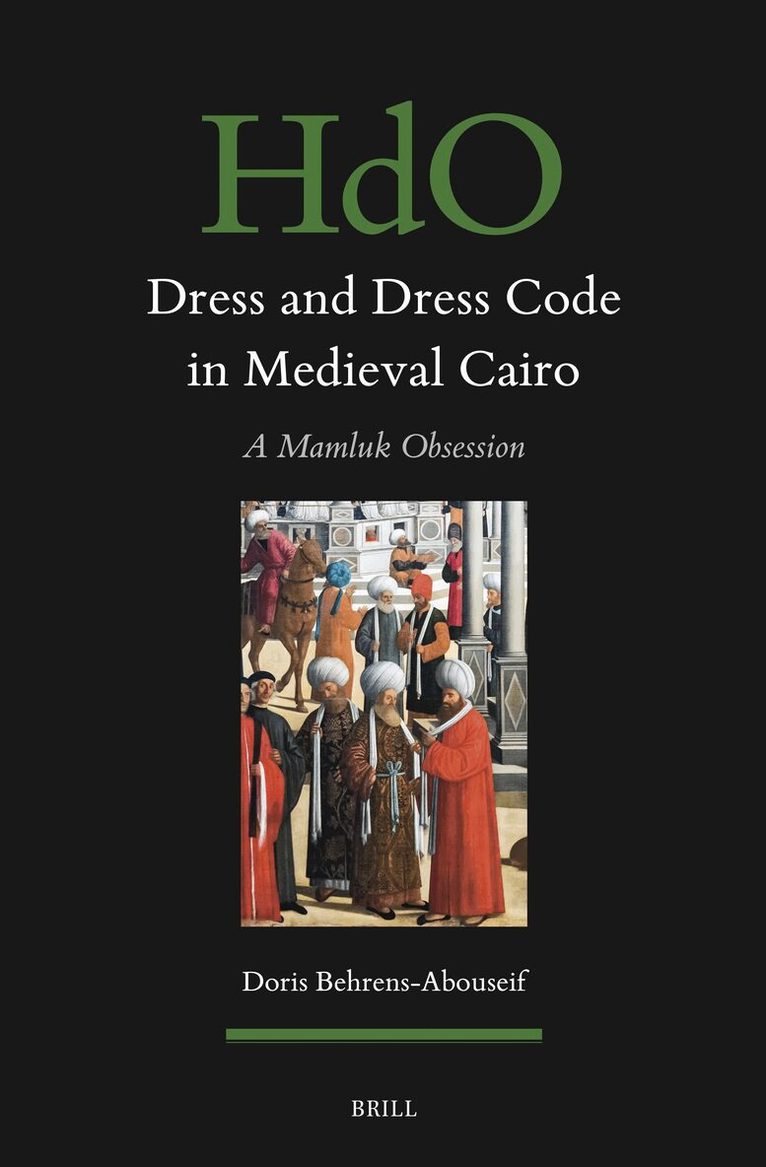
Dress and Dress Code in Medieval Cairo
A Mamluk Obsession
Inbunden, 2023
2942 kr
Lägg i varukorg
In this book, Doris Behrens-Abouseif responds to the Mamluk chroniclers whose loquacity regarding clothing matters demands our attention. Using a multiplicity of sources including chronicles, European and Muslim travel narratives, popular storytelling, legal treatises, literature, and poetry, …