Dorota Ostrowska – författare
Visar alla böcker från författaren Dorota Ostrowska. Handla med fri frakt och snabb leverans.
11 produkter
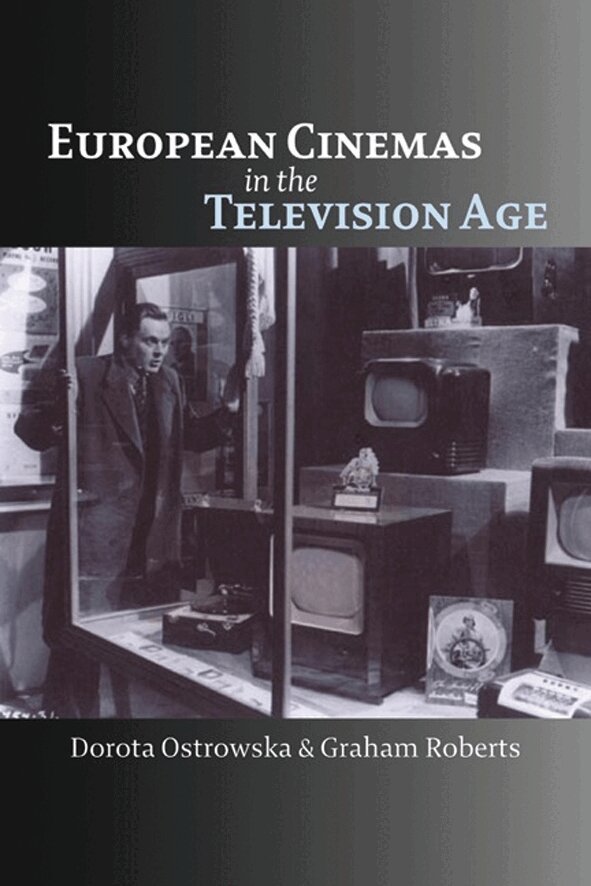
European Cinemas in the Television Age
Av Dorota Ostrowska, Graham Roberts
Häftad, 2007
485 kr
Lägg i varukorg
European Cinemas in the Television Age is a radical attempt to rethink the post-war history of European cinemas. The authors approach the subject from the perspective of television’s impact on the culture of cinema’s production, distribution, consumption and reception. Thus they indicate a new …
European Film Festival
Carnival, Audiences and Spaces
Inbunden, 2026
1197 kr
Lägg i varukorg
To live through a film festival is to live through an intensive emotive experience of film viewings, encounters with friends and strangers, travel, displacement and the exploration of new spaces – both real and imaginary. It is the disorientating experience of this modern-day carnivalesque which …
European Film Festival
Carnival, Audiences and Spaces
E-bok, 2026
1325 kr
Lägg i varukorg
To live through a film festival is to live through an intensive emotive experience of film viewings, encounters with friends and strangers, travel, displacement and the exploration of new spaces both real and imaginary. It is the disorientating experience of this modern-day carnivalesque which …
European Film Festival
Carnival, Audiences and Spaces
E-bok, 2026
1325 kr
Lägg i varukorg
To live through a film festival is to live through an intensive emotive experience of film viewings, encounters with friends and strangers, travel, displacement and the exploration of new spaces both real and imaginary. It is the disorientating experience of this modern-day carnivalesque which …
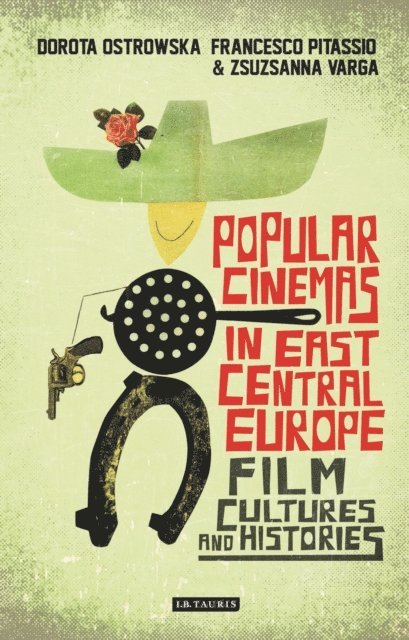
Popular Cinemas in East Central Europe
Film Cultures and Histories
Av Dorota Ostrowska, Francesco Pitassio m. fl.
Häftad, 2021
473 kr
Lägg i varukorg
The continued interest in the social and cultural life of the former Warsaw pact countries - looking at but also beyond their socialist pasts - encompasses a desire to know more about their national cinemas. Yet, despite the increasing consumption of films from these countries - via DVD, VOD …
Popular Cinemas in East Central Europe
Film Cultures and Histories
Av Dorota Ostrowska, Francesco Pitassio m. fl.
Inbunden, 2017
1963 kr
Lägg i varukorg
The continued interest in the social and cultural life of the former Warsaw pact countries - looking at but also beyond their socialist pasts - encompasses a desire to know more about their national cinemas. Yet, despite the increasing consumption of films from these countries - via DVD, VOD …
Popular Cinemas in East Central Europe
Film Cultures and Histories
Av Dorota Ostrowska, Francesco Pitassio m. fl.
E-bok, 2017
530 kr
Lägg i varukorg
The continued interest in the social and cultural life of the former Warsaw pact countries – looking at but also beyond their socialist pasts – encompasses a desire to know more about their national cinemas. Yet, despite the increasing consumption of films from these countries – via DVD, VOD …
Popular Cinemas in East Central Europe
Film Cultures and Histories
Av Dorota Ostrowska, Francesco Pitassio m. fl.
E-bok, 2017
518 kr
Lägg i varukorg
The continued interest in the social and cultural life of the former Warsaw pact countries - looking at but also beyond their socialist pasts - encompasses a desire to know more about their national cinemas. Yet, despite the increasing consumption of films from these countries - via DVD, VOD …
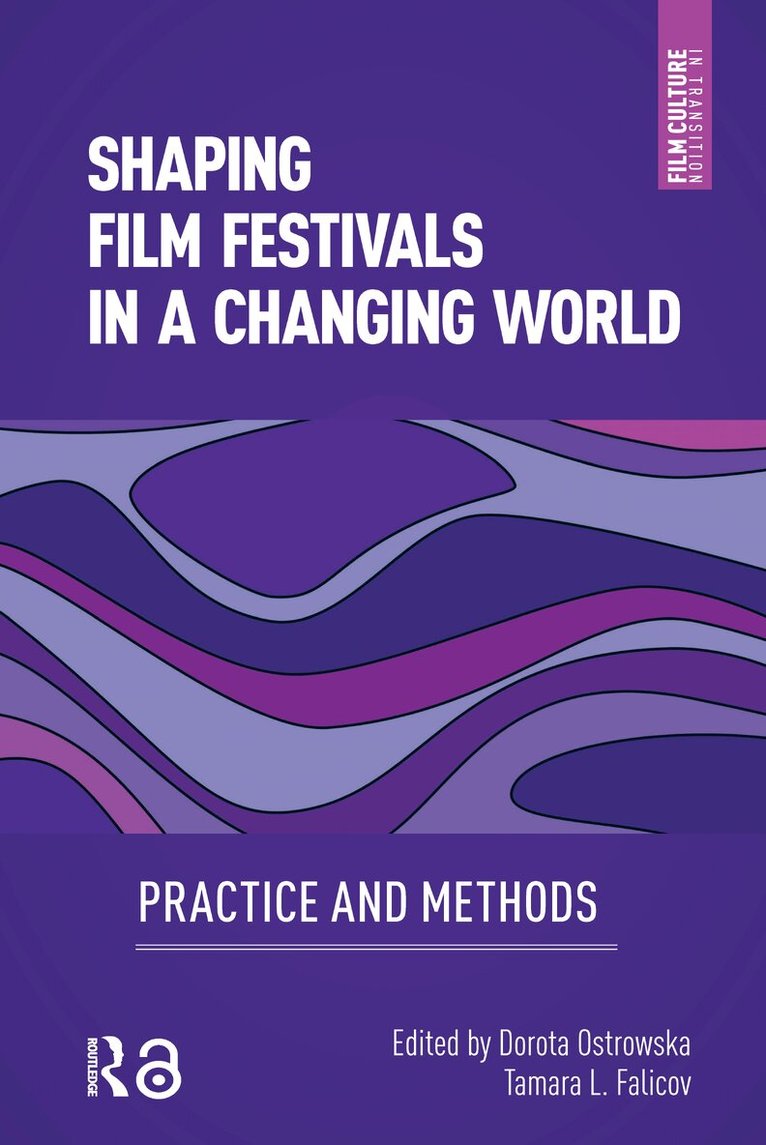
Shaping Film Festivals In a Changing World
Practice and Methods
Av Dorota Ostrowska, Tamara Falicov
Inbunden, 2025
2264 kr
Lägg i varukorg
This volume is a collective attempt on the part of a community of academics, film festival curators, and archivists to come to terms with practical and intellectual challenges of the pandemic and post-pandemic realities affecting cultures of film festivals.