Dorothy Lippert - Böcker
Visar alla böcker från författaren Dorothy Lippert. Handla med fri frakt och snabb leverans.
5 produkter
5 produkter
138 kr
Skickas inom 7-10 vardagar
Call them Native Americans, American Indians, indigenous peoples, or first nations — a vast and diverse array of nations, tribes, and cultures populated every corner of North America long before Columbus arrived. Native American History For Dummies reveals what is known about their pre-Columbian history and shows how their presence, customs, and beliefs influenced everything that was to follow. This straightforward guide breaks down their ten-thousand-plus year history and explores their influence on European settlement of the continent. You'll gain fresh insight into the major tribal nations, their cultures and traditions, warfare and famous battles; and the lives of such icons as Pocahontas, Sitting Bull and Sacagawea. You'll discover: How and when the Native American's ancestors reached the continentHow tribes formed and where they migratedWhat North America was like before 1492How Native peoples maximized their environmentPre-Columbian farmers, fishermen, hunters, and tradersThe impact of Spain and France on the New WorldGreat Warriors from Tecumseh to GeronimoHow Native American cultures differed across the continentNative American religions and religious practicesThe stunning impact of disease on American Indian populationsModern movements to reclaim Native identityGreat museums, books, and films about Native AmericansPacked with fascinating facts about functional and ceremonial clothing, homes and shelters, boatbuilding, hunting, agriculture, mythology, intertribal relations, and more, Native American History For Dummies provides a dazzling and informative introduction to North America's first inhabitants.
Del 1 - Ethical Archaeologies: The Politics of Social Justice
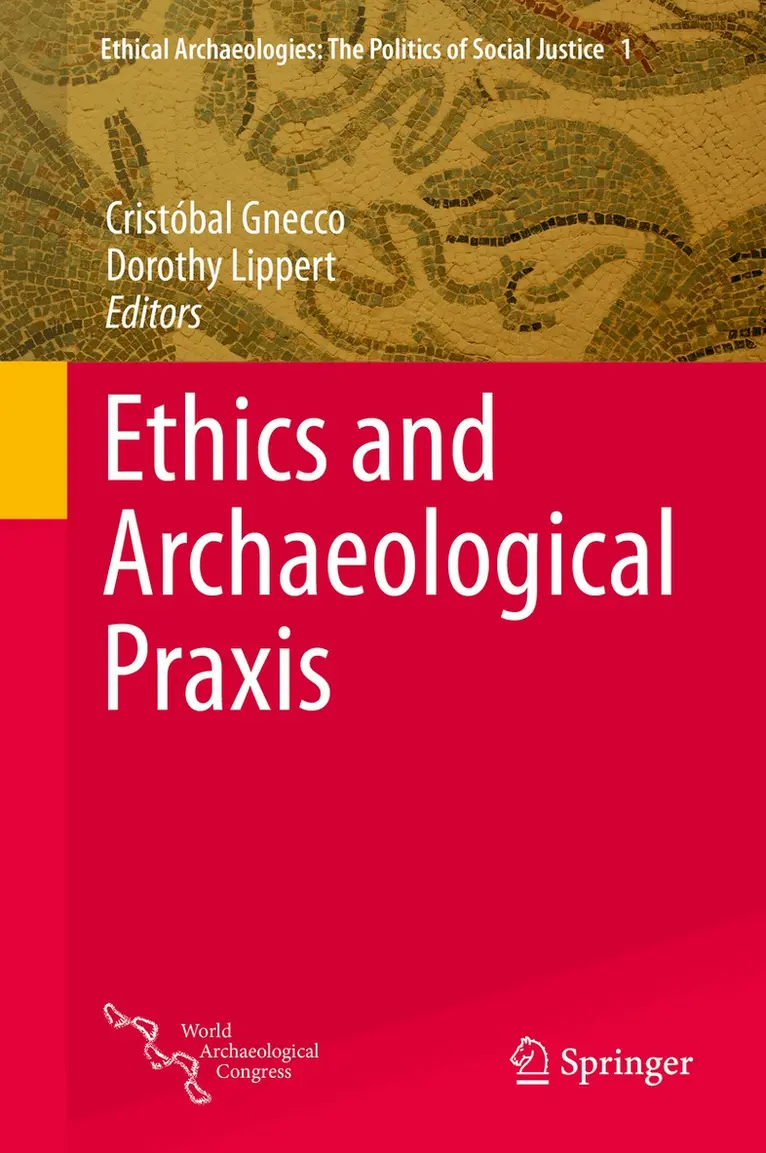
Ethics and Archaeological Praxis
Inbunden, Engelska, 2014
1 170 kr
Skickas inom 10-15 vardagar
Restoring the historicity and plurality of archaeological ethics is a task to which this book is devoted; its emphasis on praxis mends the historical condition of ethics. In doing so, it shows that nowadays a multicultural (sometimes also called “public”) ethic looms large in the discipline. By engaging communities “differently,” archaeology has explicitly adopted an ethical outlook, purportedly striving to overcome its colonial ontology and metaphysics. In this new scenario, respect for other historical systems/worldviews and social accountability appear to be prominent. Being ethical in archaeological terms in the multicultural context has become mandatory, so much that most professional, international and national archaeological associations have ethical principles as guiding forces behind their openness towards social sectors traditionally ignored or marginalized by their practices. This powerful new ethics—its newness is based, to a large extent, in that it is the first time that archaeological ethics is explicitly stated, as if it didn’t exist before—emanates from metropolitan centers, only to be adopted elsewhere. In this regard, it is worth probing the very nature of the dominant multicultural ethics in disciplinary practices because (a) it is at least suspicious that at the same time archaeology has tuned up with postmodern capitalist/market needs, and (b) the discipline (along with its ethical principles) is contested worldwide by grass-roots organizations and social movements. Can archaeology have socially committed ethical principles at the same time that it strengthens its relationship with the market and capitalism? Is this coincidence just merely haphazard or does it obey more structural rules? The papers in this book try to answer these two questions by examining praxis-based contexts in which archaeological ethics unfolds.
Del 1 - Ethical Archaeologies: The Politics of Social Justice
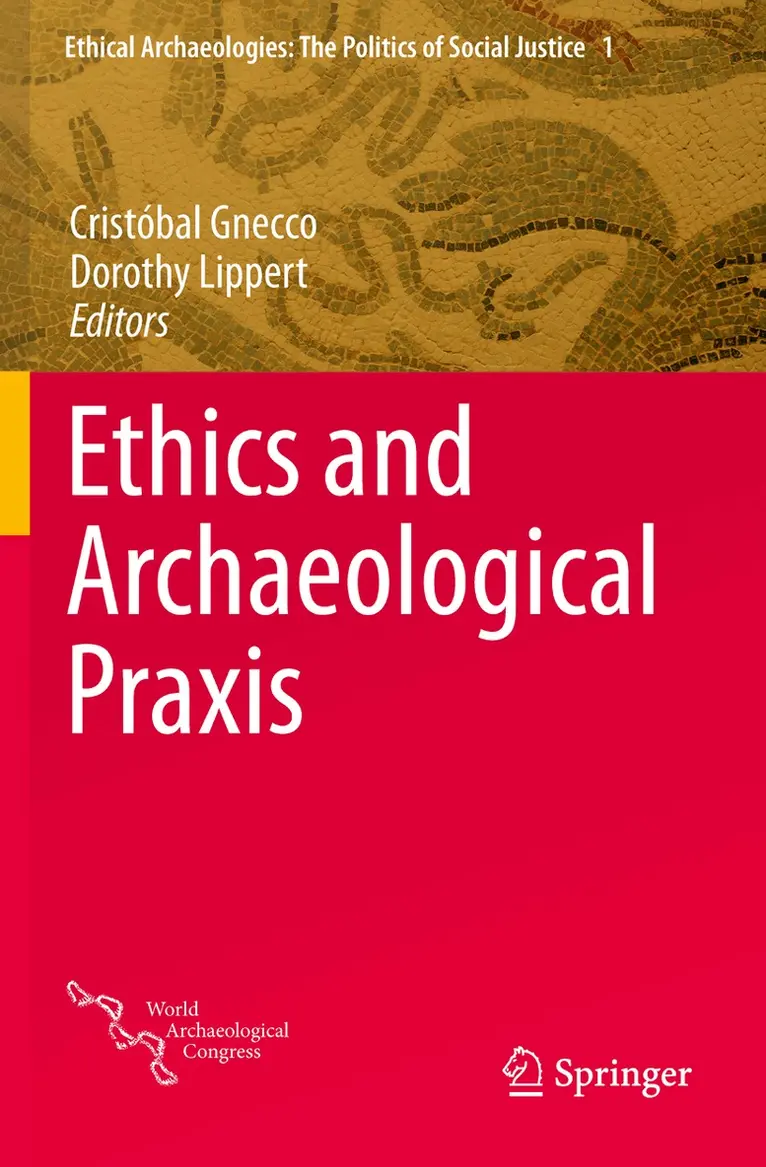
Ethics and Archaeological Praxis
Häftad, Engelska, 2016
1 175 kr
Skickas inom 10-15 vardagar
Restoring the historicity and plurality of archaeological ethics is a task to which this book is devoted; its emphasis on praxis mends the historical condition of ethics. In doing so, it shows that nowadays a multicultural (sometimes also called “public”) ethic looms large in the discipline. By engaging communities “differently,” archaeology has explicitly adopted an ethical outlook, purportedly striving to overcome its colonial ontology and metaphysics. In this new scenario, respect for other historical systems/worldviews and social accountability appear to be prominent. Being ethical in archaeological terms in the multicultural context has become mandatory, so much that most professional, international and national archaeological associations have ethical principles as guiding forces behind their openness towards social sectors traditionally ignored or marginalized by their practices. This powerful new ethics—its newness is based, to a large extent, in that it is the first time that archaeological ethics is explicitly stated, as if it didn’t exist before—emanates from metropolitan centers, only to be adopted elsewhere. In this regard, it is worth probing the very nature of the dominant multicultural ethics in disciplinary practices because (a) it is at least suspicious that at the same time archaeology has tuned up with postmodern capitalist/market needs, and (b) the discipline (along with its ethical principles) is contested worldwide by grass-roots organizations and social movements. Can archaeology have socially committed ethical principles at the same time that it strengthens its relationship with the market and capitalism? Is this coincidence just merely haphazard or does it obey more structural rules? The papers in this book try to answer these two questions by examining praxis-based contexts in which archaeological ethics unfolds.
2 357 kr
Skickas inom 10-15 vardagar
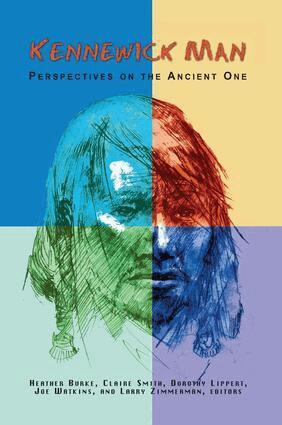
Kennewick Man, known as the Ancient One to Native Americans, has been the lightning rod for conflict between archaeologists and indigenous peoples in the United States. A decade-long legal case pitted scientists against Native American communities and highlighted the shortcomings of the Native American Graves and Repatriation Act (NAGPRA), designed to protect Native remains. In this volume, we hear from the many sides of this issue—archaeologists, tribal leaders, and others—as well as views from the international community. The wider implications of the case and its resolution is explored. Comparisons are made to similar cases in other countries and how they have been handled. Appendixes provide the legal decisions, appeals, and chronology to allow full exploration of this landmark legal struggle. An ideal starting point for discussion of this case in anthropology, archaeology, Native American studies, and cultural property law courses. Sponsored by the World Archaeological Congress.
593 kr
Skickas inom 10-15 vardagar
Kennewick Man, known as the Ancient One to Native Americans, has been the lightning rod for conflict between archaeologists and indigenous peoples in the United States. A decade-long legal case pitted scientists against Native American communities and highlighted the shortcomings of the Native American Graves and Repatriation Act (NAGPRA), designed to protect Native remains. In this volume, we hear from the many sides of this issue—archaeologists, tribal leaders, and others—as well as views from the international community. The wider implications of the case and its resolution is explored. Comparisons are made to similar cases in other countries and how they have been handled. Appendixes provide the legal decisions, appeals, and chronology to allow full exploration of this landmark legal struggle. An ideal starting point for discussion of this case in anthropology, archaeology, Native American studies, and cultural property law courses. Sponsored by the World Archaeological Congress.