Dougald Hine – författare
Visar alla böcker från författaren Dougald Hine. Handla med fri frakt och snabb leverans.
6 produkter
At Work in the Ruins
Finding Our Place in the Time of Climate Crises and Other Emergencies
Av Dougald Hine
Häftad, 2024
5,0 utav 5 stjärnor. Totalt antal röster: (1)
167 kr
Lägg i varukorg
'One of the most perceptive and thought-provoking books …Essential reading for these turbulent times.' Amitav Ghosh, author of The Great Derangement'Dougald Hine’s brilliant book demands we stare into that abyss and rethink our securest certainties about what is actually going on in the climate …
At Work in the Ruins
Finding Our Place in the Time of Science, Climate Change, Pandemics and All the Other Emergencies
Av Dougald Hine
Inbunden, 2023
5,0 utav 5 stjärnor. Totalt antal röster: (1)
222 kr
Lägg i varukorg
'One of the most perceptive and thought-provoking books …Essential reading for these turbulent times.' Amitav Ghosh, author of The Great Derangement'Dougald Hine’s brilliant book demands we stare into that abyss and rethink our securest certainties about what is actually going on in the climate …
At Work in the Ruins
Finding Our Place in the Time of Climate Crises and Other Emergencies
Av Dougald Hine
Häftad, 2024
303 kr
Lägg i varukorg
‘One of the most perceptive and thought-provoking books …Essential reading for these turbulent times.’ Amitav Ghosh, author of The Great Derangement‘Dougald Hine’s brilliant book demands we stare into that abyss and rethink our securest certainties about what is actually going on in the climate …
Tidens tecken. Nr 12, Våra nya gudar
Av Ingrid Malm Lindberg, Per Magnus Johansson m. fl.
Häftad, 2025
193 kr
Lägg i varukorg
Sekularisering innebär inte att gudarna försvinner utan att de ersätts av sådana som vi själva har skapat institutioner, traditioner och teknologier. Det handlar därför inte om en avveckling utan om en omlokalisering av en gudomlig sfär. Vem betjänar vem? Är systemen till för människan eller …
At Work in the Ruins
Finding Our Place in the Time of Science, Climate Change, Pandemics and All the Other Emergencies
Av Dougald Hine
E-bok, 2023
248 kr
Lägg i varukorg
''One of the most perceptive and thought-provoking books yet written about the multiple intersecting crises that are now upending our once-familiar world. . . Essential reading for these turbulent times.'' Amitav Ghosh, author of The Great Derangement ''Hine’s brilliant book demands we stare into …
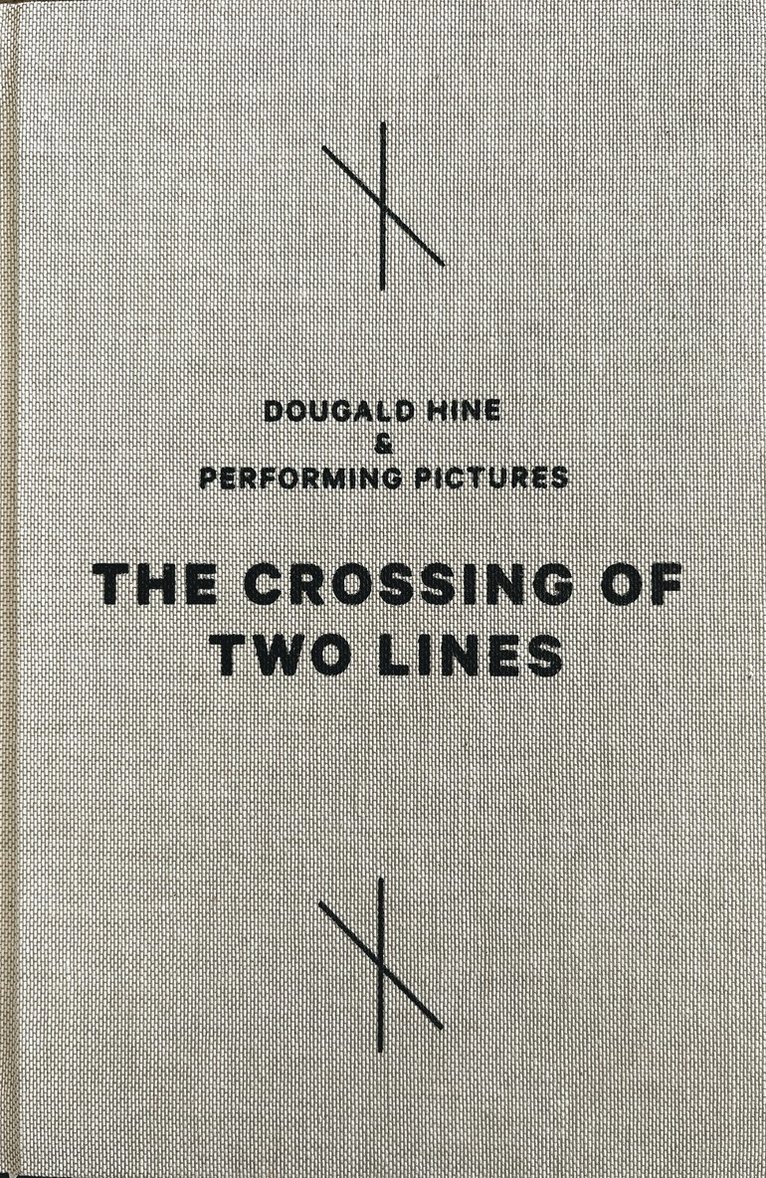
The crossing of two lines
Av Dougald Hine, Geska Helena Brecevic m. fl.
Inbunden, 2022
145 kr
Lägg i varukorg
’Sometimes we use the term religious art or sacred art, but I really prefer venerative art. Because, as I see it, the upper middle class, the good-taste people, they do venerate like hell…’ The Virgin of Guadalupe appears before a camera crew on a Mexican hillside. A wooden shrine is hammered to a …