Douglas Berger - Böcker
Visar alla böcker från författaren Douglas Berger. Handla med fri frakt och snabb leverans.
6 produkter
6 produkter
2 233 kr
Skickas inom 10-15 vardagar
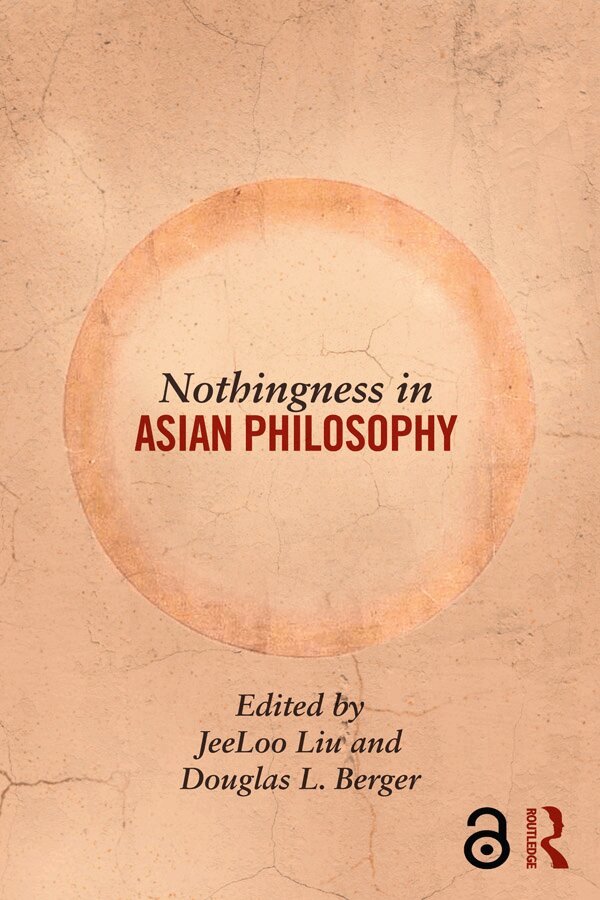
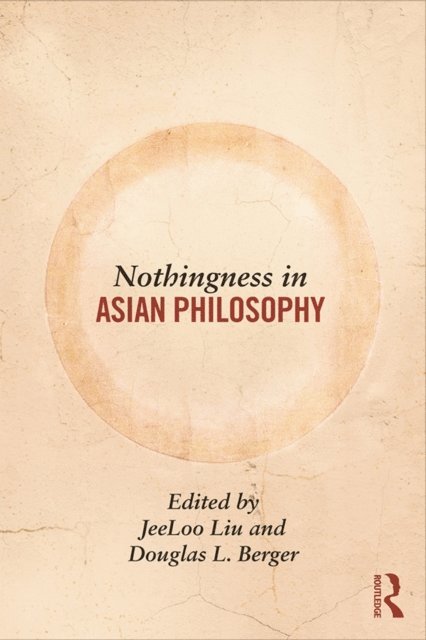
A variety of crucial and still most relevant ideas about nothingness or emptiness have gained profound philosophical prominence in the history and development of a number of South and East Asian traditions—including in Buddhism, Daoism, Neo-Confucianism, Hinduism, Korean philosophy, and the Japanese Kyoto School. These traditions share the insight that in order to explain both the great mysteries and mundane facts about our experience, ideas of "nothingness" must play a primary role.This collection of essays brings together the work of twenty of the world’s prominent scholars of Hindu, Buddhist, Daoist, Neo-Confucian, Japanese and Korean thought to illuminate fascinating philosophical conceptualizations of "nothingness" in both classical and modern Asian traditions. The unique collection offers new work from accomplished scholars and provides a coherent, panoramic view of the most significant ways that "nothingness" plays crucial roles in Asian philosophy. It includes both traditional and contemporary formulations, sometimes putting Asian traditions into dialogue with one another and sometimes with classical and modern Western thought. The result is a book of immense value for students and researchers in Asian and comparative philosophy.Chapter 20 of this book is freely available as a downloadable Open Access PDF at http://www.taylorfrancis.com under a Creative Commons Attribution-Non Commercial-No Derivatives (CC-BY-NC-ND) 4.0 license.
797 kr
Skickas inom 10-15 vardagar
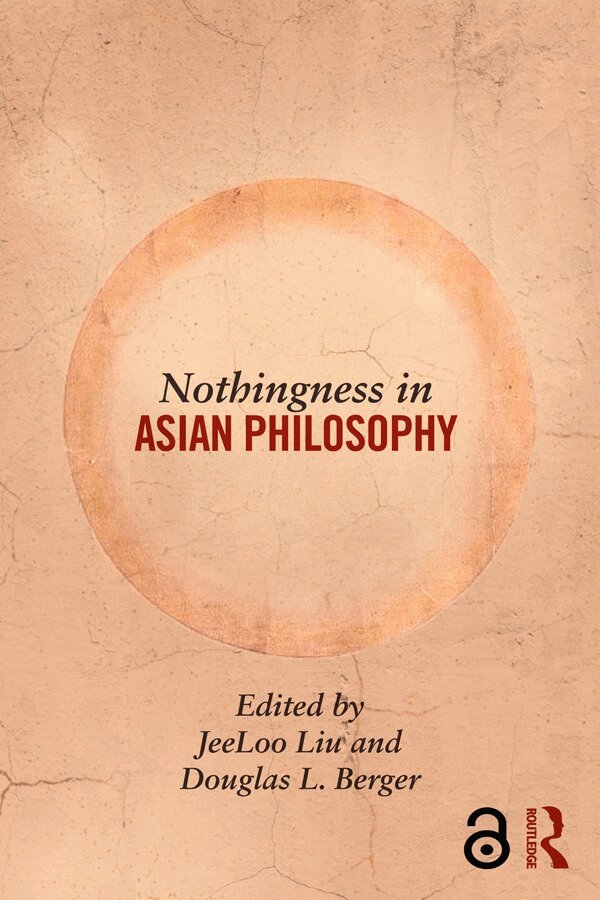
A variety of crucial and still most relevant ideas about nothingness or emptiness have gained profound philosophical prominence in the history and development of a number of South and East Asian traditions—including in Buddhism, Daoism, Neo-Confucianism, Hinduism, Korean philosophy, and the Japanese Kyoto School. These traditions share the insight that in order to explain both the great mysteries and mundane facts about our experience, ideas of "nothingness" must play a primary role.This collection of essays brings together the work of twenty of the world’s prominent scholars of Hindu, Buddhist, Daoist, Neo-Confucian, Japanese and Korean thought to illuminate fascinating philosophical conceptualizations of "nothingness" in both classical and modern Asian traditions. The unique collection offers new work from accomplished scholars and provides a coherent, panoramic view of the most significant ways that "nothingness" plays crucial roles in Asian philosophy. It includes both traditional and contemporary formulations, sometimes putting Asian traditions into dialogue with one another and sometimes with classical and modern Western thought. The result is a book of immense value for students and researchers in Asian and comparative philosophy.Chapter 20 of this book is freely available as a downloadable Open Access PDF at http://www.taylorfrancis.com under a Creative Commons Attribution-Non Commercial-No Derivatives (CC-BY-NC-ND) 4.0 license.
530 kr
Skickas inom 10-15 vardagar
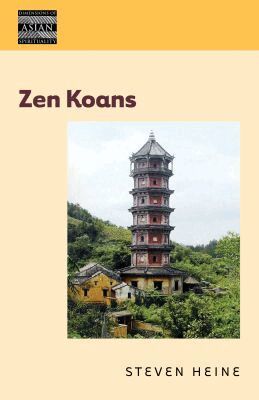
“What is the sound of one hand clapping?” “Does a dog have Buddha-nature?” These cryptic expressions are among the best-known examples of koans, the confusing, often contradictory sayings that form the centrepiece of Zen Buddhist learning and training. Viewed as an ideal method for attaining and transmitting an unimpeded experience of enlightenment, they became the main object of study in Zen meditation, where their contemplation was meant to exhaust the capacity of the rational mind and the expressiveness of speech. Koan compilations, which include elegant poetic and eloquent prose commentaries on cryptic dialogues, are part of a great literary tradition in China, Japan, and Korea that appealed to intellectuals who sought spiritual fulfilment through interpreting elaborate rhetoric related to mysterious metaphysical exchanges.In this compact volume, Steven Heine, who has written extensively on Zen Buddhism and koans, introduces and analyses the classic background of texts and rites and explores the contemporary significance of koans to illuminate the full implications of this ongoing tradition. He delves deeply into the inner structure of koan literature to uncover and interpret profound levels of metaphorical significance. At the same time, he takes the reader beyond the veil of vagueness and inscrutability to an understanding of how koan writings have been used in pre-modern East Asia and are coming to be evoked and implemented in modern American practice of Zen.By focusing on two main facets of the religious themes expressed in koan records—individual religious attainment and the role dialogues play in maintaining order in the monastic system—Zen Koans reveals the distinct yet interlocking levels of meaning reflected in different koan case records and helps make sense of the seemingly nonsensical. It is a book for anyone interested in untangling the web of words used in Zen exchanges and exploring their important place in the vast creative wellspring of East Asian religion and culture.
179 kr
Skickas inom 7-10 vardagar
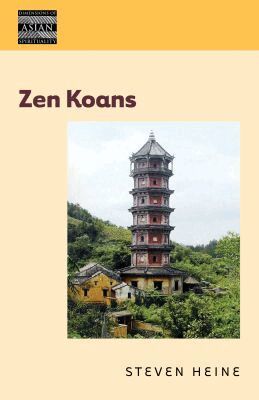
“What is the sound of one hand clapping?” “Does a dog have Buddha-nature?” These cryptic expressions are among the best-known examples of koans, the confusing, often contradictory sayings that form the centrepiece of Zen Buddhist learning and training. Viewed as an ideal method for attaining and transmitting an unimpeded experience of enlightenment, they became the main object of study in Zen meditation, where their contemplation was meant to exhaust the capacity of the rational mind and the expressiveness of speech. Koan compilations, which include elegant poetic and eloquent prose commentaries on cryptic dialogues, are part of a great literary tradition in China, Japan, and Korea that appealed to intellectuals who sought spiritual fulfilment through interpreting elaborate rhetoric related to mysterious metaphysical exchanges.In this compact volume, Steven Heine, who has written extensively on Zen Buddhism and koans, introduces and analyses the classic background of texts and rites and explores the contemporary significance of koans to illuminate the full implications of this ongoing tradition. He delves deeply into the inner structure of koan literature to uncover and interpret profound levels of metaphorical significance. At the same time, he takes the reader beyond the veil of vagueness and inscrutability to an understanding of how koan writings have been used in pre-modern East Asia and are coming to be evoked and implemented in modern American practice of Zen.By focusing on two main facets of the religious themes expressed in koan records—individual religious attainment and the role dialogues play in maintaining order in the monastic system—Zen Koans reveals the distinct yet interlocking levels of meaning reflected in different koan case records and helps make sense of the seemingly nonsensical. It is a book for anyone interested in untangling the web of words used in Zen exchanges and exploring their important place in the vast creative wellspring of East Asian religion and culture.
579 kr
Skickas inom 10-15 vardagar
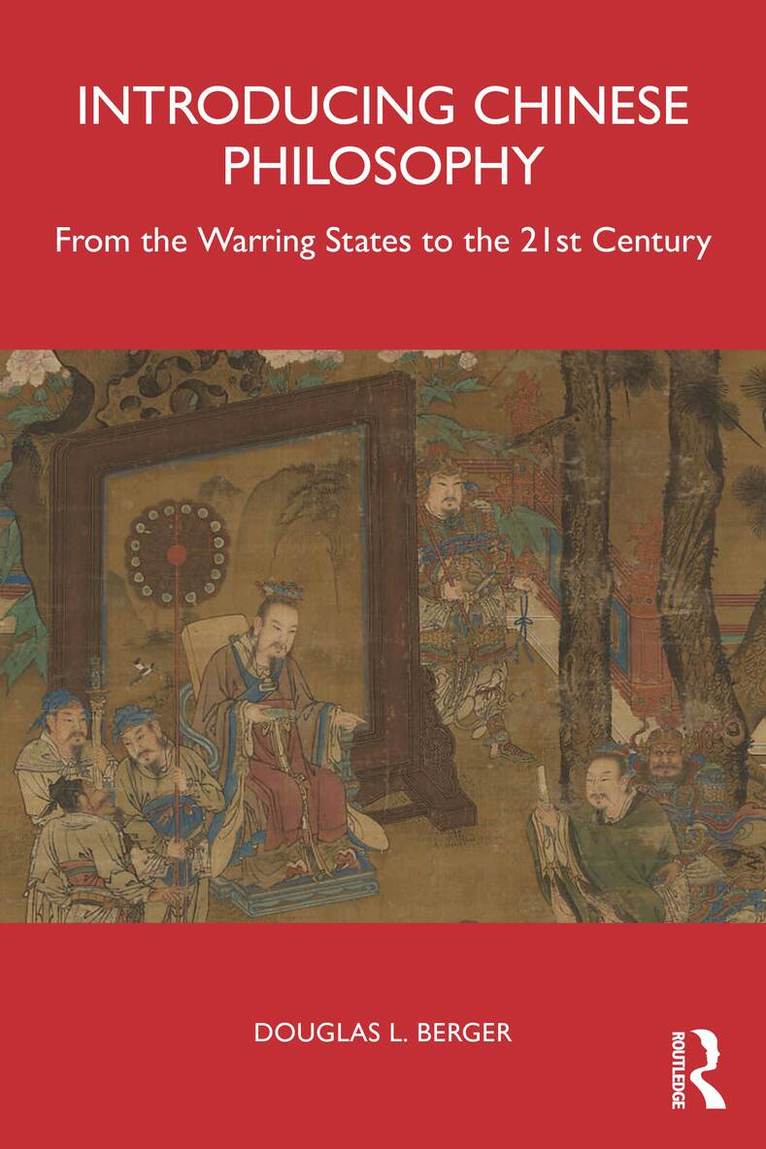
This book presents an introductory survey of the major themes, thinkers and texts, philosophical genres and profound insights of the Chinese philosophical tradition. Its coverage ranges from the foundational history of Chinese thought in the 6th–5th centuries BCE up to the present day.The first two chapters provide an overview of the broad history of Chinese philosophy, identifying its major texts and thinkers, and offer examples of the different literary styles in which philosophy was written throughout the ages. The remaining chapters explore major and ever-pervasive themes of Chinese philosophical reflection, from a holistic portrayal of the natural order and the relational nature of human beings to debates about ethics and personhood that span the entire development of the heritage.The major questions addressed by the volume are as follows:What are the most important texts and who are the most influential figures of the history of Chinese philosophy, and what were their historical and social circumstances?How did Chinese thinkers work in such a variety of literary styles: from dramatized conversation, storytelling and poetry to commentary and analysis to the many different genres of Buddhist literature to modern historical and academic writing?What are the varieties of cosmic or natural holism found in the various schools of Chinese philosophy—“Proto-Daoist,” Buddhist, Confucian and modern—and how are they articulated and defended?How have Chinese philosophers throughout history presented the nature of the person, in Confucian, Daoist, Buddhist and contemporary perspectives? Why is the notion of the relational person so persistently central to Chinese thought? How was the personhood of women conceptualized throughout the centuries, particularly by Chinese women philosophers?How did the various notions of personhood shape Chinese philosophers’ views of ethics and the ideal social and political order? How did Confucian, Mohist, Legalist, Daoist and Buddhist perspectives on these issues change through the centuries up to the present?Each chapter includes sections for Further Readings, and a Glossary at the back of the book briefly describes the major time periods, figures, themes and concepts in Chinese philosophy. Key FeaturesPresents an overview of important thinkers, ideas and debates from the entire history of Chinese philosophy up to the present dayAcquaints readers with the many varieties of literary style and frameworks of formal argumentation that have existed in the Chinese traditionIdentifies the major themes of the Chinese tradition while showing how various schools and thinkers dealt with them differentlyExplores the importance of relational personhood and the various ways it is formulated in Chinese philosophyIncludes coverage of how women philosophers present their own personhood, in Chinese history and up to todayExamines the many different ethical and political implications of Chinese theories of personhood throughout the culture’s and state’s historyGives the reader a sense of the complexity, nuances, and insights of modern Chinese thinkers on politics and society
2 098 kr
Skickas inom 10-15 vardagar
This book presents an introductory survey of the major themes, thinkers and texts, philosophical genres and profound insights of the Chinese philosophical tradition. Its coverage ranges from the foundational history of Chinese thought in the 6th–5th centuries BCE up to the present day.The first two chapters provide an overview of the broad history of Chinese philosophy, identifying its major texts and thinkers, and offer examples of the different literary styles in which philosophy was written throughout the ages. The remaining chapters explore major and ever-pervasive themes of Chinese philosophical reflection, from a holistic portrayal of the natural order and the relational nature of human beings to debates about ethics and personhood that span the entire development of the heritage.The major questions addressed by the volume are as follows:What are the most important texts and who are the most influential figures of the history of Chinese philosophy, and what were their historical and social circumstances?How did Chinese thinkers work in such a variety of literary styles: from dramatized conversation, storytelling and poetry to commentary and analysis to the many different genres of Buddhist literature to modern historical and academic writing?What are the varieties of cosmic or natural holism found in the various schools of Chinese philosophy—“Proto-Daoist,” Buddhist, Confucian and modern—and how are they articulated and defended?How have Chinese philosophers throughout history presented the nature of the person, in Confucian, Daoist, Buddhist and contemporary perspectives? Why is the notion of the relational person so persistently central to Chinese thought? How was the personhood of women conceptualized throughout the centuries, particularly by Chinese women philosophers?How did the various notions of personhood shape Chinese philosophers’ views of ethics and the ideal social and political order? How did Confucian, Mohist, Legalist, Daoist and Buddhist perspectives on these issues change through the centuries up to the present?Each chapter includes sections for Further Readings, and a Glossary at the back of the book briefly describes the major time periods, figures, themes and concepts in Chinese philosophy. Key FeaturesPresents an overview of important thinkers, ideas and debates from the entire history of Chinese philosophy up to the present dayAcquaints readers with the many varieties of literary style and frameworks of formal argumentation that have existed in the Chinese traditionIdentifies the major themes of the Chinese tradition while showing how various schools and thinkers dealt with them differentlyExplores the importance of relational personhood and the various ways it is formulated in Chinese philosophyIncludes coverage of how women philosophers present their own personhood, in Chinese history and up to todayExamines the many different ethical and political implications of Chinese theories of personhood throughout the culture’s and state’s historyGives the reader a sense of the complexity, nuances, and insights of modern Chinese thinkers on politics and society