Douglas R. Edwards - Böcker
Visar alla böcker från författaren Douglas R. Edwards. Handla med fri frakt och snabb leverans.
4 produkter
4 produkter
1 975 kr
Skickas inom 5-8 vardagar
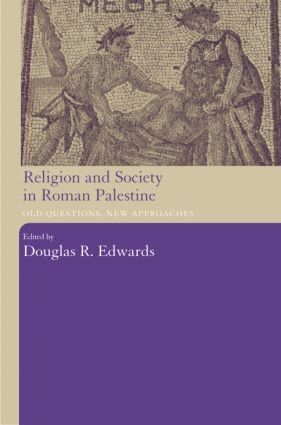
This book contributes to the small but growing literature on the interaction between religion and power in antiquity. Edwards focuses on the eastern 'Greek' provinces in the first and second centuries A.D. - the period during which Christianity, Judaism, and numerous other religions and cults exploded across the Roman Empire. His purpose is to show how the local elite classes appropriated and manipulated mythic and religious images and practices to establish and consolidate their social, political, and economic power.Edwards considers both archaeological and literary evidence. He examines coins, epigraphs, statuary, building complexes, mosaics, and paintings from across Asia Minor and Syria-Palestine looking for evidence of sponsorship by local elites and the meaning of such sponsorship. On the literary side, Edwards selects one representative figure from each of the three major religio-cultural traditions: the Greek writer, Chariton of Aphrodisias; the Jewish historian, Josephus; and the Christian evangelist, the author of Luke Acts. He illustrates how each writer's use of religion reflects the interaction of local elite groups with the 'web of power' that existed in political, cultural, and social spheres of the Roman Empire.
2 159 kr
Skickas inom 10-15 vardagar
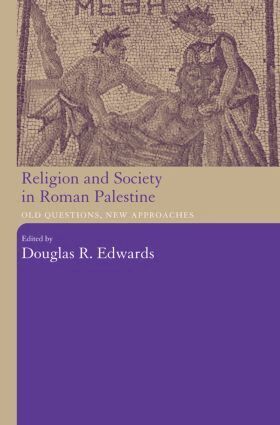
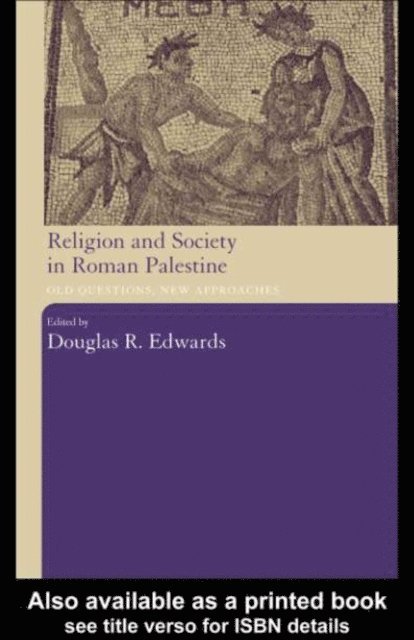
This collection of papers combines important archaeological and textual evidence to examine diverse aspects of religion and society in Roman Palestine.A range of international experts provide an unprecedented look at issues of acculturation, assimilation and the preservation of difference in the multicultural climate of Palestine in the Roman period.Key themes include:* the nature of ethnicity and ritual* the character of public and private space in Jewish society* the role of gender and space* the role of peasants* the impact of Roman rule* ritual and the regional framework of Qumran and the Dead Sea Scrolls. Religion and Society in Roman Palestine will be relevant to ancient historians, interpreters of the historical Jesus and subsequent Jesus movements, and those interested in the development of Judaism from Qu'ran to the rabbis.
687 kr
Skickas inom 10-15 vardagar
This collection of papers combines important archaeological and textual evidence to examine diverse aspects of religion and society in Roman Palestine.A range of international experts provide an unprecedented look at issues of acculturation, assimilation and the preservation of difference in the multicultural climate of Palestine in the Roman period.Key themes include:* the nature of ethnicity and ritual* the character of public and private space in Jewish society* the role of gender and space* the role of peasants* the impact of Roman rule* ritual and the regional framework of Qumran and the Dead Sea Scrolls. Religion and Society in Roman Palestine will be relevant to ancient historians, interpreters of the historical Jesus and subsequent Jesus movements, and those interested in the development of Judaism from Qu'ran to the rabbis.
Del 60 - Annual of ASOR
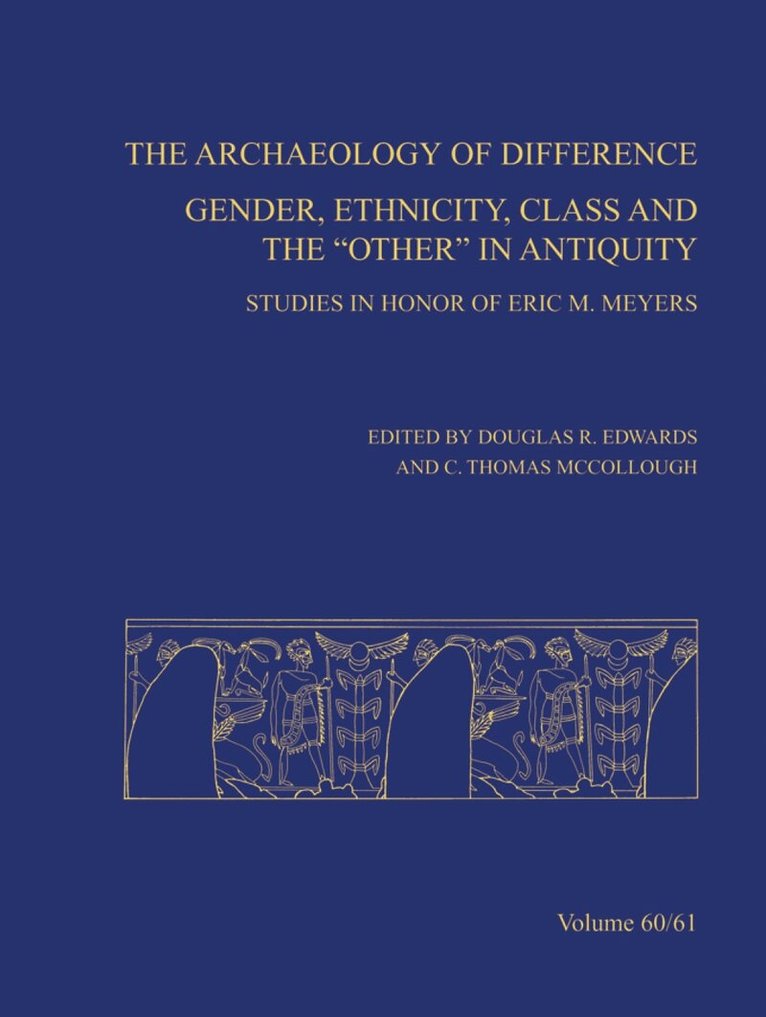
Archaeology of Difference
Gender, Ethnicity, Class and the Other in Antiquity - Studies in Honor of Eric M. Meyers, AASOR 60-61
Inbunden, Engelska, 2005
1 879 kr
Skickas inom 5-8 vardagar
What distinguishes an individual or a group in ancient society? How do issues of gender, ethnicity, social stratification and the view of the 'other' impact individuals, groups, and societal attitudes? Foucault in his classic work, The Archaeology of Knowledge, observes that layers of information embedded in language and society often elucidate the unspoken assumptions that individuals, groups or societies hold most dear. What is perceived to distinguish one group can carry such symbolic power that whole societies structure their laws, gender roles, ethnic identities, and views toward the "other" in the light of perceived differences. The ancient world was dominated by such differences. Clothing, hair, costume, housing, gender, religion, set apart one from the other. Ascertaining the rules governing difference in antiquity is challenging. Such rules were generally assumed, not clearly delineated. To determine "the archaeology of difference" the studies in this volume draw on textual and material culture. How does archaeological data illuminate gender or ethnicity or interactions and views of the "other"? What in the archaeological evidence elucidates the attitude toward women's role in society or Jewish perspectives on the Gentiles or attitudes toward the dead? What in texts illuminates the "other" especially as it relates to the writer's or narrator's perception?