Douglas Southgate - Böcker
Visar alla böcker från författaren Douglas Southgate. Handla med fri frakt och snabb leverans.
5 produkter
5 produkter
861 kr
Skickas inom 7-10 vardagar
This book explores the causes of environmental degradation in the developing world, drawing out the common themes and principles from a close analysis of the natural resource issues in Ecador, as a microcosm for much of the developing world. The authors draw their general conclusions from the intensive case studies of tropical deforestation, farm land degradation, waste and misallocation of irrigation water, petroleum development in the Amazon, mariculture and costal ecosystems, ecotourism in the Galapagos. The book demonstrates the pressures and trends which lead much of the developing world to an excessive reliance on mining renewable resources.
Tropical Forest Conservation
An Economic Assessment of the Alternatives in Latin America
Inbunden, Engelska, 1998
1 162 kr
Skickas inom 3-6 vardagar
Attempts to halt the destruction of rain forests and other natural habitats in the tropics have met with little success. In particular, national parks, like those found in wealthy nations, have proven difficult to establish in Africa, Asia, and South and Central America. More often than not, people inhabiting areas designated for protection resist being told by outsiders that they must change how and where they live. Alternative approaches, frequently embodied in integrated conservation and development projects (ICDPs), are now being pursued. The goal is to address local communities' desires for improved standards of living while simultaneously meeting conservation objectives. Nature-based tourism and sustainable harvesting of forest products are the centerpieces of ICDPs and related initiatives. This book assesses the viability of conservation strategies predicated on the adoption of environmentally sound enterprises in and around threatened habitats. Drawing on research in Brazil, Costa Rica, Ecuador and Peru and on his extensive experience working in South and Central America and the Caribbean, the author demonstrates that it is rare for forest dwellers to derive much benefit from ecotourism, the extraction of timber and other commodities, or the collection of samples used in pharmaceutical research. Often these activities are simply unprofitable. Even when they are profitable, the benefits tend not to accrue locally, but instead are captured by outside firms and individuals who can provide important services like safe and reliable transportation. The author contends that human capital formation and related productivity-enhancing investment is the only sure path to economic progress and habitat conservation.
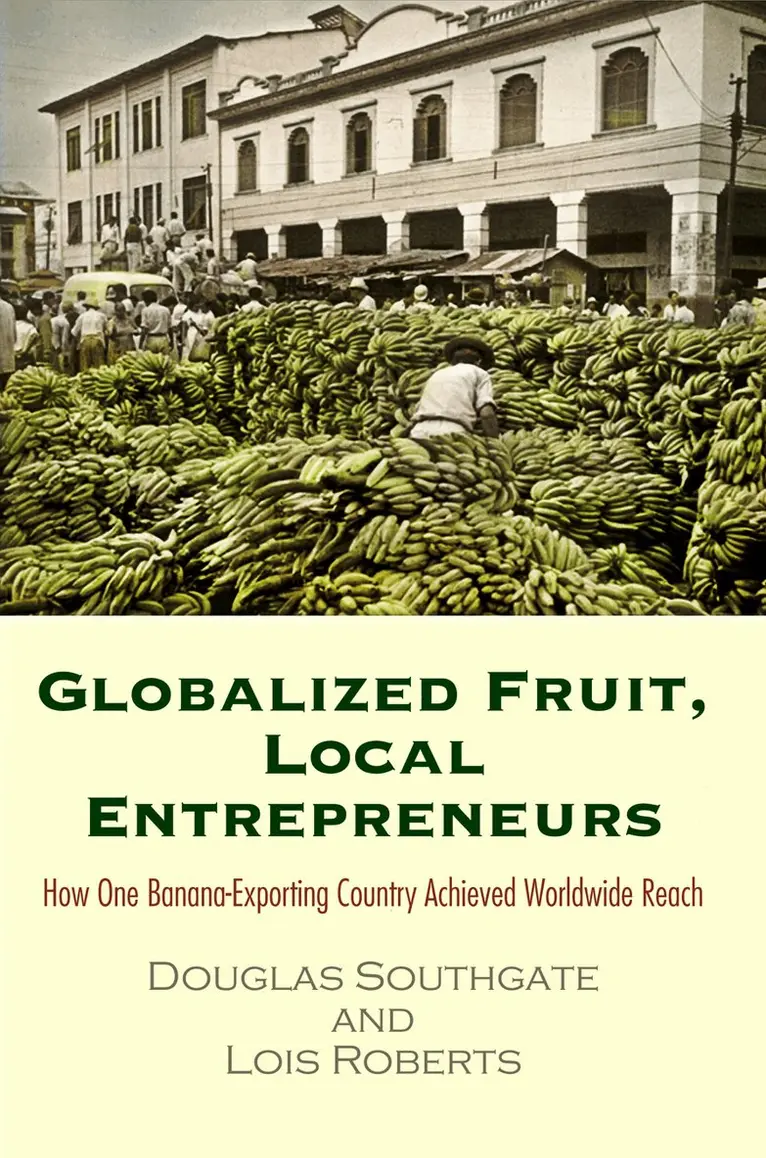
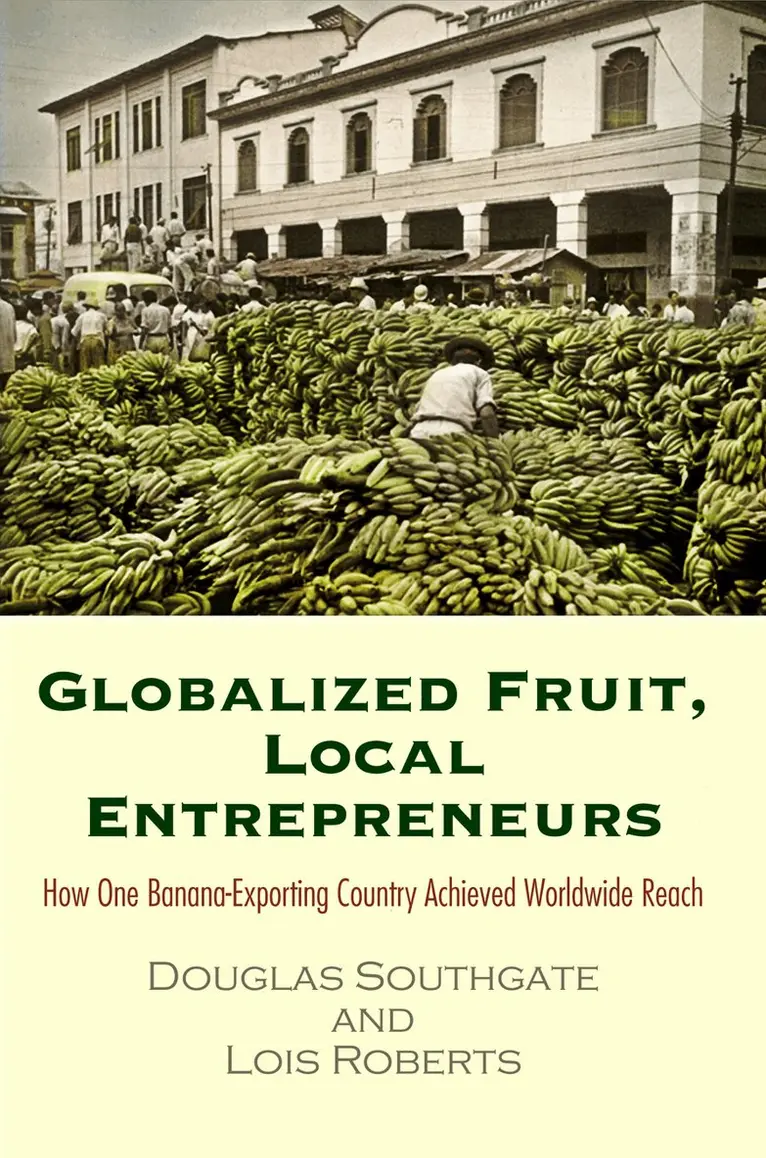
Globalized Fruit, Local Entrepreneurs
How One Banana-Exporting Country Achieved Worldwide Reach
Inbunden, Engelska, 2016
778 kr
Skickas inom 10-15 vardagar
Bananas are the fifth most widely traded farm product. While the results of monopolization in the banana business, such as environmental contamination and the exploitation of labor, are frequently criticized, Globalized Fruit, Local Entrepreneurs demonstrates that the industry is not globally uniform, nor uniformly rotten. Douglas Southgate and Lois Roberts challenge the perception that multinational corporations face no significant competitors in the banana business and argue that Ecuador and Colombia are important sources of competition. Focusing on Ecuador, the world's leading exporter of bananas since the early 1950s, Globalized Fruit, Local Entrepreneurs highlights the factors that led to the development of independent fruit industries, including environmental conditions, governmental policies, and, most significantly, entrepreneurship on the part of local growers and exporters.Although multinational firms headquartered in the United States have been active in the country, Ecuador has never been a banana republic, dominated economically and politically by a foreign corporation. Instead, Southgate and Roberts show that a competitive market for tropical fruit exists in and around Guayaquil, a port city dedicated to international commerce for centuries. Moreover, that market has consistently rewarded productive entrepreneurship. Drawing on interviews and archival research, Southgate and Roberts investigate leading exporters' and growers' origins, which are more humble than privileged, as well as their paths to success in the banana business. Globalized Fruit, Local Entrepreneurs shows that international marketing by Guayaquil-based merchants has been aggressive and innovative. As a result, Ecuador's tropical fruit sector has expanded more than it would have done had multinational corporate dominance never been challenged.
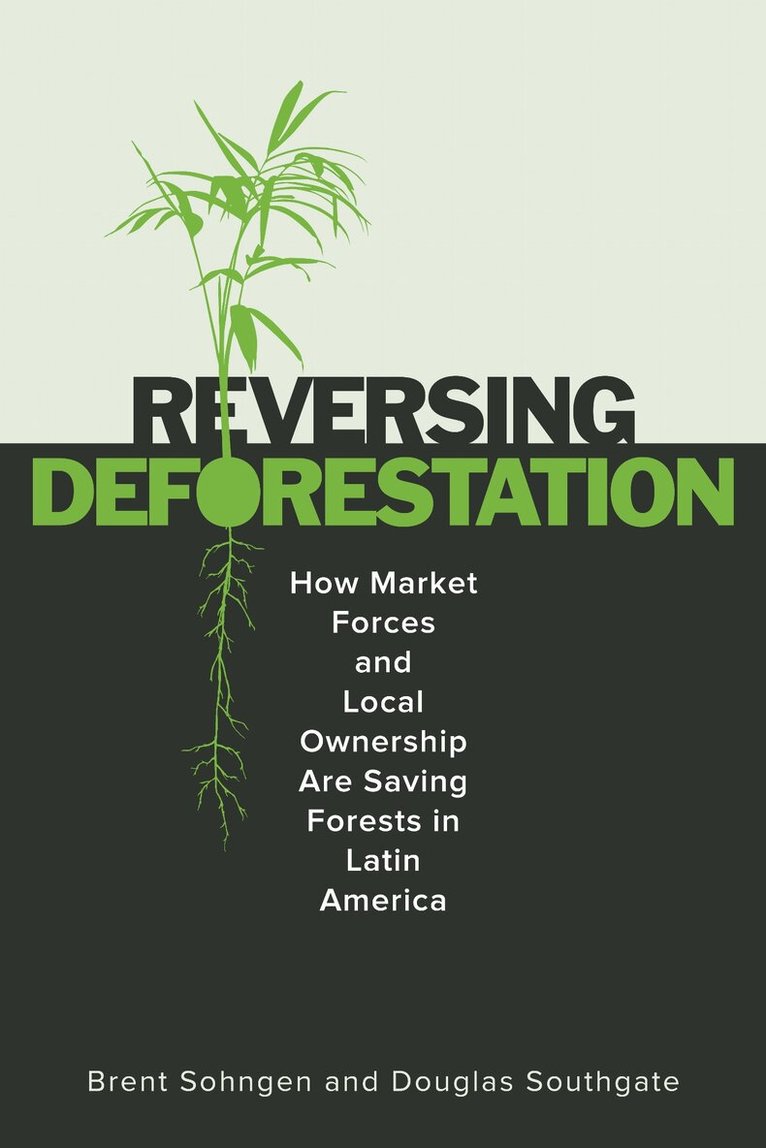
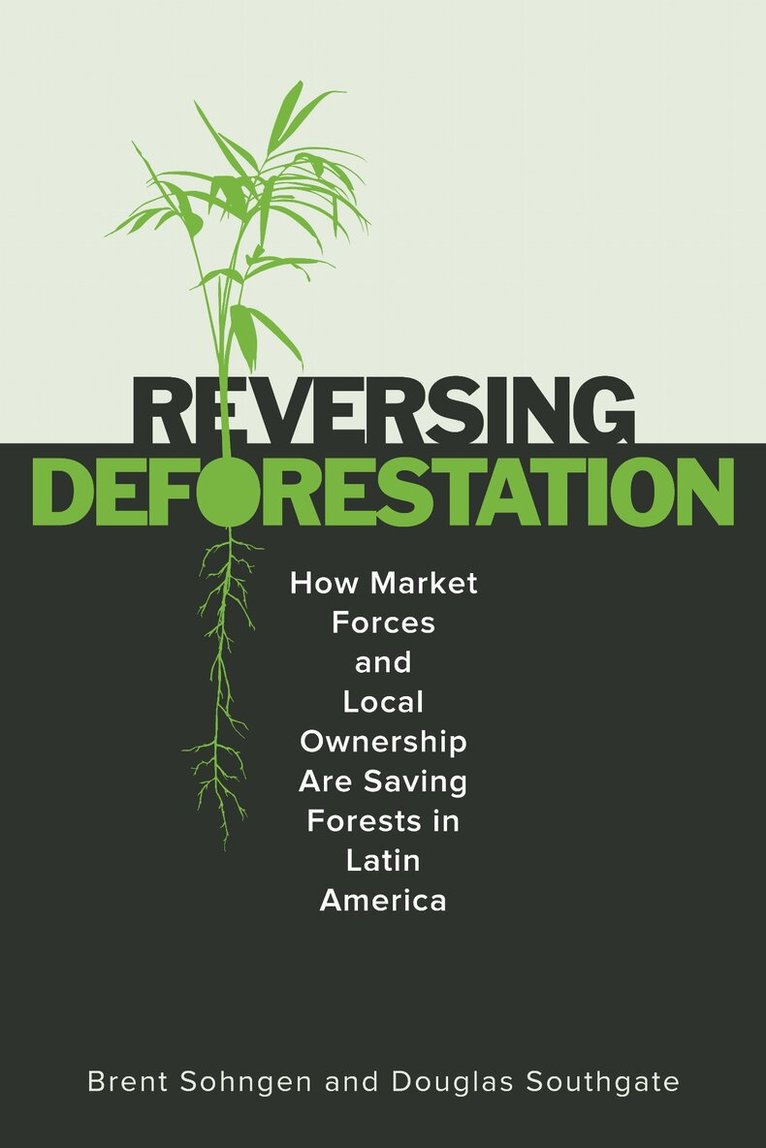
ReversingDeforestation
How Market Forces and Local Ownership Are Saving Forests in Latin America
Inbunden, Engelska, 2024
1 272 kr
Skickas inom 7-10 vardagar
Dire reports of surging deforestation in the Brazilian Amazon appear often in international headlines, with commentators decrying the destruction of tree-covered habitats as an act of environmental vandalism. Although forest losses are alarming, broader trends are bending in the direction of forest recovery. In this book, Brent Sohngen and Douglas Southgate address the long-term recovery of forests in Latin America. The authors synthesize trends in demography, agricultural development, and technological change, and argue that slower population growth and increasing crop and tree yields—in conjunction with protecting local ownership of natural resources—have encouraged forest transition. This book explores how market forces, ownership arrangements, and the enforcement of property rights have influenced this shift from net deforestation to net afforestation.Forest transitions have happened before, such as the recovery of tree-covered habitats in Europe and the United States. Signs of a similar transformation in land use are now present in Latin America. Ending deforestation requires a strengthening of forest dwellers' property rights while ensuring that biodiversity conservation is no longer treated as a value-less externality. The resulting forest landscape, actively managed for ecosystem services, will be more resilient, as is needed to overcome climate change.
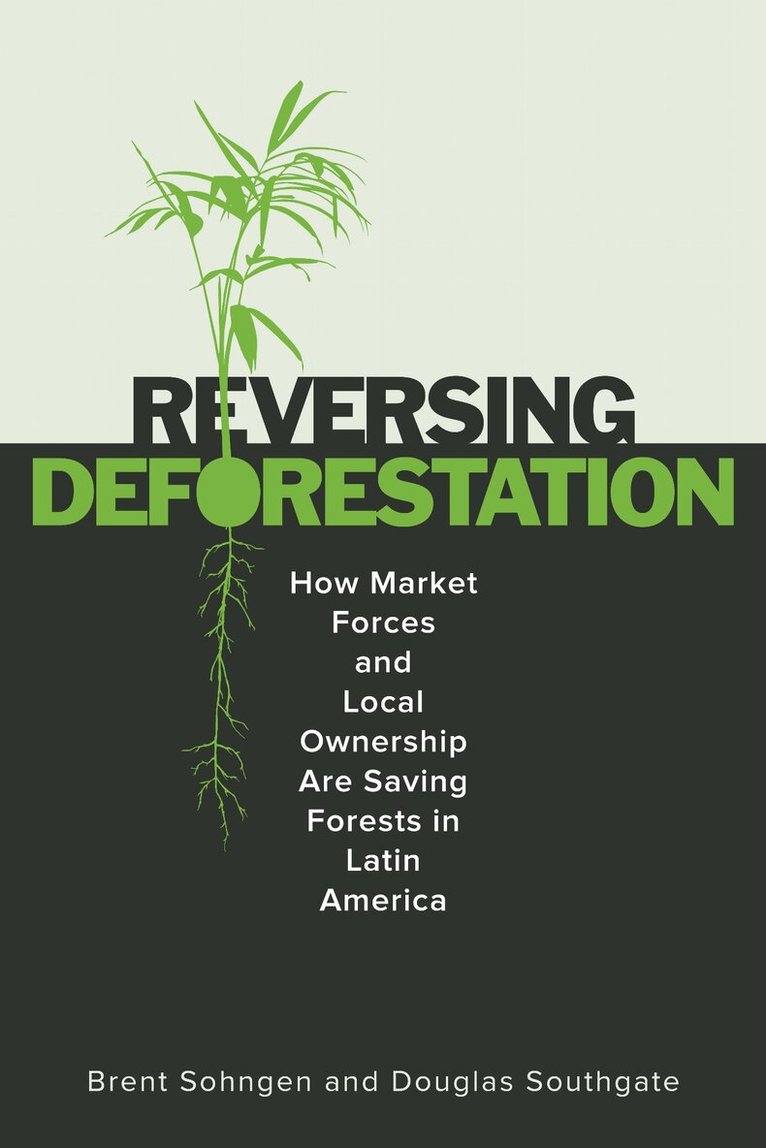
ReversingDeforestation
How Market Forces and Local Ownership Are Saving Forests in Latin America
Häftad, Engelska, 2024
309 kr
Skickas
Dire reports of surging deforestation in the Brazilian Amazon appear often in international headlines, with commentators decrying the destruction of tree-covered habitats as an act of environmental vandalism. Although forest losses are alarming, broader trends are bending in the direction of forest recovery. In this book, Brent Sohngen and Douglas Southgate address the long-term recovery of forests in Latin America. The authors synthesize trends in demography, agricultural development, and technological change, and argue that slower population growth and increasing crop and tree yields—in conjunction with protecting local ownership of natural resources—have encouraged forest transition. This book explores how market forces, ownership arrangements, and the enforcement of property rights have influenced this shift from net deforestation to net afforestation.Forest transitions have happened before, such as the recovery of tree-covered habitats in Europe and the United States. Signs of a similar transformation in land use are now present in Latin America. Ending deforestation requires a strengthening of forest dwellers' property rights while ensuring that biodiversity conservation is no longer treated as a value-less externality. The resulting forest landscape, actively managed for ecosystem services, will be more resilient, as is needed to overcome climate change.