Douglas W. Richmond – författare
Visar alla böcker från författaren Douglas W. Richmond. Handla med fri frakt och snabb leverans.
7 produkter
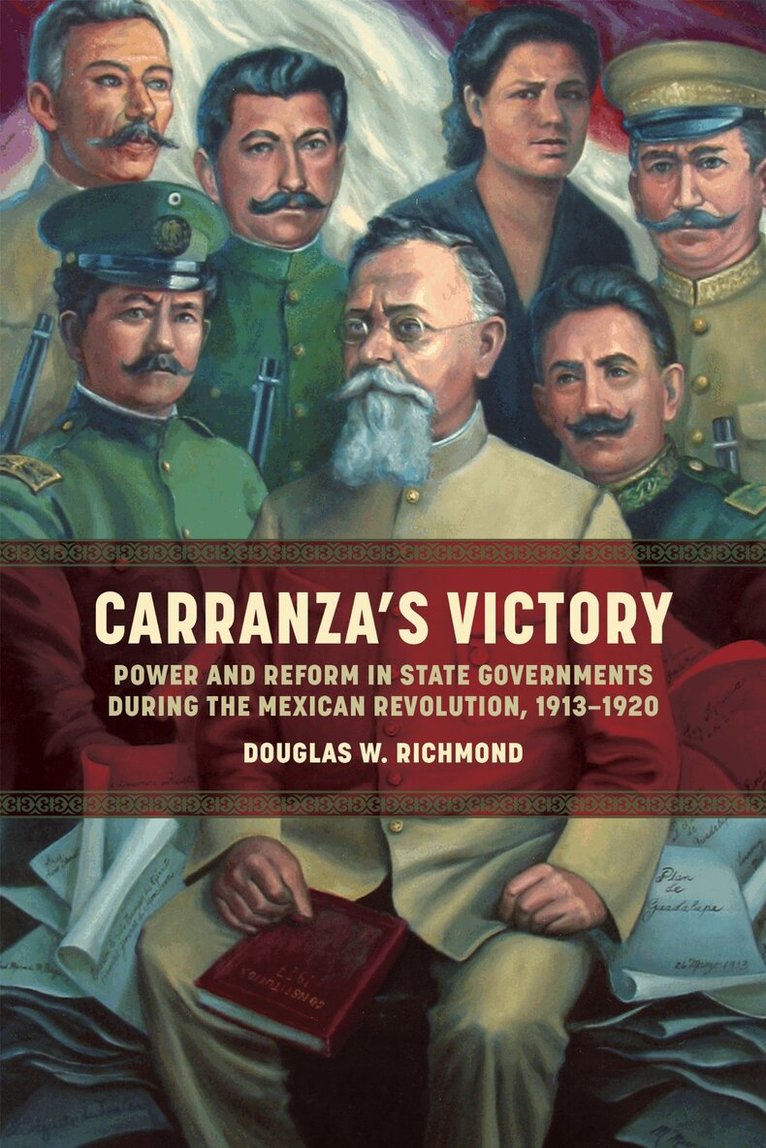
Carranza's Victory
Power and Reform in State Governments During the Mexican Revolution, 1913–1920
Inbunden, 2026
935 kr
Lägg i varukorg
Carranza's Victory recounts the processes by which state governments loyal to President Venustiano Carranza worked to defeat his rivals and consolidate the carrancista regime during the Mexican Revolution. Combining seventeen studies of state governments with larger considerations of national …
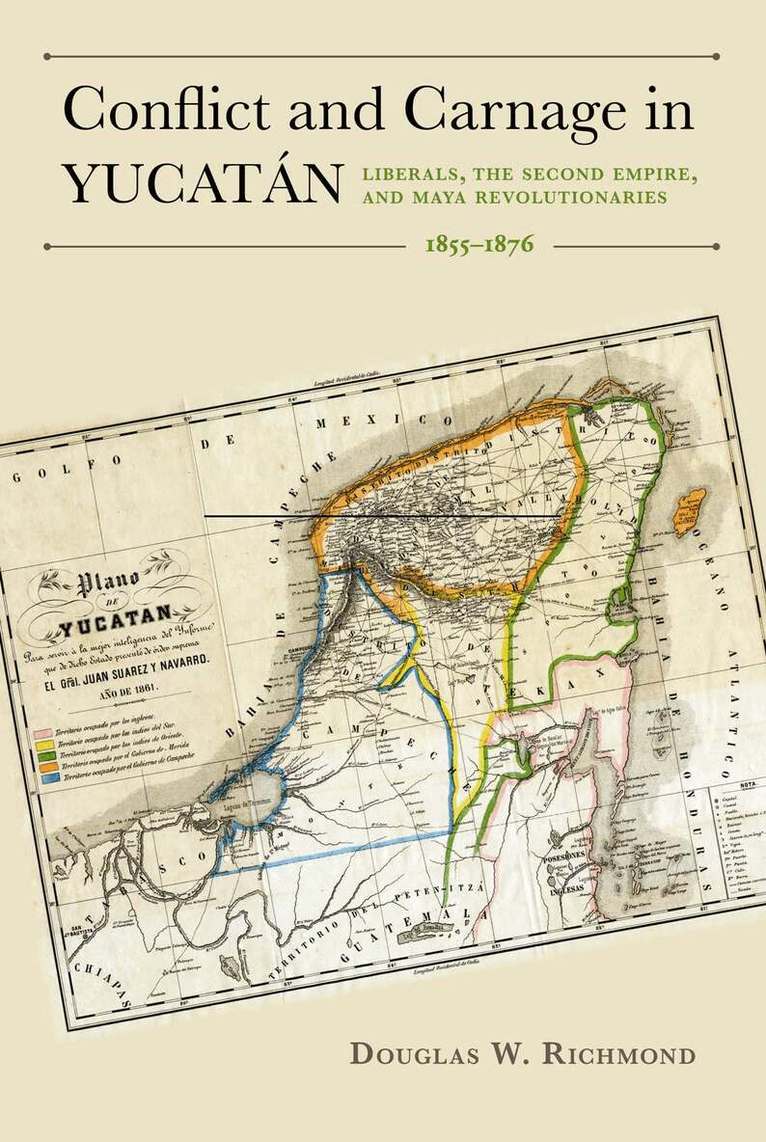
Conflict and Carnage in Yuctán
Liberals, the Second Empire, and Maya Revolutionaries, 1855-1876
Inbunden, 2015
582 kr
Lägg i varukorg
Synthesizing a wealth of primary and secondary sources, Conflict and Carnage in Yucatán offers a fresh study of Yucatán’s complex and violent history that expands and revises perceptions of liberal as well as Second Empire politics in Yucatán from 1855 to 1876.The Yucatán peninsula has one of the …
Conflict and Carnage in Yucatan
Liberals, the Second Empire, and Maya Revolutionaries, 1855–1876
E-bok, 2015
975 kr
Lägg i varukorg
The Yucatán Peninsula has one of the longest, most multifaceted histories in the Americas. With the arrival of Europeans, native Maya with long and successful cultural and diplomatic traditions of their own had to grapple with outside forces attempting to impose new templates of life and politics …
Mexican Revolution
Conflict and Consolidation, 1910-1940
Av Sam W. Haynes, Douglas W. Richmond
E-bok, 2013
323 kr
Lägg i varukorg
In 1910 insurgent leaders crushed the Porfirian dictatorship, but in the years that followed fought among themselves, until a nationalist consensus produced the 1917 Constitution. This in turn provided the basis for a reform agenda that transformed Mexico in the modern era. The civil war and the …
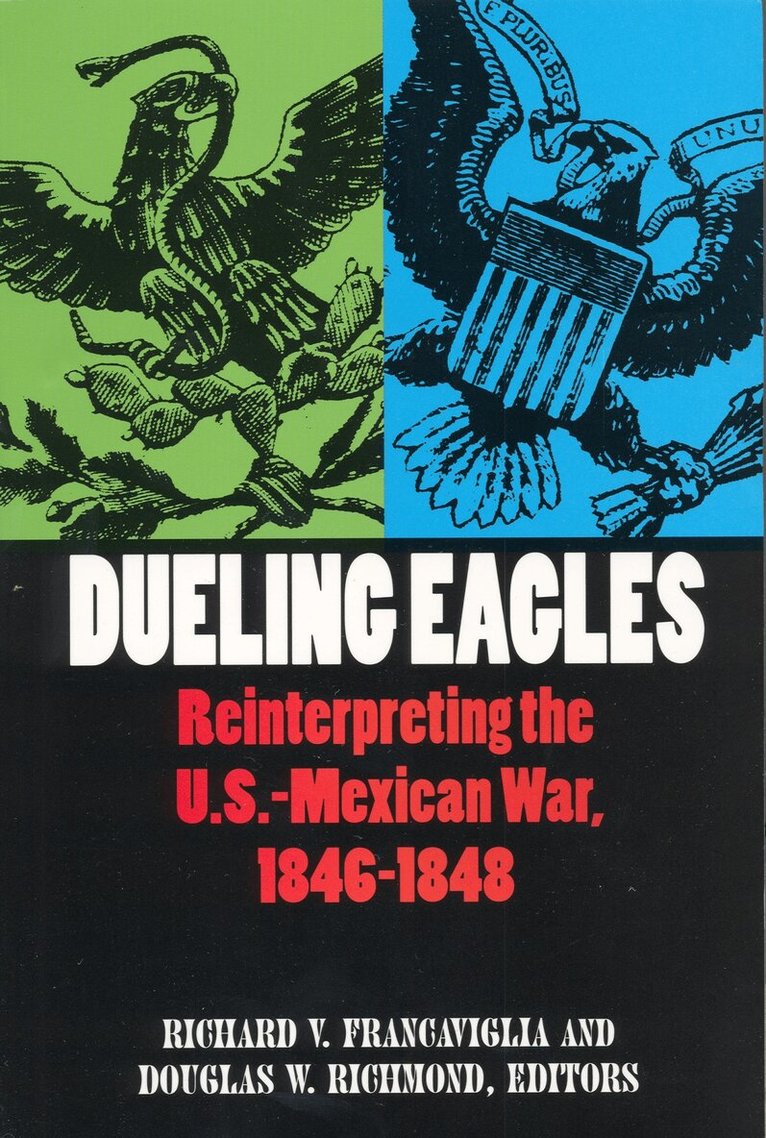
Dueling Eagles
Reinterpreting the Mexican-U.S. War, 1846-1848
Av Richard Francaviglia, Douglas W. Richmond
Häftad, 2000
223 kr
Tillfälligt slut
For a hundred and fifty years, historians have debated contradictory claims about the origins of the Mexican War and ignored the impact of the social, historical, and geographical features of both the United States and Mexico on that war. Instead, scholars have focused primarily on military …
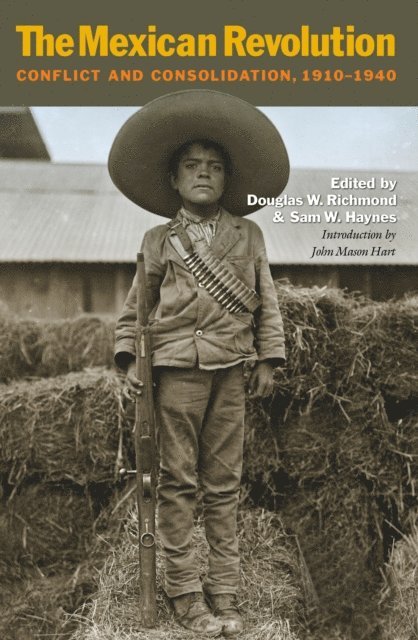
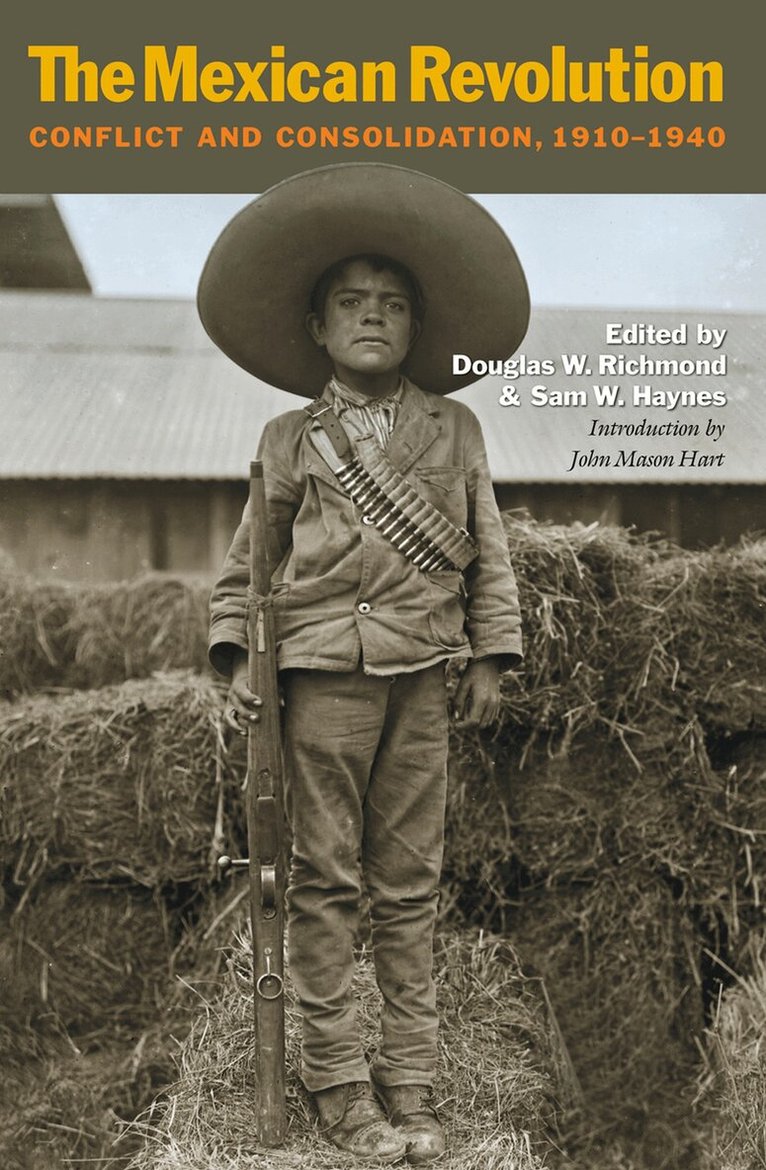
Mexican Revolution
Conflict and Consolidation, 1910-1940
Av Douglas W. Richmond, Sam W. Haynes
Inbunden, 2013
409 kr
Tillfälligt slut
In 1910 insurgent leaders crushed the Porfirian dictatorship, but in the years that followed fought among themselves, until a nationalist consensus produced the 1917 Constitution. This in turn provided the basis for a reform agenda that transformed Mexico in the modern era. The civil war and the …