Doyle D. Calhoun – författare
Visar alla böcker från författaren Doyle D. Calhoun. Handla med fri frakt och snabb leverans.
5 produkter
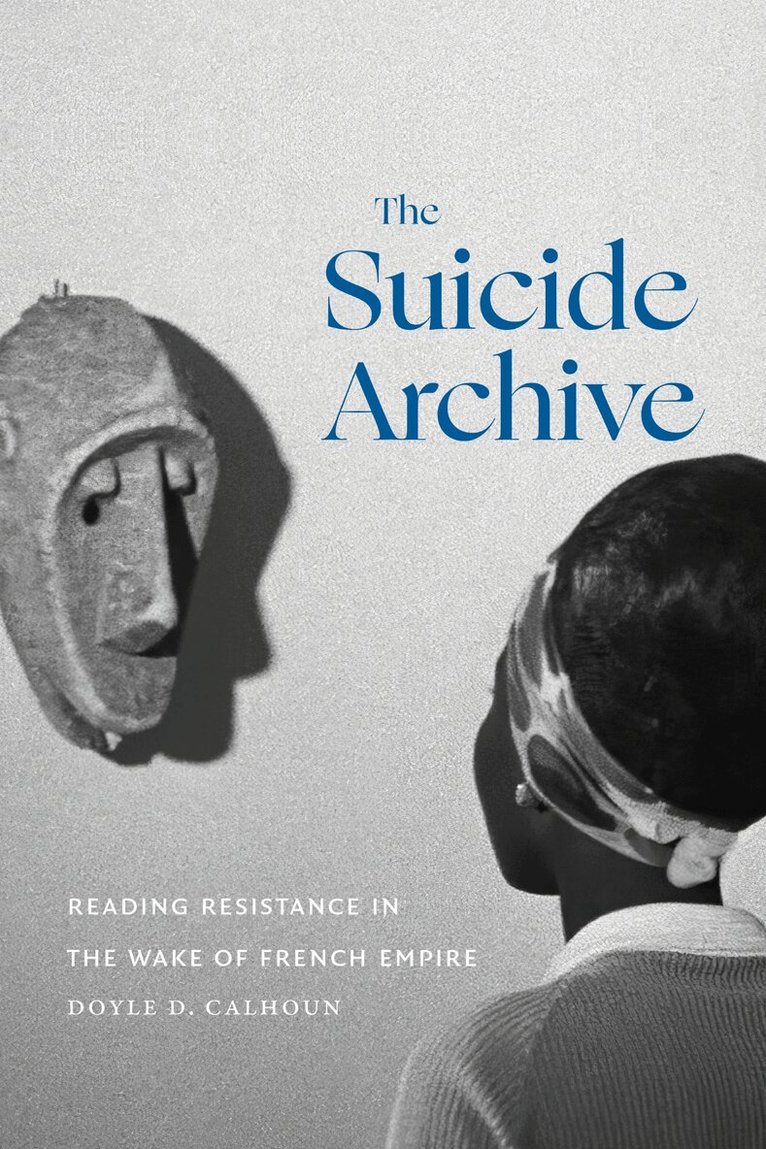
Suicide Archive
Reading Resistance in the Wake of French Empire
Inbunden, 2024
1388 kr
Lägg i varukorg
Throughout the French empire, from the Atlantic and the Caribbean to West and North Africa, men, women, and children responded to enslavement, colonization, and oppression through acts of suicide. In The Suicide Archive, Doyle D. Calhoun charts a long history of suicidal resistance to French …
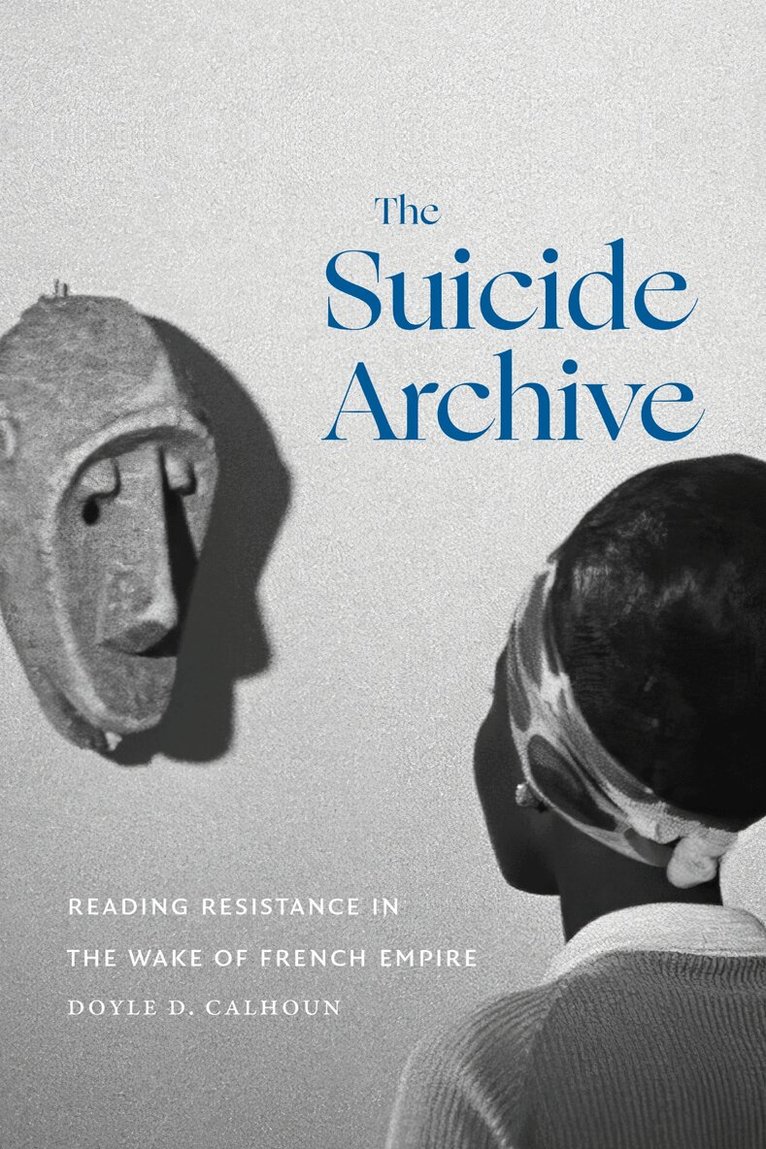
Suicide Archive
Reading Resistance in the Wake of French Empire
Häftad, 2024
361 kr
Lägg i varukorg
Throughout the French empire, from the Atlantic and the Caribbean to West and North Africa, men, women, and children responded to enslavement, colonization, and oppression through acts of suicide. In The Suicide Archive, Doyle D. Calhoun charts a long history of suicidal resistance to French …
Essential Senghor
African Philosophy and Black Aesthetics
Av Léopold Sédar Senghor, Doyle D. Calhoun m. fl.
Inbunden, 2026
1616 kr
Lägg i varukorg
Senegalese poet, philosopher, and politician Léopold Sédar Senghor, together with Aimé Césaire and others, developed the influential and perennially relevant negritude movement – a Black artistic, philosophical, and political expression of Black presence in the modern colonial world. The Essential …
Essential Senghor
African Philosophy and Black Aesthetics
Av Léopold Sédar Senghor, Doyle D. Calhoun m. fl.
Häftad, 2026
395 kr
Lägg i varukorg
Senegalese poet, philosopher, and politician Léopold Sédar Senghor, together with Aimé Césaire and others, developed the influential and perennially relevant negritude movement – a Black artistic, philosophical, and political expression of Black presence in the modern colonial world. The Essential …
Suicide Archive
Reading Resistance in the Wake of French Empire
E-bok, 2024
543 kr
Lägg i varukorg
Throughout the French empire, from the Atlantic and the Caribbean to West and North Africa, men, women, and children responded to enslavement, colonization, and oppression through acts of suicide. In The Suicide Archive , Doyle D. Calhoun charts a long history of suicidal resistance to French …