Drew Collins - Böcker
Visar alla böcker från författaren Drew Collins. Handla med fri frakt och snabb leverans.
3 produkter
3 produkter
625 kr
Skickas inom 10-15 vardagar
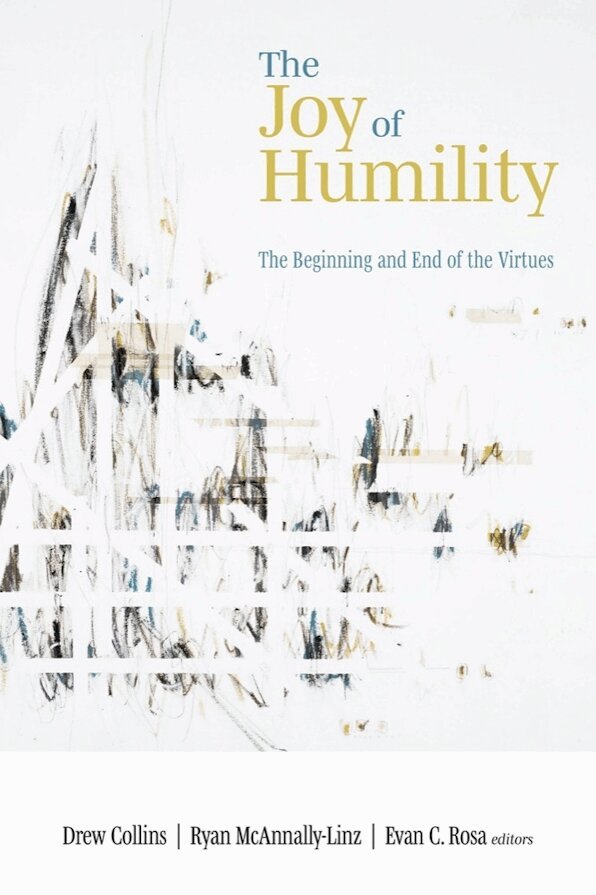
The true meaning of humility persistently drives debate, largely because we cannot agree on the word's definition. The "correctness" of normative terms matters, and humility carries a distinctive normative weight. How we understand humility is not a matter of mere semantics. It is a pursuit of inquiry with the potential to inform—perhaps even to transform—our lives. The Joy of Humility takes up this task with a view toward the perennial question of what entails a truly flourishing life. Here, philosophers, theologians, ethicists, and psychologists work to frame the debate in such a way that the conversation can move forward. To model this goal, each chapter prompts a response to which the chapter's author offers a reply. Part one considers the scope and implications of humility as a contested concept; part two works toward clarity on how to measure humility as a trait and its potential impact on individuals and society.With contributions from Miroslav Volf, Norman Wirzba, Stacey M. Floyd-Thomas, Jason Baehr, Lisa Sowle Cahill, Don E. Davis, Kent Dunnington, Jane Foulcher, Sarah Gazaway, Jennifer A. Herdt, Elizabeth J. Krumrei-Mancuso, Robert C. Roberts, and Everett L. Worthington Jr., The Joy of Humility offers an engaging discourse for everyone, laypeople and scholars alike, to consider these profoundly human questions. By opening up the space for dialogue to push past ideological and cultural assumptions, this volume challenges us to consider how humility, in calling us to esteem others as integral to our own well-being, opens us up to a life of joy.
556 kr
Skickas
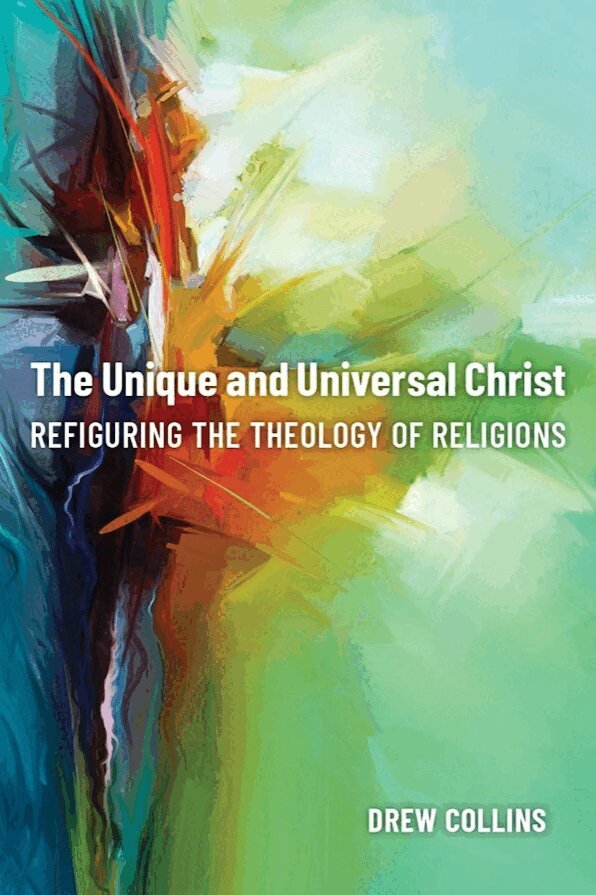
From the early days of the Christian faith, the relationship between the twin realities of Jesus' historical particularity and universal presence has been a theological puzzle. The apparent dichotomy of the two leads Christ-followers to ponder some difficult questions: Who is Jesus is to those who do not know him? Who are those who do not know him to those who do? Do "we" who follow Jesus meet him in "those" who do not?Contemporary debates concerning Christian theology of religions have been profoundly shaped by Alan Race's threefold typology of exclusivism, inclusivism, and pluralism. Scholars increasingly recognize the insufficiency of this typology, and a consensus about how to replace it remains elusive. With The Unique and Universal Christ, Drew Collins argues that an alternative theological approach to the relation between the uniqueness of Jesus Christ and the universality of God's presence can be gleaned from the theology of Hans Frei and his fivefold typology of Christian theology. With Frei's model as an interpretive lens, Collins examines the various ecumenical movements of the twentieth century and their conversations around theological authority in connection to Christianity's relationship with other faith traditions. A new paradigm emerges for conceptualizing Christian faith amid the rich diversity of our world. Reconsidered in this light, the Christian theology of religions ceases to be a combative venture that pits a Christian faith committed to the scandalous particularity of Jesus Christ's identity as the Son of God against a faith open to the possibility of encountering the divine presence in the world at large. Instead, it becomes a mode of exploration, hoping for such encounters with the universal presence of Christ because of the uniqueness of Jesus.
518 kr
Skickas inom 10-15 vardagar
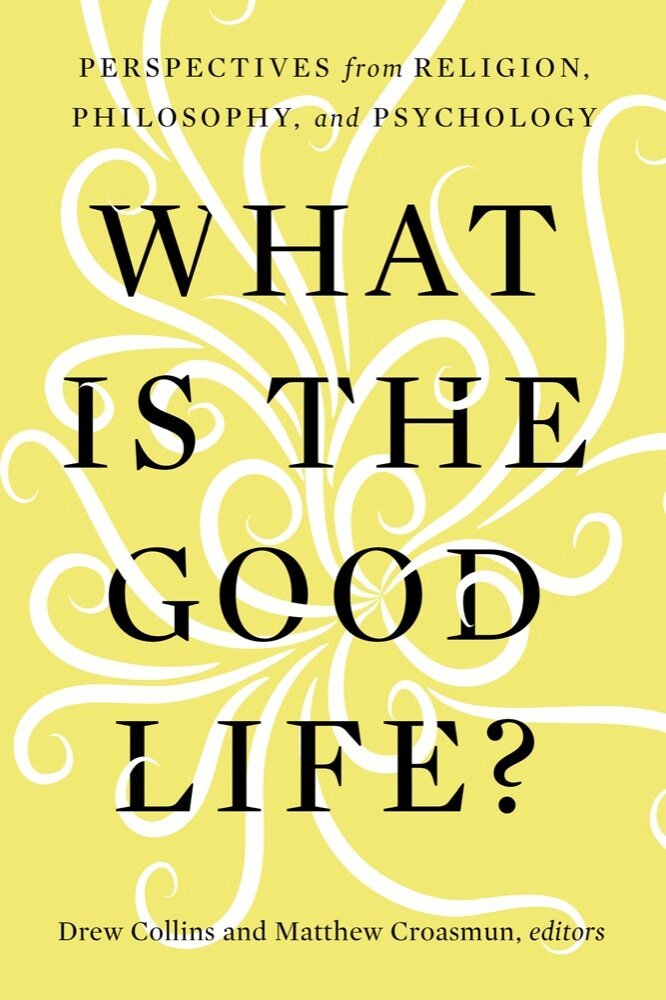
We have more options and choices to make about how we want to live than ever before. But where do we turn for guidance as we choose how to live? Are we so focused on choosing what we want for our lives that we have forgotten to ask ourselves what is a good life and what is worth wanting? In What is the Good Life?: Perspectives from Religion, Philosophy, and Psychology, leading scholar-practitioners from nine different traditions--religious and secular--each offer an account of the good life. These accounts explore the distinct visions construed by their respective traditions from within a shared threefold heuristic schema of agency, circumstance, and affect. Presented in this way, the existential concern and normative force of these traditions are brought to the fore, inviting readers to explore the commonality of this central question across a variety of traditions alongside their unique and distinct responses. What is the Good Life? offers readers a conceptual guide for navigating our pluralistic world and specific examples of the visions of the good life they might encounter. Although these traditions provide decidedly different accounts of the good life, they are united in their capacity to make claims about the world and our place in it--normative claims, with ineradicable existential force--with which we might grapple, provided we are given the opportunity. And it is the invitation to take up such first-person grappling that this book provides.