Drew Sawyer - Böcker
Visar alla böcker från författaren Drew Sawyer. Handla med fri frakt och snabb leverans.
6 produkter
6 produkter
432 kr
Skickas inom 7-10 vardagar
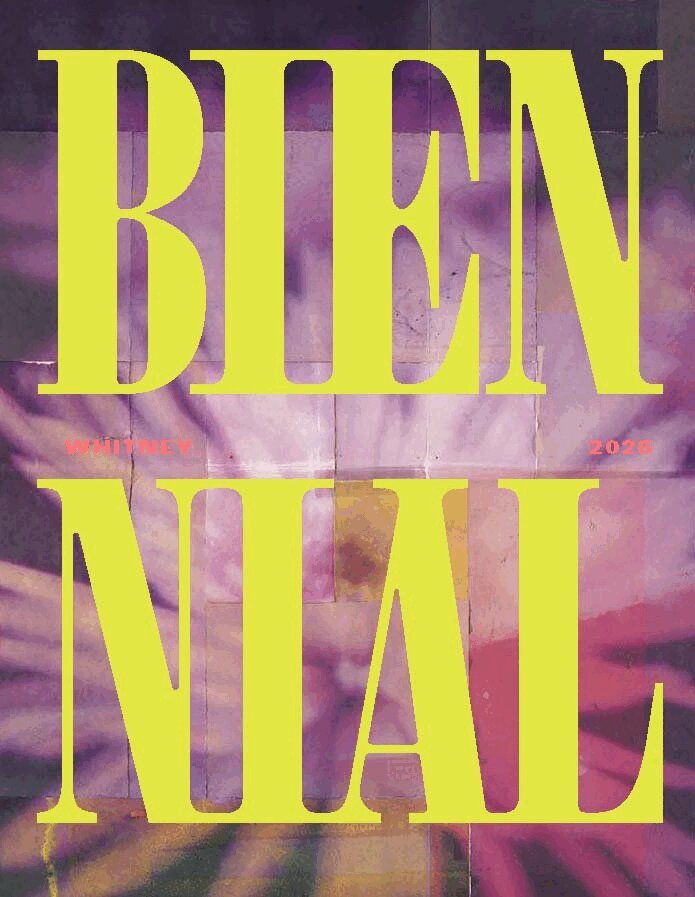
A companion to the 2026 installment of the Whitney’s signature exhibition features the work of artists defining contemporary art in the United States today The curators Marcela Guerrero and Drew Sawyer are both known for rigorous and acclaimed exhibitions of a broad range of artists. For the 2026 iteration of the storied Whitney Biennial, they have considered the concerns of American artists working across the country and abroad, resulting in a powerful and important exhibition. Artists’ voices are central to this book; each artist has participated in a conversation with a curator, writer, or art historian, and these insightful and illuminating texts appear alongside the artist’s work. Conceived in the style of longform magazine conversations, they provide a unique window into emerging artists’ work and thinking. Essays by Guerrero and Sawyer surface themes and influences specific to each curator. Since its introduction in 1932, the Whitney Biennial—the Museum’s signature exhibition—has charted new developments in contemporary art. Amid ongoing upheavals in cultural, social, and political spheres, this volume offers an engaging intergenerational take on the storied institution of the Biennial while continuing to serve, as previous editions have, as an invaluable resource on present-day trends in contemporary art in the United States. Distributed for the Whitney Museum of American Art Exhibition Schedule: Whitney Museum of American Art, New York(March 11–August 30, 2026)
476 kr
Skickas inom 7-10 vardagar
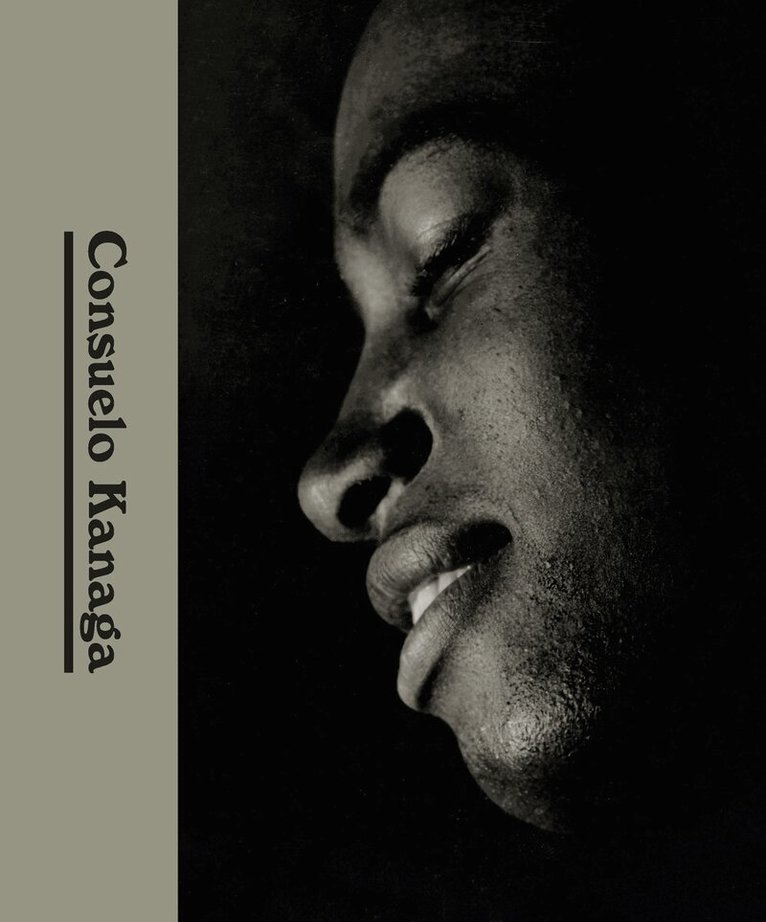
A substantial new appraisal of Consuelo Kanaga (1894–1978), one of the pioneers of modern American photography. Consuelo Kanaga (1894–1978) was one of the pioneers of modern American photography. Beginning her career in 1915 as a photojournalist for the San Francisco Chronicle, Kanaga quickly became a highly skilled darkroom technician, developing a distinctly artistic aesthetic style inspired by the photography of Alfred Stieglitz. Over the next six decades, she produced beautifully composed images over a wide range of subjects, characterized by an abiding interest in the social conflicts of her time including urban poverty, workers’ rights, racial segregation and prevailing inequality. She became especially known for her emotional and introspective portraits of African Americans, which combined modernist formal technique and radical documentary commentary. Featuring 200 photographs from the collection of the Brooklyn Museum, this substantial new appraisal of Consuelo Kanaga’s work establishes her place as one of America’s most vital 20th-century photographers. Published to accompany a major touring exhibition from 2024–2026 at Fundación MAPFRE, Barcelona; Fundación MAPFRE, Madrid; San Francisco Museum of Modern Art, San Francisco; and Brooklyn Museum, New York.
406 kr
Skickas inom 7-10 vardagar
Francesca Woodman took her first photograph at the age of the thirteen. From the time she was a teenager until her death at twenty-two, she produced a fascinating body of work exploring gender, representation, and sexuality by photographing her own body and those of her friends. Featuring approximately forty unique vintage prints, as well as notes, letters, postcards, and other ephemera related to the artist s burgeoning career, the volume, which accompanies an exhibition of the same name at MCA Denver, details both Woodman s creative and personal coming-of-age during the years 1975-1979. Francesca Woodman: Portrait of a Reputation considers how the artist came into her creative voice and her singular approach to photography at a notably young age. Ranging from portraits in her studio/apartment in college to self-portraits in the bucolic Colorado landscape in which she was raised, these works capture Woodman s hallmark approach to art making: enigmatic, rigorous, and poignant. The volume also includes select photographs of Woodman taken by friend and RISD classmate George Lange during this period. Taken together, they present a nuanced and in-depth study of this formative period in the development of this groundbreaking artist.
564 kr
Tillfälligt slut
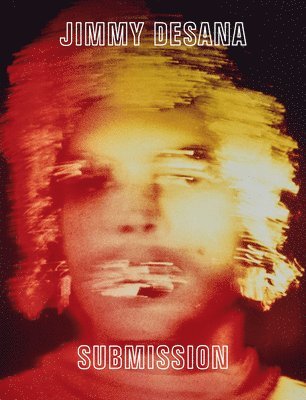
The first comprehensive book on the surreal, queer and humorous photographic art of Jimmy DeSana, a central figure in New York’s art and music scenes of the 1970s and ’80sPublished with Brooklyn Museum.This is the first overview of the work of Jimmy DeSana, a pioneering yet underrecognized figure in New York’s downtown art, music and film scenes during the 1970s and 1980s. The book situates DeSana’s work and life within the countercultural and queer contexts in the American South as well as New York, through his involvement in mail art, punk and No Wave music and film, and artist collectives and publications.DeSana’s first major project was 101 Nudes, made in Atlanta during the city’s gay liberation movement. After moving to New York in 1973, DeSana became immersed in queer networks, collaborating with General Idea and Ray Johnson on zines and mail art, and documenting the genderqueer street performances of Stephen Varble.By the mid-1970s, DeSana was a fixture in New York’s No Wave music and film scenes, serving as portraitist for much of the period’s central figures and producing album covers for Talking Heads, James Chance and others. His book Submission, made with William S. Burroughs, humorously staged scenes out of a S&M manual that explored the body as object and the performance of desire. DeSana was also an early adopter of color photography, creating his best-known series, Suburban, in the late 1970s and early 1980s. This body of work explores relationships between gender, sexuality and consumer capitalism in often humorous, surreal ways. After DeSana became sick as a result of contracting HIV, he turned to abstraction, using experimental photographic techniques to continue to push against photographic norms.
399 kr
Skickas inom 5-8 vardagar
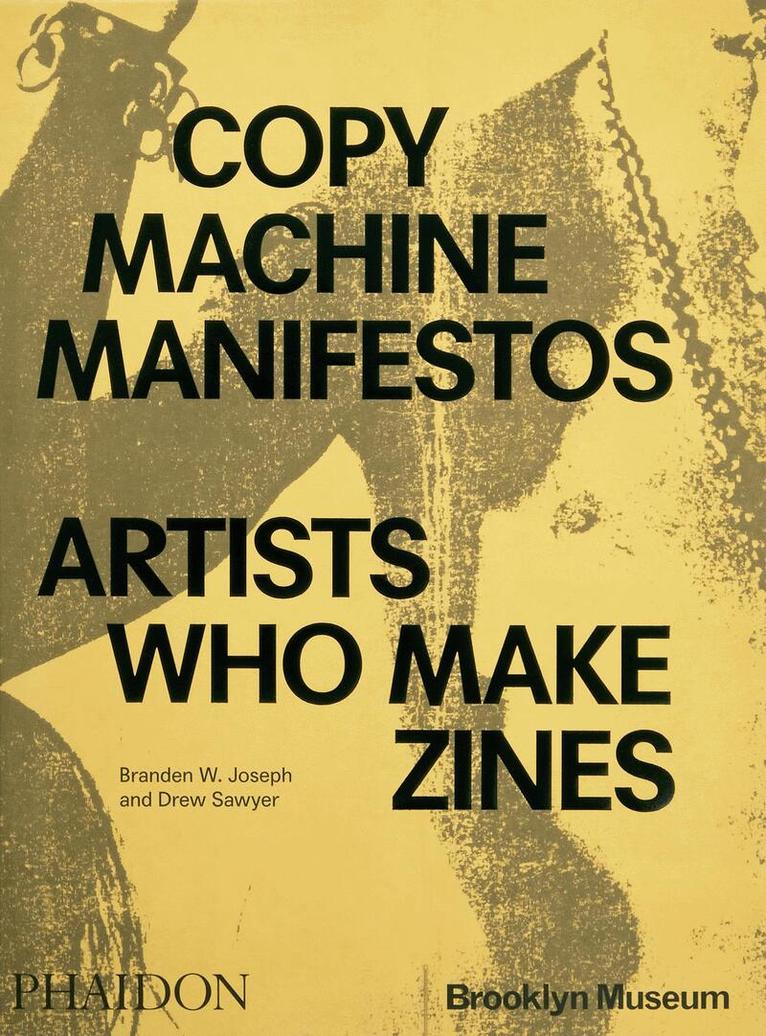
‘Excellent.’ – The New YorkerThe first publication dedicated to artists' zines in North America, a revelatory exploration of an unexamined but thriving aesthetic practiceCopy Machine Manifestos captures the rich history of artists' zines as never before, placing them in the lineage of the visual arts and exploring their vibrant growth over the past five decades. Fully illustrated with hundreds of zine covers and interiors, alongside work in other media, such as painting, photography, film, video, and performance, the book also features brief biographies for more than 100 zine-makers including Beverly Buchanan, Mark Gonzales, G.B. Jones, Miranda July, Bruce LaBruce, Terence Koh, LTTR, Ari Marcopoulos, Mark Morrisroe, Raymond Pettibon, Brontez Purnell, Paul Mpagi Sepuya, and Kandis Williams. Accompanying a major exhibition at the Brooklyn Museum, this expansive book, bound as a paperback with a separate jacket, focuses on zines from North America, celebrating how artists have harnessed the medium's essential role in community building and transforming material and conceptual approaches to making art across all media since 1970.
250 kr
Skickas inom 7-10 vardagar
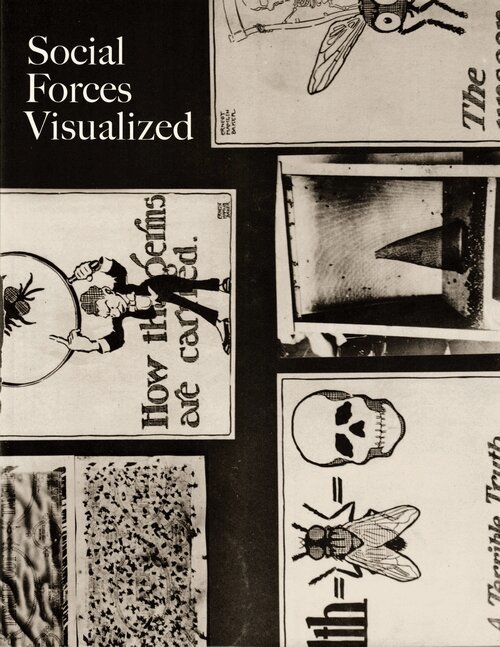
Through essays, plates, and reproductions, the accompanying catalogue presents the range of photographs and other materials in the Community Service Society records. In the foreword, Maren Stange revisits her foundational study "Symbols of Ideal Life: Social Documentary Photography in America, 1890-1950" in which she wrote extensively about the photographic practices of the Charity Organization Society and addressed the ongoing significance of the collection to the history of photography. Huffa Frobes-Cross provides a review of the extensive literature regarding the limitations of a progressive documentary tradition, including critiques during the 1970s and 1980s by Susan Sontag, Martha Rosler, and Allan Sekula, among others. This essay historicizes these arguments while taking into consideration the growing field of scholarship that has developed on photography of suffering, violence and poverty. Drew Sawyer's essay focuses on the visual culture of housing reform to highlight the heterogeneous and changing visual strategies of these two organizations at the turn of the twentieth century. More specifically, the essay deals with abundance of overlooked photographs of architecture in the archive. In doing so, it provides a corrective to scholarship and criticism that has focused on images of people and suffering rather than the built environment.