Duco Hellema – författare
Visar alla böcker från författaren Duco Hellema. Handla med fri frakt och snabb leverans.
7 produkter
Global 1970s
Radicalism, Reform, and Crisis
Av Duco Hellema
Inbunden, 2018
2578 kr
Lägg i varukorg
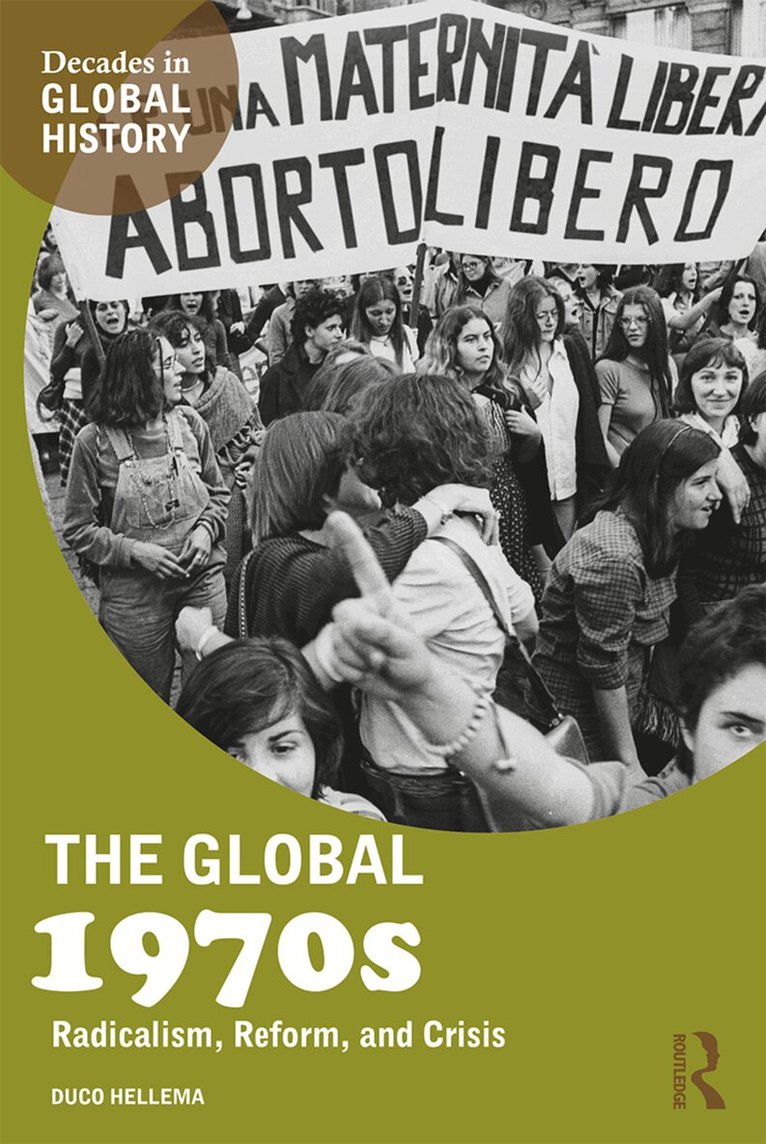
No other decade evokes such contradictory images as the 1970s: reform and emancipation on the one hand, crisis and malaise on the other. In The Global 1970s: Radicalism, Reform, and Crisis, Duco Hellema portrays the 1970s as a period of global transition.Across the world, the early and mid-1970s …
Global 1970s
Radicalism, Reform, and Crisis
Av Duco Hellema
Häftad, 2018
665 kr
Lägg i varukorg
No other decade evokes such contradictory images as the 1970s: reform and emancipation on the one hand, crisis and malaise on the other. In The Global 1970s: Radicalism, Reform, and Crisis, Duco Hellema portrays the 1970s as a period of global transition.Across the world, the early and mid-1970s …
Global 1970s
Radicalism, Reform, and Crisis
Av Duco Hellema
E-bok, 2018
768 kr
Lägg i varukorg
No other decade evokes such contradictory images as the 1970s: reform and emancipation on the one hand, crisis and malaise on the other. In The Global 1970s: Radicalism, Reform, and Crisis, Duco Hellema portrays the 1970s as a period of global transition. Across the world, the early and mid-1970s …
Global 1970s
Radicalism, Reform, and Crisis
Av Duco Hellema
E-bok, 2018
785 kr
Lägg i varukorg
No other decade evokes such contradictory images as the 1970s: reform and emancipation on the one hand, crisis and malaise on the other. In The Global 1970s: Radicalism, Reform, and Crisis, Duco Hellema portrays the 1970s as a period of global transition. Across the world, the early and mid-1970s …
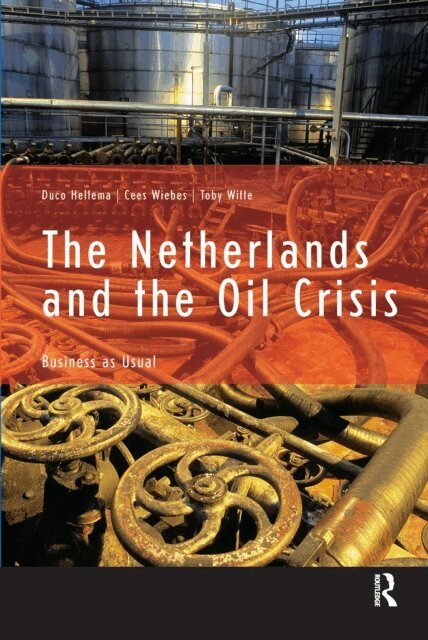
Netherlands and the Oil Crisis
Business as Usual
Av Duco Hellema
E-bok, 2025
28 kr
Lägg i varukorg
The Netherlands played a remarkable role during the October War and the oil crisis of 1973. In secret, the Dutch government sent a substantial amount of ammunition and spare parts to Israel. The Dutch supported Israel also politically. Within the EC they vetoed a more pro-Arab policy.The Arab oil …
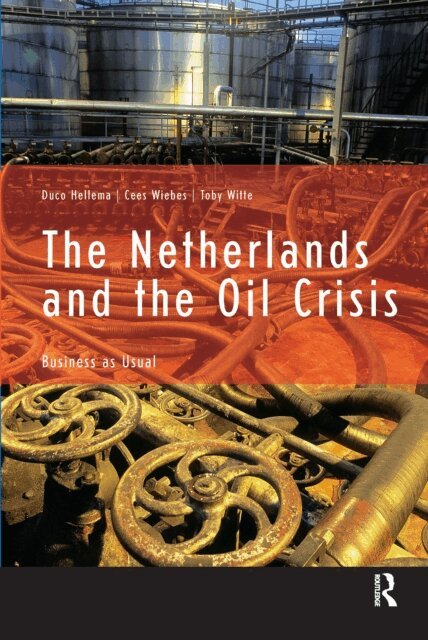
Netherlands and the Oil Crisis
Business as Usual
Av Duco Hellema
E-bok, 2025
1256 kr
Lägg i varukorg
The Netherlands played a remarkable role during the October War and the oil crisis of 1973. In secret, the Dutch government sent a substantial amount of ammunition and spare parts to Israel. The Dutch supported Israel also politically. Within the EC they vetoed a more pro-Arab policy.The Arab oil …
Netherlands and the Oil Crisis
Business as Usual
Av Duco Hellema
Häftad, 2004
1203 kr
Lägg i varukorg
The Netherlands played a remarkable role during the October War and the oil crisis of 1973. In secret, the Dutch government sent a substantial amount of ammunition and spare parts to Israel. The Dutch supported Israel also politically. Within the EC they vetoed a more pro-Arab policy.The Arab oil …