Dulce Maria Loynaz – författare
Visar alla böcker från författaren Dulce Maria Loynaz. Handla med fri frakt och snabb leverans.
4 produkter
4 produkter
185 kr
Skickas inom 11-20 vardagar
259 kr
Skickas inom 5-8 vardagar
396 kr
Tillfälligt slut
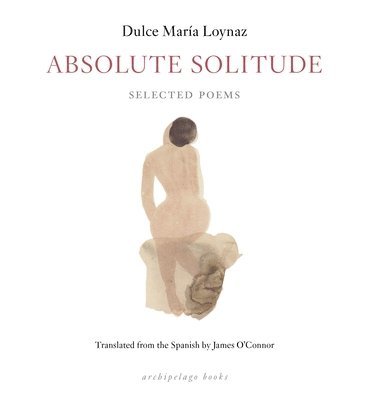
Dulce Maria Loynaz (1902-1997) has been called Cuba's own Emily Dickinson. Although Loynaz was widely published in Spain during the 1950s and was a close friend of Federico Garcia Lorca, Juan Ramon Jimenez and Gabriela Mistral, her poetry was forbidden in her own country and she herself was ostracised under Castro's dictatorship. Unlike many Cuban writers and intellectuals, Loynaz did not go into exile after the Cuban Revolution. She remained in Cuba, but she never joined the Communist Party and her poetry was considered taboo because of its individualistic, apolitical preoccupations. Loynaz's poetry and prose were not published in Cuba until 1993, a year after she unexpectedly won the Cervantes Prize at the age of 90. Today, Loynaz stands alongside Jose Marti, Nicolas Guillen and Jose Lezama Lima as one of Cuba's greatest cultural icons. The first English publication of her work, "Against Heaven" contains a selection of poems from each of Loynaz's books translated by James O'Connor, including the acclaimed prose poems from "Poems with No Names", and a selection of posthumously published work.
176 kr
Tillfälligt slut
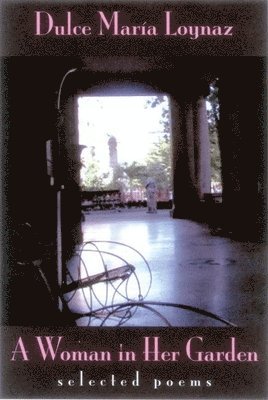
Born in Cuba in 1902, Dulce Maria Loynaz established her reputation as a poet in the first half of the 20th century. After the Cuban Revolution in 1959, she retreated to her beloved house in Havana, vowing never to write poetry again. Although her class privilege gave her the means to leave the island, she steadfastly refused to do so, even after her husband left in 1961. Her fierce loyalty to Cuba so devoid of political ideology, touched a nerve with those seeking to reclaim the cultural wealth of their nation. After she received the Miguel de Cervante Prize, the most prestigious writing award in the Spanish language, in 1992, Loynaz came to be seen as a national jewel, a holy relic of a Creole aristocracy sufficiently loyal in its ideals about Cuban national independence that it could be respectfully win a place in post-revolutionary Cuba. She died in 1997.