Duncan B Campbell – författare
Visar alla böcker från författaren Duncan B Campbell. Handla med fri frakt och snabb leverans.
13 produkter
Rise of Imperial Rome AD 14–193
E-bok, 2014
171 kr
Lägg i varukorg
Based on up-to-date scholarship, an engaging account of Rome''s response to external challenges that covers nearly two centuries of warfare between the empire and its enemies. In this book Duncan Campbell explores the course of the wars that ensued as successive emperors sought to extend the …
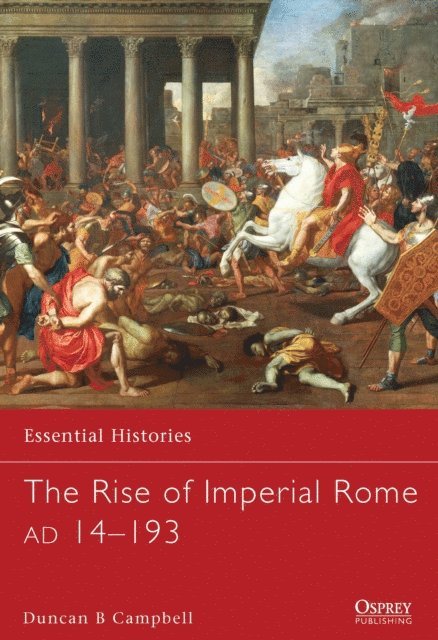
Rise of Imperial Rome AD 14–193
E-bok, 2013
177 kr
Lägg i varukorg
Fully illustrated and based on the latest scholarship, an engaging account of Rome''s response to external challenges that covers nearly two centuries of warfare between the empire and its enemies. In this book Duncan Campbell explores the course of the wars that ensued as successive emperors …
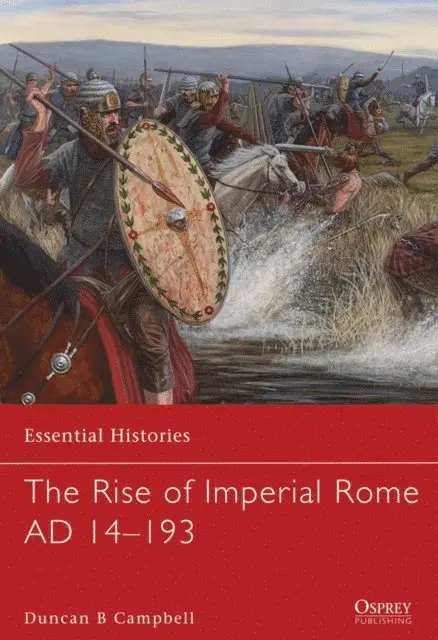
Rise of Imperial Rome AD 14–193
E-bok, 2013
177 kr
Lägg i varukorg
Fully illustrated and based on the latest scholarship, an engaging account of Rome''s response to external challenges that covers nearly two centuries of warfare between the empire and its enemies. In this book Duncan Campbell explores the course of the wars that ensued as successive emperors …
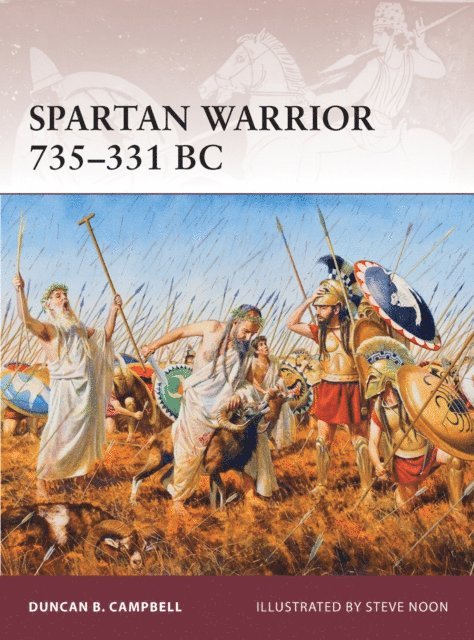
Spartan Warrior 735–331 BC
E-bok, 2012
214 kr
Lägg i varukorg
Immortalized through their exploits at the battle of Thermopylae under the legendary Leonidas, as well as countless other victories throughout the classical period, the Spartans were some of the best-trained, -organized and most-feared warriors of the ancient world. The small state of Sparta, known …
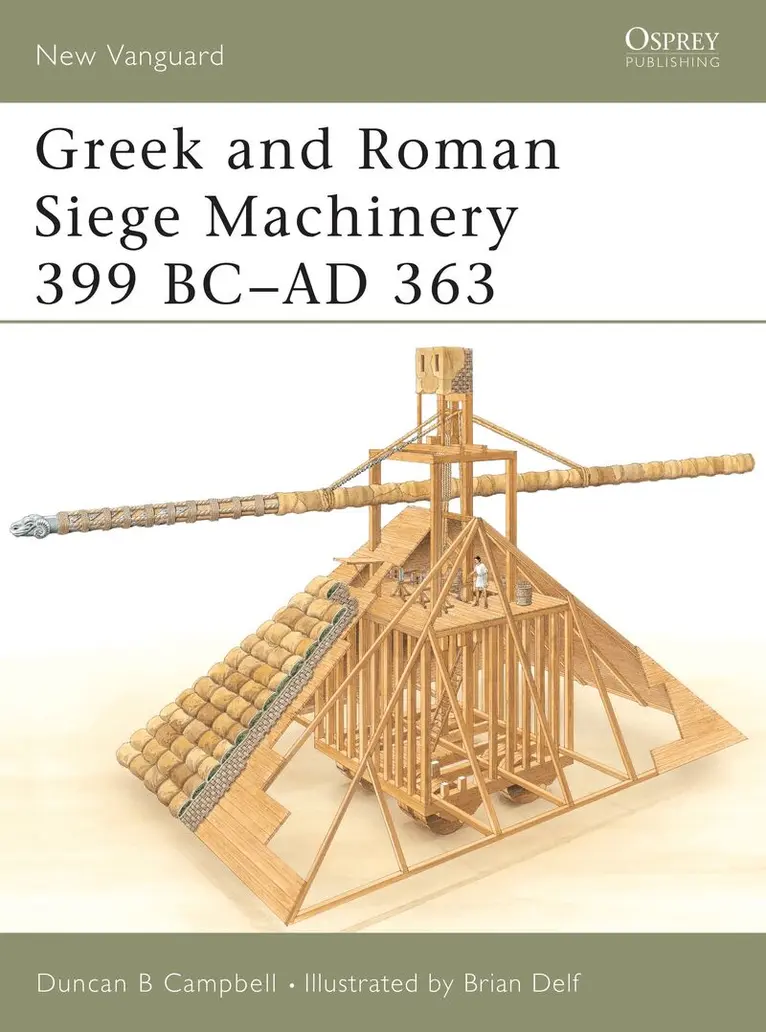
Greek and Roman Siege Machinery 399 BC–AD 363
Häftad, 2003
161 kr
Lägg i varukorg
Siege machinery first appeared in the West during the Carthaginian invasion of Sicily in the late-5th century BC, in the form of siege towers and battering rams.After a 50-year hiatus these weapons of war re-appeared in the Macedonian armies of Philip II and Alexander the Great, a period that saw …
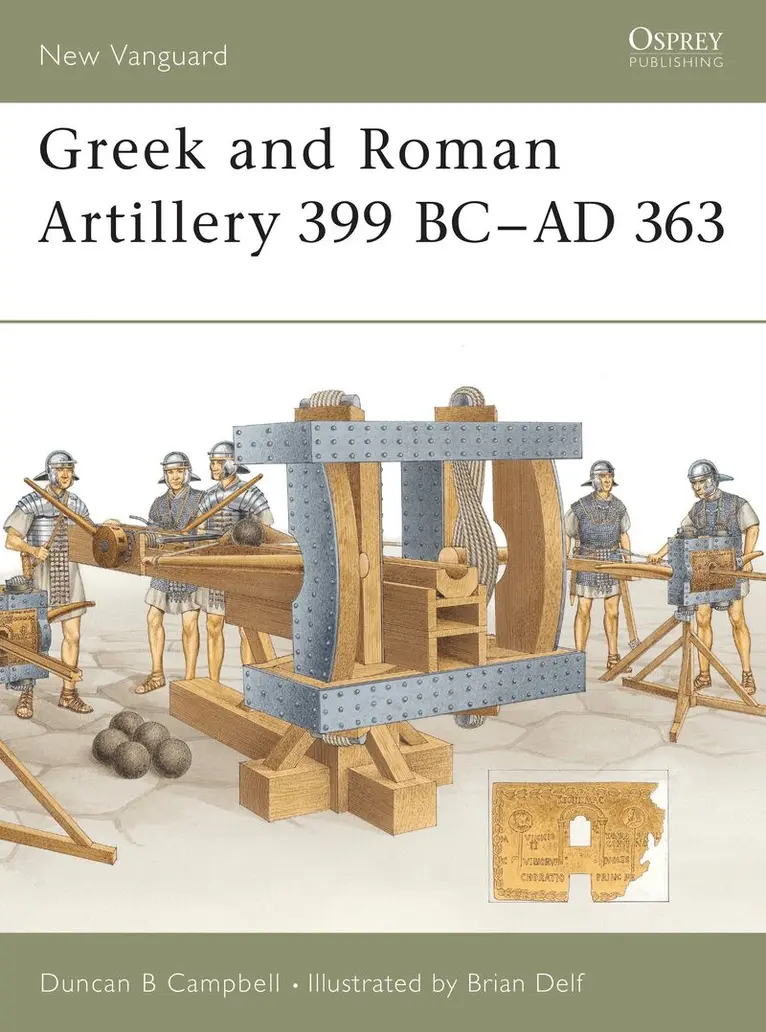
Greek and Roman Artillery 399 BC–AD 363
Häftad, 2003
5,0 utav 5 stjärnor. Totalt antal röster: (1)
172 kr
Lägg i varukorg
The catapult (katapeltikon) was invented under the patronage of Dionysius I, tyrant of Syracuse, in the 4th century BC.At first only the arrow-firing variant was used, and it was not until the reign of Alexander the Great that stone-projecting catapults were introduced. The Romans adopted these …
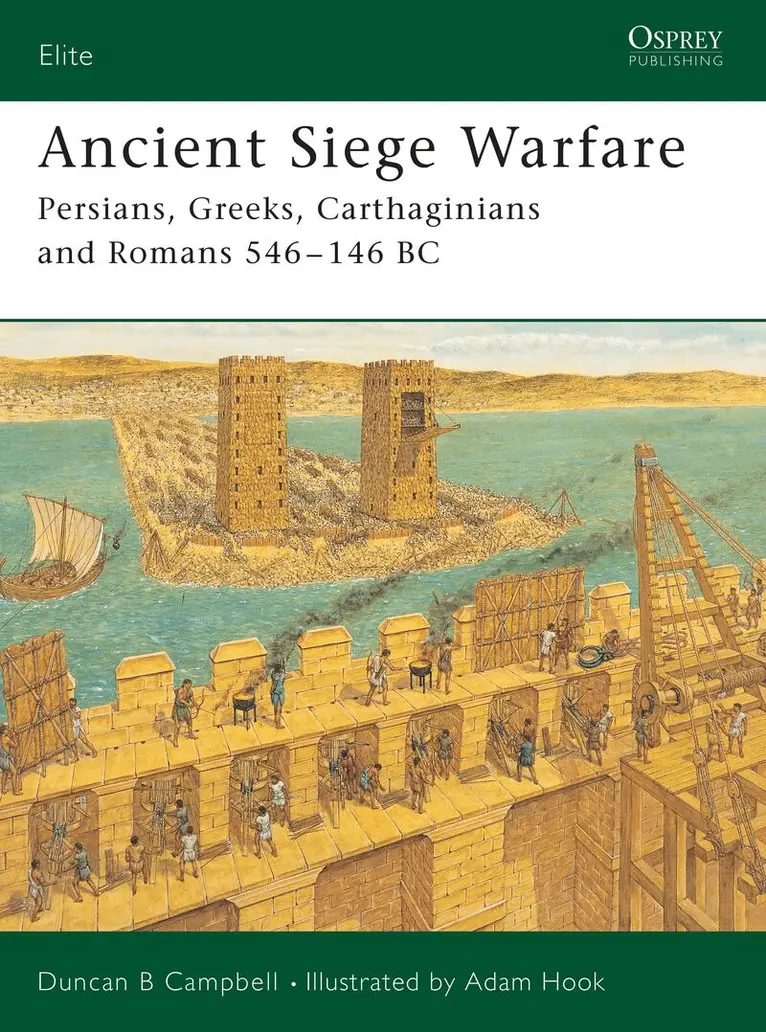
Ancient Siege Warfare
Persians, Greeks, Carthaginians and Romans 546–146 BC
Häftad, 2005
180 kr
Lägg i varukorg
Sieges played a central role in many conflicts of the ancient world and generals, including Darius, Alexander the Great, Hannibal and Scipio Africanus successfully used siegecraft to gain their objectives.As siege tactics became integral to success in war, generals employed the minds of engineers …
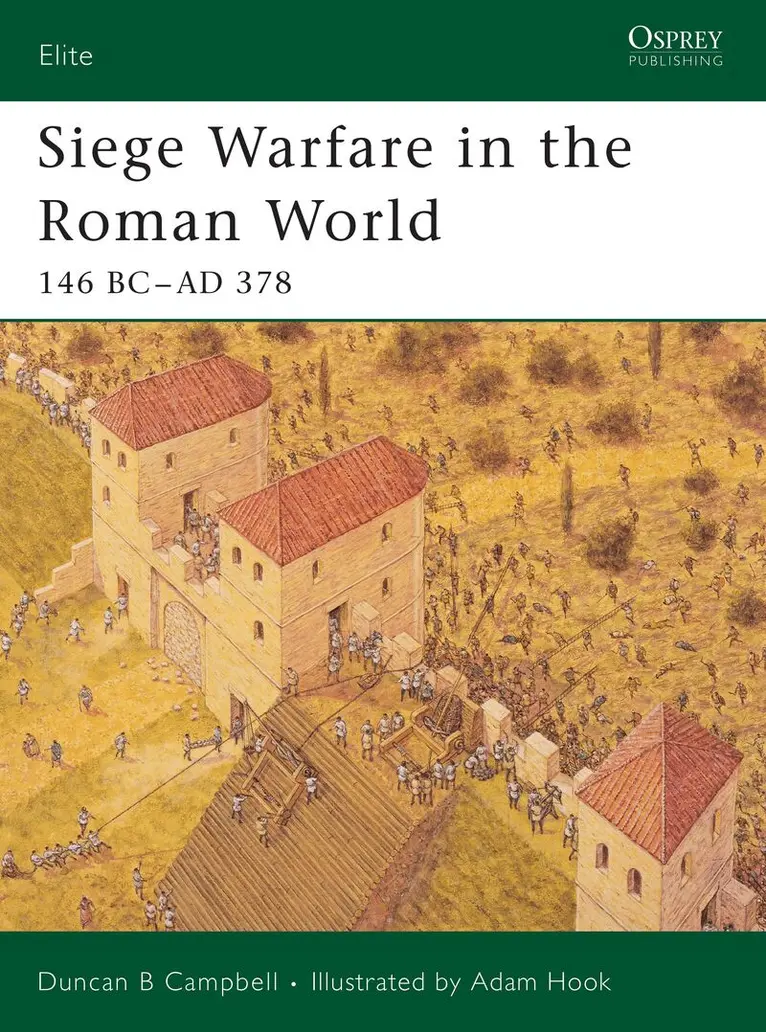
Siege Warfare in the Roman World
146 BC–AD 378
Häftad, 2005
185 kr
Lägg i varukorg
Sieges were often pivotal in Rome’s wars, including its conflicts with the Macedonians and Carthaginians in the 2nd century BC; the civil wars of the Republic; and the late Roman wars against the Sassanid Persians, who, alone amongst Rome’s adversaries, were equally skilled in siegecraft.This book …
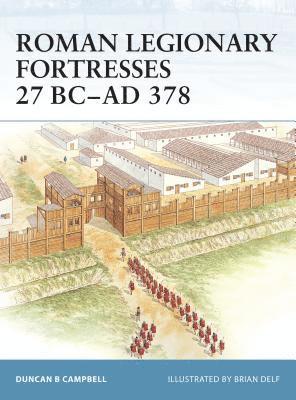
Roman Legionary Fortresses 27 BC–AD 378
Häftad, 2006
185 kr
Lägg i varukorg
From the reign of Augustus (27 BC–AD 14) onwards the Roman Army became a standing force with permanent fortresses distributed throughout the empire.These fortresses developed from the temporary fortifications of the legions on campaign into temporary wooden structures, before finally becoming more …
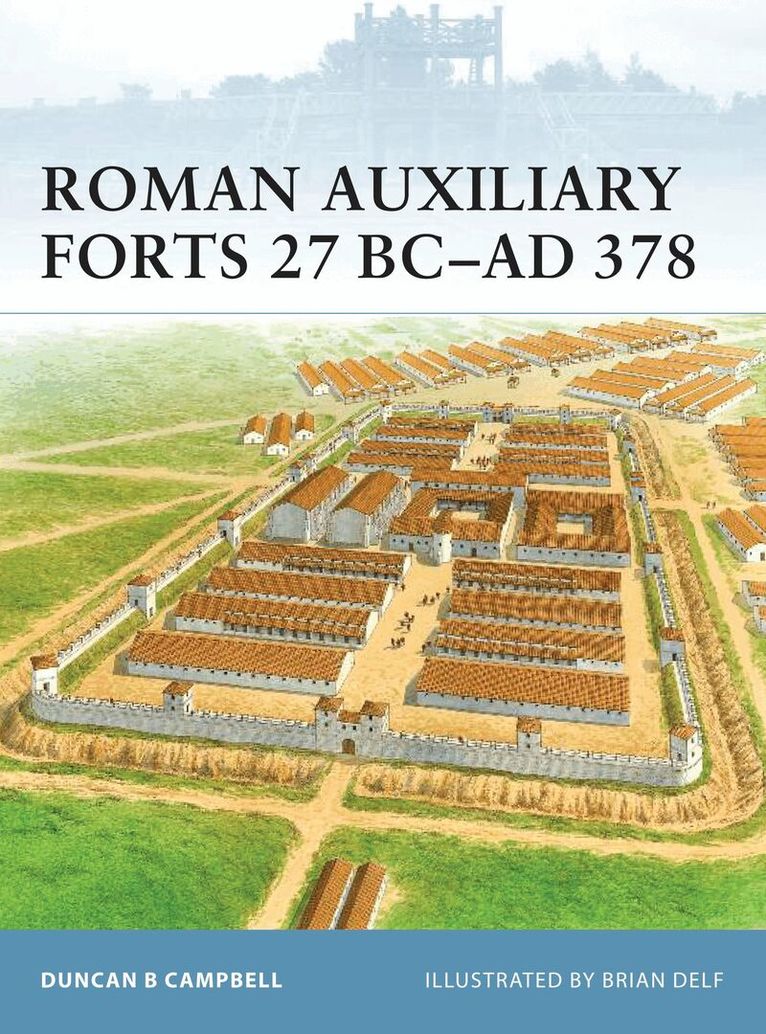
Roman Auxiliary Forts 27 BC–AD 378
Häftad, 2009
185 kr
Lägg i varukorg
With the vast expansion of the Roman Empire came a need for more and more fortifications to defend it.The borders of the Empire stretched through wildly different terrains which demanded a huge variety of different fortifications, depending on the local conditions and the threats faced by the …
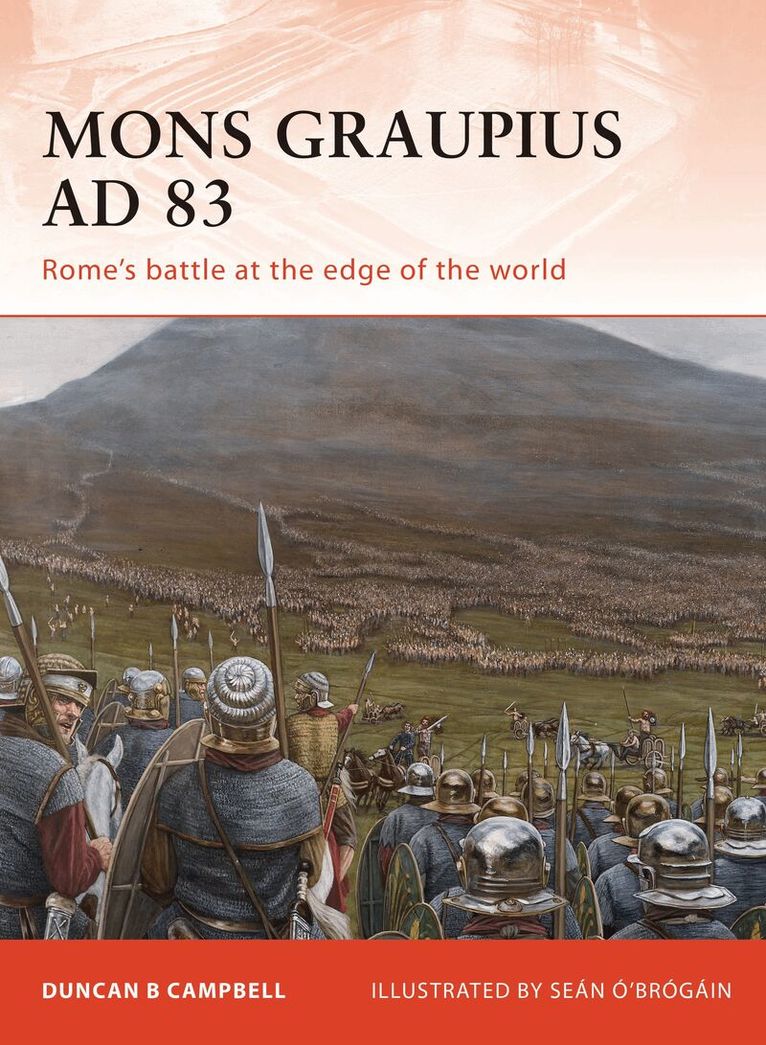
Mons Graupius AD 83
Rome’s battle at the edge of the world
Häftad, 2010
209 kr
Lägg i varukorg
A highly illustrated account of the Agricolan campaigns that saw the Roman conquest of Northern England and Scotland.In AD 77, Roman forces under Agricola marched into the northern reaches of Britain in an attempt to pacify the Caledonian tribesman. For seven years, the Romans marched and battled …
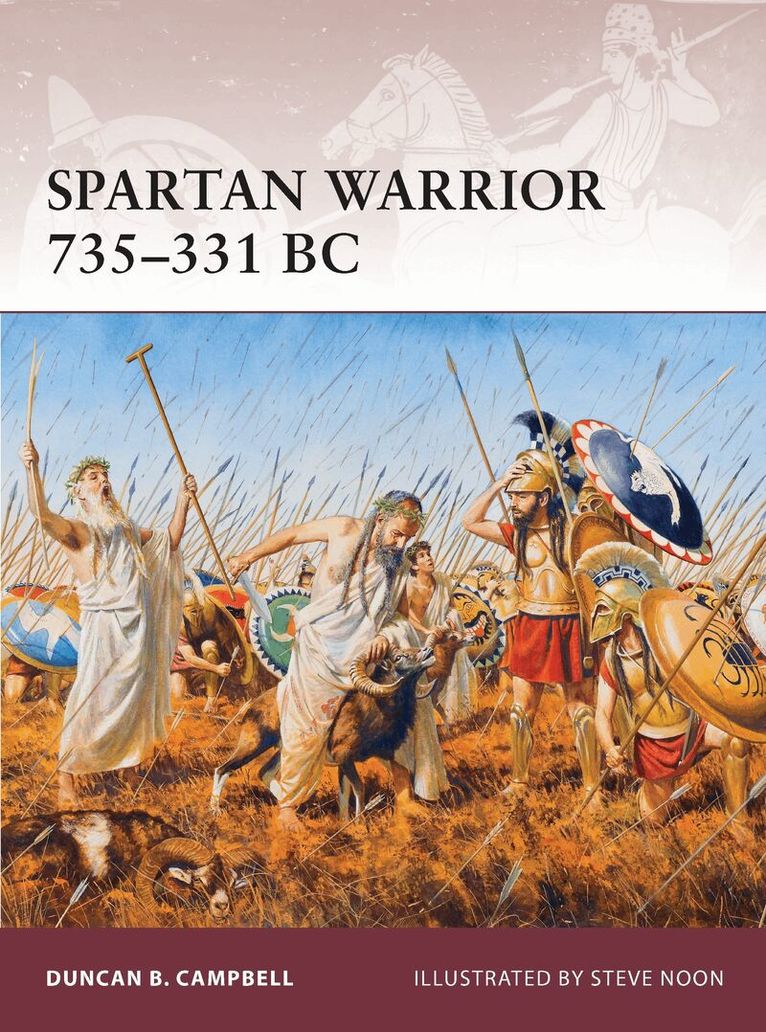
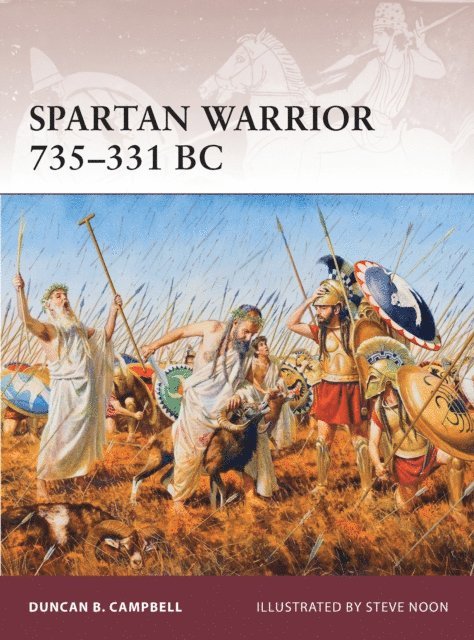
Spartan Warrior 735–331 BC
Häftad, 2012
185 kr
Lägg i varukorg
Immortalized through their exploits at the battle of Thermopylae under the legendary Leonidas, as well as countless other victories, the Spartans were some of the best-trained, -organized and most-feared warriors of the ancient world.The small state of Sparta, known to the Ancient Greeks as …
Spartan Warrior 735–331 BC
E-bok, 2012
214 kr
Lägg i varukorg
Immortalized through their exploits at the battle of Thermopylae under the legendary Leonidas, as well as countless other victories throughout the classical period, the Spartans were some of the best-trained, -organized and most-feared warriors of the ancient world. The small state of Sparta, known …