Duncan Petrie - Böcker
Visar alla böcker från författaren Duncan Petrie. Handla med fri frakt och snabb leverans.
9 produkter
9 produkter
1 410 kr
Skickas inom 7-10 vardagar
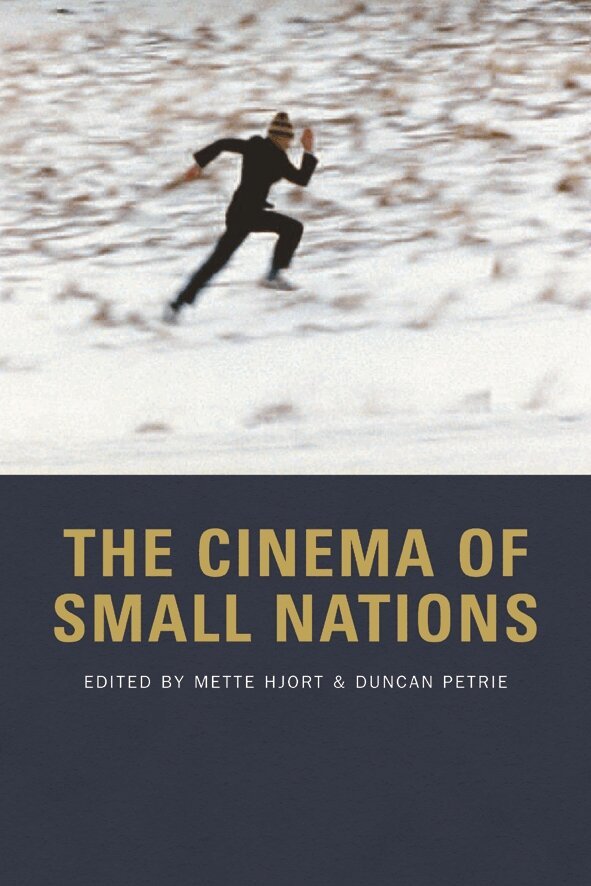
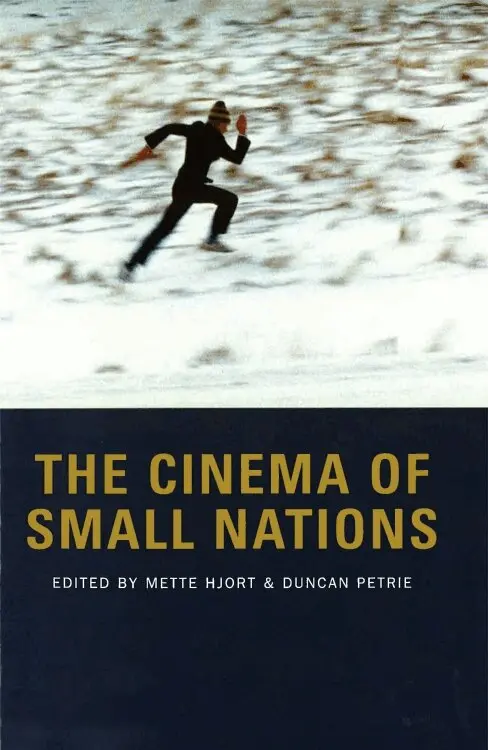
Within cinema studies there has emerged a significant body of scholarship on the idea of ‘National Cinema’ but there has been a tendency to focus on the major national cinemas. Less developed within this field is the analysis of what we might term minor or small national cinemas, despite the increasing significance of these small entities with the international domain of moving image production, distribution and consumption. The Cinema of Small Nations is the first major analysis of small national cinemas, comprising twelve case studies of small national - and sub national - cinemas from around the world, including Ireland, Denmark, Iceland, Scotland, Bulgaria, Tunisia, Burkina Faso, Cuba, Singapore, Taiwan, Hong Kong and New Zealand. Written by an array of distinguished and emerging scholars, each of the case studies provides a detailed analysis of the particular cinema in question, with an emphasis on the last decade, considering both institutional and textual issues relevant to the national dimension of each cinema. While each chapter contains an in-depth analysis of the particular cinema in question, the book as a whole provides the basis for a broader and more properly comparative understanding of small or minor national cinemas, particularly with regard to structural constraints and possibilities, the impact of globalization and internationalisation, and the role played by economic and cultural factors in small-nation contexts. Key features: * the first major study of a range of small national cinemas* detailed and informative studies of particular small national cinemas from around the globe* an implicit comparative element that reveals major similarities and differences across the case studies * a strong line up of international contributors including a number of major internationally recognised experts in the field* written in an accessible style to appeal to students, academics and the general reader alike.
408 kr
Skickas inom 7-10 vardagar
Within cinema studies there has emerged a significant body of scholarship on the idea of ‘National Cinema’ but there has been a tendency to focus on the major national cinemas. Less developed within this field is the analysis of what we might term minor or small national cinemas, despite the increasing significance of these small entities with the international domain of moving image production, distribution and consumption. The Cinema of Small Nations is the first major analysis of small national cinemas, comprising twelve case studies of small national - and sub national - cinemas from around the world, including Ireland, Denmark, Iceland, Scotland, Bulgaria, Tunisia, Burkina Faso, Cuba, Singapore, Taiwan, Hong Kong and New Zealand. Written by an array of distinguished and emerging scholars, each of the case studies provides a detailed analysis of the particular cinema in question, with an emphasis on the last decade, considering both institutional and textual issues relevant to the national dimension of each cinema. While each chapter contains an in-depth analysis of the particular cinema in question, the book as a whole provides the basis for a broader and more properly comparative understanding of small or minor national cinemas, particularly with regard to structural constraints and possibilities, the impact of globalization and internationalisation, and the role played by economic and cultural factors in small-nation contexts. Key features: * the first major study of a range of small national cinemas* detailed and informative studies of particular small national cinemas from around the globe* an implicit comparative element that reveals major similarities and differences across the case studies * a strong line up of international contributors including a number of major internationally recognised experts in the field* written in an accessible style to appeal to students, academics and the general reader alike.
1 002 kr
Tillfälligt slut
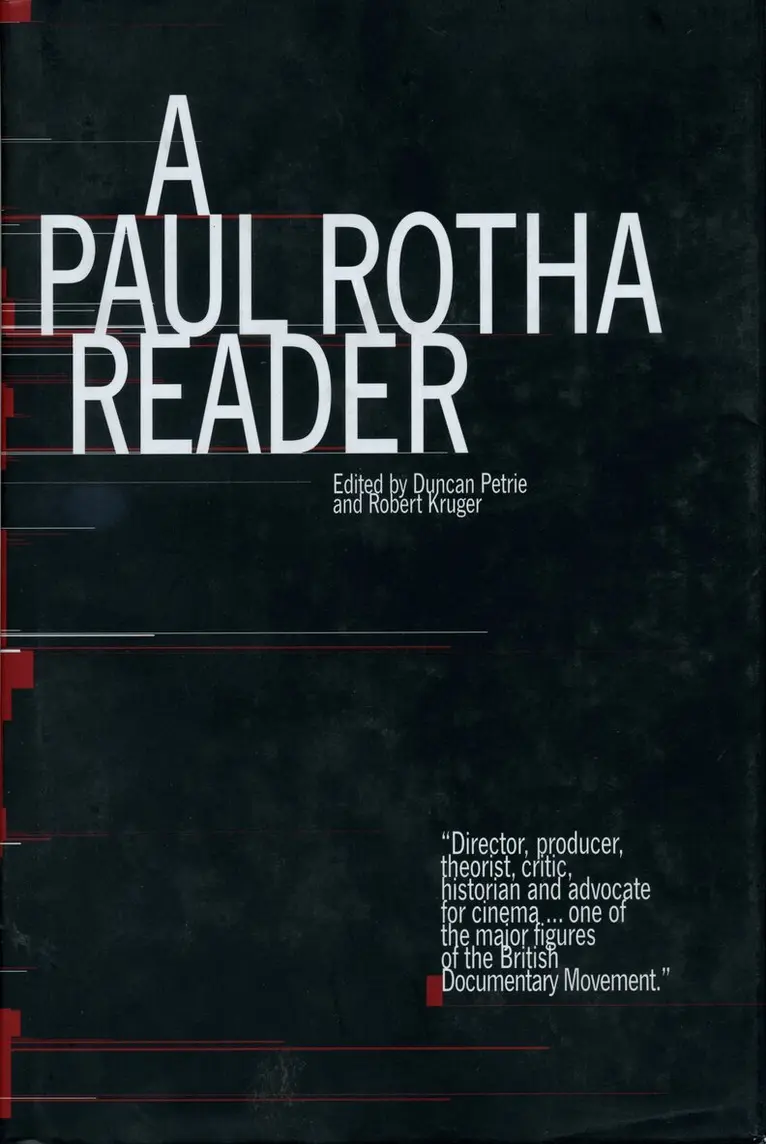
Paul Rotha was one of the major figures of the British Documentary Movement, second only to John Grierson. He was also a prolific writer, beginning with his celebrated book The Film Till Now, published in 1930. This volume brings together an edited collection of some of his most important writings and addresses a variety of topics including the theoretical basis of cinema, the emergence of an intellectual film culture in Britain, the state of the British film industry and his own experience of directing and producing films.A Paul Rotha Reader marks a major reappraisal of Rotha's significance as a theorist, critic and advocate for cinema as the most important form of mass communication in the modern world. It will be essential reading for anyone seriously interested in British cinema history.
1 410 kr
Skickas inom 7-10 vardagar
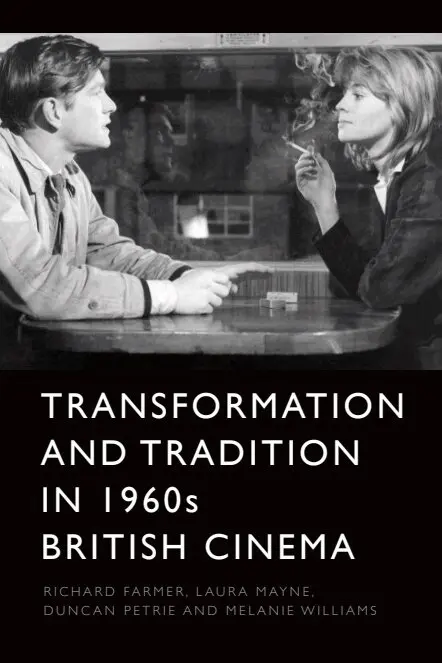
Over half a century on, the 1960s continue to generate strong intellectual and emotional responses – both positive and negative – and this is no less true in the arena of film. Making substantial use of new and underexplored archive resources that provide a wealth of information and insight on the period in question, this book offers a fresh perspective on the major resurgence of creativity and international appeal experienced by British cinema in that dramatic decade. Transformation and Tradition in 1960s British Cinema is the first scholarly volume on this period of British cinema for more than twenty-five years. It provides a major reconsideration of the period by focusing on the central tensions and contradiction between novelty/revolution and continuity/tradition during what remains a highly contentious period of cultural production and consumption.
748 kr
Skickas inom 3-6 vardagar
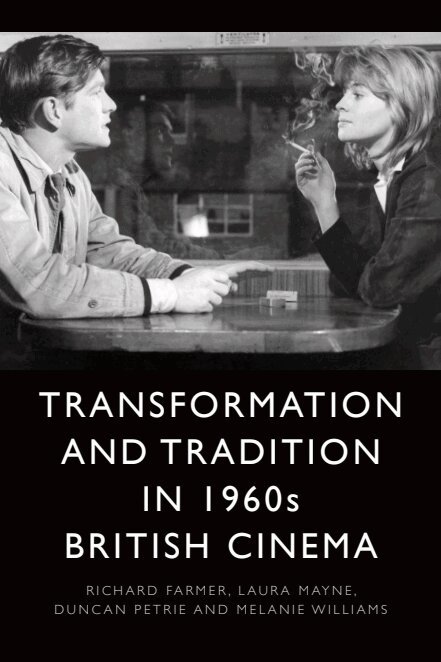
Over half a century on, the 1960s continue to generate strong intellectual and emotional responses – both positive and negative – and this is no less true in the arena of film. Making substantial use of new and underexplored archive resources that provide a wealth of information and insight on the period in question, this book offers a fresh perspective on the major resurgence of creativity and international appeal experienced by British cinema in that dramatic decade. Transformation and Tradition in 1960s British Cinema is the first scholarly volume on this period of British cinema for more than twenty-five years. It provides a major reconsideration of the period by focusing on the central tensions and contradiction between novelty/revolution and continuity/tradition during what remains a highly contentious period of cultural production and consumption.
1 410 kr
Skickas inom 7-10 vardagar
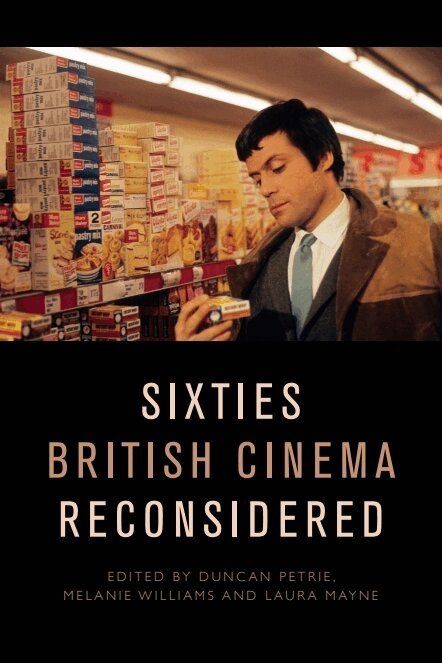
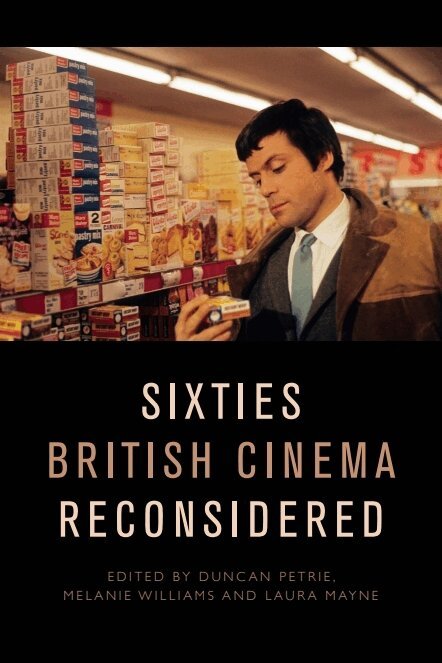
This collection of exciting new research on British cinema of the 1960s reconsiders and reframes the film culture that emerged from that tumultuous decade. Challenging assumptions around Sixties stardom, the book focuses on creative collaboration and the contribution of production personnel beyond the director, and discusses how cultural change is reflected in both film style and cinematic themes. With perspectives and insights from established scholars and new critical voices, Sixties British Cinema Reconsidered draws on under-explored archival resources to explore four key research areas: stars and stardom; creative collaborations in filmmaking; developments in genre and film style; and how the cinema of the period both responded and contributed to social and cultural transformation in the 1960s.
353 kr
Skickas
This collection of exciting new research on British cinema of the 1960s reconsiders and reframes the film culture that emerged from that tumultuous decade. Challenging assumptions around Sixties stardom, the book focuses on creative collaboration and the contribution of production personnel beyond the director, and discusses how cultural change is reflected in both film style and cinematic themes. With perspectives and insights from established scholars and new critical voices, Sixties British Cinema Reconsidered draws on under-explored archival resources to explore four key research areas: stars and stardom; creative collaborations in filmmaking; developments in genre and film style; and how the cinema of the period both responded and contributed to social and cultural transformation in the 1960s.
766 kr
Skickas inom 5-8 vardagar
A timely consideration of both the history and the current challenges facing practice-based film training, Educating Film-Makers is the first book to examine the history, impact and significance of film education in Britain, Europe and the United States. Film schools, the authors show, have historically focused on the cultivation of the film-maker as a cultural activist, artist or intellectual – fostering creativity and innovation. But more recently a narrower approach has emerged, placing a new emphasis on technical training for the industry. The authors argue for a more imaginative engagement and understanding of the broader social importance of film and television, suggesting that critical analysis and production should be connected. Examining current concerns facing practice-based film education in the digital era, this book is indispensable for both film teachers and students alike.
410 kr
Skickas inom 5-8 vardagar
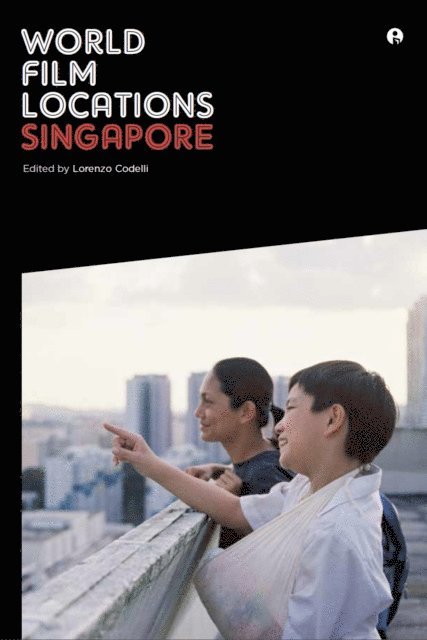
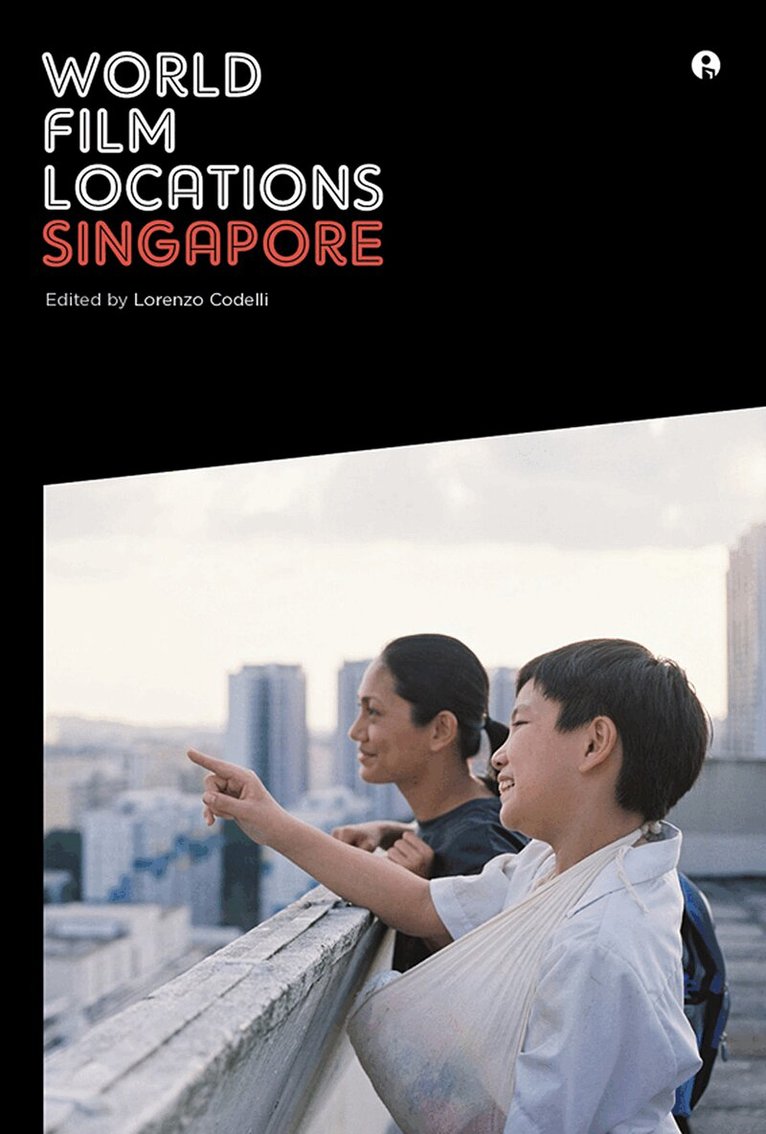
A vibrant city and country nestled at the foot of the Malaysian peninsula, Singapore has long been a crossroads, a stopping point and a cultural hub where goods, inventions and ideas are shared and traded. Though Singapore was home to a flourishing Chinese and Malay film industry in the 1950s and 1960s, between independence in 1965 and the early 1990s, few movies were made in Singapore. A new era for cinema in the sovereign city-state started with the international recognition of Eric Khoo’s first features, followed by a New Wave comprised of graduates from local film schools. In recent years the Singapore film industry has produced commercially successful fare, such as the horror movie The Maid, as well as more artistic films like Sandcastle, the first Singaporean film to be selected for International Critic’s Week at Cannes and Ilo Ilo, which won the Caméra d’or at Cannes in 2013. Covering the myths that surround Singaporean film and exploring the realities of the movies that come from this exciting city, World Film Locations: Singapore introduces armchair travellers to a rich, but less known, national cinema