Dunja Rasic - Böcker
Visar alla böcker från författaren Dunja Rasic. Handla med fri frakt och snabb leverans.
5 produkter
5 produkter
370 kr
Skickas
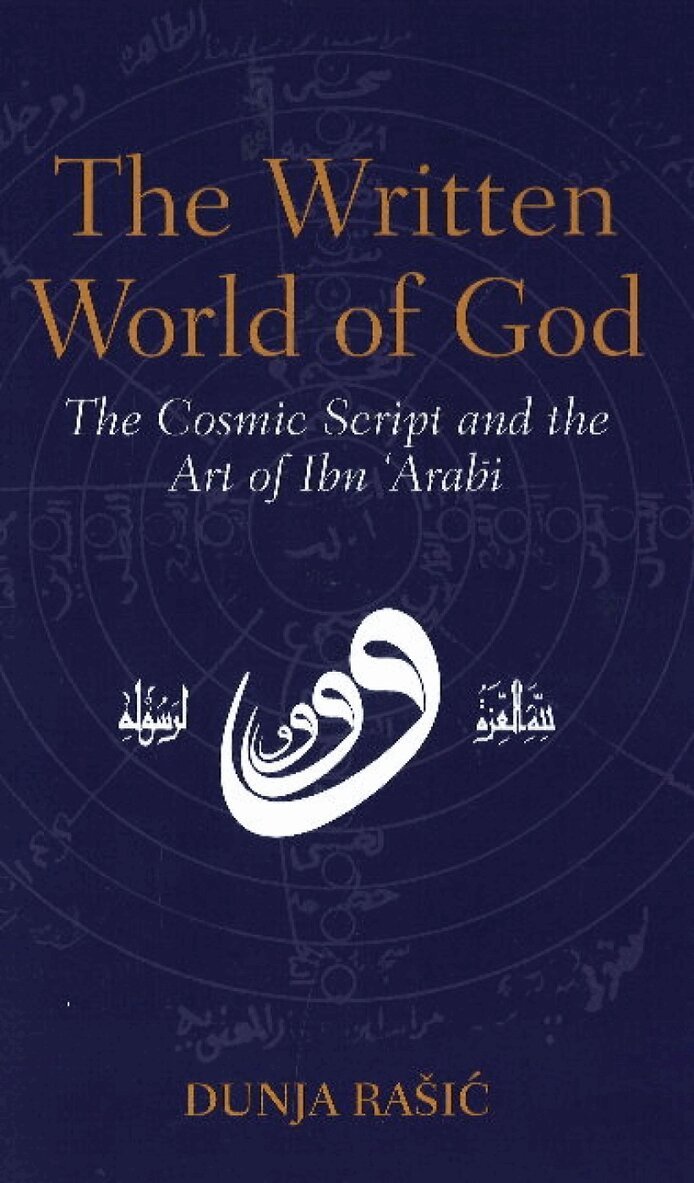
This is the first systematic overview of the science of letters (ilm al-huruf) according to the great Andalusian spiritual master, scholar, poet and philosopher Ibn Arabi (d. 1240). Ibn Arabi defined the science of letters as familiarity with the building-blocks of the Quranic revelation and everything in the world of Nature. Letters are understood as visual and aural signs of pointing to the mysteries of existence. The present study examines how the universe came to be, for what purpose it as created and the hierarchical structure it is endowed with. It is an old story told anew -- through the 28 letters of the Arabic alphabet, their orthographic forms and the meanings attributed to them, utilising Ibn Arabis own diagrams. Although the story could be told through geometrical figures or numbers, letters were chosen on the basis of Ibn Arabis doctrine that the meanings carried by the letters fully encompasses the whole of existence: God and the universe.
644 kr
Kommande
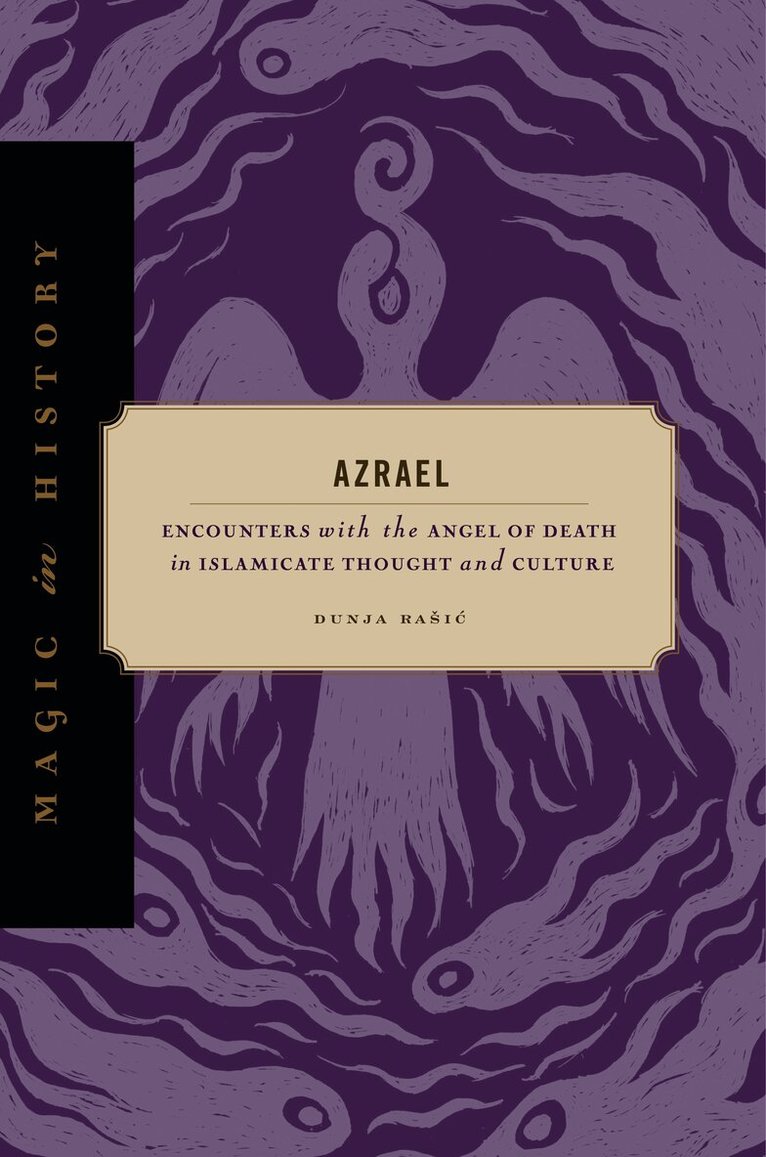
The archangel Azrael enforces the divine command that all living things must return to God in death. The very word islām implies submission to God’s will, and yet Muslim saints, prophets, and sorcerers used charisma, magic squares, and their bare hands to defy Azrael and extend their lives on Earth. Their efforts reveal tension between the necessity of submitting to God’s will and the human yearning to transcend death.With particular attention to the writings of Muḥyī al-Dīn Ibn ʿArabī (d. 1240), Dunja Rašić explores the time-honored rites and practices of defying death in Muslim cultures and societies. Ibn ʿArabī, one of the most influential Sufi scholars, poets, and philosophers, claimed among his many spiritual accomplishments the subjugation of Azrael himself. His pursuit of mastery over death was rooted in his extensive knowledge of angelology, prophetic traditions, and thanatology, and his works preserve striking accounts of his encounters with the angel of death. Drawing on these texts, Rašić delivers an in-depth study of Islamic angelology that challenges our understanding of the status and functions of angels, human (dis)obedience to God, and (im)mortality in Islam and Akbarian Sufism.An original and pioneering work, Azrael contributes new insights into how Muslims have imagined angels, death, and immortality. It will appeal to scholars of Sufism, Islamic studies, comparative religion, and medieval philosophy, as well as general readers interested in spirituality, esotericism, or the teachings of Ibn ʿArabī.
753 kr
Skickas inom 7-10 vardagar
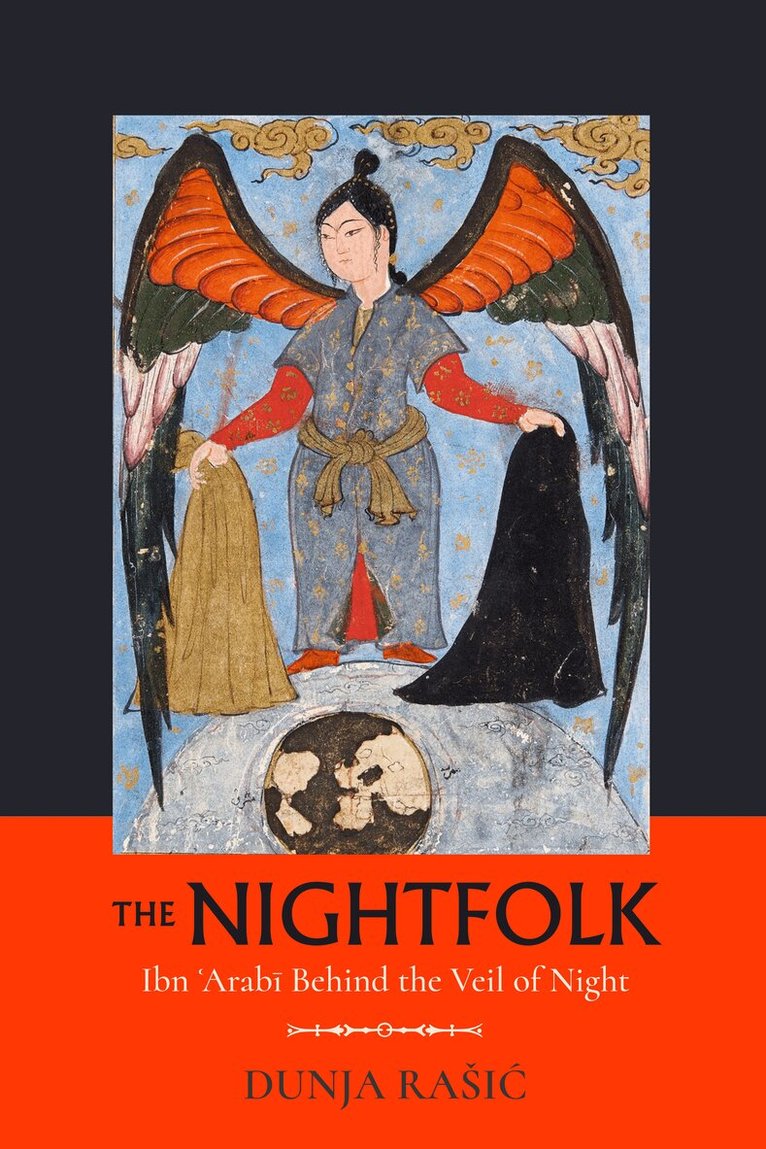
This story begins with a divine unveiling: In 1220, a mysterious youth took the Sufi scholar, poet, and philosopher Muhyī al-Dīn Ibn ʿArabī behind the veil of the night. There, Ibn ʿArabī first came face to face with advanced and morally ambiguous spiritual practitioners known as the Nightfolk. In The Nightfolk, Duja Rašić offers a pioneering historical and conceptual analysis of the once-widespread beliefs about the night and its people in Muslim cultures and societies. Drawing on a wealth of primary source materials, Rašić traces these beliefs from their origins in the seventh century to their most prominent form in the thirteenth-century works of Ibn ʿArabī. Re-examining common notions of spiritual authority, ascension, self-isolation, moral choice, and transgression in Muslim cultures and societies, The Nightfolk is a crucial read for those interested in philosophical Sufism and Ibn ʿArabī’s attempts to bridge the gap between the visible world and the realms of the unseen.
441 kr
Skickas inom 5-8 vardagar
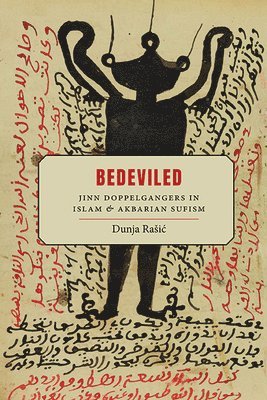
A groundbreaking study of jinn doppelgangers and the problem of evil in Akbarian Sufism.Ghouls, ifrits, and a panoply of other jinn have long haunted Muslim cultures and societies. These also include jinn doppelgangers (qarīn, pl. quranāʾ), the little-studied and much-feared denizens of the hearts and blood of humans. This book seeks out jinn doppelgangers in the Islamic normative tradition, philosophy, folklore, and Sufi literature, with special emphasis on Akbarian Sufism.Muḥyī al-Dīn Ibn ʿArabī (d. 1240) wrote on jinn in substantial detail, uncovering the physiognomy, culture, and behavior of this unseen species. Akbarians believed that the good God assigned each human with an evil doppelganger. Ibn ʿArabī’s reasoning as to why this was the case mirrors his attempts to expound the problem of evil in Islamic religious philosophy. No other Sufi, Ibn ʿArabī claimed, ever managed to get to the heart of this matter before him. As well as offering the reader knowledge and safety from evil, Ibn ʿArabī’s writings on jinnealogy tackle the even larger issues of spiritual ascension, predestination, and the human relationship to the Divine.
1 456 kr
Skickas inom 3-6 vardagar
A groundbreaking study of jinn doppelgangers and the problem of evil in Akbarian Sufism.Ghouls, ifrits, and a panoply of other jinn have long haunted Muslim cultures and societies. These also include jinn doppelgangers (qarīn, pl. quranāʾ), the little-studied and much-feared denizens of the hearts and blood of humans. This book seeks out jinn doppelgangers in the Islamic normative tradition, philosophy, folklore, and Sufi literature, with special emphasis on Akbarian Sufism.Muḥyī al-Dīn Ibn ʿArabī (d. 1240) wrote on jinn in substantial detail, uncovering the physiognomy, culture, and behavior of this unseen species. Akbarians believed that the good God assigned each human with an evil doppelganger. Ibn ʿArabī’s reasoning as to why this was the case mirrors his attempts to expound the problem of evil in Islamic religious philosophy. No other Sufi, Ibn ʿArabī claimed, ever managed to get to the heart of this matter before him. As well as offering the reader knowledge and safety from evil, Ibn ʿArabī’s writings on jinnealogy tackle the even larger issues of spiritual ascension, predestination, and the human relationship to the Divine.