Dylan C. Penningroth – Författare
Visar alla böcker från författaren Dylan C. Penningroth. Handla med fri frakt och snabb leverans.
3 produkter
3 produkter
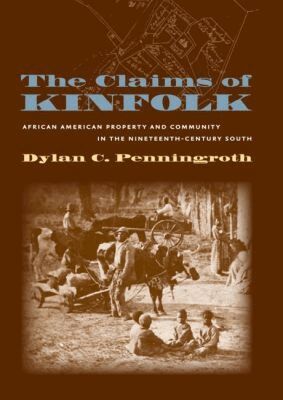
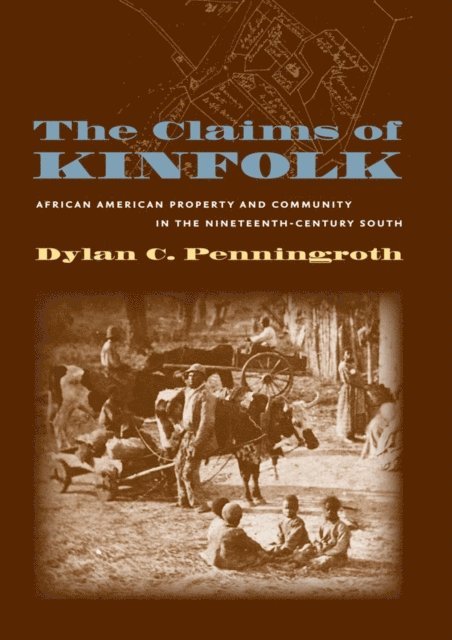
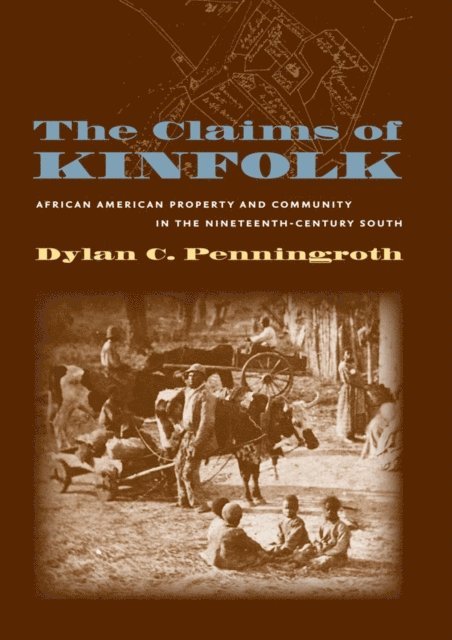
Claims of Kinfolk
African American Property and Community in the Nineteenth-Century South
Häftad, Engelska, 2003
462 kr
Skickas inom 10-15 vardagar
In The Claims of Kinfolk , Dylan Penningroth uncovers an extensive informal economy of property ownership among slaves and sheds new light on African American family and community life from the heyday of plantation slavery to the ""freedom generation"" of the 1870s. By focusing on relationships among blacks, as well as on the more familiar struggles between the races, Penningroth exposes a dynamic process of community and family definition. He also includes a comparative analysis of slavery and slave property ownership along the Gold Coast in West Africa, revealing significant differences between the African and American contexts. Property ownership was widespread among slaves across the antebellum South, as slaves seized the small opportunities for ownership permitted by their masters. While there was no legal framework to protect or even recognize slaves' property rights, an informal system of acknowledgment recognized by both blacks and whites enabled slaves to mark the boundaries of possession. In turn, property ownership--and the negotiations it entailed--influenced and shaped kinship and community ties. Enriching common notions of slave life, Penningroth reveals how property ownership engendered conflict as well as solidarity within black families and communities. Moreover, he demonstrates that property had less to do with individual legal rights than with constantly negotiated, extralegal social ties. |Penningroth uncovers an extensive informal economy of property ownership among slaves during the antebellum and post emancipation periods, connecting slaves' economic activity with their social relationships and family and community life. Includes a comparative analysis of slavery and slave property ownership along the Gold Coast in West Africa.
322 kr
Skickas inom 7-10 vardagar
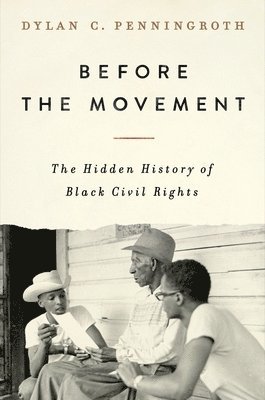
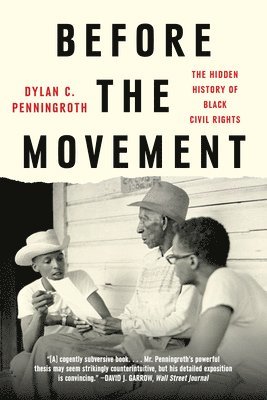
The familiar story of civil rights goes like this: once, America’s legal system shut Black people out and refused to recognize their rights, their basic human dignity, or even their very lives. When lynch mobs gathered, police and judges often closed their eyes, if they didn’t join in. For Black people, law was a hostile, fearsome power to be avoided whenever possible. Then, starting in the 1940s, a few brave lawyers ventured south, bent on changing the law. Soon, ordinary African Americans, awakened by Supreme Court victories and galvanized by racial justice activists, launched the civil rights movement.In Before the Movement, acclaimed historian Dylan C. Penningroth brilliantly revises the conventional story. Drawing on long-forgotten sources found in the basements of county courthouses across the nation, Penningroth reveals that African Americans, far from being ignorant about law until the middle of the twentieth century, have thought about, talked about, and used it going as far back as even the era of slavery. They dealt constantly with the laws of property, contract, inheritance, marriage and divorce, of associations (like churches and businesses and activist groups), and more. By exercising these “rights of everyday use,” Penningroth demonstrates, they made Black rights seem unremarkable. And in innumerable subtle ways, they helped shape the law itself—the laws all of us live under today.Penningroth’s narrative, which stretches from the last decades of slavery to the 1970s, partly traces the history of his own family. Challenging accepted understandings of Black history framed by relations with white people, he puts Black people at the center of the story—their loves and anger and loneliness, their efforts to stay afloat, their mistakes and embarrassments, their fights, their ideas, their hopes and disappointments, in all their messy humanness. Before the Movement is an account of Black legal lives that looks beyond the Constitution and the criminal justice system to recover a rich, broader vision of Black life—a vision allied with, yet distinct from, “the freedom struggle.”
214 kr
Skickas
The familiar story of civil rights goes like this: once, America’s legal system shut Black people out and refused to recognize their rights, their basic human dignity, or even their very lives. When lynch mobs gathered, police and judges often closed their eyes, if they didn’t join in. For Black people, law was a hostile, fearsome power to be avoided whenever possible. Then, starting in the 1940s, a few brave lawyers ventured south, bent on changing the law. Soon, ordinary African Americans, awakened by Supreme Court victories and galvanized by racial justice activists, launched the civil rights movement.In Before the Movement, acclaimed historian Dylan C. Penningroth brilliantly revises the conventional story. Drawing on long-forgotten sources found in the basements of county courthouses across the nation, Penningroth reveals that African Americans, far from being ignorant about law until the middle of the twentieth century, have thought about, talked about, and used it going as far back as even the era of slavery. They dealt constantly with the laws of property, contract, inheritance, marriage and divorce, of associations (like churches and businesses and activist groups), and more. By exercising these “rights of everyday use,” Penningroth demonstrates, they made Black rights seem unremarkable. And in innumerable subtle ways, they helped shape the law itself—the laws all of us live under today.Penningroth’s narrative, which stretches from the last decades of slavery to the 1970s, partly traces the history of his own family. Challenging accepted understandings of Black history framed by relations with white people, he puts Black people at the center of the story—their loves and anger and loneliness, their efforts to stay afloat, their mistakes and embarrassments, their fights, their ideas, their hopes and disappointments, in all their messy humanness. Before the Movement is an account of Black legal lives that looks beyond the Constitution and the criminal justice system to recover a rich, broader vision of Black life—a vision allied with, yet distinct from, “the freedom struggle.”