E. Boschi – författare
Visar alla böcker från författaren E. Boschi. Handla med fri frakt och snabb leverans.
7 produkter
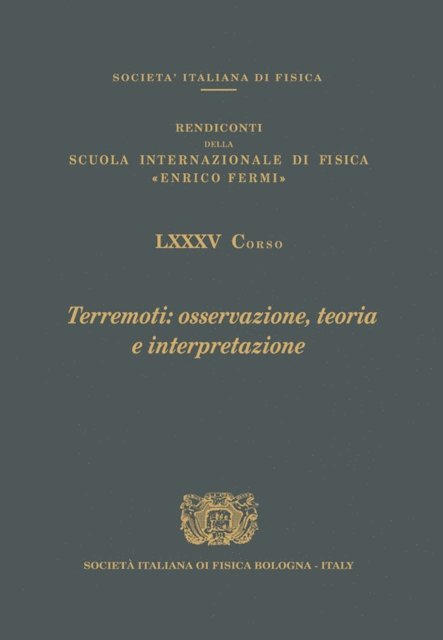
Earthquakes: Observation, Theory and Interpretation
Av E. Boschi, H. Kanamori
E-bok, 1984
717 kr
Lägg i varukorg
Earthquakes: Observation, Theory and Interpretation
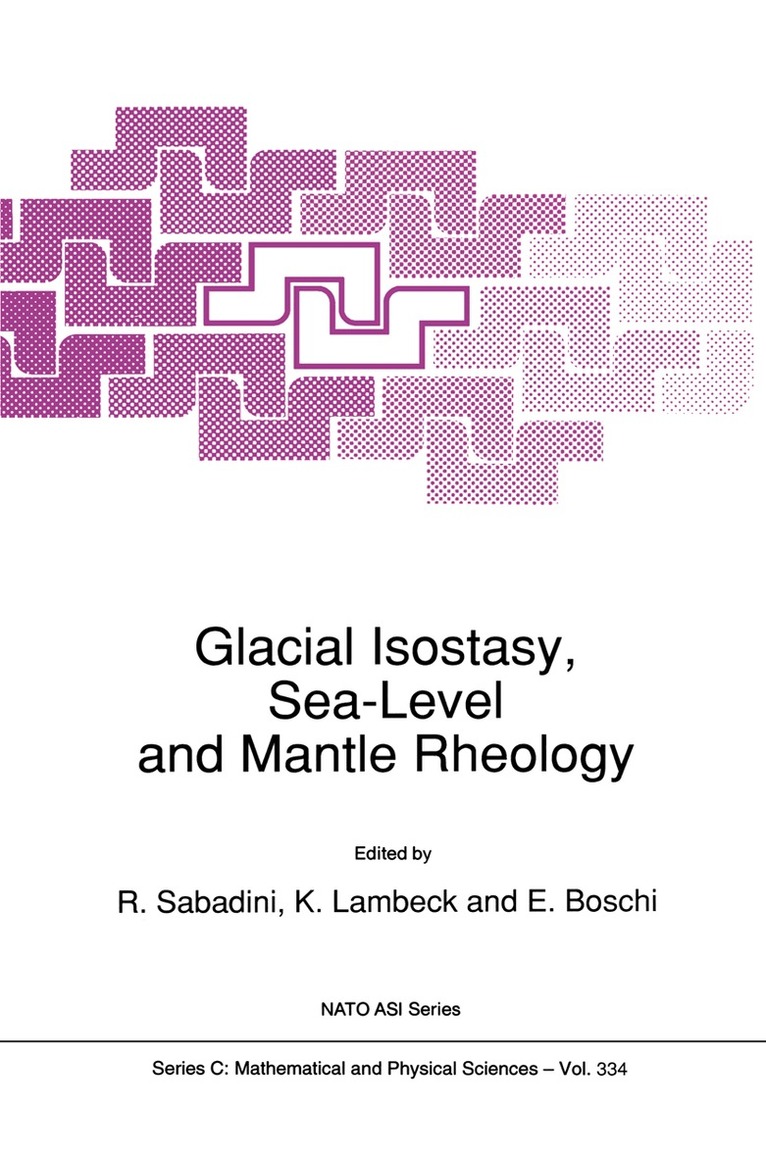
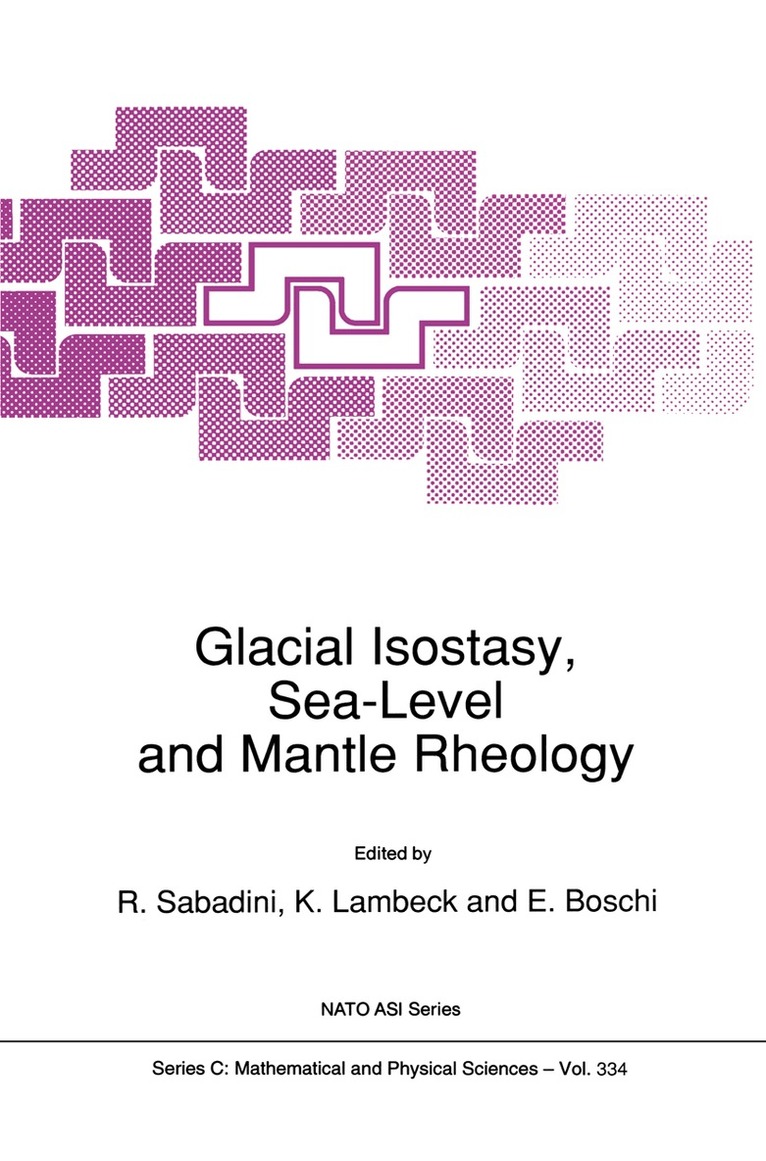
Glacial Isostasy, Sea-Level and Mantle Rheology
Av R. Sabadini, K. Lambeck m. fl.
Inbunden, 1991
3280 kr
Lägg i varukorg
by K. Lambeck, R. Sabadini and E. B08Chi Viscosity is one of the important material properties of the Earth, controlling tectonic and dynamic processes such as mantle convection, isostasy, and glacial rebound. Yet it remains a poorly resolved parameter and basic questions such as whether the …
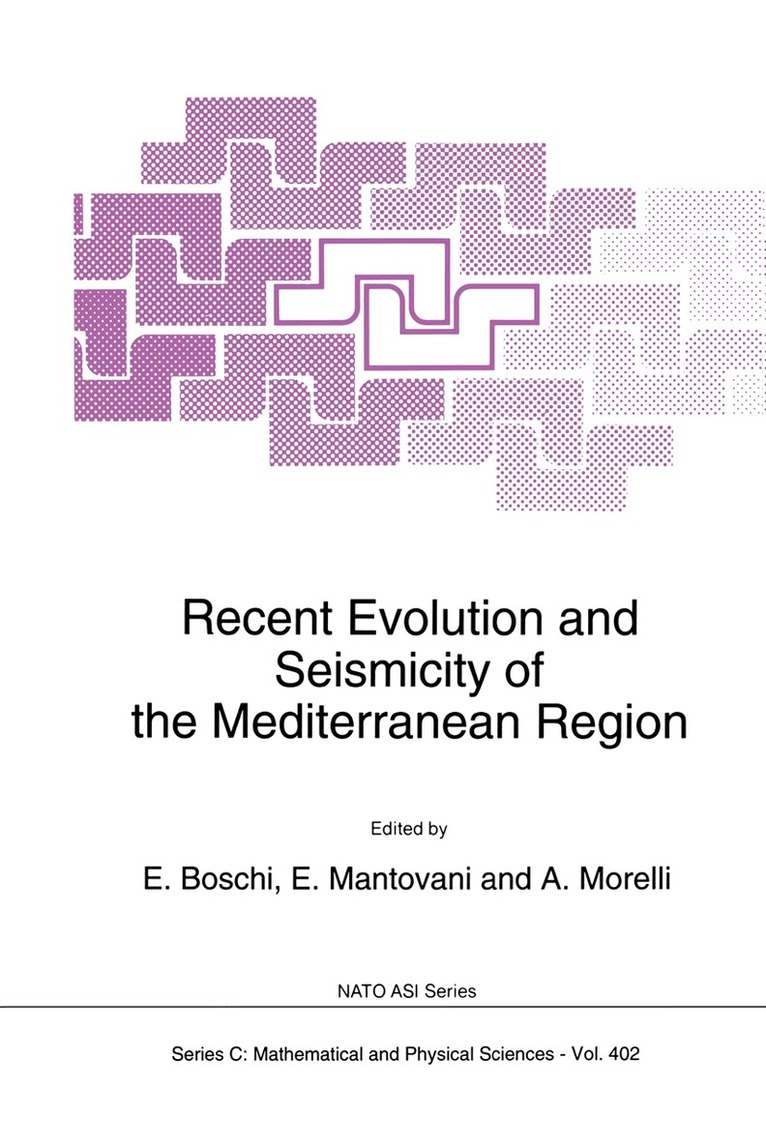
Recent Evolution and Seismicity of the Mediterranean Region
Av NATO Advanced Research Workshop on Recen, E. Boschi m. fl.
Inbunden, 1993
2189 kr
Lägg i varukorg
The Mediterranean is one of the most studied regions of the world. In spite of this, a considerable spread of opinions exists about the geodynamic evolution and the present tectonic setting of this zone. The difficulty in recognizing the driving mechanisms of deformation is due to a large extent to …
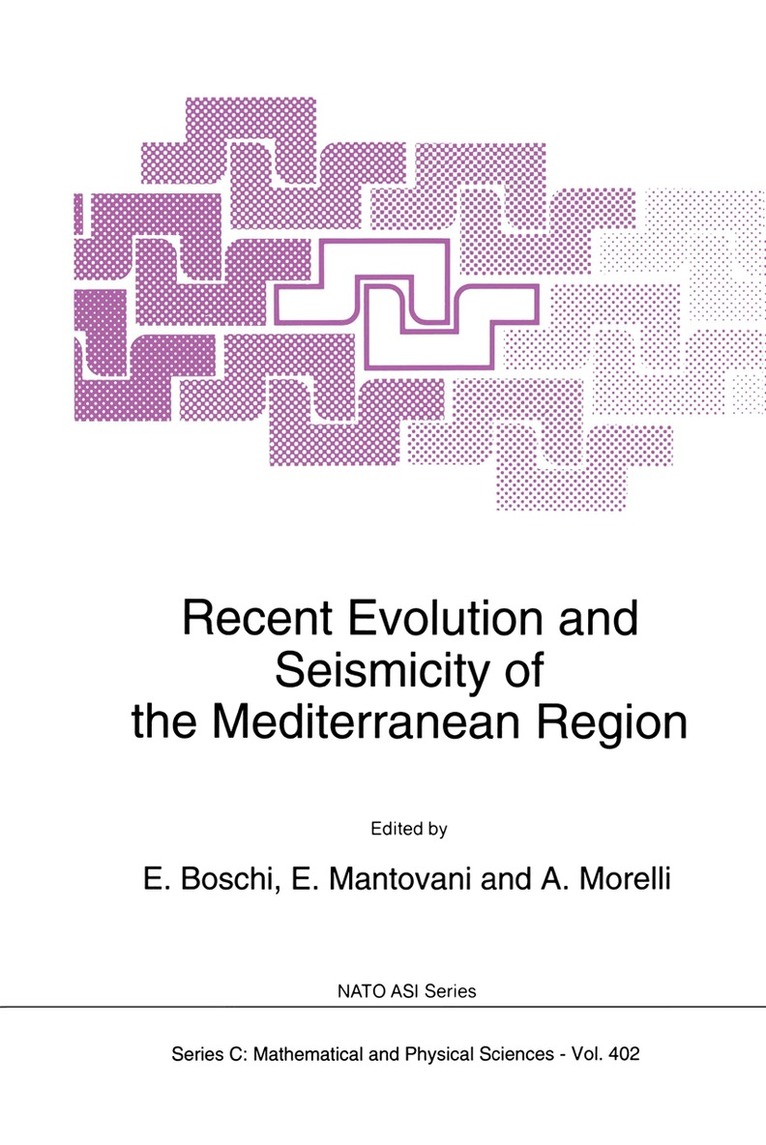
Recent Evolution and Seismicity of the Mediterranean Region
Av E. Boschi, E. Mantovani m. fl.
Häftad, 2013
2189 kr
Lägg i varukorg
The Mediterranean is one of the most studied regions of the world. In spite of this, a considerable spread of opinions exists about the geodynamic evolution and the present tectonic setting of this zone. The difficulty in recognizing the driving mechanisms of deformation is due to a large extent to …
Glacial Isostasy, Sea-Level and Mantle Rheology
Av R. Sabadini, K. Lambeck m. fl.
Häftad, 2013
3280 kr
Lägg i varukorg
by K. Lambeck, R. Sabadini and E. B08Chi Viscosity is one of the important material properties of the Earth, controlling tectonic and dynamic processes such as mantle convection, isostasy, and glacial rebound. Yet it remains a poorly resolved parameter and basic questions such as whether the …
Recent Evolution and Seismicity of the Mediterranean Region
Av A. Morelli, E. Mantovani m. fl.
E-bok, 2012
2925 kr
Lägg i varukorg
The Mediterranean is one of the most studied regions of the world. In spite of this, a considerable spread of opinions exists about the geodynamic evolution and the present tectonic setting of this zone. The difficulty in recognizing the driving mechanisms of deformation is due to a large extent to …
Glacial Isostasy, Sea-Level and Mantle Rheology
Av E. Boschi, K. Lambeck m. fl.
E-bok, 2012
4066 kr
Lägg i varukorg
by K. Lambeck, R. Sabadini and E. B08Chi Viscosity is one of the important material properties of the Earth, controlling tectonic and dynamic processes such as mantle convection, isostasy, and glacial rebound. Yet it remains a poorly resolved parameter and basic questions such as whether the …