E. Christian Brugger - Böcker
Visar alla böcker från författaren E. Christian Brugger. Handla med fri frakt och snabb leverans.
5 produkter
5 produkter
300 kr
Skickas inom 10-15 vardagar
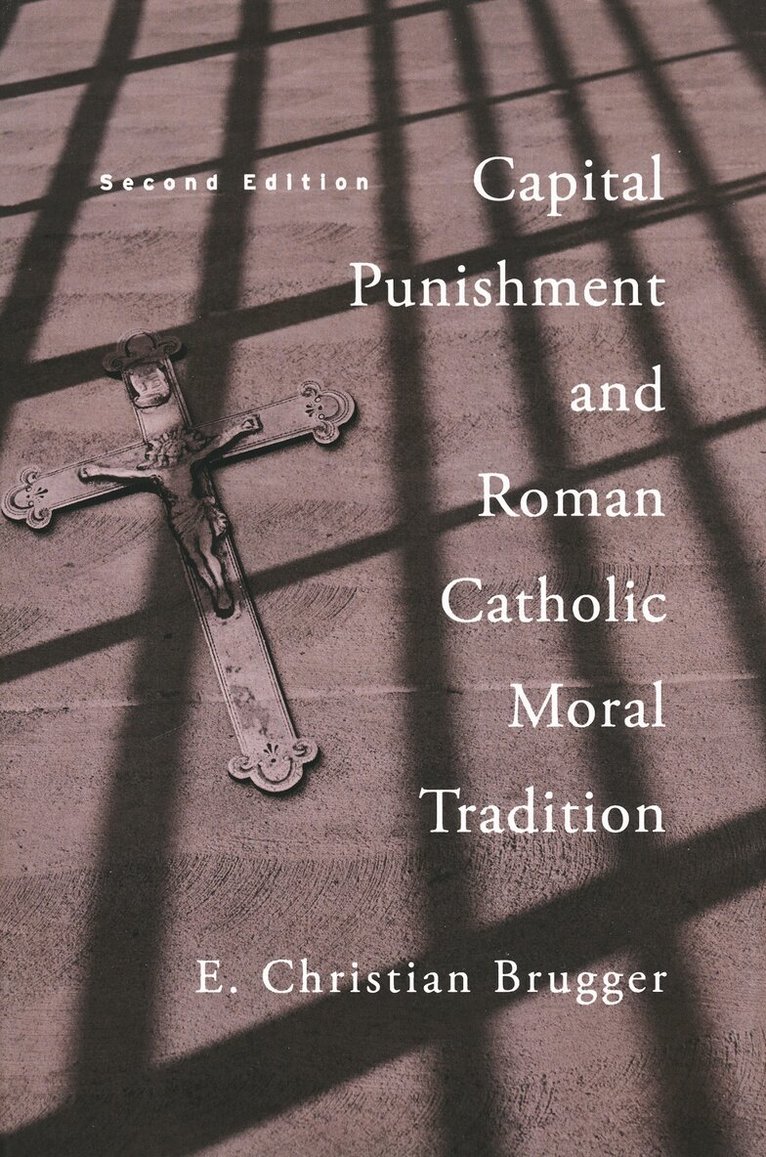
Why is the Catholic Church against the death penalty? This second edition of Brugger's classic work Capital Punishment and Roman Catholic Moral Tradition traces the doctrinal path the Church has taken over the centuries to its present position as the world's largest and most outspoken opponent of capital punishment. The pontificate of John Paul II marked a watershed in Catholic thinking. The pope taught that the death penalty is and can only be rightly assessed as a form of self-defense. But what does this mean? What are its implications for the Church's traditional retribution-based model of lethal punishment? How does it square with what the Church has historically taught? Brugger argues that the implications of this historic turn have yet to be fully understood. In his new preface, Brugger examines the contribution of the great Polish pope's closest collaborator and successor in the Chair of Peter, Pope Benedict XVI, to Catholic thinking on the death penalty. He argues that Pope Benedict maintained the doctrinal status quo of his predecessor's teaching on capital punishment as self-defense, with detectable points of reluctance to draw attention to nontraditional implications of that teaching.
1 338 kr
Skickas inom 10-15 vardagar
Why is the Catholic Church against the death penalty? This second edition of Brugger's classic work Capital Punishment and Roman Catholic Moral Tradition traces the doctrinal path the Church has taken over the centuries to its present position as the world's largest and most outspoken opponent of capital punishment. The pontificate of John Paul II marked a watershed in Catholic thinking. The pope taught that the death penalty is and can only be rightly assessed as a form of self-defense. But what does this mean? What are its implications for the Church's traditional retribution-based model of lethal punishment? How does it square with what the Church has historically taught? Brugger argues that the implications of this historic turn have yet to be fully understood. In his new preface, Brugger examines the contribution of the great Polish pope's closest collaborator and successor in the Chair of Peter, Pope Benedict XVI, to Catholic thinking on the death penalty. He argues that Pope Benedict maintained the doctrinal status quo of his predecessor's teaching on capital punishment as self-defense, with detectable points of reluctance to draw attention to nontraditional implications of that teaching.
366 kr
Skickas inom 10-15 vardagar
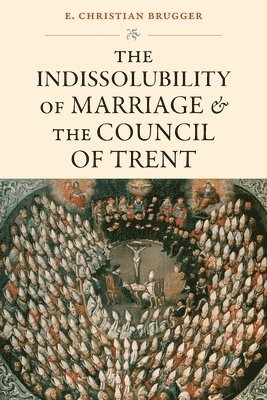
Brugger's remarkable book is a singular service to the Church and essential reading for anyone, whether suspicious of or sympathetic to the thesis, and who is seriously interested in learning what Trent actually teaches about the indissolubility of marriage."" - The Thomist
455 kr
Skickas inom 7-10 vardagar
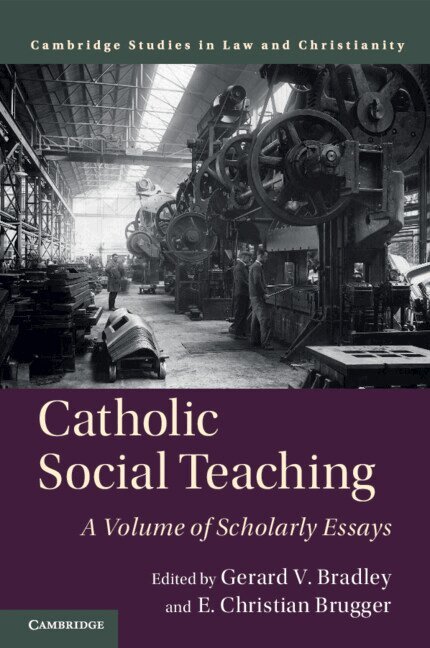
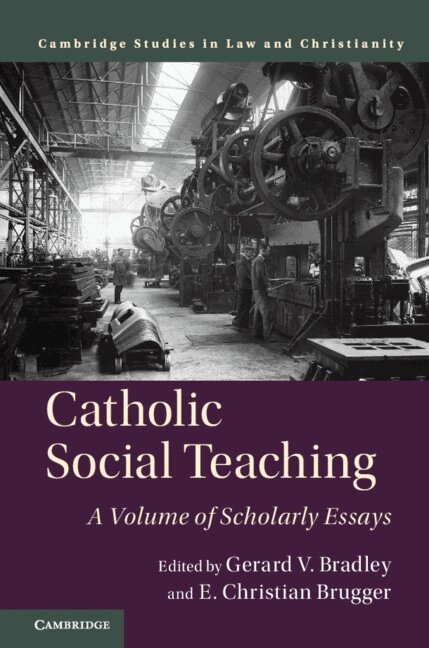
Catholic social teaching (CST) refers to the corpus of authoritative ecclesiastical teaching, usually in the form of papal encyclicals, on social matters, beginning with Pope Leo XIII's Rerum Novarum (1891) and running through Pope Francis. CST is not a social science and its texts are not pragmatic primers for social activists. It is a normative exercise of Church teaching, a kind of comprehensive applied - although far from systematic - social moral theology. This volume is a scholarly engagement with this 130-year-old documentary tradition. Its twenty-three essays aim to provide a constructive, historically sophisticated, critical exegesis of all the major (and some of the minor) documents of CST. The volume's appeal is not limited to Catholics, or even just to those who embrace, or who are seriously interested in, Christianity. Its appeal is to any scholar interested in the history or content of modern CST.
1 942 kr
Skickas inom 7-10 vardagar
Catholic social teaching (CST) refers to the corpus of authoritative ecclesiastical teaching, usually in the form of papal encyclicals, on social matters, beginning with Pope Leo XIII's Rerum Novarum (1891) and running through Pope Francis. CST is not a social science and its texts are not pragmatic primers for social activists. It is a normative exercise of Church teaching, a kind of comprehensive applied - although far from systematic - social moral theology. This volume is a scholarly engagement with this 130-year-old documentary tradition. Its twenty-three essays aim to provide a constructive, historically sophisticated, critical exegesis of all the major (and some of the minor) documents of CST. The volume's appeal is not limited to Catholics, or even just to those who embrace, or who are seriously interested in, Christianity. Its appeal is to any scholar interested in the history or content of modern CST.