E. Leigh Armistead – författare
Visar alla böcker från författaren E. Leigh Armistead. Handla med fri frakt och snabb leverans.
6 produkter
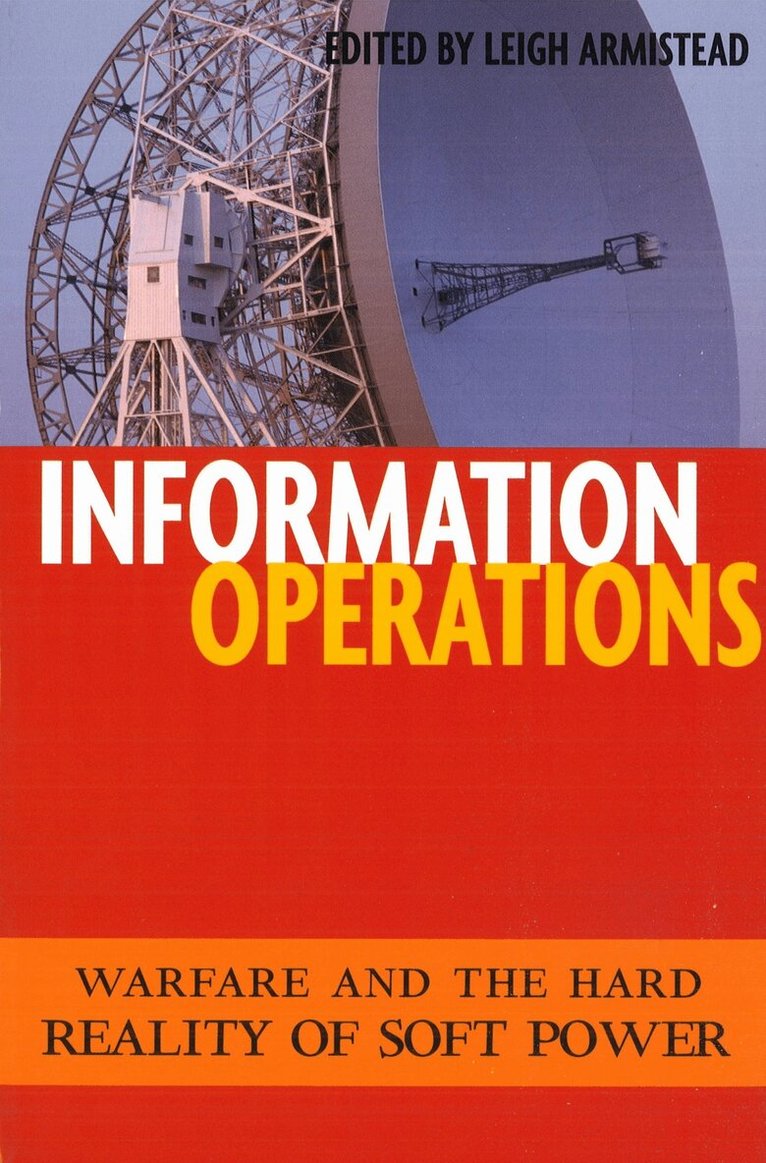
Information Operations
Warfare and the Hard Reality of Soft Power
Av Edwin L. Armistead, E. Leigh Armistead
Häftad, 2004
289 kr
Lägg i varukorg
The modern means of communication have turned the world into an information fishbowl and, in terms of foreign policy and national security in post-Cold War power politics, helped transform international power politics. Information operations (IO), in which time zones are as important as national …
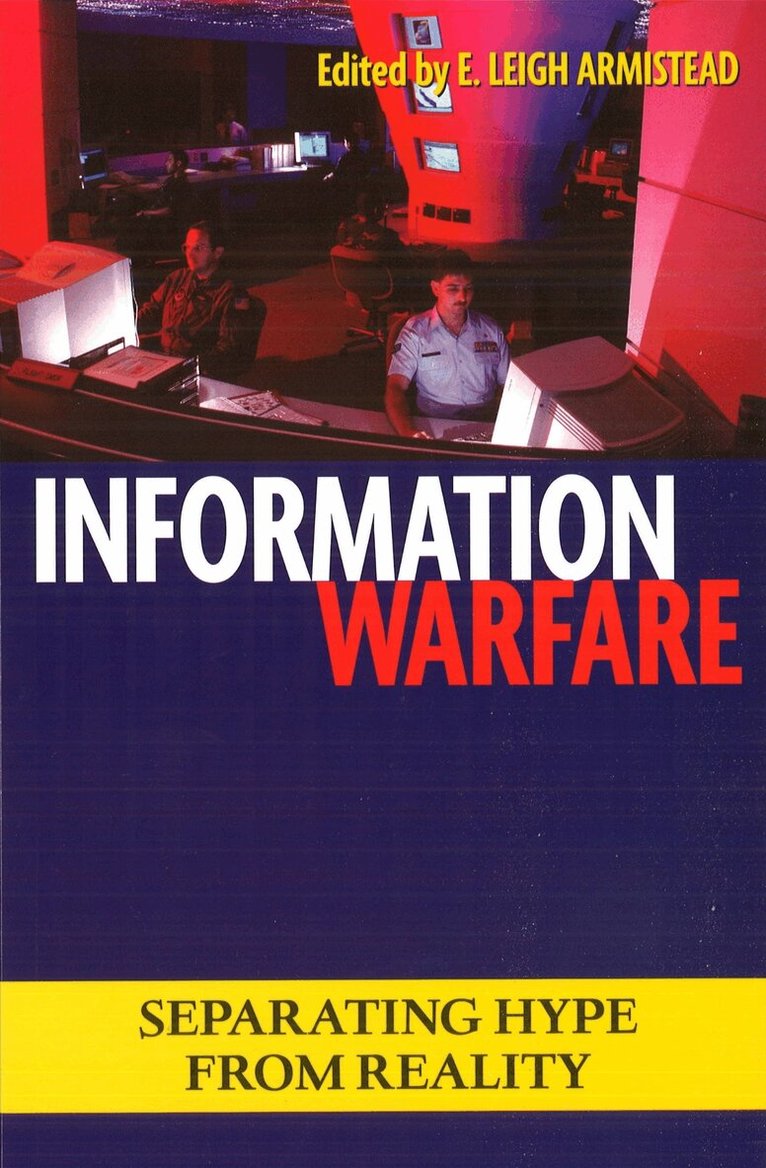
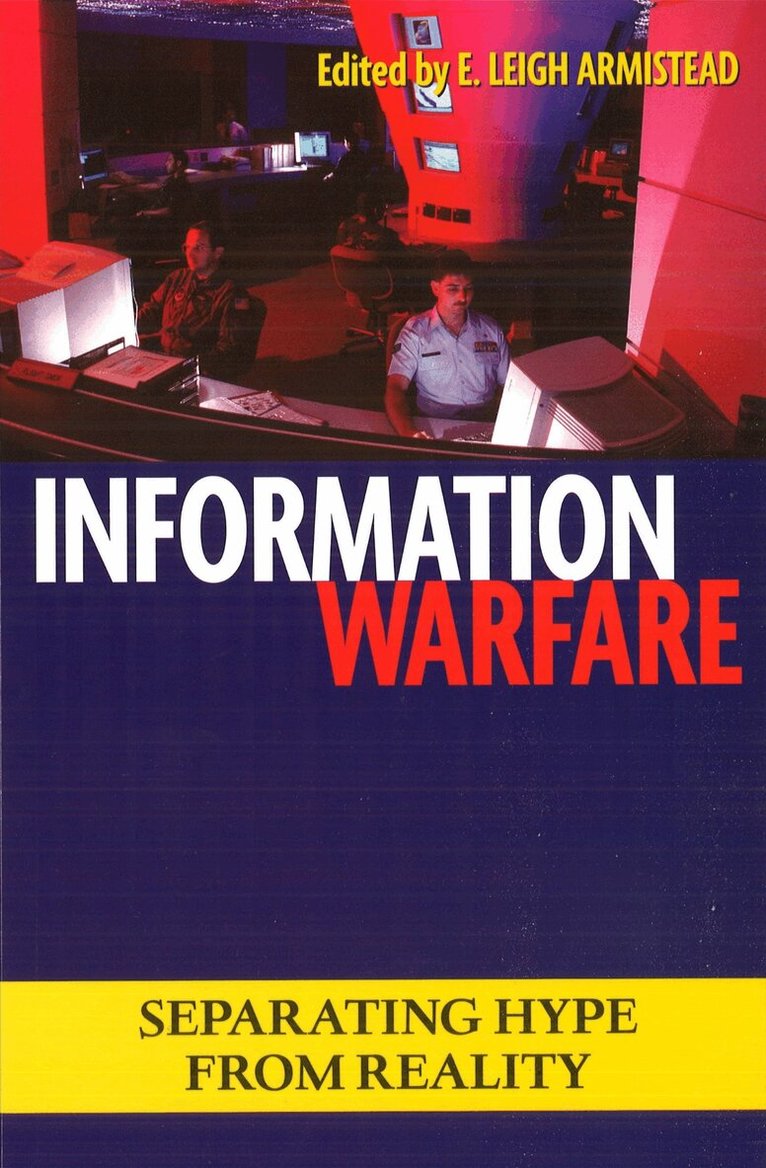
Information Warfare
Separating Hype from Reality
Av Leigh Armistead, E. Leigh Armistead
Häftad, 2007
275 kr
Lägg i varukorg
In Leigh Armistead's second edited volume on warfare in the Information Age, the authors explore the hype over possibilities versus actuality in their analysis of Information Operations (IO) today. First, leaders must better understand the informational element of national power, and second, their …
Information Operations
Warfare and the Hard Reality of Soft Power
E-bok, 2011
271 kr
Lägg i varukorg
The modern means of communication have turned the world into an information fishbowl and, in terms of foreign policy and national security in post-Cold War power politics, helped transform international power politics. Information operations (IO), in which time zones are as important as national …
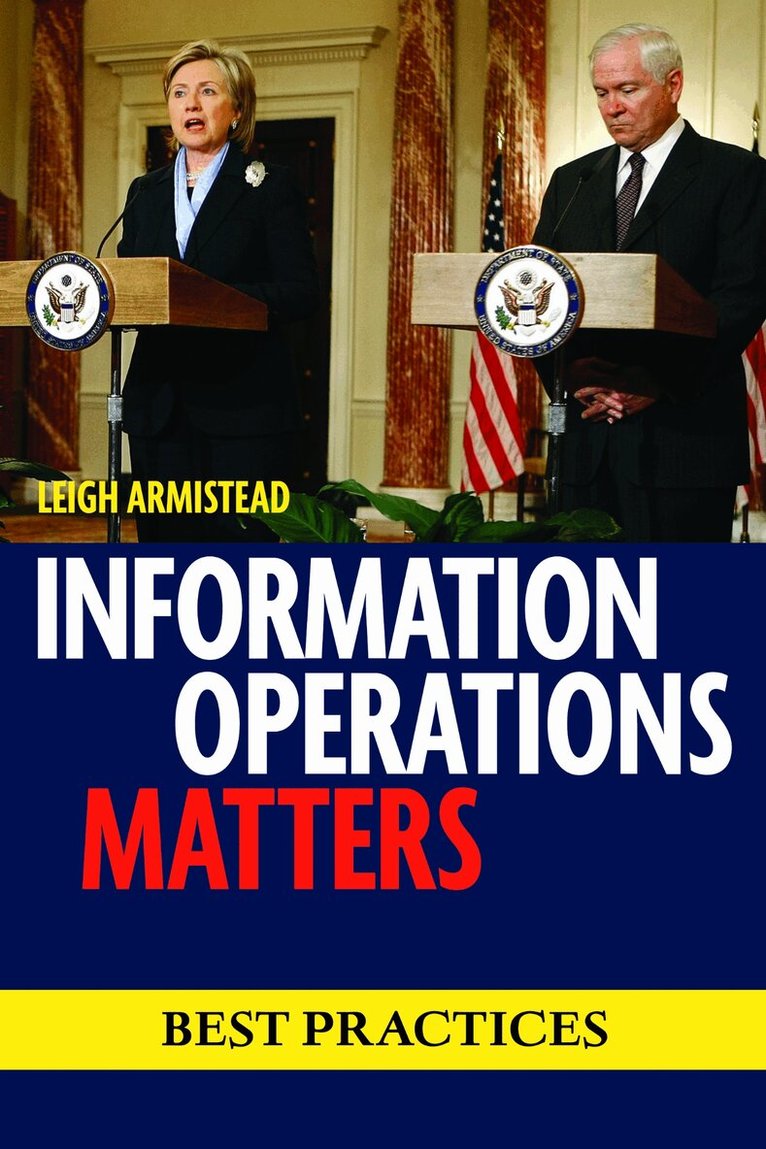
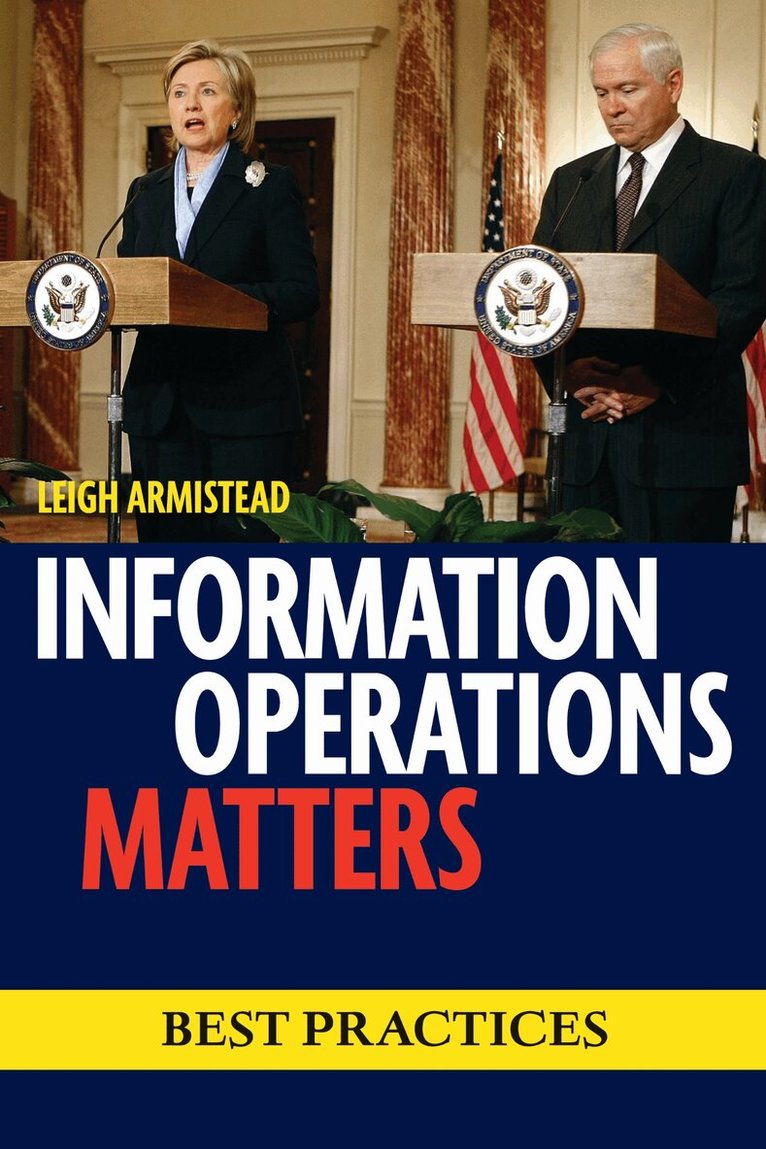
Information Operations Matters
Best Practices
Häftad, 2010
245 kr
Lägg i varukorg
Introduced in 1998 by the Department of Defense, the concept of information operations (IO) proposed to revolutionize the ways in which warfare, diplomacy, and business were conducted. However, this transformation has not come to fruition. Two large gaps remain: between policy and theory, and …
Information Operations Matters
Best Practices
E-bok, 2011
231 kr
Lägg i varukorg
Introduced in 1998 by the Department of Defense, the concept of information operations (IO) proposed to revolutionize the ways in which warfare, diplomacy, and business were conducted. However, this transformation has not come to fruition. Two large gaps remain: between policy and theory, and …
Information Warfare
Separating Hype from Reality
E-bok, 2011
250 kr
Lägg i varukorg
In Leigh Armistead's second edited volume on warfare in the Information Age, the authors explore the hype over possibilities versus actuality in their analysis of Information Operations (IO) today. First, leaders must better understand the informational element of national power, and second, their …