Eberhard Kienle – författare
Visar alla böcker från författaren Eberhard Kienle. Handla med fri frakt och snabb leverans.
13 produkter
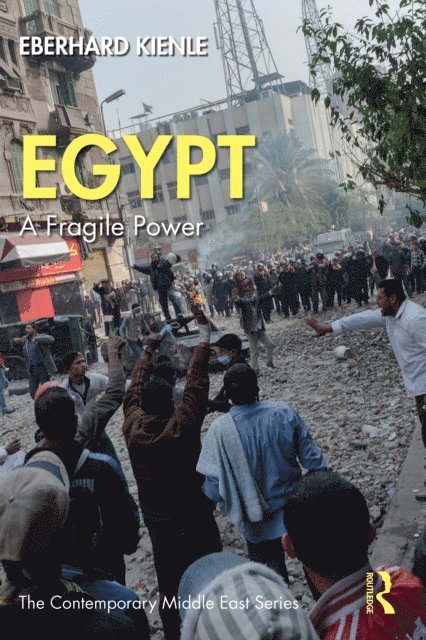
Egypt
A Fragile Power
E-bok, 2021
750 kr
Lägg i varukorg
Focusing on authoritarian rule, unresolved economic challenges, and external dependency, the volume explains the salient political and economic features of contemporary Egypt against the backdrop of its history since the beginning of the 19th century. Presenting a comprehensive account of …
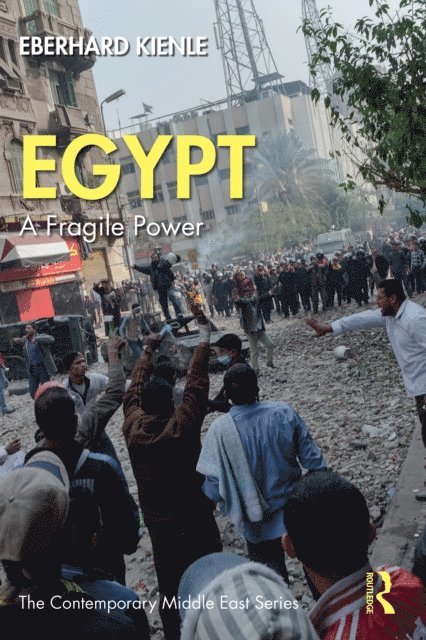
Egypt
A Fragile Power
E-bok, 2021
750 kr
Lägg i varukorg
Focusing on authoritarian rule, unresolved economic challenges, and external dependency, the volume explains the salient political and economic features of contemporary Egypt against the backdrop of its history since the beginning of the 19th century. Presenting a comprehensive account of …
Grand Delusion
Democracy and Economic Reform in Egypt
E-bok, 2001
405 kr
Lägg i varukorg
The author argues in this text that the much-vaunted reform and liberalisation of Egypt's economy has been partial and selective, far from beneficial to all Egyptians. While the encouragement of the private sector has indeed benefited some, it has failed to improve the standard of living of others, …
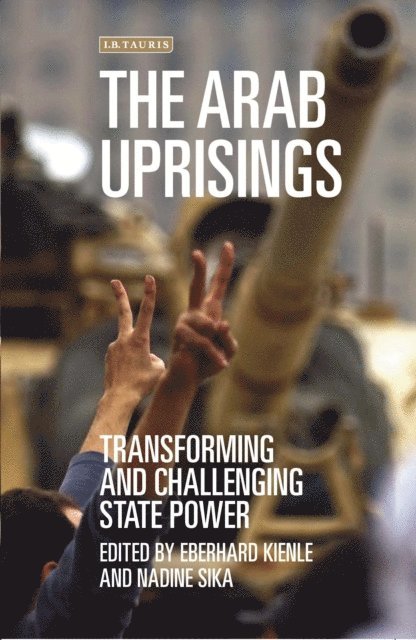
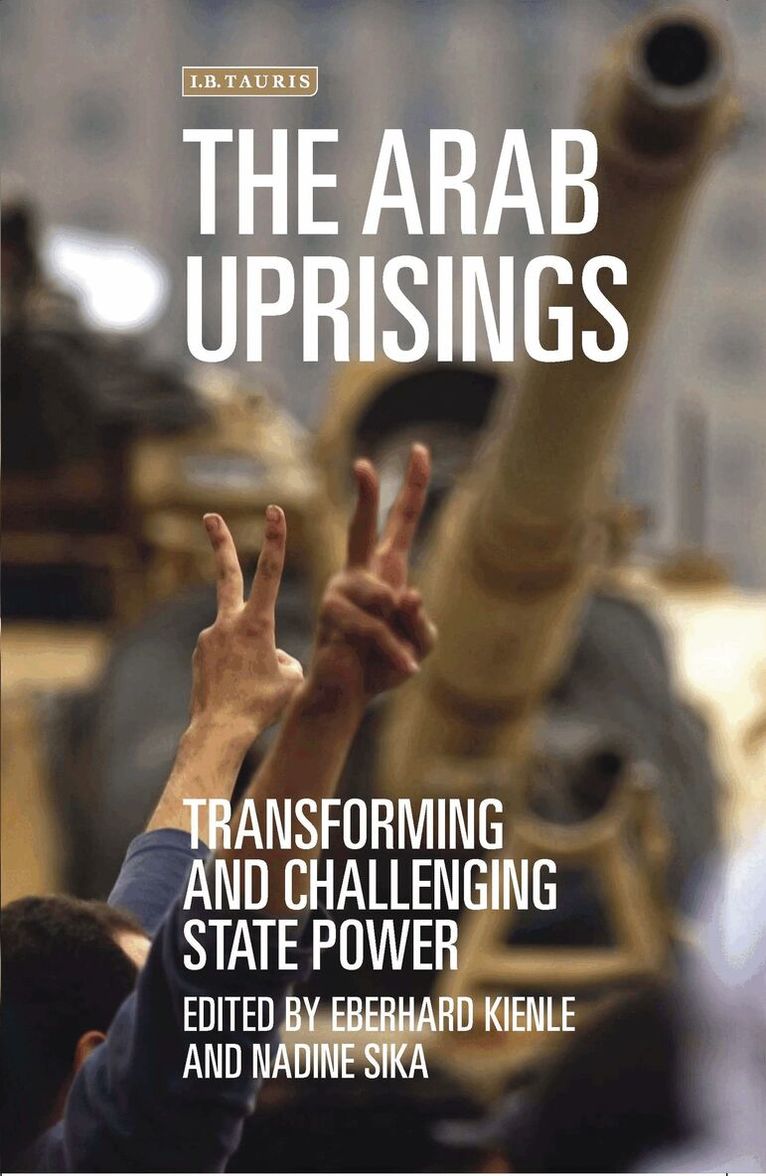
Arab Uprisings
Transforming and Challenging State Power
Av Eberhard Kienle, Nadine Sika
E-bok, 2015
2026 kr
Lägg i varukorg
The uprisings which spread across the Middle East and North Africa in late 2010 and 2011 irrevocably altered the way in which the region is now perceived. But in spite of the numerous similarities in these protests, from Tunisia and Egypt to Yemen and Bahrain, their broader political effects …
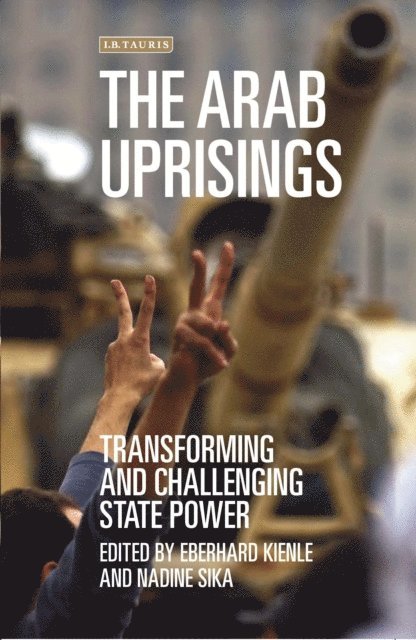
Arab Uprisings
Transforming and Challenging State Power
Av Eberhard Kienle, Nadine Sika
E-bok, 2015
2087 kr
Lägg i varukorg
The uprisings which spread across the Middle East and North Africa in late 2010 and 2011 irrevocably altered the way in which the region is now perceived. But in spite of the numerous similarities in these protests, from Tunisia and Egypt to Yemen and Bahrain, their broader political effects …
States Under Stress
Explaining Resilience in the Middle East
Häftad, 2026
331 kr
Kommande
Unlike conventional narratives of 'state failure' and its conceptual avatars, the volume analyses the remains of states whose populations had been torn apart by prolonged and violent conflicts and whose rulers lost the monopoly over the means of coercion and the capacity to implement public …
States Under Stress
Explaining Resilience in the Middle East
Inbunden, 2026
990 kr
Kommande
Unlike conventional narratives of 'state failure' and its conceptual avatars, the volume analyses the remains of states whose populations had been torn apart by prolonged and violent conflicts and whose rulers lost the monopoly over the means of coercion and the capacity to implement public …
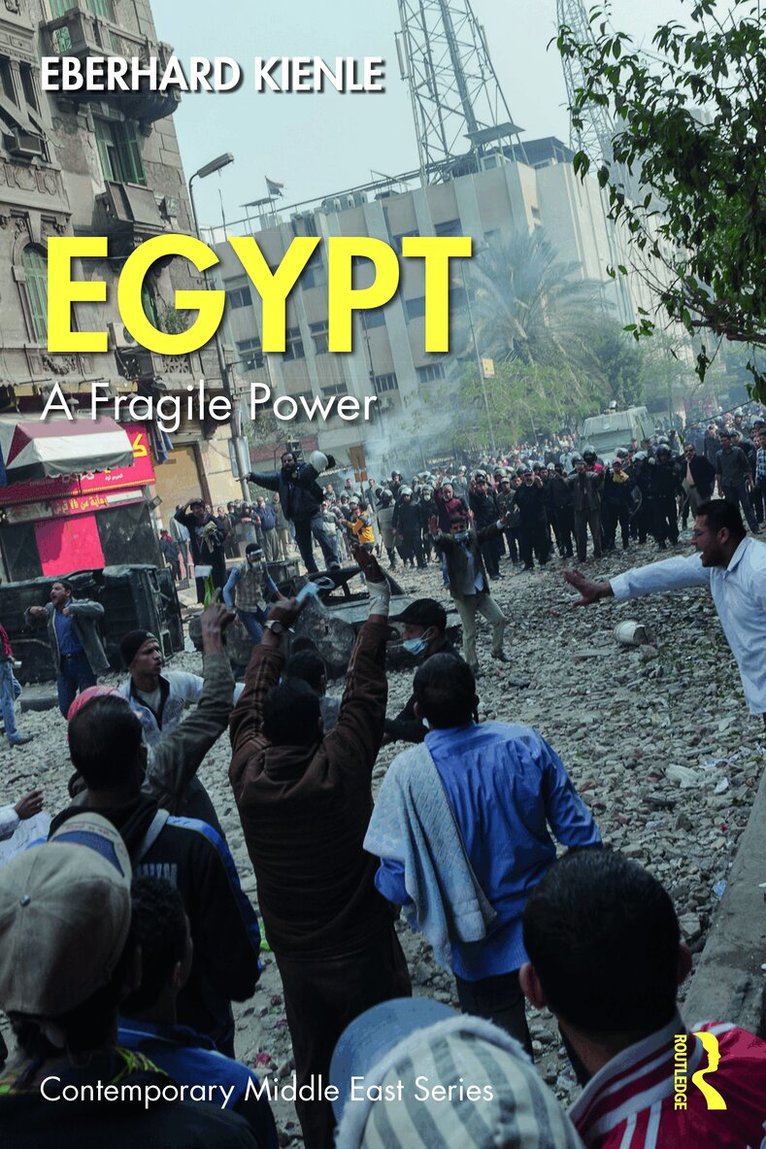
Egypt
A Fragile Power
Inbunden, 2021
2599 kr
Lägg i varukorg
Focusing on authoritarian rule, unresolved economic challenges, and external dependency, the volume explains the salient political and economic features of contemporary Egypt against the backdrop of its history since the beginning of the 19th century. Presenting a comprehensive account of …
Egypt
A Fragile Power
Häftad, 2021
655 kr
Lägg i varukorg
Focusing on authoritarian rule, unresolved economic challenges, and external dependency, the volume explains the salient political and economic features of contemporary Egypt against the backdrop of its history since the beginning of the 19th century. Presenting a comprehensive account of …
After the Cold War
Security and Democracy in Africa and Asia
Av William Hale, Eberhard Kienle
Häftad, 2021
475 kr
Lägg i varukorg
The end of the Cold War not only brought about dramatic international change, but also greatly impacted the politics and policies of Asian and African countries. This collection, edited by William Hale and Eberhard Kienle, brings together a range of essays exploring the impact of the end of the …
Arab Uprisings
Transforming and Challenging State Power
Av Eberhard Kienle, Nadine Sika
Inbunden, 2015
1850 kr
Lägg i varukorg
The uprisings which spread across the Middle East and North Africa in late 2010 and 2011 irrevocably altered the way in which the region is now perceived. But in spite of the numerous similarities in these protests, from Tunisia and Egypt to Yemen and Bahrain, their broader political effects …
Grand Delusion
Democracy and Economic Reform in Egypt
Inbunden, 2001
1848 kr
Lägg i varukorg
This work argues that the much-vaunted reform and liberalization of Egypt's economy has been partial and selective, far from beneficial to all Egyptians. While the encouragement of the private sector has indeed benefited some, it has failed to improve the standard of living of others.
Grand Delusion
Democracy and Economic Reform in Egypt
Häftad, 2001
375 kr
Lägg i varukorg
The author argues in this text that the much-vaunted reform and liberalisation of Egypt's economy has been partial and selective, far from beneficial to all Egyptians. While the encouragement of the private sector has indeed benefited some, it has failed to improve the standard of living of others, …