eck Spurlock Wilson – författare
Visar alla böcker från författaren eck Spurlock Wilson. Handla med fri frakt och snabb leverans.
3 produkter
3 produkter
665 kr
Skickas inom 10-15 vardagar
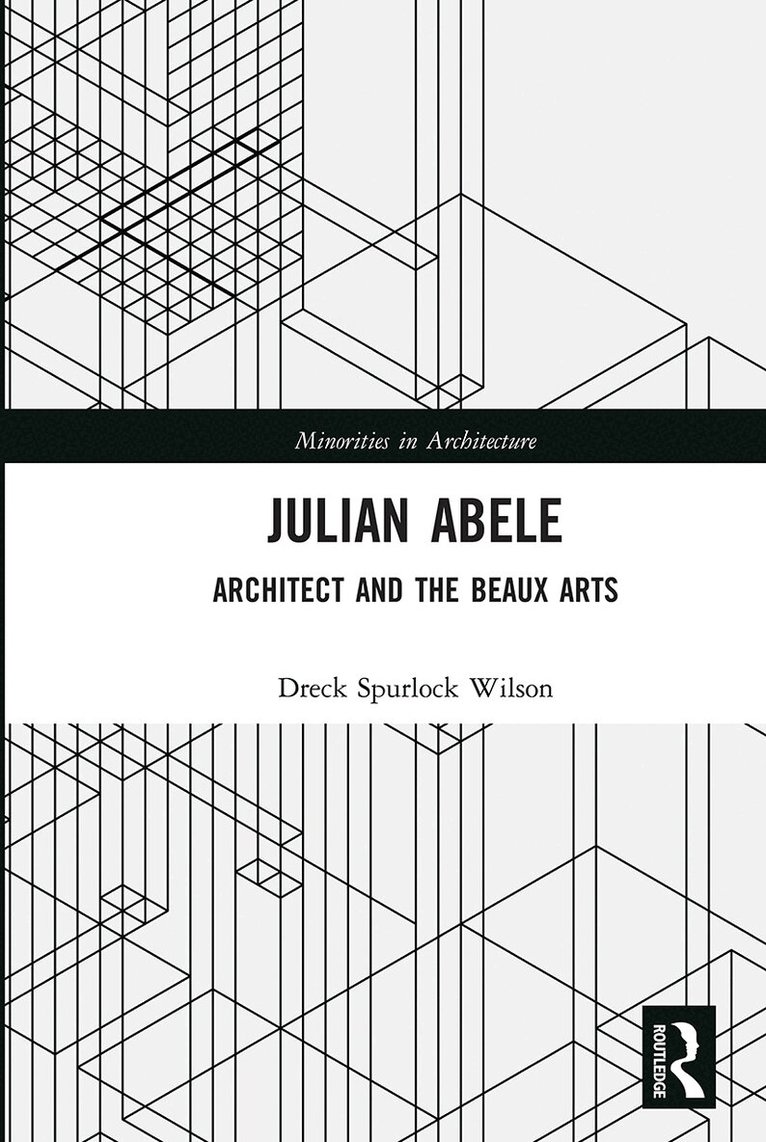
Julian Abele, Architect and the Beaux Arts uncovers the life of one of the first beaux arts trained African American architects. Overcoming racial segregation at the beginning of the twentieth century, Abele received his architecture degree from the University of Pennsylvania in 1902. Wilson traces Abele’s progress as he went on to become the most formally educated architect in America at that time. Abele later contributed to the architectural history of America by designing over 200 buildings throughout his career including the Widener Memorial Library (1913) at Harvard University and the Free Library of Philadelphia (1917). Architectural history is a valuable resource for those studying architecture. As such this book is beneficial for academics and students of architecture and architectural historians with a particular interest in minority discussions.
2 386 kr
Skickas inom 10-15 vardagar
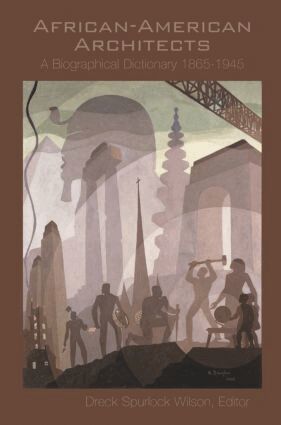
African-American architects have been designing and building houses and public buildings since 1865. Although many of these structures survive today, the architects themselves are virtually unknown. This unique reference work brings their lives and work to light for the first time. Written by 100 experts ranging from architectural historians to archivists, this book contains 160 biographical, A-Z entries on African-American architects from the era of Emancipation to the end of World War II. Articles provide biographical facts about each architect, and commentary on his or her work. Practical and accessible, this reference is complemented by over 200 photographs and includes an appendix containing a list of buildings by geographic location and by architect.
2 176 kr
Skickas inom 10-15 vardagar
Julian Abele, Architect and the Beaux Arts uncovers the life of one of the first beaux arts trained African American architects. Overcoming racial segregation at the beginning of the twentieth century, Abele received his architecture degree from the University of Pennsylvania in 1902. Wilson traces Abele’s progress as he went on to become the most formally educated architect in America at that time. Abele later contributed to the architectural history of America by designing over 200 buildings throughout his career including the Widener Memorial Library (1913) at Harvard University and the Free Library of Philadelphia (1917). Architectural history is a valuable resource for those studying architecture. As such this book is beneficial for academics and students of architecture and architectural historians with a particular interest in minority discussions.