Edgar Canter Brown - Böcker
Visar alla böcker från författaren Edgar Canter Brown. Handla med fri frakt och snabb leverans.
2 produkter
2 produkter
323 kr
Skickas inom 10-15 vardagar
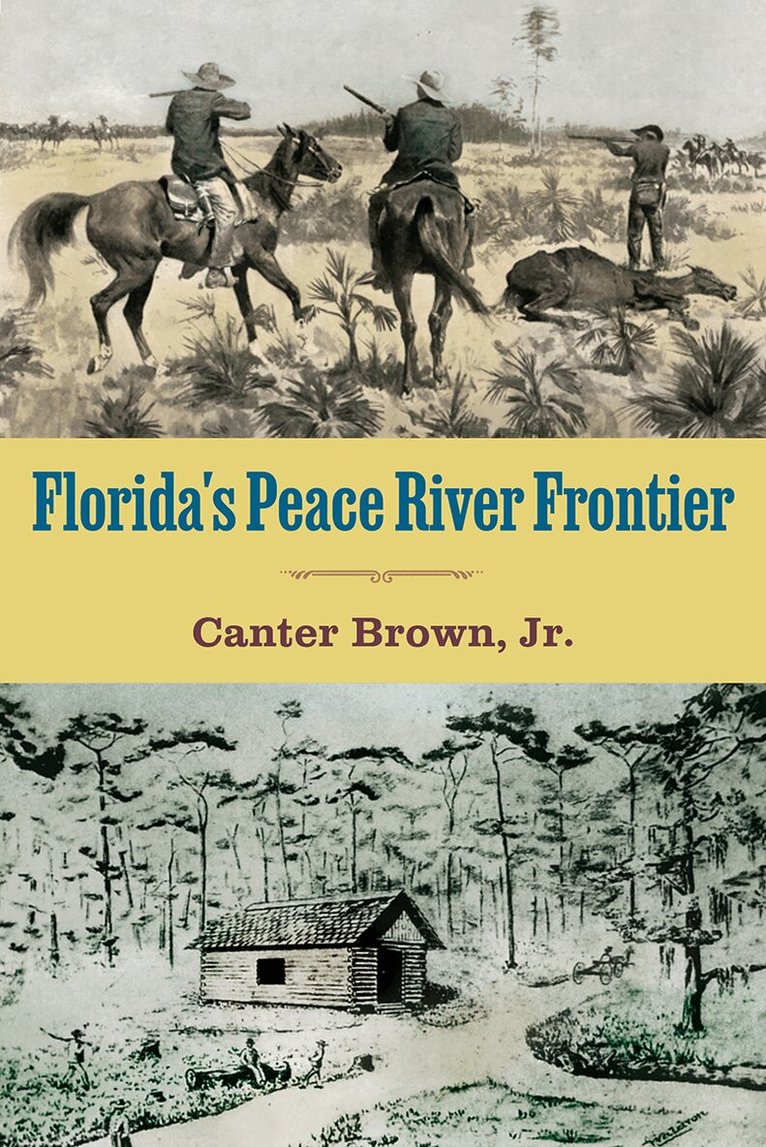
The economic, social, political, and racial history of southwest Florida in the nineteenth centuryFor most of the nineteenth century, southwest Florida and the Peace River Valley remained a frontier as unknown to outsiders as the frontiers of the American West. In this book, Canter Brown, Jr. records the area’s economic, social, political, and racial history in an account of violence, passion, struggle, sacrifice, and determination. The Peace River originates in Polk County’s Lake Hamilton, one of the many lakes that dot the heart of interior Florida. It flows past the towns of Bartow, Fort Meade, Bowling Green, Arcadia, Fort Ogden, and Punta Gorda, finally meeting the sea at Charlotte Harbor on Florida’s southwest Gulf Coast. No great cities line its banks; no commerce passes along its waters. Still, the river has bent and molded events of lasting significance to Florida and to the nation. Using such primary materials as government records, manuscript collections, and newspapers published throughout the country, Brown documents the presence of Native Americans and African Americans in the area in the aftermath of the First Seminole War. He examines the Civil War and Reconstruction periods, paying particular attention to the Union/Confederate, Republican/Democratic split among the area’s residents. In the final sections of the book he describes the arrival of the railroad and the growth of towns, the phosphate boom, and consequences of the Great Freeze of 1895. Throughout this account, the author identifies by name hundreds of persons who participated in these events, believing, he says, that the stories of individuals and families are a vital part of the area’s history. Florida’s Peace River Frontier will appeal to readers interested in Florida history, the Civil War and Reconstruction eras, African American history, and the history of the American frontier.
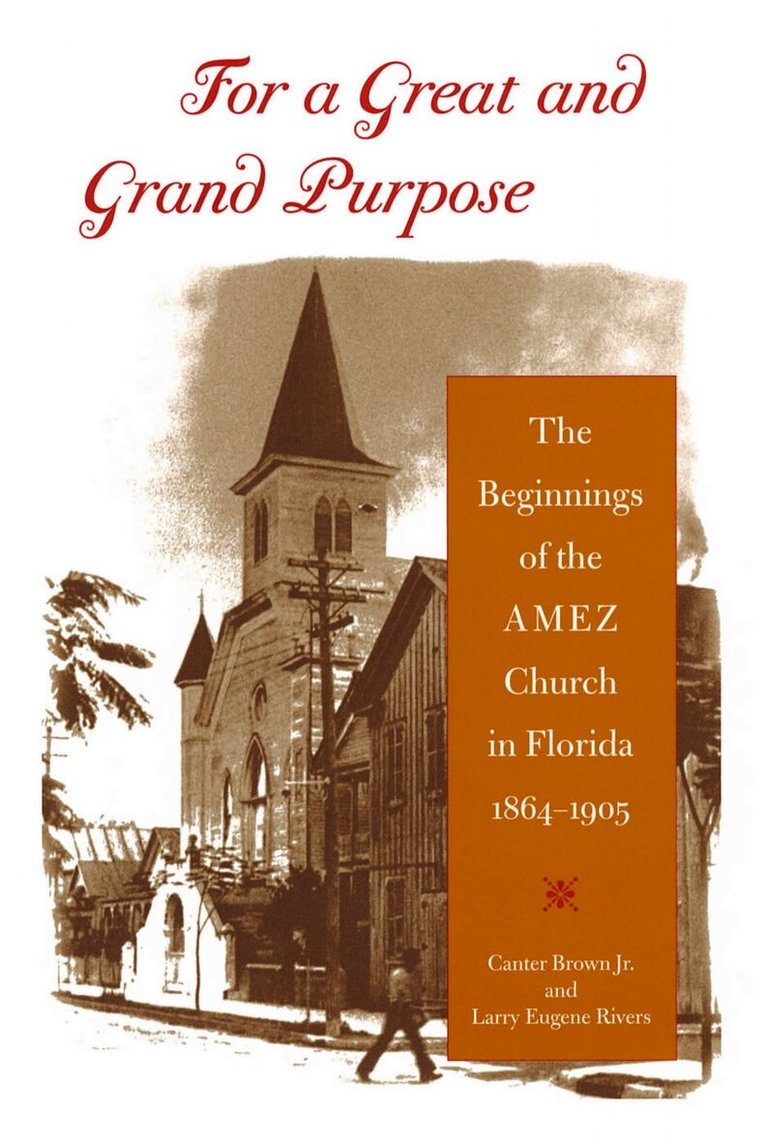
For a Great and Grand Purpose
The Beginnings of the AMEZ Church in Florida, 1864-1905
Häftad, Engelska, 2025
287 kr
Skickas inom 10-15 vardagar
The story of a church that became influential within the Black community in Florida after the Civil WarThis history of the African Methodist Episcopal Zion (AMEZ) Church in Florida tells how dedicated members of one of the oldest and most prominent black religious institutions created a forceful presence within the African-American community—against innumerable odds and constant challenges.The African Methodist Episcopal Zion denomination established an official presence in the state one year before its better-known cousin and rival, the African Methodist Episcopal Church. When Connecticut native Wilbur Garrison Strong arrived in Key West in 1864, he stood out as the first black ordained minister in all of peninsular Florida. He brought with him the northern Methodist tradition of joyful praise and preaching, an ethos of a plain and simple gospel that emphasized "righteous living" and an unbending commitment to emancipation and hope. With Key West under the control of Union forces during much of the Civil War, slaves and free Black people were able to express their desire for independence from white churches more easily there than throughout the rest of the state, and they gravitated to the church that Strong established.During its formative years, the AMEZ became one of the first mainline churches to ordain women to full clerical status. Its ministers commanded great strength in certain cities, and its membership included more of the urban and middle-class population than was typical for southern religious organizations, which were predominantly rural. At its zenith, the AMEZ was one of the largest African-American churches in the state. But it faced difficulties—gender issues, idiosyncratic leadership, rivalries between local ministers and Episcopal authorities, and political dissension at a point when the church was attempting to address larger social issues. In addition, the scourge of hurricanes and yellow fever and citrus crop freezes affected church fortunes. By 1905, when the governor urged the expulsion of all African-Americans from Florida and when state laws mandated racial segregation on public transportation, the era of lynching, discrimination, and disfranchisement already had begun and the period of AMEZ decline had commenced.In this remarkable yet virtually unknown story, the coauthors capture the mood of the post-Civil-War period in Florida, when Black people faced the obstacles and the opportunities that accompanied their new freedom. This work adds significantly to the growing body of literature on African-Americans in Florida and offers keen insights into the nature of institution building within the black community and the greater society.