Edith Clowes - Böcker
Visar alla böcker från författaren Edith Clowes. Handla med fri frakt och snabb leverans.
8 produkter
8 produkter
663 kr
Skickas inom 10-15 vardagar
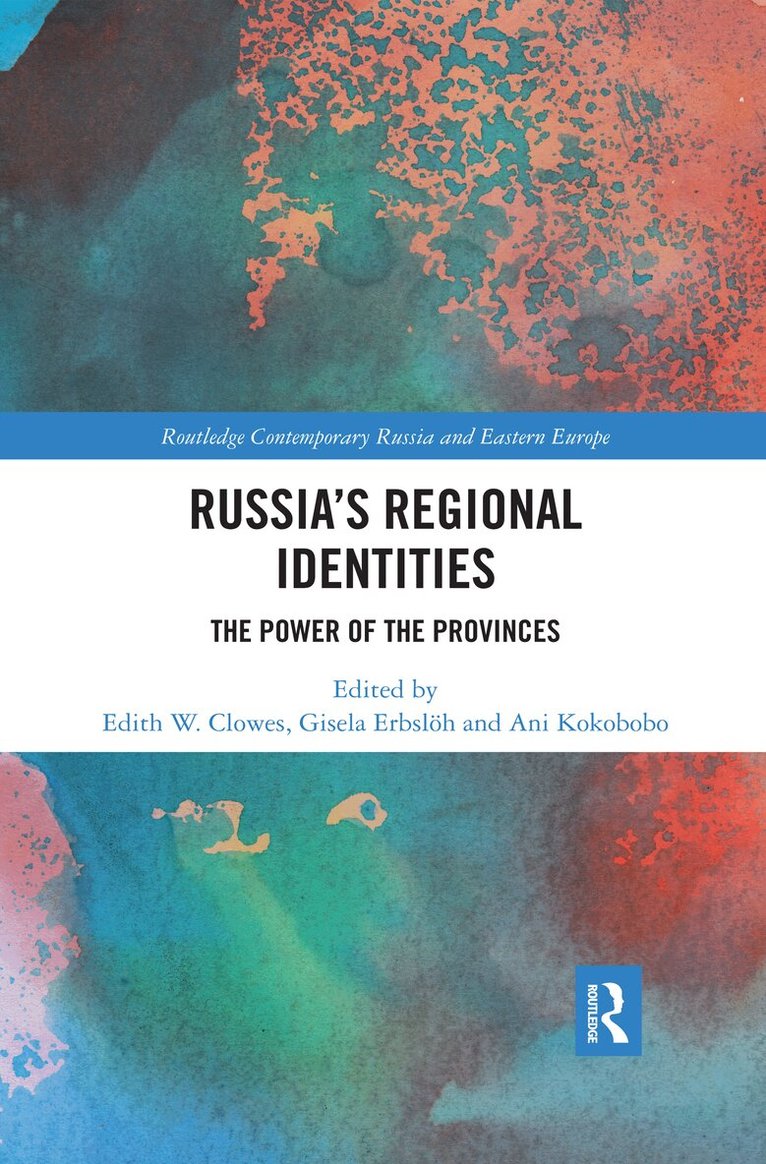
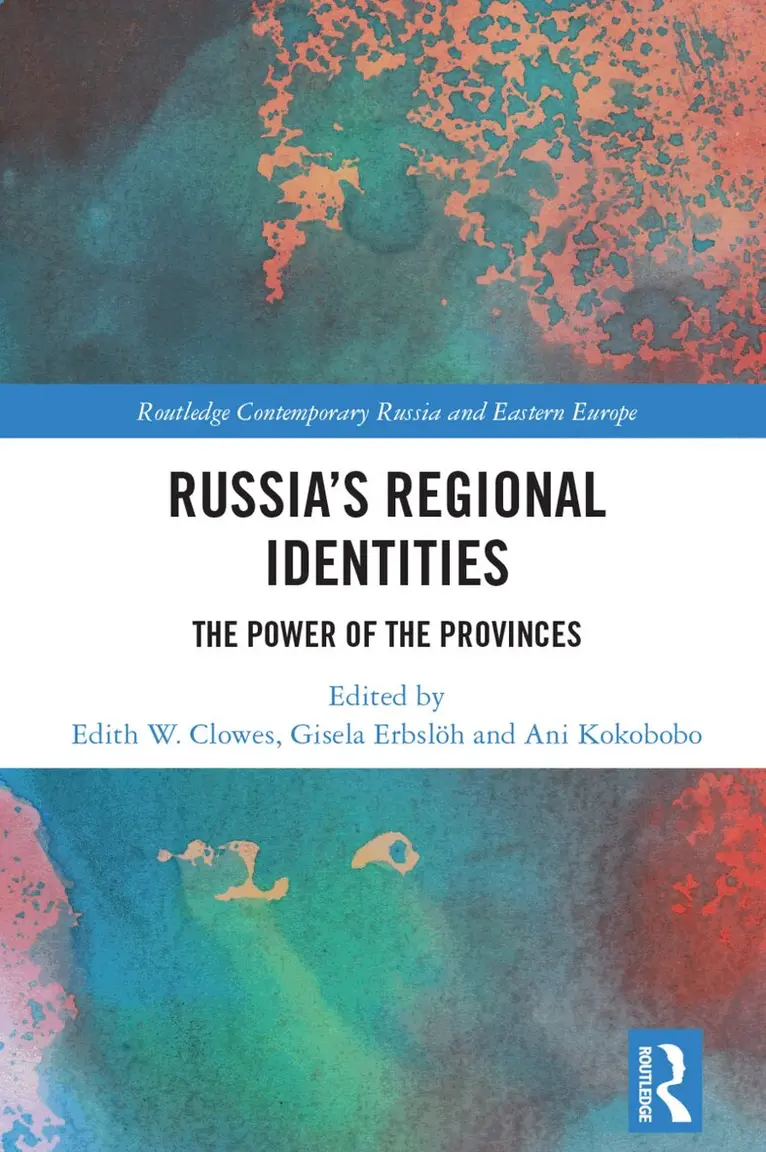
Contemporary Russia is often viewed as a centralised regime based in Moscow, with dependent provinces, made subservient by Putin’s policies limiting regional autonomy. This book, however, demonstrates that beyond this largely political view, by looking at Russia’s regions more in cultural and social terms, a quite different picture emerges, of a Russia rich in variety, with different regional identities, cultures, traditions and memories. The book explores how identities are formed and rethought in contemporary Russia, and outlines the nature of particular regional identities, from Siberia and the Urals to southern Russia, from the Russian heartland to the non-Russian republics.
407 kr
Skickas inom 10-15 vardagar
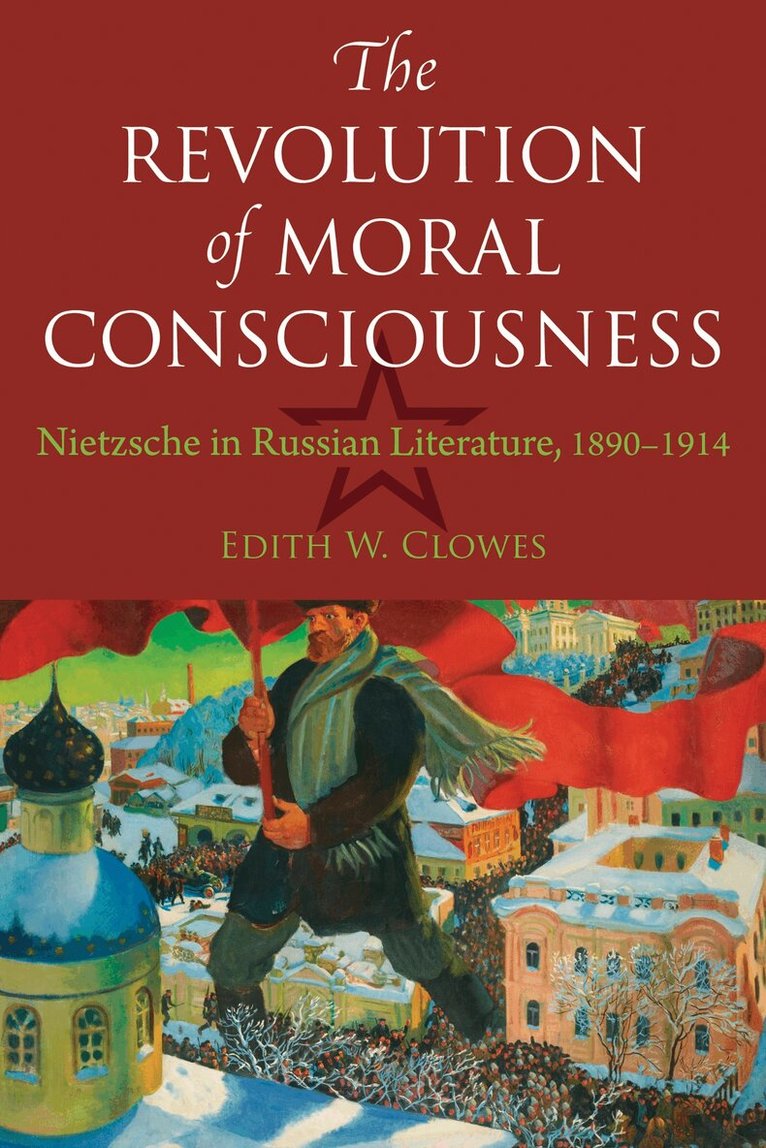
No other thinker so engaged the Russian cultural imagination of the early twentieth century as did Friedrich Nietzche. The Revolution of Moral Consciousness shows how Nietzschean thought influenced the brilliant resurgence of literary life that started in the 1890s and continued for four decades. Through an analysis of the Russian encounter with Nietzsche, Edith Clowes defines the shift in ethical and aesthetic vision that motivated Russia's unprecedented artistic renascence and at the same time led its followers to the brink of cultural despair. Clowes shows how in the last years of the nineteenth century a diverse array of writers and critics discovered Nietzsche's thought, embracing or repudiating it with equal vigor. The literary storm brewing around Nietzsche and the concurrent relaxation of censorship combined to attract a public eager to follow the new intellectual fashion. Young writers, such as Andreev and Kuprin, welcomed the idea of the "superman" as a promising path to personal fulfillment. The tragic fates of their protagonists and the alluring gospel of the vulgar Zarathustra-like characters of such bestselling authors as Boborykin, Artsybashev, and Verbitskaia found enthusiastic, if indiscriminating, audiences ready to be "taught" how to "find themselves." By considering this Nietzschean cult, Clowes draws fresh insight into the nature of the budding popular-culture industry in Russia and the fast-growing reading public. From this ferment emerged the greatest Russian literary voices of the early twentieth century. The revolutionary romantics, Gorky and Lunacharsky, sought in Nietzsche's writing a new vision of total social and cultural change. Merezhkovsky led a generation of mystic symbolists in the search for a literary myth of resurrection. Ivanov, Blok, and Belyi appropriated the image of the "crucified Dionysus" as the central symbol of spiritual transfiguration. Their encounters with Nietzschean thought disclose an even more profound creative struggle with their own cultural past and its established formulations of nation and individual, culture and history. Clowes uses the term future anxiety to speak of a creative mentality that strove to assert itself by diminishing the impact of powerful literary precursors, such as Tolstoi, Dostoevsky, and Solovyov, and opening to the imagination the vision of a future full of vast creative possibility.
314 kr
Skickas inom 10-15 vardagar
This interdisciplinary volume is a new introduction to area studies in the framework of whole-world thinking. Emerging in the United States after World War II, area studies have proven indispensable to American integration in the world. They serve two main purposes: to equip future experts with rich cultural-historical and political-economic knowledge of a world area in its global context and advanced foreign language proficiency, and to provide interested readers with well-founded analyses of a vast array of the world's communities.Area Studies in the Global Age examines the interrelation between three constructions central to any culture—community, place, and identity—and builds on research by scholars specializing in diverse world areas, including Africa; Central, East, and North Asia; Eastern and East Central Europe; and Latin America. In contrast to sometimes oversimplified, globalized thinking, the studies featured here argue for the importance of understanding particular human experience and the actual effects of global changes on real people's lives. The rituals, narratives, symbols, and archetypes that define a community, as well as the spaces to which communities attach meaning, are crucial to members' self-perception and sense of agency. Editors Edith W. Clowes and Shelly Jarrett Bromberg have put into practice the original mission of US area studies, which were intended to employ both social science and humanities research methods. This important study presents and applies a variety of methodologies, including interviews and surveys; the construction of databases; the analysis of public rituals and symbols; the examination of archival documents as well as contemporary public commentary; and the close reading and interpretation of fiction, art, buildings, cities, and other creatively produced works in their social contexts. Designed for advanced undergraduate and beginning graduate students in allied disciplines, Clowes and Bromberg's volume will also appeal to readers interested in internationally focused humanities and social sciences.
299 kr
Skickas inom 10-15 vardagar
No other thinker so engaged the Russian cultural imagination of the early twentieth century as did Friedrich Nietzche. The Revolution of Moral Consciousness shows how Nietzschean thought influenced the brilliant resurgence of literary life that started in the 1890s and continued for four decades. Through an analysis of the Russian encounter with Nietzsche, Edith Clowes defines the shift in ethical and aesthetic vision that motivated Russia's unprecedented artistic renascence and at the same time led its followers to the brink of cultural despair. Clowes shows how in the last years of the nineteenth century a diverse array of writers and critics discovered Nietzsche's thought, embracing or repudiating it with equal vigor. The literary storm brewing around Nietzsche and the concurrent relaxation of censorship combined to attract a public eager to follow the new intellectual fashion. Young writers, such as Andreev and Kuprin, welcomed the idea of the "superman" as a promising path to personal fulfillment. The tragic fates of their protagonists and the alluring gospel of the vulgar Zarathustra-like characters of such bestselling authors as Boborykin, Artsybashev, and Verbitskaia found enthusiastic, if indiscriminating, audiences ready to be "taught" how to "find themselves." By considering this Nietzschean cult, Clowes draws fresh insight into the nature of the budding popular-culture industry in Russia and the fast-growing reading public. From this ferment emerged the greatest Russian literary voices of the early twentieth century. The revolutionary romantics, Gorky and Lunacharsky, sought in Nietzsche's writing a new vision of total social and cultural change. Merezhkovsky led a generation of mystic symbolists in the search for a literary myth of resurrection. Ivanov, Blok, and Belyi appropriated the image of the "crucified Dionysus" as the central symbol of spiritual transfiguration. Their encounters with Nietzschean thought disclose an even more profound creative struggle with their own cultural past and its established formulations of nation and individual, culture and history. Clowes uses the term future anxiety to speak of a creative mentality that strove to assert itself by diminishing the impact of powerful literary precursors, such as Tolstoi, Dostoevsky, and Solovyov, and opening to the imagination the vision of a future full of vast creative possibility.
2 634 kr
Skickas inom 10-15 vardagar
Contemporary Russia is often viewed as a centralised regime based in Moscow, with dependent provinces, made subservient by Putin’s policies limiting regional autonomy. This book, however, demonstrates that beyond this largely political view, by looking at Russia’s regions more in cultural and social terms, a quite different picture emerges, of a Russia rich in variety, with different regional identities, cultures, traditions and memories. The book explores how identities are formed and rethought in contemporary Russia, and outlines the nature of particular regional identities, from Siberia and the Urals to southern Russia, from the Russian heartland to the non-Russian republics.
658 kr
Skickas inom 5-8 vardagar
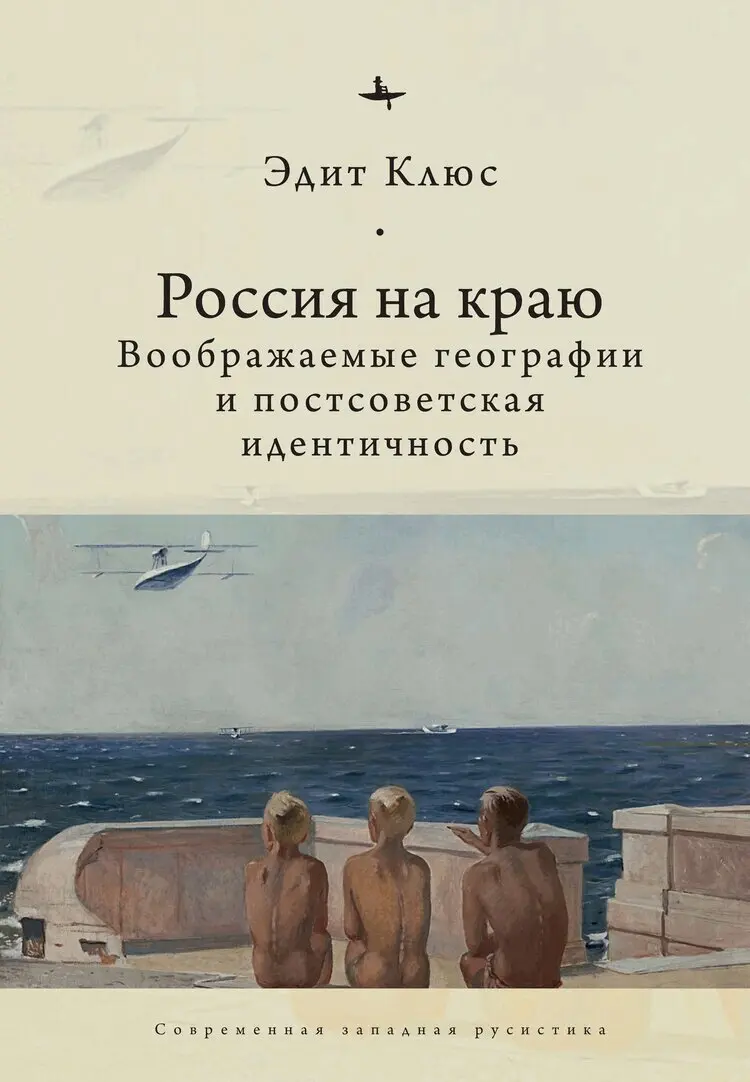
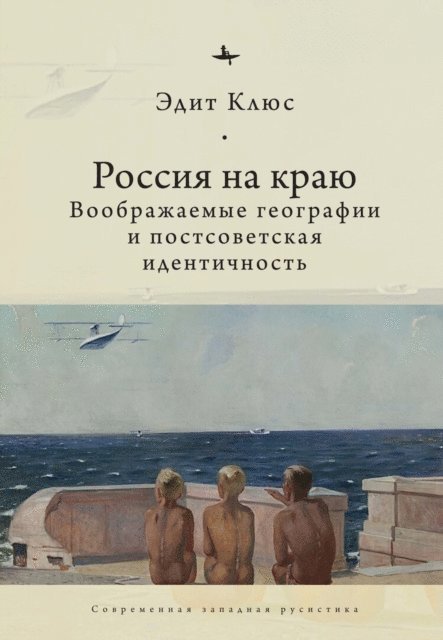
Since the dissolution of the Soviet Union in 1991, Russians have confronted a major crisis of identity. Soviet ideology rested on a belief in historical progress, but the post-Soviet imagination has obsessed over territory. Indeed, geographical metaphors—whether axes of north vs. south or geopolitical images of center, periphery, and border—have become the signs of a different sense of self and the signposts of a new debate about Russian identity. In Russia on the Edge, Edith W. Clowes argues that refurbished geographical metaphors and imagined geographies provide a useful perspective for examining post-Soviet debates about what it means to be Russian today.Clowes lays out several sides of the debate. She takes as a backdrop the strong criticism of Soviet Moscow and its self-image as uncontested global hub by major contemporary writers, among them Tatyana Tolstaya and Viktor Pelevin. The most vocal, visible, and colorful rightist ideologue, Aleksandr Dugin, the founder of neo-Eurasianism, has articulated positions contested by such writers and thinkers as Mikhail Ryklin, Liudmila Ulitskaia, and Anna Politkovskaia, whose works call for a new civility in a genuinely pluralistic Russia. Dugin’s extreme views and their many responses—in fiction, film, philosophy, and documentary journalism—form the body of this book.
350 kr
Skickas inom 7-10 vardagar
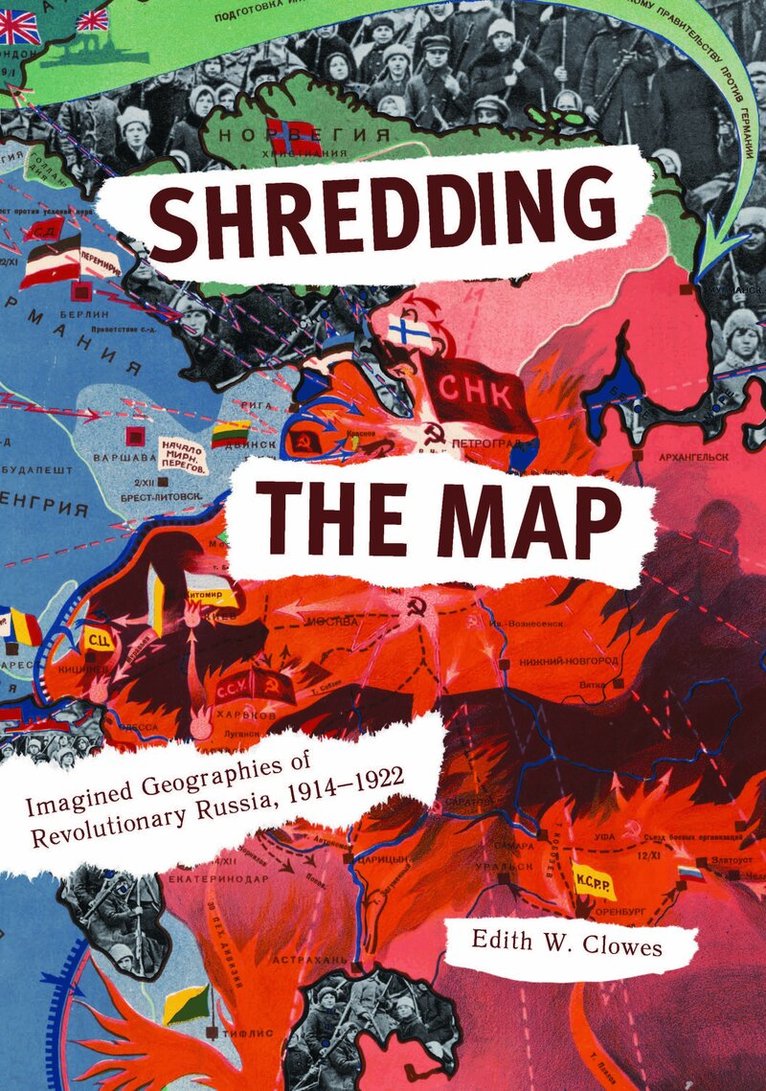
Shredding the Map investigates Russian place consciousness in the decade between the start of World War I and the end of the Russian civil war. Attachment to place is a vital aspect of human identity, and connection to homeland, whether imagined or real, can be especially powerful. Drawing from a large digital database of period literature, Shredding the Map investigates the metamorphic changes in how Russians related to places–whether abstractions like “country” or concrete spaces of borders, fronts, and edgelands–during these years.An innovative, digitally-aided study of Russia’s “imagined geography” during the early decades of the twentieth century, Shredding the Map uncovers vying emotional patterns and responses to Russian ideas of place, some familiar and some quite new. The book includes new visualizations that connect otherwise invisible networks of shared place, feeling, and perception among dozens of writers in order to trace patterns of geospatial identity. A scholarly companion to the “Mapping Imagined Geographies of Revolutionary Russia” website and database, this book offers an innovative analysis of place and identity beyond the centers of power, enhancing our perceptions of Russia and encouraging debate about the possibilities for digital humanities and literary analysis.
348 kr
Skickas inom 3-6 vardagar
Since the dissolution of the Soviet Union in 1991, Russians have confronted a major crisis of identity. Soviet ideology rested on a belief in historical progress, but the post-Soviet imagination has obsessed over territory. Indeed, geographical metaphors—whether axes of north vs. south or geopolitical images of center, periphery, and border—have become the signs of a different sense of self and the signposts of a new debate about Russian identity. In Russia on the Edge, Edith W. Clowes argues that refurbished geographical metaphors and imagined geographies provide a useful perspective for examining post-Soviet debates about what it means to be Russian today.Clowes lays out several sides of the debate. She takes as a backdrop the strong criticism of Soviet Moscow and its self-image as uncontested global hub by major contemporary writers, among them Tatyana Tolstaya and Viktor Pelevin. The most vocal, visible, and colorful rightist ideologue, Aleksandr Dugin, the founder of neo-Eurasianism, has articulated positions contested by such writers and thinkers as Mikhail Ryklin, Liudmila Ulitskaia, and Anna Politkovskaia, whose works call for a new civility in a genuinely pluralistic Russia. Dugin’s extreme views and their many responses—in fiction, film, philosophy, and documentary journalism—form the body of this book.