Edith Snook – författare
Visar alla böcker från författaren Edith Snook. Handla med fri frakt och snabb leverans.
11 produkter
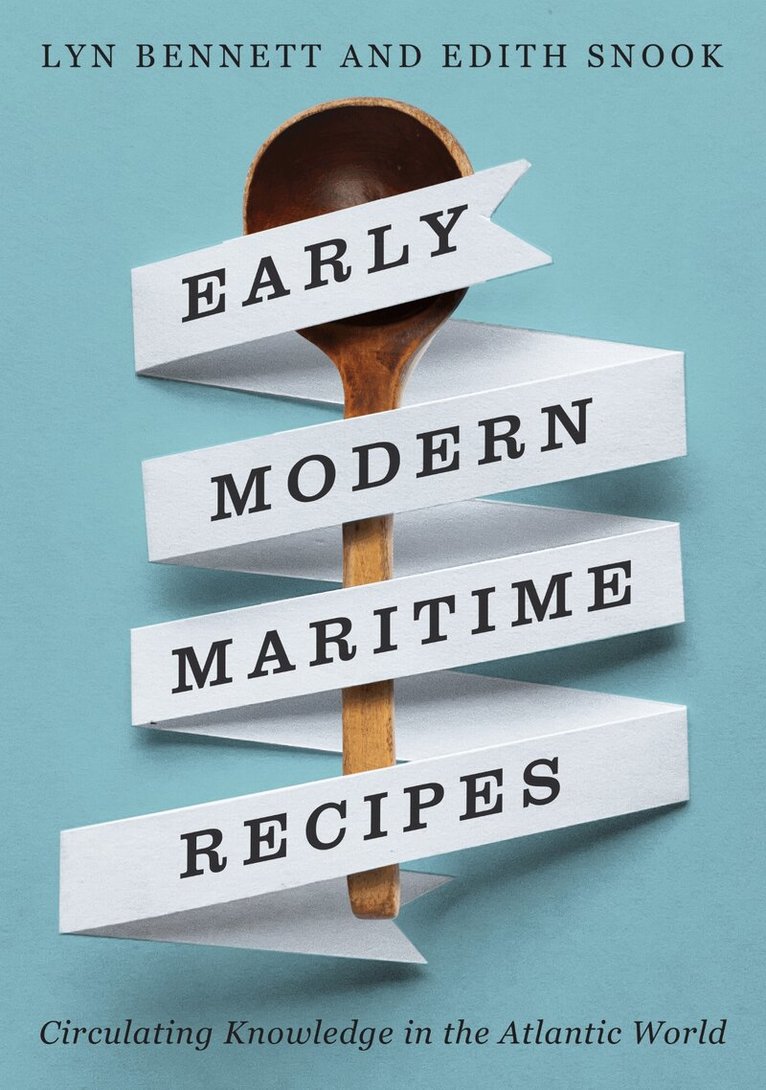
Early Modern Maritime Recipes
Circulating Knowledge in the Atlantic World
Häftad, 2026
430 kr
Lägg i varukorg
Describing how to pickle beef, make a low-cost substitution for sugar, waterproof a coat, or treat kidney stones, eighteenth-century settler recipes recorded a wide range of processes essential to daily life. Early Modern Maritime Recipes offers a compendium of culinary, medicinal, and domestic …
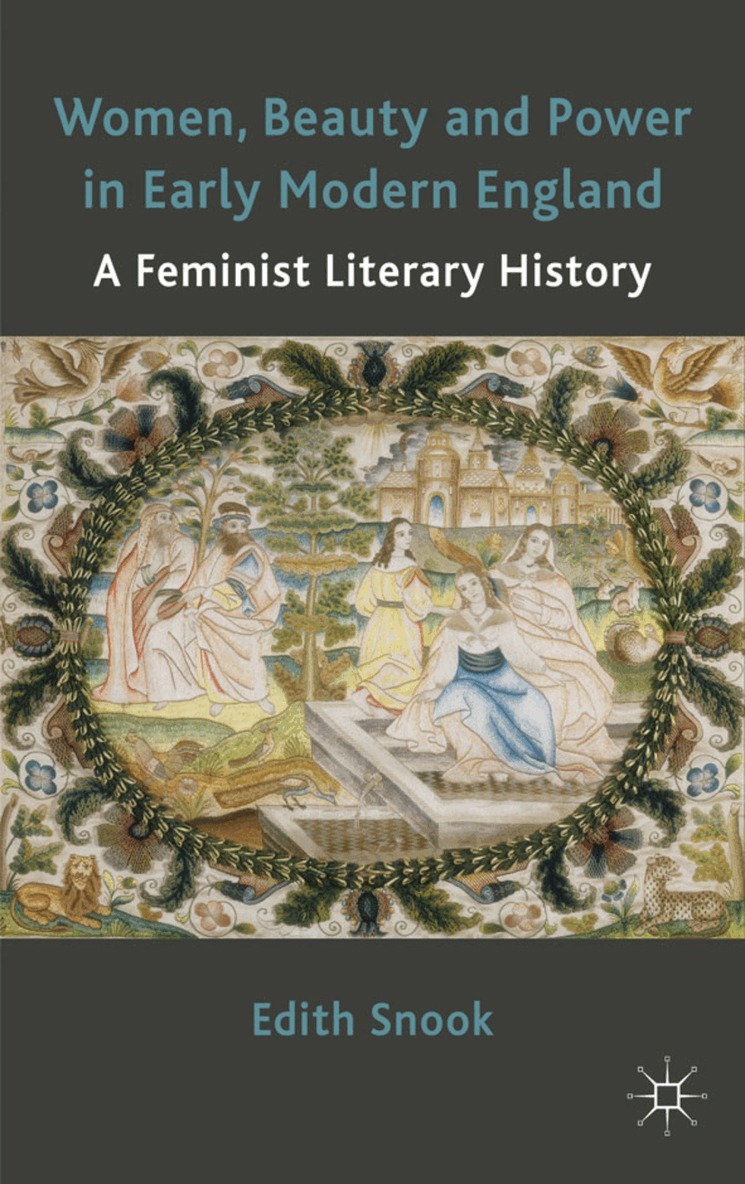
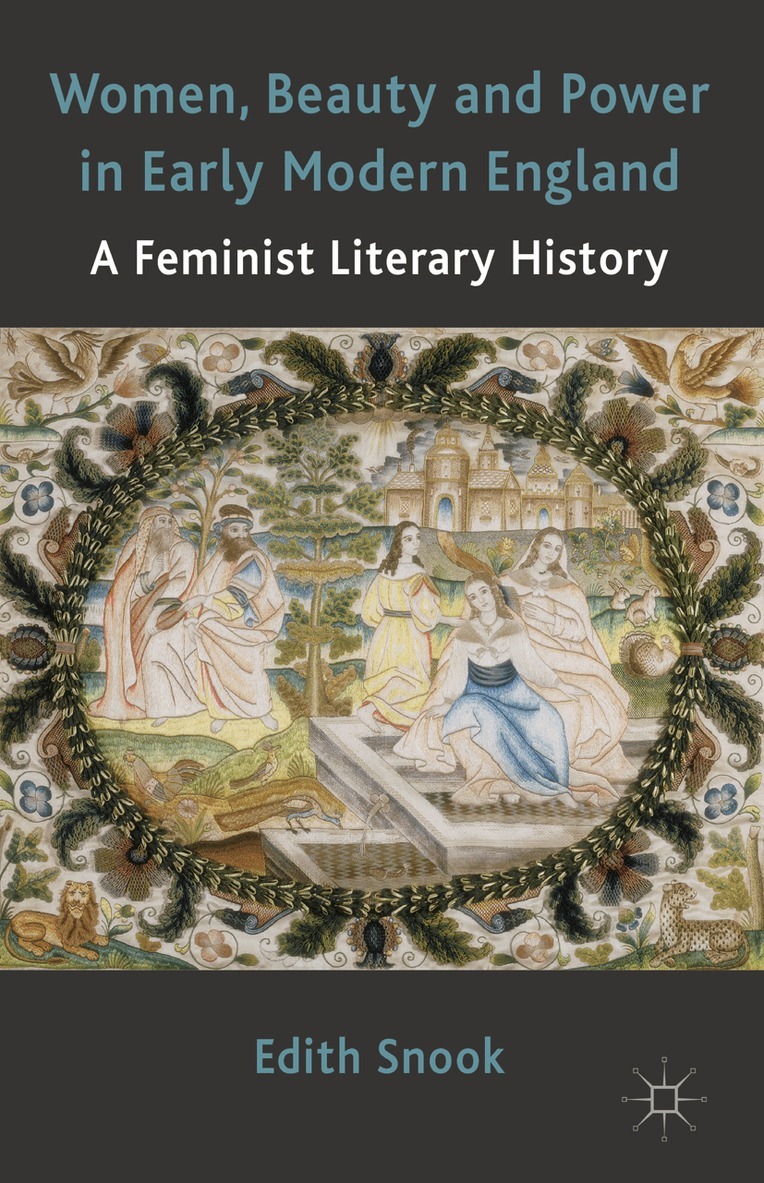
Women, Beauty and Power in Early Modern England
A Feminist Literary History
Av Edith Snook
Inbunden, 2011
635 kr
Lägg i varukorg
Divided into three sections on cosmetics, clothes and hairstyling, this book explores how early modern women regarded beauty culture and in what ways skin, clothes and hair could be used to represent racial, class and gender identities, and to convey political, religious and philosophical ideals.
Women, Beauty and Power in Early Modern England
A Feminist Literary History
Av Edith Snook
E-bok, 2011
877 kr
Lägg i varukorg
Divided into three sections on cosmetics, clothes and hairstyling, this book explores how early modern women regarded beauty culture and in what ways skin, clothes and hair could be used to represent racial, class and gender identities, and to convey political, religious and philosophical ideals.
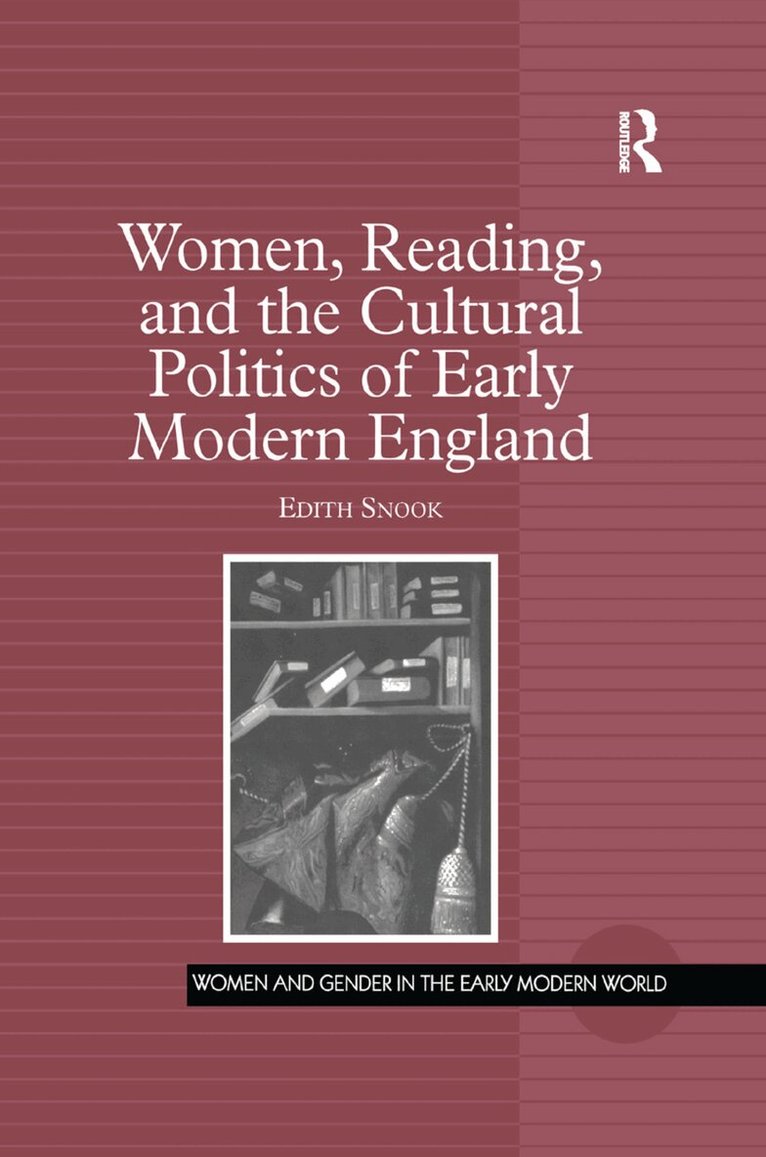
Women, Reading, and the Cultural Politics of Early Modern England
Av Edith Snook
Inbunden, 2005
2888 kr
Lägg i varukorg
A study of the representation of reading in early modern Englishwomen's writing, this book exists at the intersection of textual criticism and cultural history. It looks at depictions of reading in women's printed devotional works, maternal advice books, poetry, and fiction, as well as manuscripts, …
Women, Beauty and Power in Early Modern England
A Feminist Literary History
Av Edith Snook
Häftad, 2011
637 kr
Lägg i varukorg
Divided into three sections on cosmetics, clothes and hairstyling, this book explores how early modern women regarded beauty culture and in what ways skin, clothes and hair could be used to represent racial, class and gender identities, and to convey political, religious and philosophical ideals.
Women, Reading, and the Cultural Politics of Early Modern England
Av Edith Snook
Häftad, 2019
931 kr
Lägg i varukorg
A study of the representation of reading in early modern Englishwomen's writing, this book exists at the intersection of textual criticism and cultural history. It looks at depictions of reading in women's printed devotional works, maternal advice books, poetry, and fiction, as well as manuscripts, …
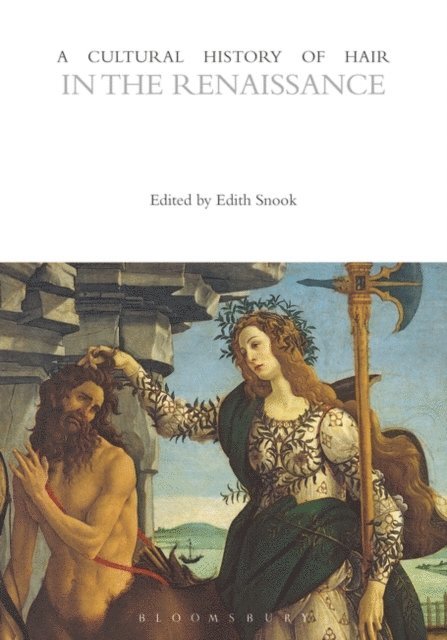
Cultural History of Hair in the Renaissance
Av Edith Snook
E-bok, 2020
450 kr
Lägg i varukorg
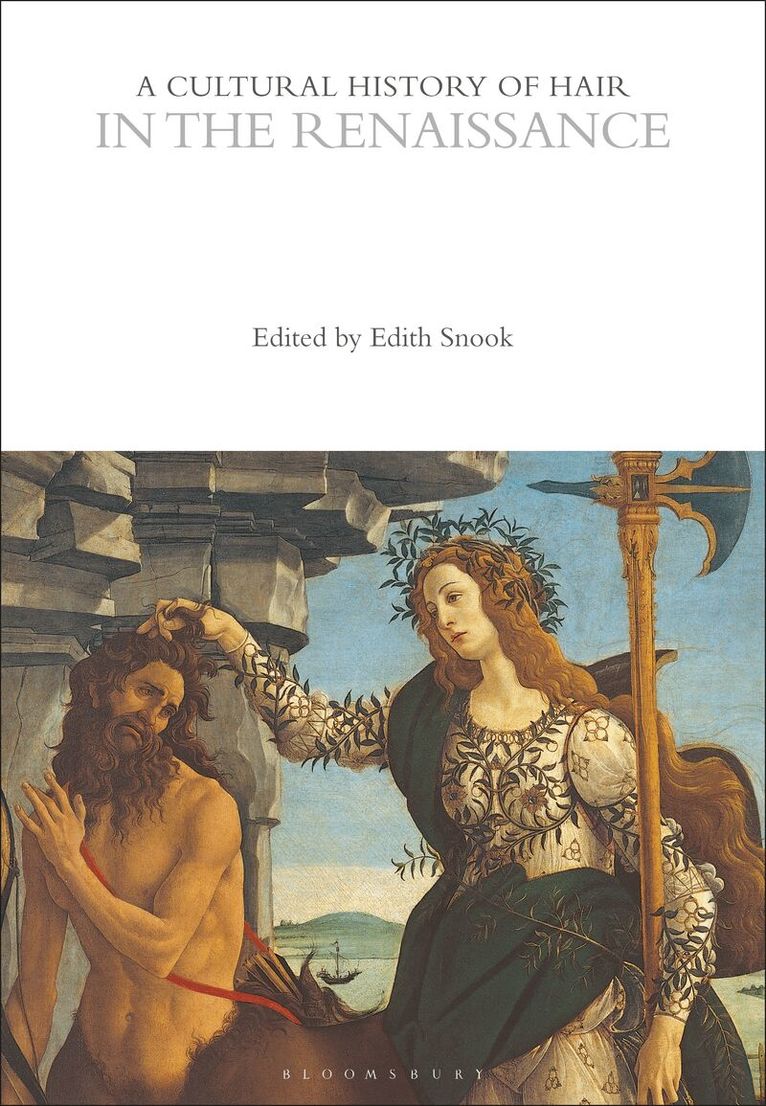
In the period 1450 to 1650 in Europe, hair was braided, curled, shaped, cut, colored, covered, decorated, supplemented, removed, and reused in magic, courtship, and art, amongst other things. On the body, Renaissance men and women often considered hair a signifier of order and civility. Hair style …
Cultural History of Hair in the Renaissance
Av Edith Snook
E-bok, 2020
440 kr
Lägg i varukorg
In the period 1450 to 1650 in Europe, hair was braided, curled, shaped, cut, colored, covered, decorated, supplemented, removed, and reused in magic, courtship, and art, amongst other things. On the body, Renaissance men and women often considered hair a signifier of order and civility. Hair style …
Cultural History of Hair in the Renaissance
Av Edith Snook
Häftad, 2022
412 kr
Lägg i varukorg
“A thick, tangled and deliciously idiosyncratic history of hair.” Times Literary SupplementIn the period 1450 to 1650 in Europe, hair was braided, curled, shaped, cut, colored, covered, decorated, supplemented, removed, and reused in magic, courtship, and art, amongst other things. On the body, …
Women, Reading, and the Cultural Politics of Early Modern England
Av Edith Snook
E-bok, 2017
1095 kr
Lägg i varukorg
A study of the representation of reading in early modern Englishwomen''s writing, this book exists at the intersection of textual criticism and cultural history. It looks at depictions of reading in women''s printed devotional works, maternal advice books, poetry, and fiction, as well as …
Women, Reading, and the Cultural Politics of Early Modern England
Av Edith Snook
E-bok, 2017
1061 kr
Lägg i varukorg
A study of the representation of reading in early modern Englishwomen''s writing, this book exists at the intersection of textual criticism and cultural history. It looks at depictions of reading in women''s printed devotional works, maternal advice books, poetry, and fiction, as well as …