Edmund Yorke – författare
Visar alla böcker från författaren Edmund Yorke. Handla med fri frakt och snabb leverans.
11 produkter
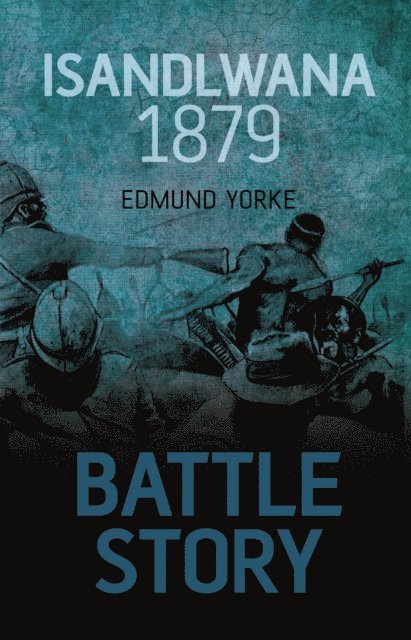
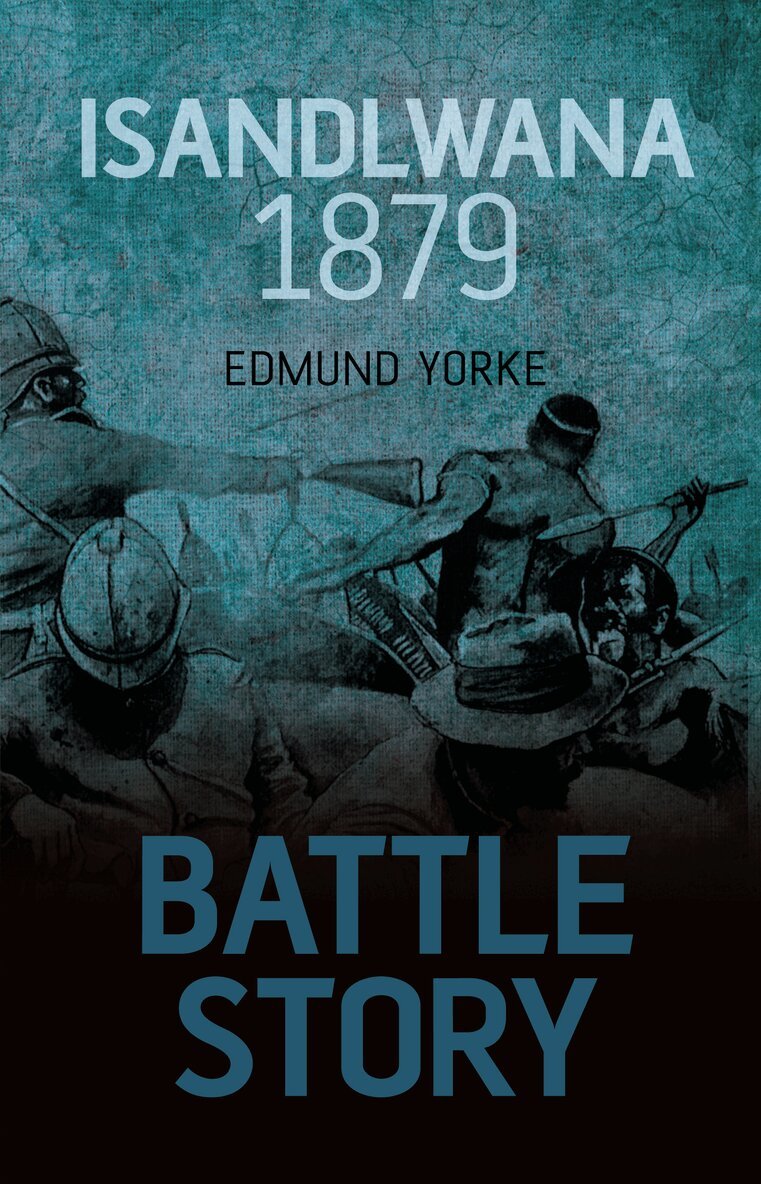
Battle Story: Isandlwana
Av Edmund Yorke
E-bok, 2011
95 kr
Lägg i varukorg
On 22 January 1879 a 20,000-strong Zulu army attacked 1,700 British and colonial forces. The engagement saw primitive weapons of spears and shields clashing with the latest military technology. However, despite being poorly equipped, the numerically superior Zulu force crushed the British troops, …
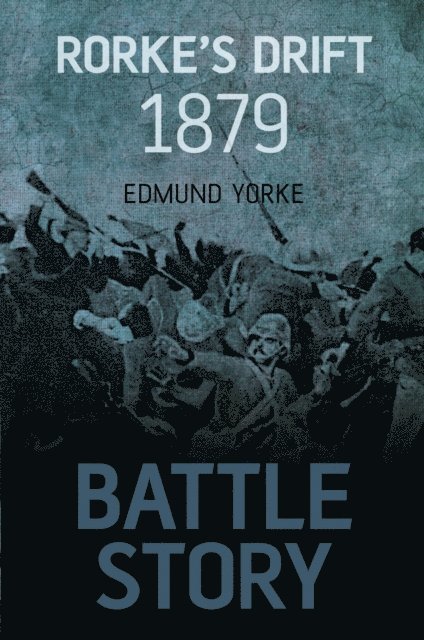
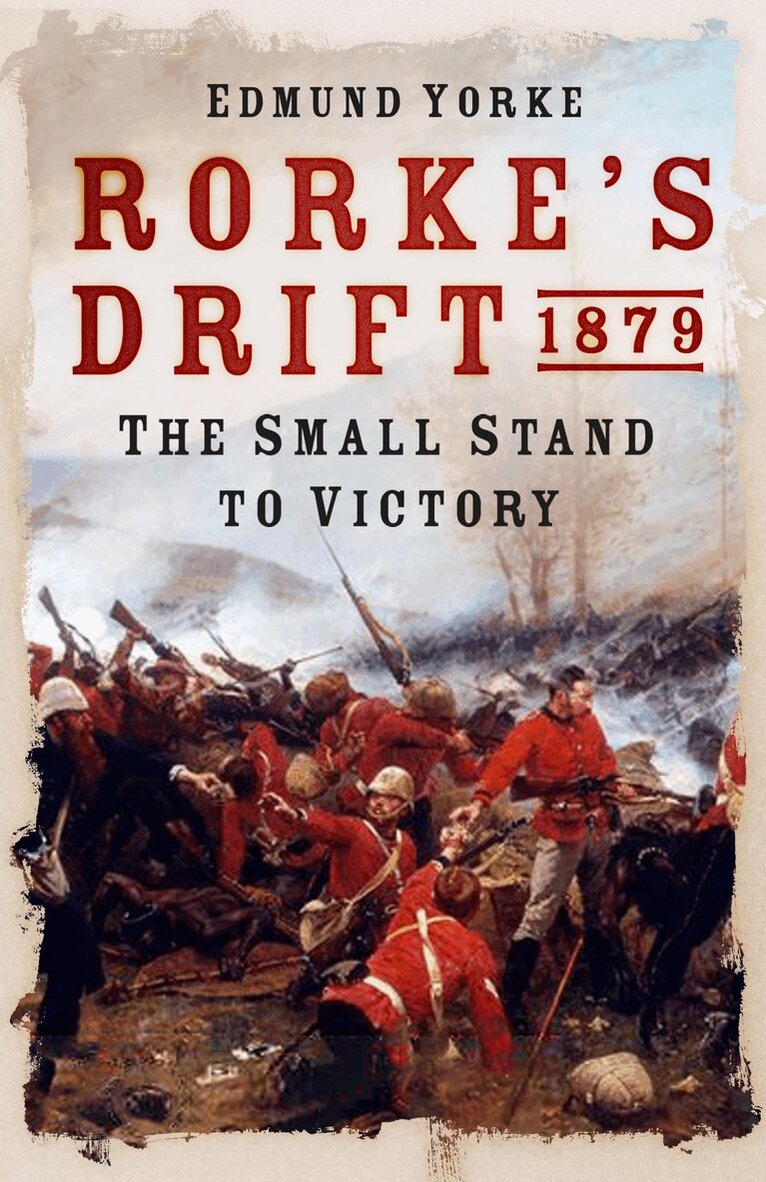
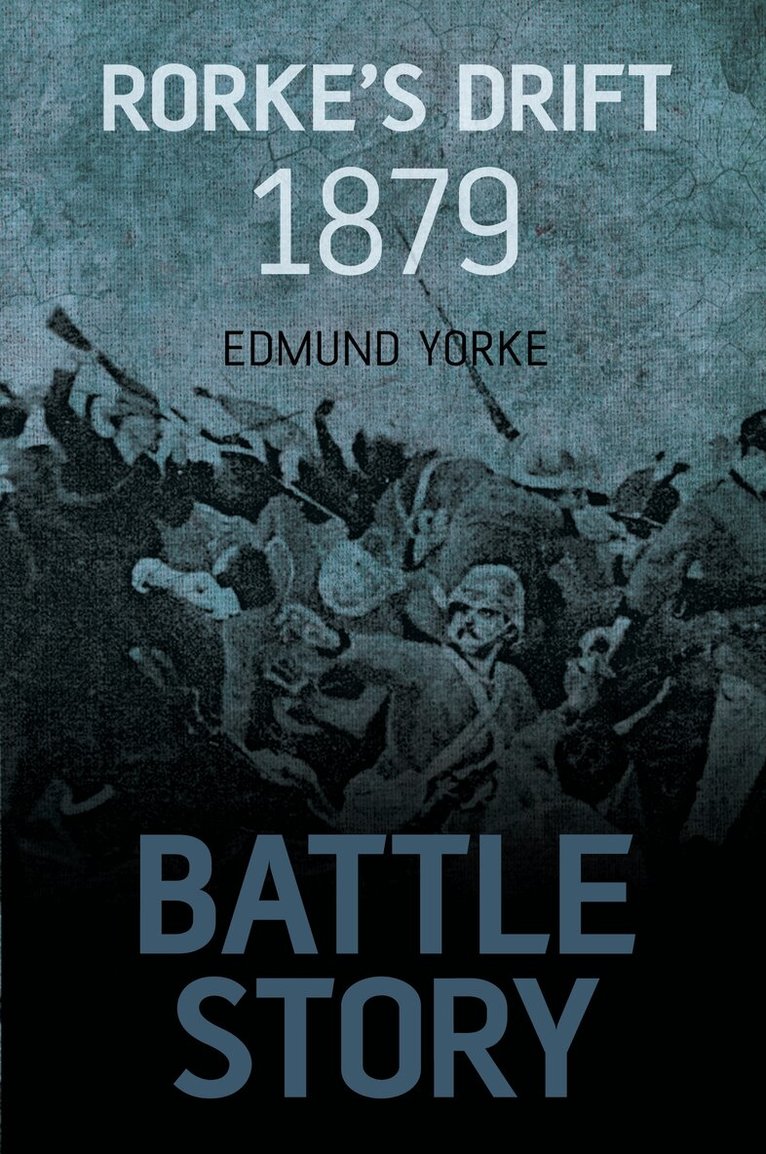
Rorke's Drift 1879
The Small Stand to Victory
Av Edmund Yorke
E-bok, 2012
95 kr
Lägg i varukorg
On 22 January 1879 a 20,000-strong Zulu army decimated the British camp at Isandlwana. On the back of this victory 3,000–4,000 Zulu warriors swept towards the garrison of Rorke''s Drift, expecting to devastate the c.500-strong British and colonial force there. However, this small, but stalwart …
Battle Story: Kabul 1841-42
Av Edmund Yorke
Inbunden, 2012
125 kr
Lägg i varukorg
Kabul is a name that has had much resonance in current affairs over the last few years, however its place in military history can be charted much further back to the first British incursions into Afghanistan during the 19th century. The First Anglo-Afghan War saw British India attempting to obtain …
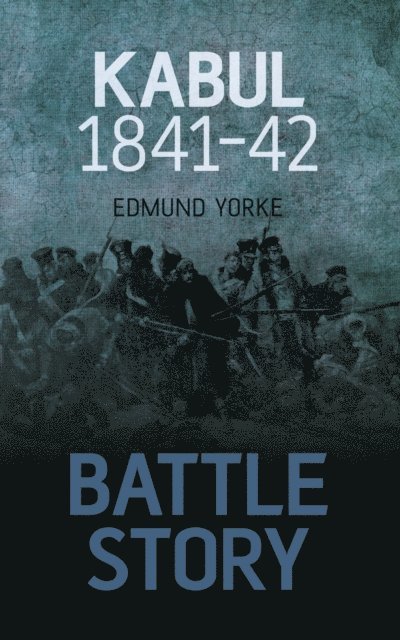
Battle Story: Kabul 1841-42
Av Edmund Yorke
E-bok, 2012
93 kr
Lägg i varukorg
Kabul is a name that has had much resonance in current affairs over the last few years, however its place in military history can be charted much further back to the first British incursions into Afghanistan during the 19th century. The First Anglo-Afghan War saw British India attempting to obtain …
Rorke's Drift 1879
The Small Stand to Victory
Av Edmund Yorke
Häftad, 2026
160 kr
Kommande
On 22 January 1879 a 20,000-strong Zulu army decimated the British camp at Isandlwana. On the back of this victory 3,000–4,000 Zulu warriors swept towards the garrison of Rorke’s Drift, expecting to devastate the c.500-strong British and colonial force there.However, this small, but stalwart group …
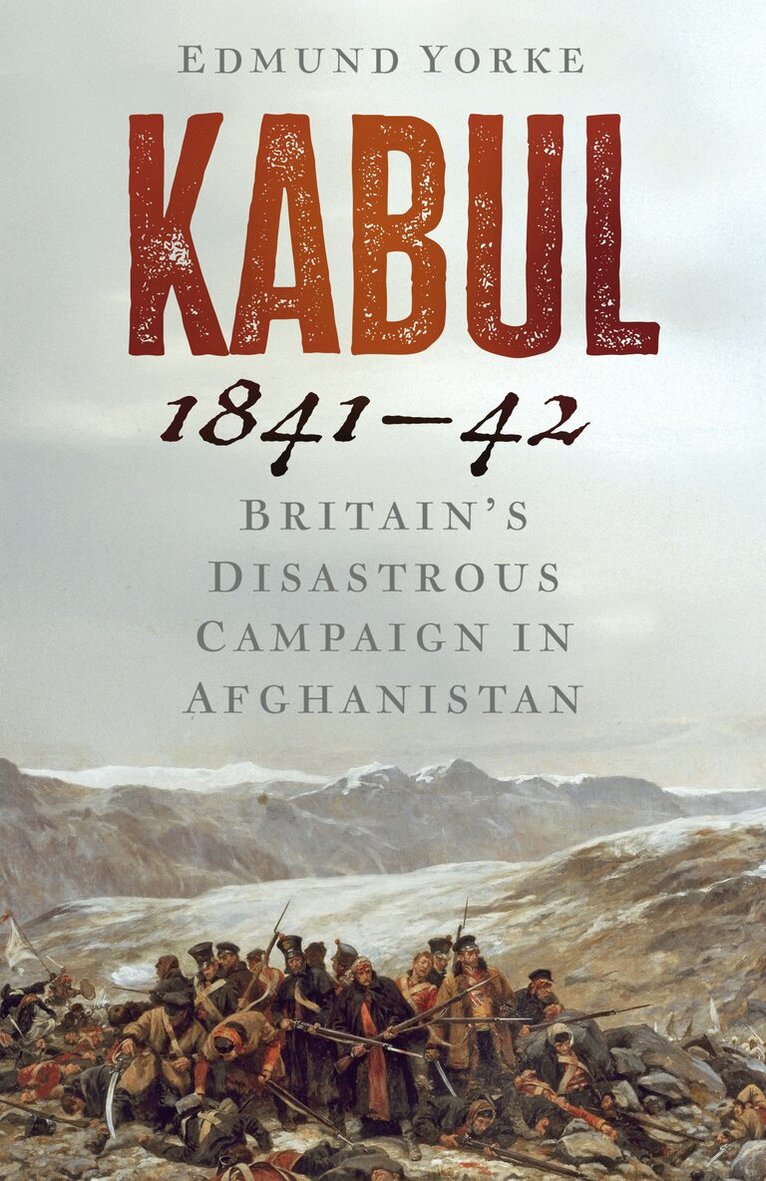
Kabul 1841-42
Britain's Disastrous Campaign in Afghanistan
Av Edmund Yorke
Häftad, 2026
184 kr
Kommande
Kabul is a name that has had much resonance in current affairs over the last few years, however its place in military history can be charted much further back to the first British incursions into Afghanistan during the 19th century. The First Anglo-Afghan War saw British India attempting to obtain …
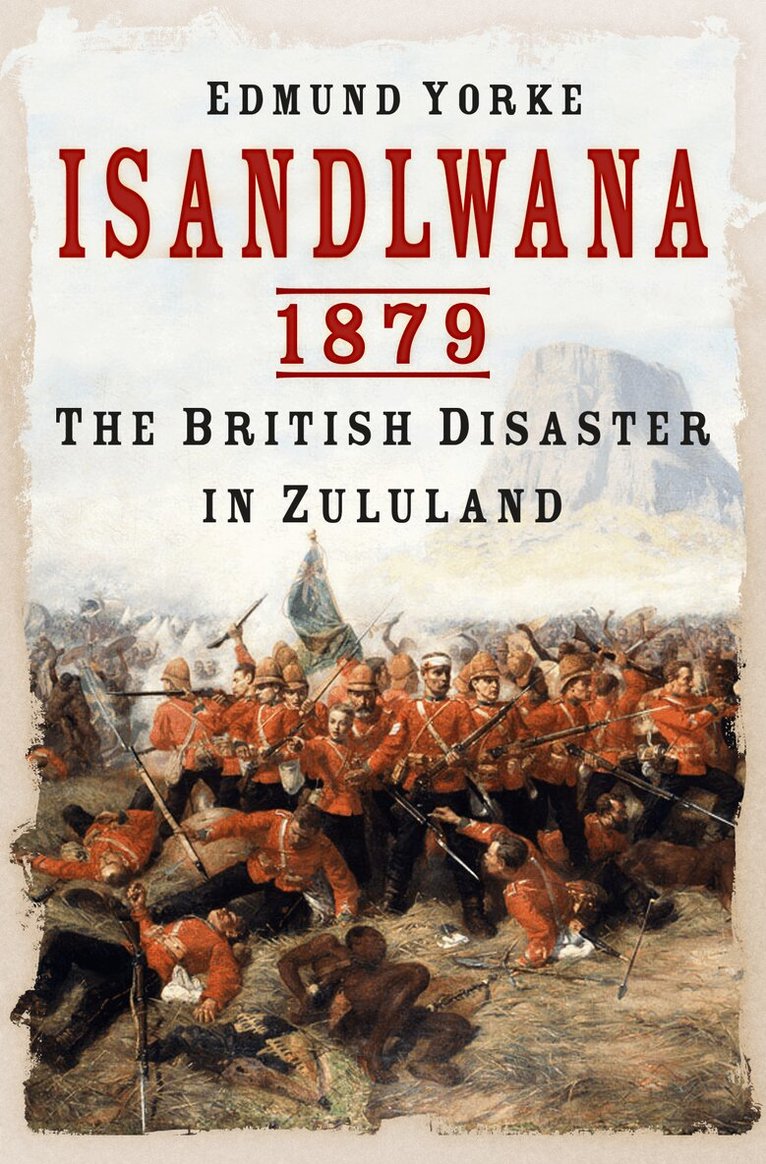
Isandlwana 1879
The British Disaster in Zululand
Av Edmund Yorke
Häftad, 2027
157 kr
Kommande
On 22 January 1879 a 20,000-strong Zulu army attacked 1,700 British and colonial forces. The engagement saw primitive weapons of spears and shields clashing with the latest military technology. However, despite being poorly equipped, the numerically superior Zulu force crushed the British troops, …
Rorke's Drift, 1879
Anatomy of a Great Zulu War Siege
Av Edmund Yorke
Häftad, 2001
185 kr
Tillfälligt slut
Zulu! The Battle for Rorke's Drift 1879
Av Edmund Yorke
Häftad, 2005
160 kr
Tillfälligt slut
Fought on the night of 22/23 January 1879 and immortalised in the film epic Zulu, Rorke's Drift represented one of the most glorious, if subsequently controversial episodes in British military history.For twelve desperate hours, outnumbered by over 25-1, barely 140 British soldiers, based at the …
Battle Story: Isandlwana
Av Edmund Yorke
Inbunden, 2011
121 kr
Tillfälligt slut
On 22 January 1879 a 20,000-strong Zulu army attacked 1,700 British and colonial forces. The engagement saw primitive weapons of spears and shields clashing with the latest military technology. However, despite being poorly equipped, the numerically superior Zulu force crushed the British troops, …
Battle Story: Rorke's Drift 1879
Av Edmund Yorke
Inbunden, 2012
129 kr
Tillfälligt slut
On 22 January 1879 a 20,000-strong Zulu army decimated the British camp at Isandlwana. On the back of this victory 3,000–4,000 Zulu warriors swept towards the garrison of Rorke’s Drift, expecting to devastate the c.500-strong British and colonial force there.However, this small, but stalwart group …