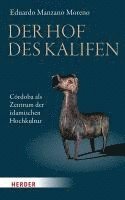
Eduardo Manzano Moreno - Böcker
Visar alla böcker från författaren Eduardo Manzano Moreno. Handla med fri frakt och snabb leverans.
6 produkter
6 produkter
455 kr
Skickas inom 7-10 vardagar
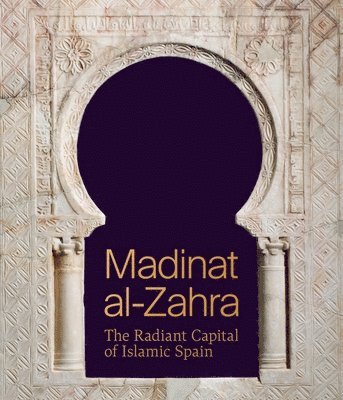
A beautifully illustrated exploration of the famed palace-city that was once the heart of Islamic SpainMadinat al-Zahra, a tenth-century palace-city on the western outskirts of Córdoba, Spain, and a UNESCO World Heritage Site, stands as a testament to the multicultural environment fostered by its founders. Built by ʿAbd al-Rahman III (r. 929–961), a member of the Umayyad dynasty and the first caliph of al-Andalus, the city symbolized the caliph’s aspiration to rule over the Fatimid Caliphs of Ifriqiya in North Africa and the Abbasid Caliphs in Baghdad and was the site of vast cultural and artistic creation.The companion volume to an exhibition at New York University’s Institute for the Study of the Ancient World, this book showcases the complex visual vocabulary of Madinat al-Zahra, which derived from diverse cultural traditions and was translated into new and unique architectural and material cultures. Thematic essays examine the history of the Islamic Caliphate in Muslim Iberia (al-Andalus), the cultural and artistic traditions of the time, and the resulting multicultural society, while shorter, object-focused chapters explore the variety of works found at the ancient site—from jewelry and ceramics to medical texts and epigraphic materials.Contributors include Maribel Fierro Bello, Gerrit Bos, Patrice Cressier, Miquel Forcada, Teresa Garulo, Tawfiq Ibrahim, Fabian Käs, Ana Labarta, Eduardo Manzano Moreno, Antonia Martínez Núñez, Jorge Elices Ocón, Mariam Rosser-Owen, Irene Montilla Torres, Antonio Vallejo Triano, and Mercè Viladrich.Distributed for the Institute for the Study of the Ancient World at New York UniversityExhibition ScheduleInstitute for the Study of the Ancient World, New York UniversityOctober 30, 2024–March 2, 2025
1 285 kr
Skickas
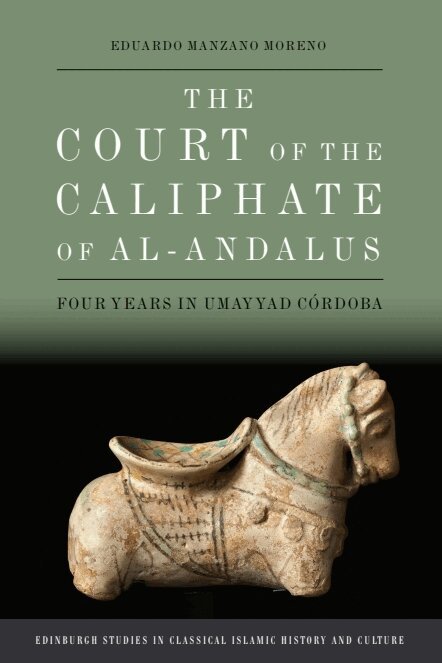
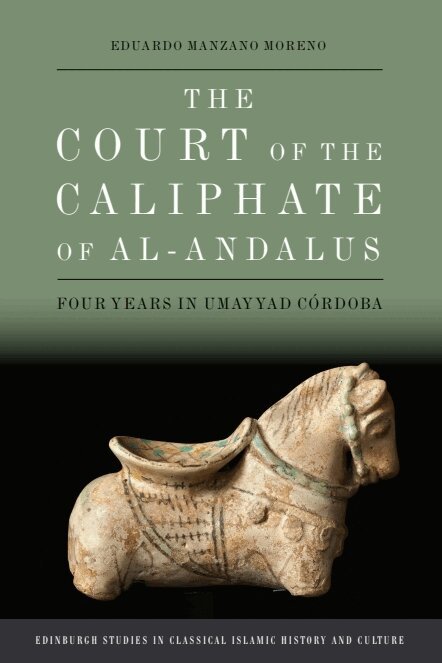
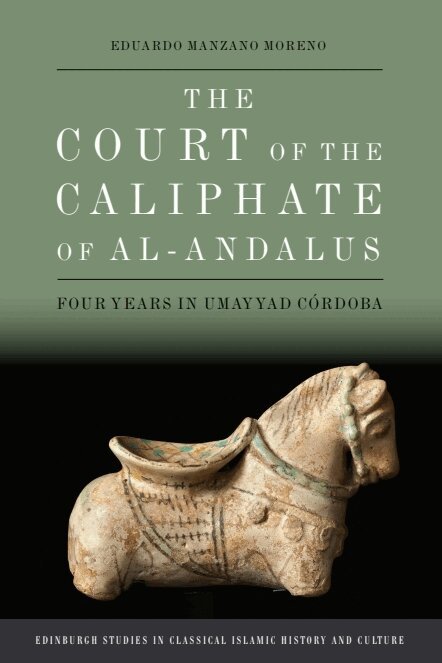
Offers an in-depth study of the Umayyad Caliphate of al-Andalus in its primeProvides a comprehensive study of the caliphate of Cordoba based on the 'annals' by '?s b. A?mad al-R?z? and other Arab sources relating to the periodBrings together textual evidence with the archaeological record to produce a vivid description of the social formation of al-Andalus in this periodAnalyses the structure and operation of a centralised 'state' in the High Middle AgesExamines the legitimisation of power and authority in an Islamicate social formationOffers a rigorous study of the Caliphate of Cordoba, which is usually the subject of idealised views with little historical baseMakes accessible to English-speaking audiences the huge advance of recent historical studies on the Umayyad caliphateDuring the second half of the 10th/4th century, the Umayyad caliphate of al-Andalus became a powerful political formation in Western Europe. Described by the contemporary German nun Hrotsvitha as the 'ornament of the world', Cordoba was the destiny of embassies and traders coming from places as far away as Constantinople, the Ottoman empire and Italy. The zenith of this political supremacy coincided with the rule of al-?akam II (961-976 CE), whose name is associated with the enlargement of the mosque of Cordoba, the magnificent palatine city of Mad?nat al-Zahr?? and the rich caliphal library which housed Arab, Latin and Hebrew manuscripts.This book is based on an extraordinary source that had never been the subject of a comprehensive study: the annals written by an official and chronicler of the caliph's court, '?s b. A?mad al-R?z?, who carefully annotated the big and small events of the court. Used by Ibn ?ayy?n to compose one of the volumes of his celebrated Muqtabis, these 'annals' have come to us in a substantial fragment of more than 135 folia that cover the period from June 971 to July 975 CE. This source provides an eye-witness account of the caliphate, which describes with stunning detail all the events, characters, places and narratives of the Umayyad caliphate, and is a fundamental work in helping us to understand the configuration of the Mediterranean in the 10th century CE.
344 kr
Skickas
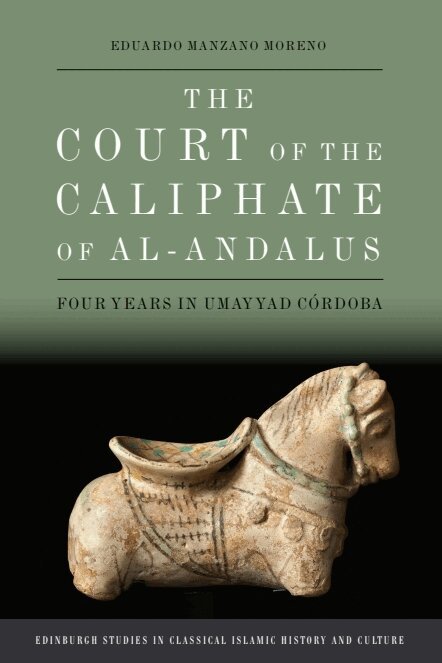
During the second half of the 10th/4th century, the Umayyad caliphate of al-Andalus became a powerful political formation in Western Europe. Described by the contemporary German nun Hrotsvitha as the 'ornament of the world', Cordoba was the destiny of embassies and traders coming from places as far away as Constantinople, the Ottoman empire and Italy. The zenith of this political supremacy coincided with the rule of al-?akam II (961-976 CE), whose name is associated with the enlargement of the mosque of Cordoba, the magnificent palatine city of Mad?nat al-Zahr?? and the rich caliphal library which housed Arab, Latin and Hebrew manuscripts. This book is based on an extraordinary source that had never been the subject of a comprehensive study: the annals written by an official and chronicler of the caliph's court, '?sa b. A?mad al-R?z?, who carefully annotated the big and small events of the court. Used by Ibn ?ayy?n to compose one of the volumes of his celebrated Muqtabis, these 'annals' have come to us in a substantial fragment of more than 135 folia that cover the period from June 971 to July 975 CE. This source provides an eye-witness account of the caliphate, which describes with stunning detail all the events, characters, places and narratives of the Umayyad caliphate, and is a fundamental work in helping us to understand the configuration of the Mediterranean in the 10th century CE.
351 kr
Skickas inom 10-15 vardagar
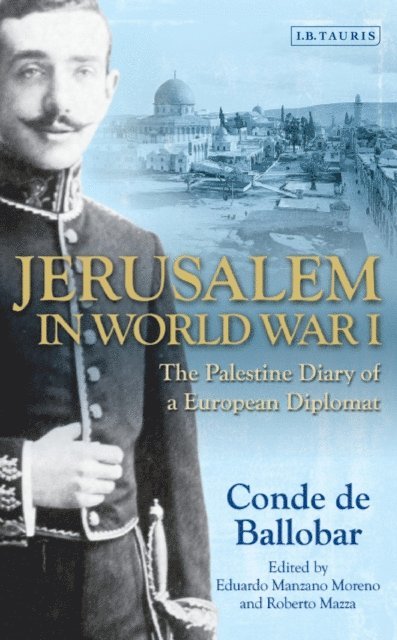
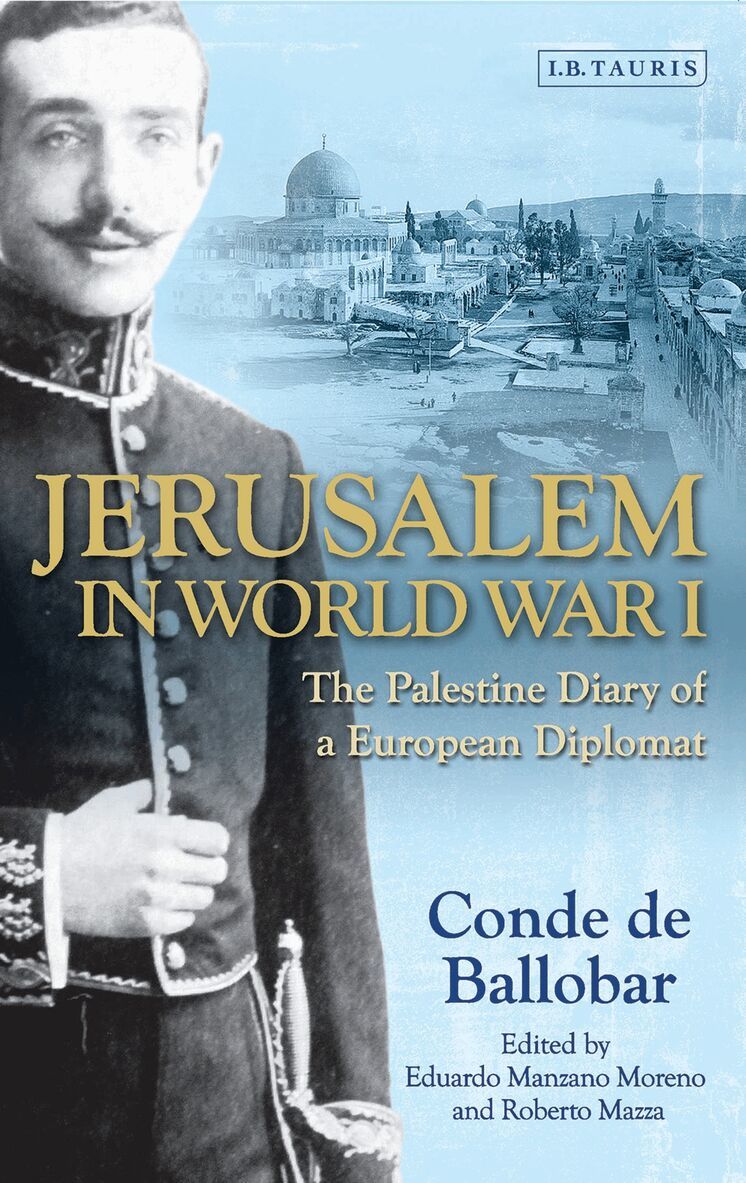
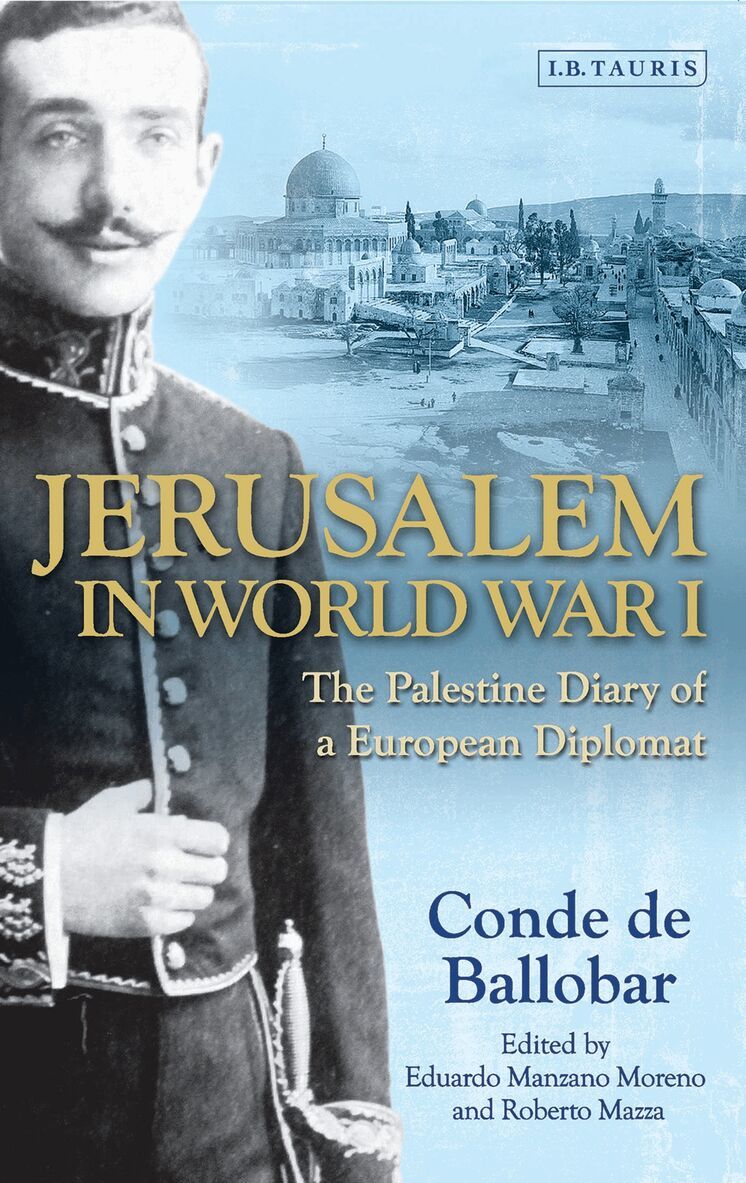
When World War I broke out in Europe in the autumn of 1914, a young diplomat was sent to Jerusalem to take charge of the Spanish consulate in the city. Antonio de la Cierva y Lewita, better known as Conde de Ballobar, recorded the events he witnessed and described his experiences and opinions in a unique document that has become an invaluable resource for historians. Ballobar's diary provides an unparalleled insight into late Ottoman Jerusalem - and the upheavals of wartime life in the city - and includes a detailed account of the battle amongst the local churches over control of the city's holy places. Also touching upon the spread of Zionism and the establishment of British rule, Ballobar writes as a privileged observer of an exceptionally complex historical period. Available in English for the first time, this book will be essential reading for students and scholars of the late-Ottoman Empire and World War I in the Middle East.
1 888 kr
Skickas inom 10-15 vardagar
When World War I broke out in Europe in the autumn of 1914, a young diplomat was sent to Jerusalem to take charge of the Spanish consulate in the city. Antonio de la Cierva y Lewita, better known as Conde de Ballobar, recorded the events he witnessed and described his experiences and opinions in a unique document that has become an invaluable resource for historians. Ballobar's diary provides an unparalleled insight into late Ottoman Jerusalem - and the upheavals of wartime life in the city - and includes a detailed account of the battle amongst the local churches over control of the city's holy places. Also touching upon the spread of Zionism and the establishment of British rule, Ballobar writes as a privileged observer of an exceptionally complex historical period. Available in English for the first time, this book will be essential reading for students and scholars of the late-Ottoman Empire and World War I in the Middle East.
370 kr
Skickas inom 3-6 vardagar