Edward Boyle - Böcker
Visar alla böcker från författaren Edward Boyle. Handla med fri frakt och snabb leverans.
5 produkter
5 produkter
2 088 kr
Skickas inom 10-15 vardagar
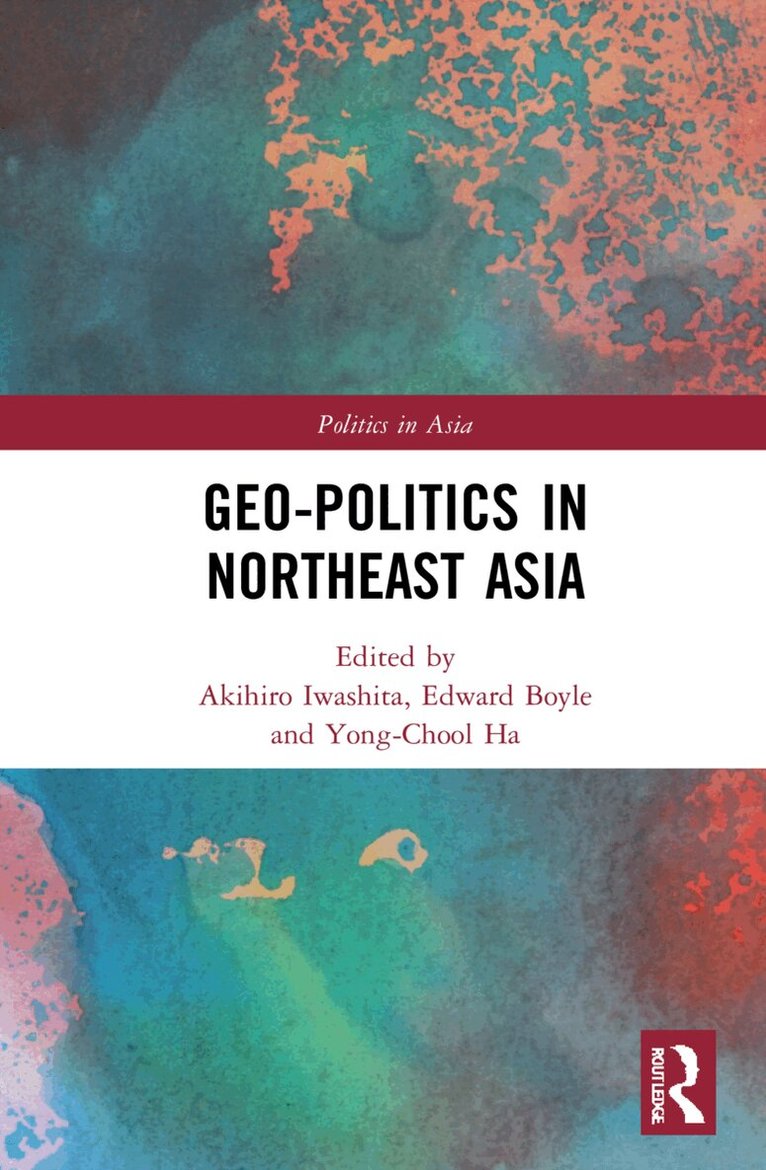
Geo-Politics in Northeast Asia focuses on the dynamics of Northeast Asia as a region. The chapters in this book offer a nuanced approach for understanding the geo-politics of this strategically critical area of the world. Focusing on China, Japan, Russia, and the Koreas, as well as the involvement of the United States, the contributors to the volume offer a timely and critical analysis of Northeast Asia. They collectively emphasize the different scales at which the region holds significance, and particularly note how the region is often granted significance by local political forces as well as national interests. Borderlands and sub-regions are especially important in this perspective, and the contributors show both how regionalism influences the people living in these areas and how they in turn shape the political priorities of states. At the same time, the worsening of relations between Japan and the Koreas and the increasing assertiveness of both China and Russia make it essential to understand the dynamics of the region, as well as how they have changed during and following the Trump era.Geo-Politics in Northeast Asia is essential reading for students and scholars of Political Geography, International Relations and Strategic Studies, as well as for those with a research focus on Northeast Asia, or the wider Asia-Pacific and Indo-Pacific regions.
576 kr
Skickas inom 10-15 vardagar
Geo-Politics in Northeast Asia focuses on the dynamics of Northeast Asia as a region. The chapters in this book offer a nuanced approach for understanding the geo-politics of this strategically critical area of the world. Focusing on China, Japan, Russia, and the Koreas, as well as the involvement of the United States, the contributors to the volume offer a timely and critical analysis of Northeast Asia. They collectively emphasize the different scales at which the region holds significance, and particularly note how the region is often granted significance by local political forces as well as national interests. Borderlands and sub-regions are especially important in this perspective, and the contributors show both how regionalism influences the people living in these areas and how they in turn shape the political priorities of states. At the same time, the worsening of relations between Japan and the Koreas and the increasing assertiveness of both China and Russia make it essential to understand the dynamics of the region, as well as how they have changed during and following the Trump era.Geo-Politics in Northeast Asia is essential reading for students and scholars of Political Geography, International Relations and Strategic Studies, as well as for those with a research focus on Northeast Asia, or the wider Asia-Pacific and Indo-Pacific regions.
1 245 kr
Skickas inom 10-15 vardagar
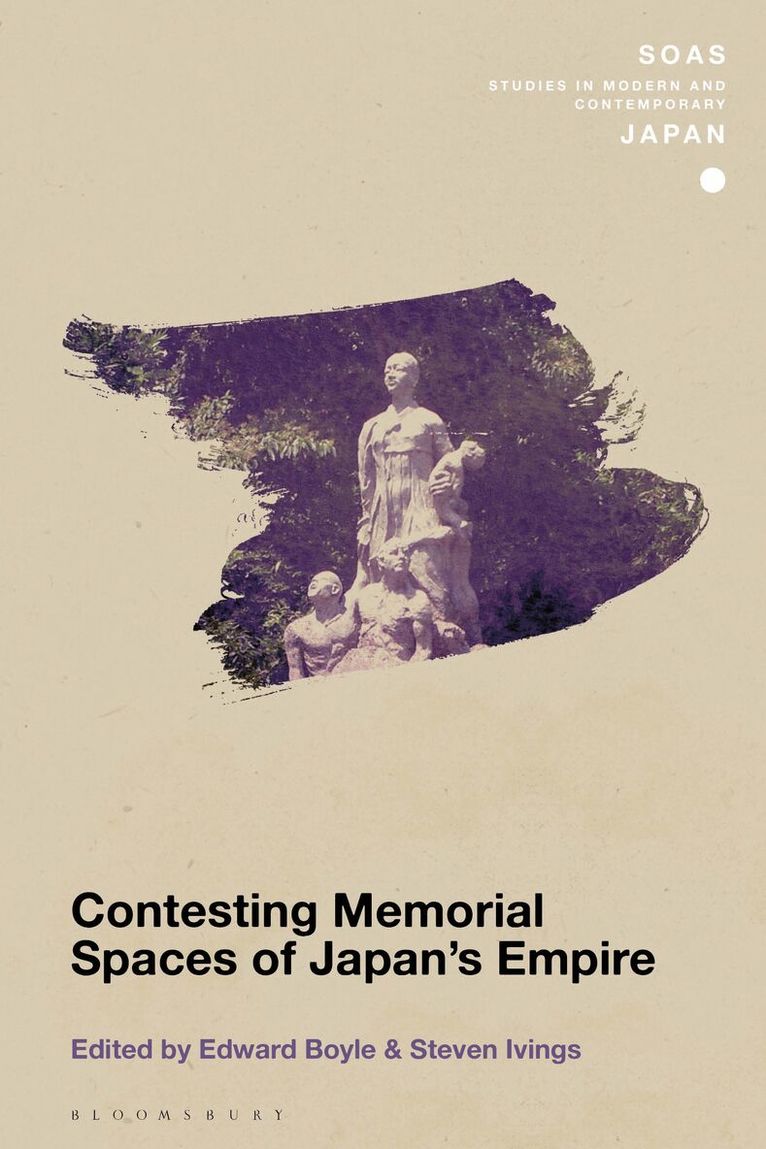
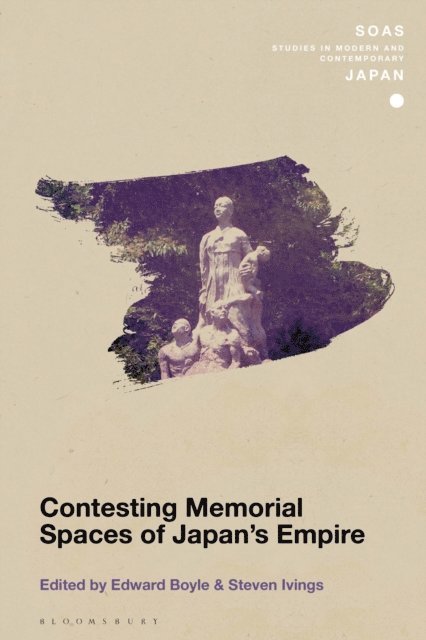
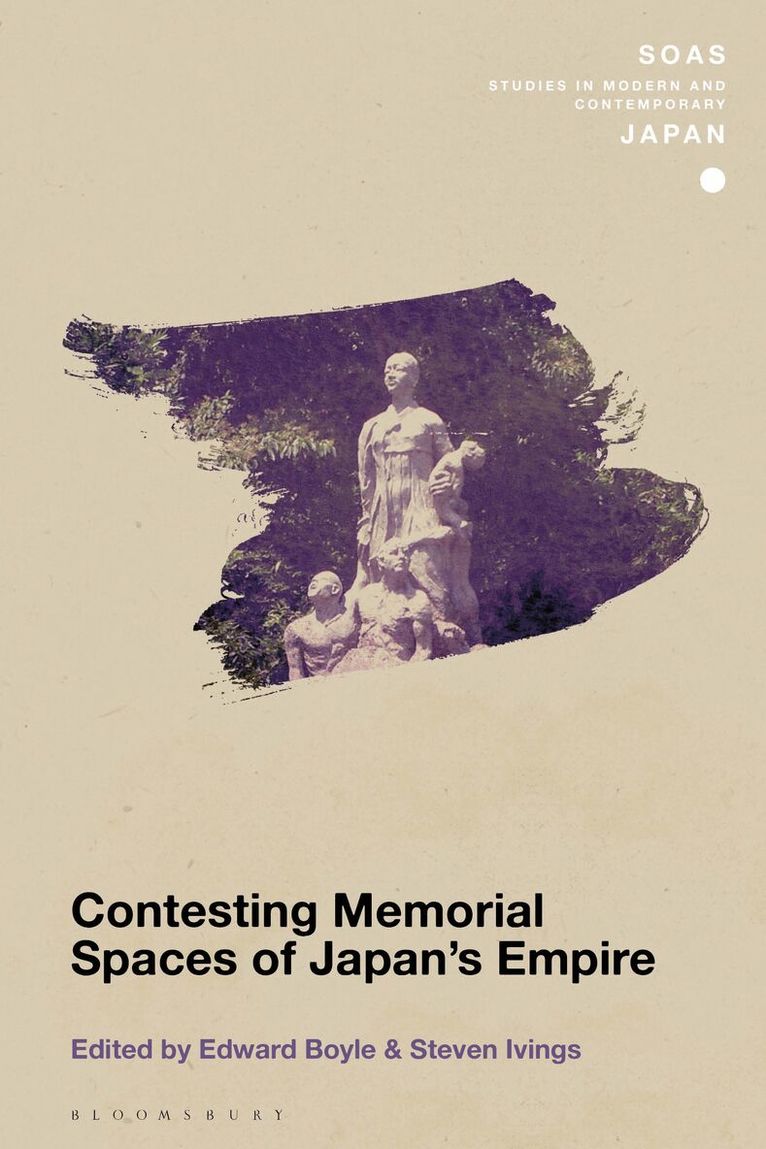
Ongoing arguments over how histories are honoured – as evidenced by the conflict between South Korea and Japan over the opening of Tokyo’s Heritage Information Centre in June 2020 – reveal the extent to which heritage processes enable states to assert legitimacy and power on a global stage. Here, Contesting Memorial Spaces of Japan’s Empire shines a timely spotlight on the complicated histories and disputed legacies of various sites associated with Japan’s empire in Asia and the Pacific.Bringing together a team of international scholars, this transnational study sees contested memorial spaces as windows for us to explore how borders are created, moved and altered in everyday life. From the Asan Bay Overlook Memorial Wall in Guam and the Puppet Emperor Palace in China to Japan’s Ainu Museum and the Cowra War Cemetery in Australia, the diverse range of case studies examined here foreground the complex relationship Japan and its neighbours have with their imperial past and reveal how these relations stand at the intersection of individual actions, societal choices and memory collectives. In doing so, this innovative collection of essays bridges history, geography and heritage studies to provide an invaluable new approach to the study of imperial conflict and memory politics in modern Japan.
499 kr
Kommande
Ongoing arguments over how histories are honoured – as evidenced by the conflict between South Korea and Japan over the opening of Tokyo’s Heritage Information Centre in June 2020 – reveal the extent to which heritage processes enable states to assert legitimacy and power on a global stage. Here, Contesting Memorial Spaces of Japan’s Empire shines a timely spotlight on the complicated histories and disputed legacies of various sites associated with Japan’s empire in Asia and the Pacific.Bringing together a team of international scholars, this transnational study sees contested memorial spaces as windows for us to explore how borders are created, moved and altered in everyday life. From the Asan Bay Overlook Memorial Wall in Guam and the Puppet Emperor Palace in China to Japan’s Ainu Museum and the Cowra War Cemetery in Australia, the diverse range of case studies examined here foreground the complex relationship Japan and its neighbours have with their imperial past and reveal how these relations stand at the intersection of individual actions, societal choices and memory collectives. In doing so, this innovative collection of essays bridges history, geography and heritage studies to provide an invaluable new approach to the study of imperial conflict and memory politics in modern Japan.
Del 16 - East and West
Heritage, Contested Sites, and Borders of Memory in the Asia Pacific
Inbunden, Engelska, 2023
2 657 kr
Skickas inom 5-8 vardagar
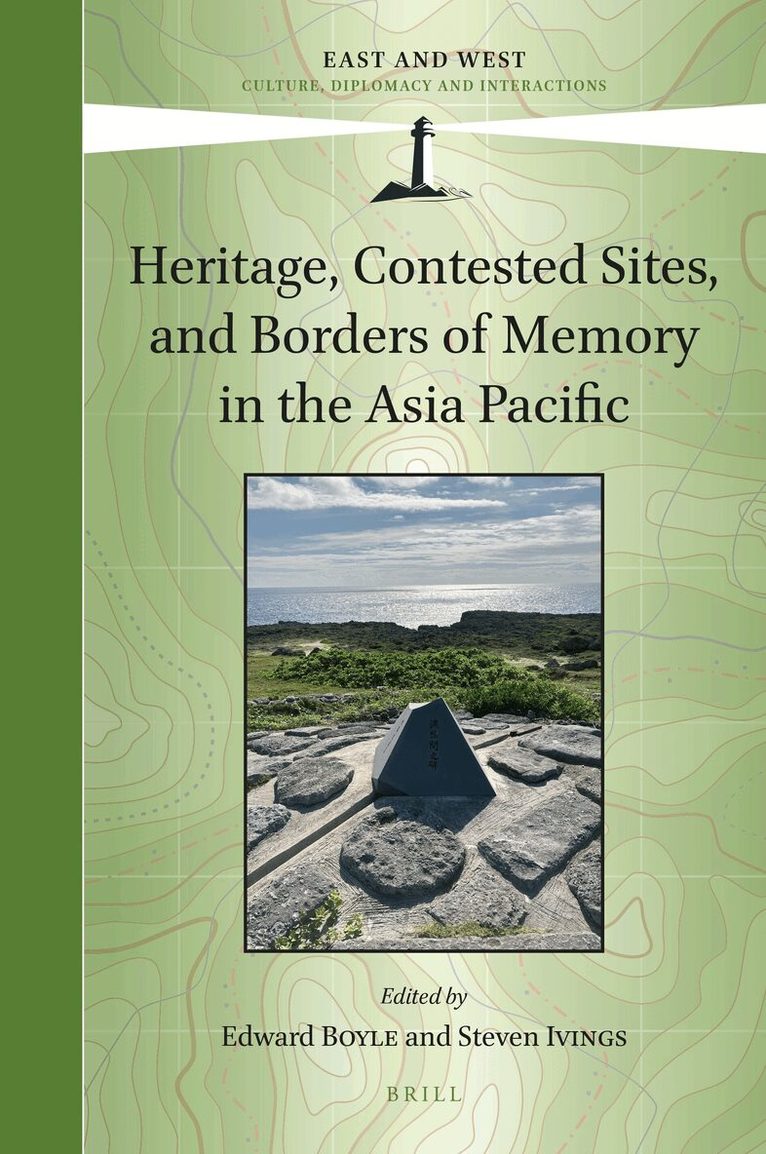
Contests over heritage in Asia are intensifying and reflect the growing prominence of political and social disputes over historical narratives shaping heritage sites and practices, and the meanings attached to them. These contests emphasize that heritage is a means of narrating the past that demarcates, constitutes, produces, and polices political and social borders in the present. In its spaces, varied intersections of actors, networks, and scales of governance interact, negotiate and compete, resulting in heritage sites that are cut through by borders of memory. This volume, edited by Edward Boyle and Steven Ivings, and with contributions from scholars across the humanities, history, social sciences, and Asian studies, interrogates how particular actors and narratives make heritage and how borders of memory shape the sites they produce.