Edward Bujak – författare
Visar alla böcker från författaren Edward Bujak. Handla med fri frakt och snabb leverans.
8 produkter
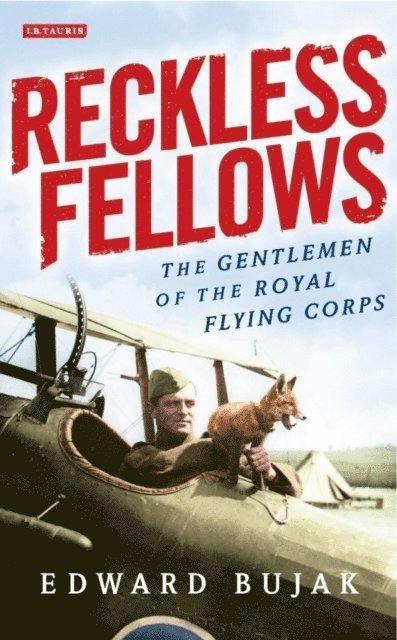
Reckless Fellows
The Gentlemen of the Royal Flying Corps
Av Edward Bujak
E-bok, 2015
723 kr
Lägg i varukorg
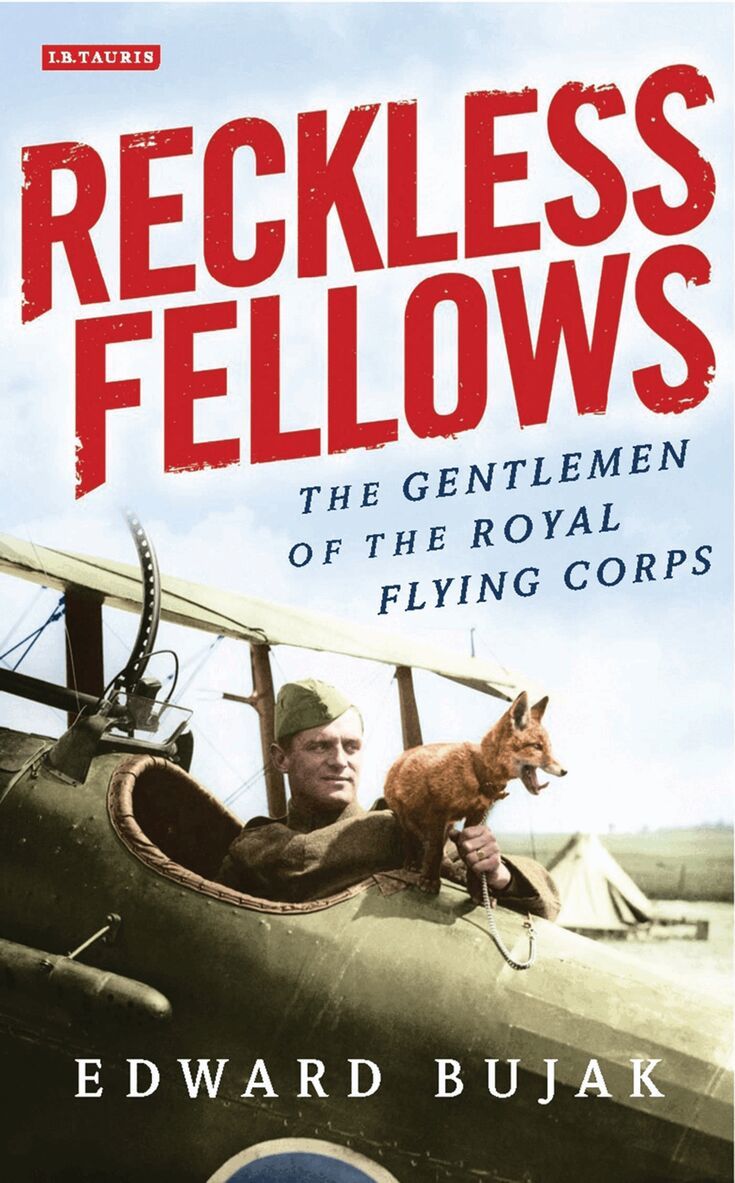
The Royal Flying Corps, later the Royal Air Force, was formed in 1912 and went to war in 1914 where it played a vital role in reconnaissance, supporting the British Expeditionary Force as 'air cavalry' and also in combat, establishing air superiority over the Imperial German Air Force. Edward Bujak …
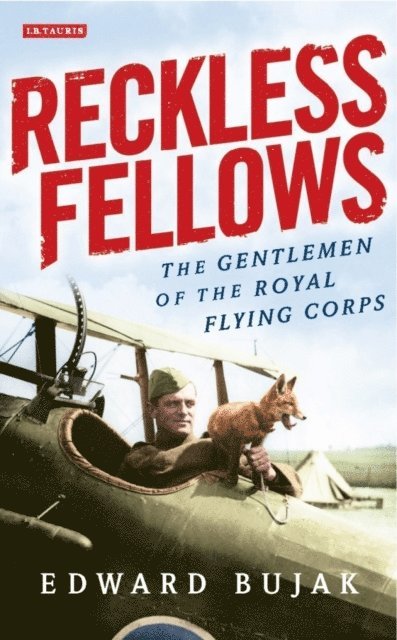
Reckless Fellows
The Gentlemen of the Royal Flying Corps
Av Edward Bujak
E-bok, 2015
723 kr
Lägg i varukorg
The Royal Flying Corps, later the Royal Air Force, was formed in 1912 and went to war in 1914 where it played a vital role in reconnaissance, supporting the British Expeditionary Force as 'air cavalry' and also in combat, establishing air superiority over the Imperial German Air Force. Edward Bujak …
England's Rural Realms
Landholding and the Agricultural Revolution
Av Edward Bujak
Häftad, 2020
501 kr
Lägg i varukorg
The English countryside in the nineteenth century experienced the shifting power struggle from the great landed estates towards democratisation. Challenging received scholarship that the landed estates declined in power and patronage, Bujak places the Victorian globalisation of trade alongside the …
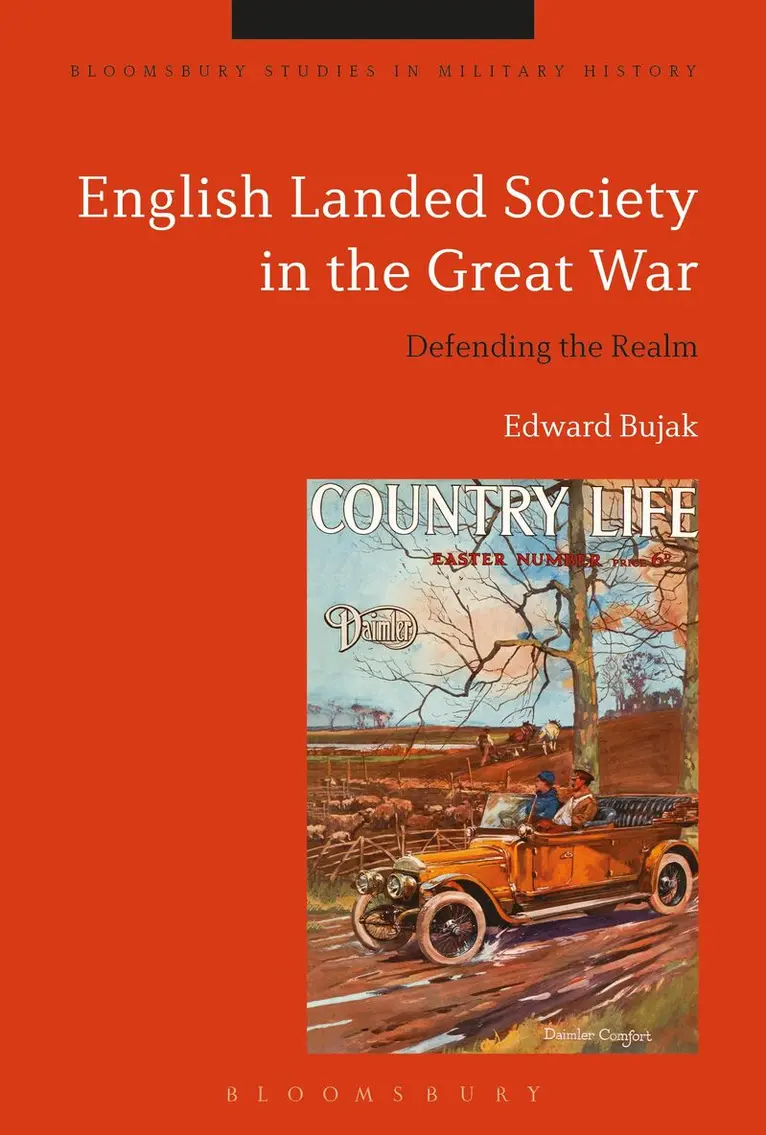
English Landed Society in the Great War
Defending the Realm
Häftad, 2020
501 kr
Lägg i varukorg
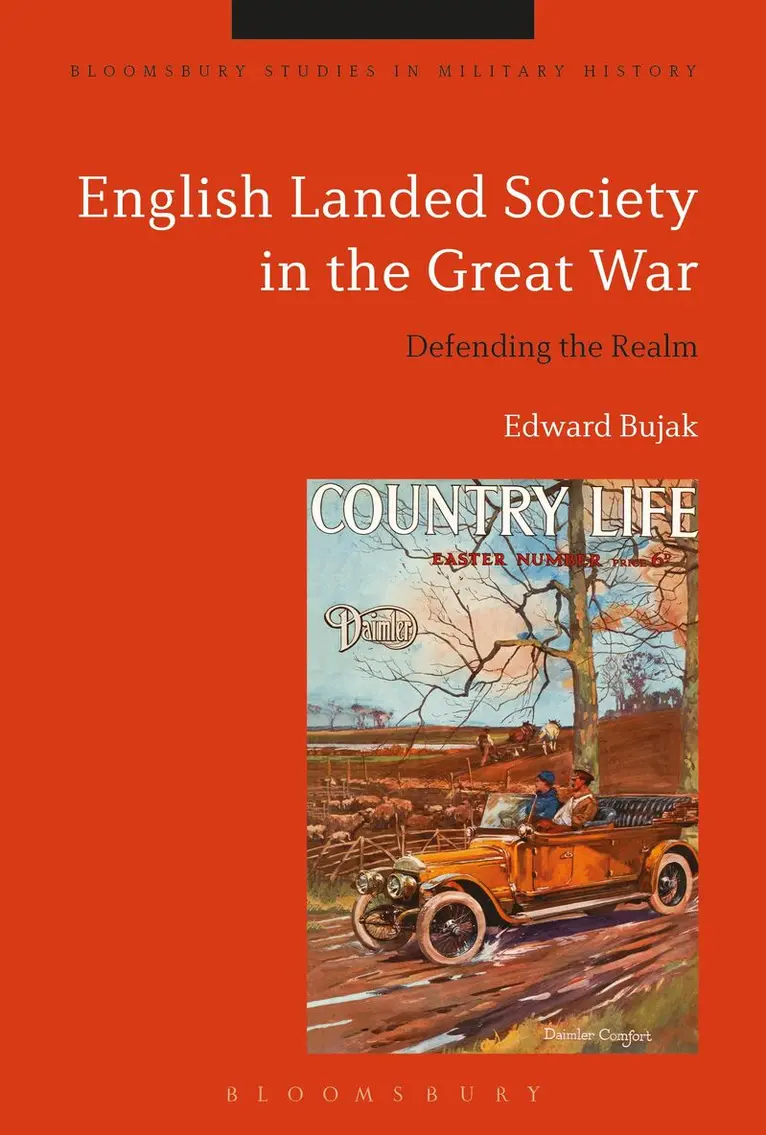
The extent to which the Great War impacted upon English landed society is most vividly recalled in the loss of young heirs to ancient estates. English Landed Society in the Great War considers the impact of the war on these estates.Using the archives of Country Life, Edward Bujak examines the …
English Landed Society in the Great War
Defending the Realm
Inbunden, 2018
1897 kr
Lägg i varukorg
The extent to which the Great War impacted upon English landed society is most vividly recalled in the loss of young heirs to ancient estates. English Landed Society in the Great War considers the impact of the war on these estates.Using the archives of Country Life, Edward Bujak examines the …
English Landed Society in the Great War
Defending the Realm
Av Edward Bujak
E-bok, 2018
534 kr
Lägg i varukorg
The extent to which the Great War impacted upon English landed society is most vividly recalled in the loss of young heirs to ancient estates. English Landed Society in the Great War considers the impact of the war on these estates. Using the archives of Country Life , Edward Bujak examines the …
English Landed Society in the Great War
Defending the Realm
Av Edward Bujak
E-bok, 2018
546 kr
Lägg i varukorg
The extent to which the Great War impacted upon English landed society is most vividly recalled in the loss of young heirs to ancient estates. English Landed Society in the Great War considers the impact of the war on these estates. Using the archives of Country Life , Edward Bujak examines the …
Reckless Fellows
The Gentlemen of the Royal Flying Corps
Av Edward Bujak
Inbunden, 2015
676 kr
Lägg i varukorg
The Royal Flying Corps, later the Royal Air Force, was formed in 1912 and went to war in 1914 where it played a vital role in reconnaissance, supporting the British Expeditionary Force as 'air cavalry' and also in combat, establishing air superiority over the Imperial German Air Force. Edward Bujak …