Edward Caudill - Böcker
Visar alla böcker från författaren Edward Caudill. Handla med fri frakt och snabb leverans.
10 produkter
10 produkter
292 kr
Skickas inom 7-10 vardagar
Tracing the growth of creationism in America as a political movement, this book explains why the particularly American phenomenon of anti-evolution has succeeded as a popular belief. Conceptualizing the history of creationism as a strategic public relations campaign, Edward Caudill examines why this movement has captured the imagination of the American public, from the explosive Scopes trial of 1925 to today's heated battles over public school curricula. Caudill shows how creationists have appealed to cultural values such as individual rights and admiration of the rebel spirit, thus spinning creationism as a viable, even preferable, alternative to evolution. In particular, Caudill argues that the current anti-evolution campaign follows a template created by Clarence Darrow and William Jennings Bryan, the Scopes trial's primary combatants. Their celebrity status and dexterity with the press prefigured the Moral Majority's 1980s media blitz, more recent staunchly creationist politicians such as Sarah Palin and Mike Huckabee, and creationists' savvy use of the Internet and museums to publicize their cause. Drawing from trial transcripts, media sources, films, and archival documents, Intelligently Designed highlights the importance of historical myth in popular culture, religion, and politics and situates this nearly century-old debate in American cultural history.
695 kr
Skickas inom 10-15 vardagar
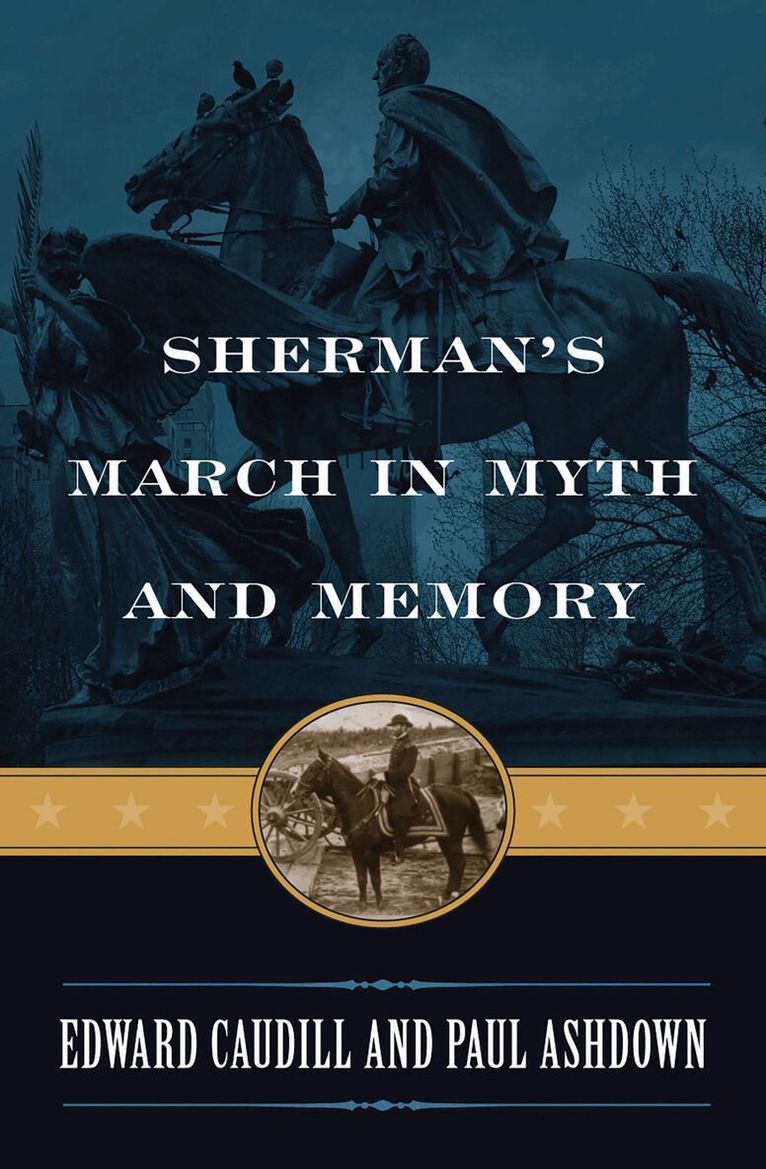
General William Tecumseh Sherman's devastating "March to the Sea" in 1864 burned a swath through the cities and countryside of Georgia and into the history of the American Civil War. As they moved from Atlanta to Savannah—destroying homes, buildings, and crops; killing livestock; and consuming supplies—Sherman and the Union army ignited not only southern property, but also imaginations, in both the North and the South. By the time of the general's death in 1891, when one said "The March," no explanation was required. That remains true today. Legends and myths about Sherman began forming during the March itself, and took more definitive shape in the industrial age in the late-nineteenth century. Sherman's March in Myth and Memory examines the emergence of various myths surrounding one of the most enduring campaigns in the annals of military history. Edward Caudill and Paul Ashdown provide a brief overview of Sherman's life and his March, but their focus is on how these myths came about—such as one description of a "60-mile wide path of destruction"—and how legends about Sherman and his campaign have served a variety of interests. Caudill and Ashdown argue that these myths have been employed by groups as disparate as those endorsing the Old South aristocracy and its "Lost Cause," and by others who saw the March as evidence of the superiority of industrialism in modern America over a retreating agrarianism. Sherman's March in Myth and Memory looks at the general's treatment in the press, among historians, on stage and screen, and in literature, from the time of the March to the present day. The authors show us the many ways in which Sherman has been portrayed in the media and popular culture, and how his devastating March has been stamped into our collective memory.
365 kr
Skickas inom 10-15 vardagar
General William Tecumseh Sherman's devastating "March to the Sea" in 1864 burned a swath through the cities and countryside of Georgia and into the history of the American Civil War. As they moved from Atlanta to Savannah—destroying homes, buildings, and crops; killing livestock; and consuming supplies—Sherman and the Union army ignited not only southern property, but also imaginations, in both the North and the South. By the time of the general's death in 1891, when one said "The March," no explanation was required. That remains true today. Legends and myths about Sherman began forming during the March itself, and took more definitive shape in the industrial age in the late-nineteenth century. Sherman's March in Myth and Memory examines the emergence of various myths surrounding one of the most enduring campaigns in the annals of military history. Edward Caudill and Paul Ashdown provide a brief overview of Sherman's life and his March, but their focus is on how these myths came about—such as one description of a "60-mile wide path of destruction"—and how legends about Sherman and his campaign have served a variety of interests. Caudill and Ashdown argue that these myths have been employed by groups as disparate as those endorsing the Old South aristocracy and its "Lost Cause," and by others who saw the March as evidence of the superiority of industrialism in modern America over a retreating agrarianism. Sherman's March in Myth and Memory looks at the general's treatment in the press, among historians, on stage and screen, and in literature, from the time of the March to the present day. The authors show us the many ways in which Sherman has been portrayed in the media and popular culture, and how his devastating March has been stamped into our collective memory.
387 kr
Skickas inom 10-15 vardagar
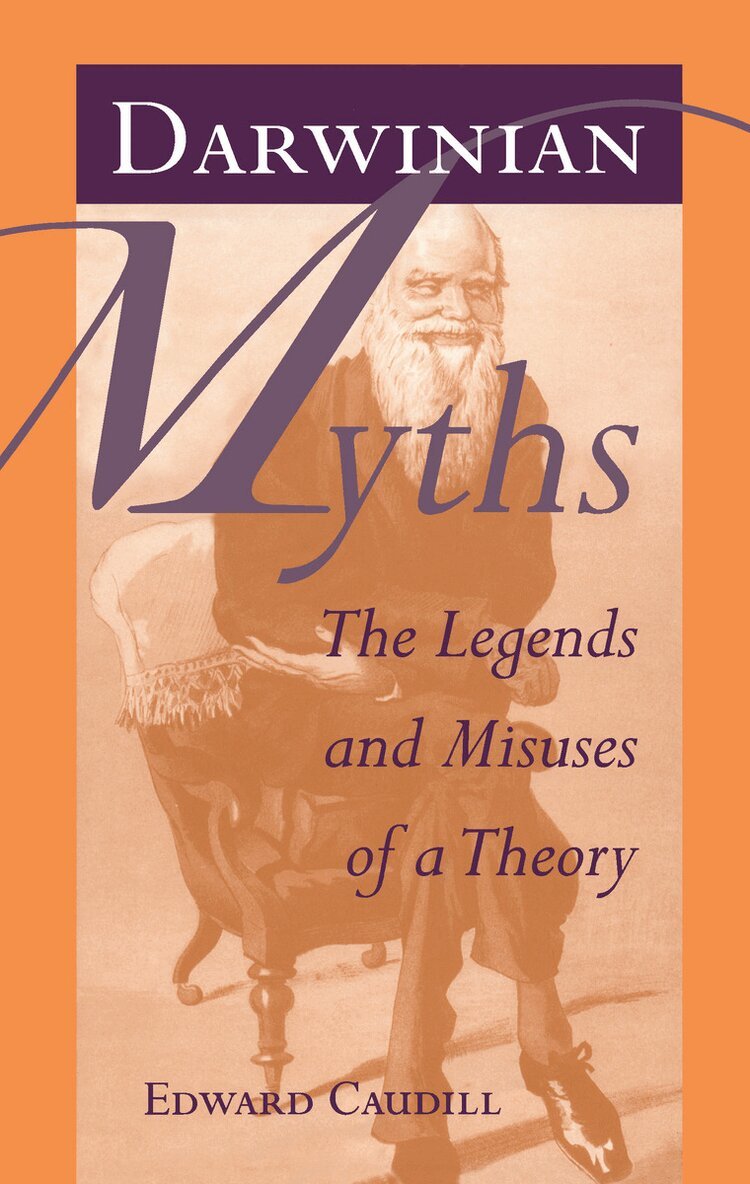
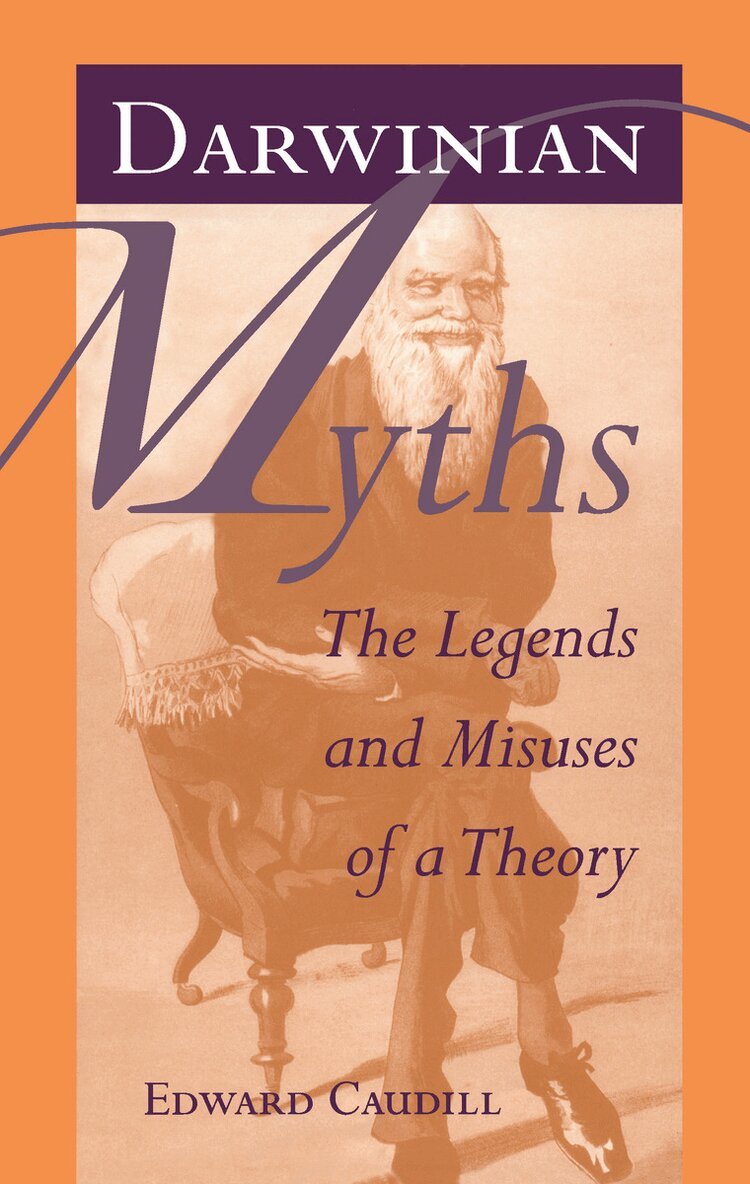
Numerous books and articles have outlined Darwin's impact on American scientists, philosophers, businessmen, and clergy in the 19th and early 20th centuries. Few, however, have undertaken a study of Darwinism in the form in which it was presented to most Americans -- popular newspapers and magazines. The main concern of this book is to identify how the press is treated as a part of our culture - - pointing to its ability to shape and to be shaped by the forces that act on the rest of society and its ability to be critical in the interpretation of ideas for "the masses."
461 kr
Skickas inom 10-15 vardagar
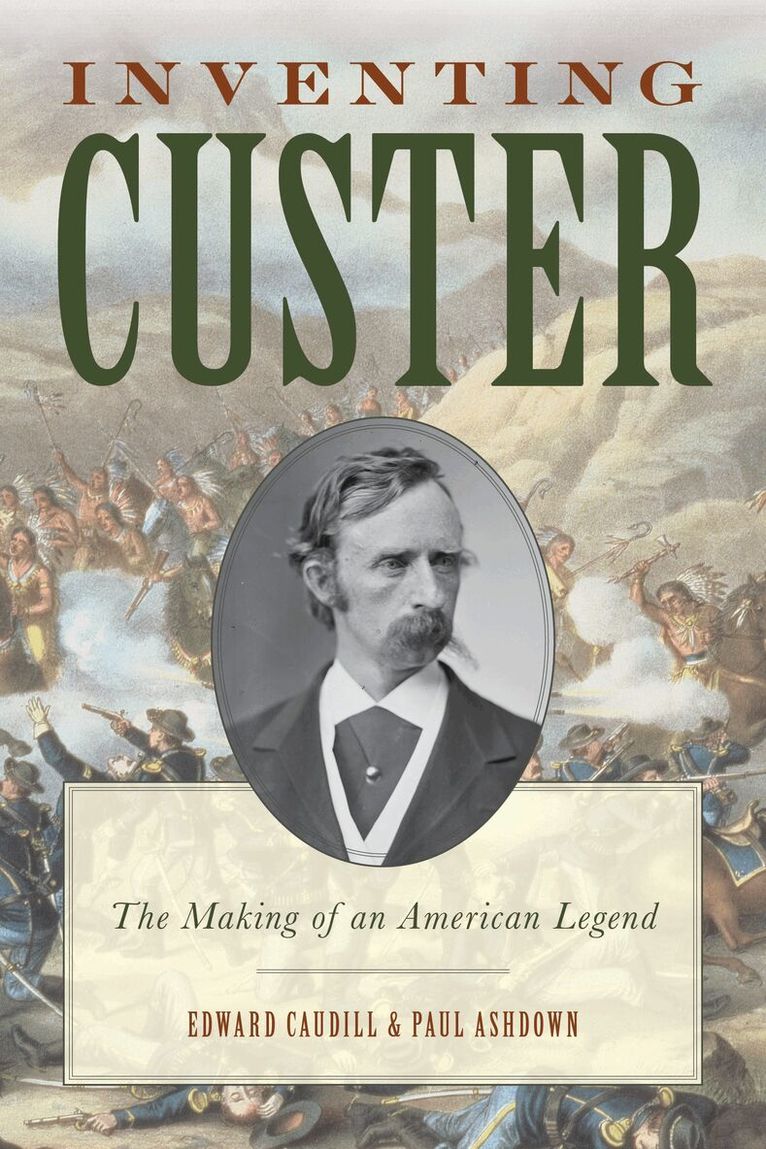
Custer’s Last Stand remains one of the most iconic events in American history and culture. Had Custer prevailed at the Little Bighhorn, the victory would have been noteworthy at the moment, worthy of a few newspaper headlines. In defeat, however tactically inconsequential in the larger conflict, Custer became legend. In Inventing Custer: The Making of an American Legend, Edward Caudill and Paul Ashdown bridge the gap between the Custer who lived and the one we’ve immortalized and mythologized into legend. While too many books about Custer treat the Civil War period only as a prelude to the Little Bighorn, Caudill and Ashdown present him as a product of the Civil War, Reconstruction Era, and the Plains Indian Wars. They explain how Custer became mythic, shaped by the press and changing sentiments toward American Indians, and show the many ways the myth has evolved and will continue to evolve as the United States continues to change.
1 966 kr
Skickas inom 10-15 vardagar
Numerous books and articles have outlined Darwin's impact on American scientists, philosophers, businessmen, and clergy in the 19th and early 20th centuries. Few, however, have undertaken a study of Darwinism in the form in which it was presented to most Americans -- popular newspapers and magazines. The main concern of this book is to identify how the press is treated as a part of our culture - - pointing to its ability to shape and to be shaped by the forces that act on the rest of society and its ability to be critical in the interpretation of ideas for "the masses."
257 kr
Skickas inom 3-6 vardagar
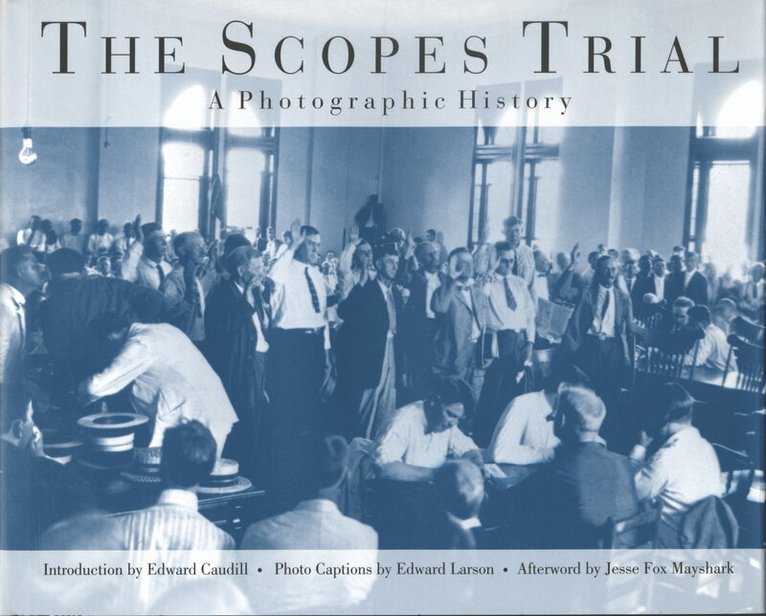
It was a big story in a small place. During the summer of 1925, the tiny hamlet of Dayton, Tennessee, became the setting for one of the most controversial trials in American history. In a move designed partly as a publicity scheme and partly as a means to test a newly enacted anti-evolution law, a young teacher named John Thomas Scopes agreed to be arrested for teaching Darwin’s theory of natural selection in the public schools. The resulting courtroom showdown pitted Clarence Darrow, the brilliant trial lawyer and self-proclaimed agnostic, against Williams Jennings Bryan, three-time presidential candidate and fundamentalist Christian. For twelve days all eyes focused on Dayton as a spirited public debate unfolded.Published on the seventy-fifth anniversary of the Scopes trial, this book vividly recalls that famous episode through an array of fascinating archival photographs, many of them never before published. Images of the circus-like atmosphere that overtook Dayton during the trial alternate with candid photos of the key players. The accompanying text and captions summarize the events and clarify the underlying issues of the trial. While the legal consequences of the trial were minuscule—it ended in Scopes’s conviction, which was later overturned on a technicality—its symbolic importance was enormous, defining the science-religion debate in the twentieth century.In addition to revisiting the Scopes trial, the book also examines its continuing legacy in Tennessee history, politics, religion, and education. Although the 1925 law was finally repealed in 1967, state legislators have made subsequent efforts to challenge the teaching of evolution. “Like life itself,” notes Edward Caudill in his introduction, “the controversy does not simply stop, but keeps evolving.”The Contributors: Edward Caudill is associate dean for graduate studies and research in the College of Communications at the University of Tennessee, Knoxville. He is the author of Darwinian Myths: The Uses and Misuses of a Theory.Edward J. Larson is Richard B. Russell Professor of History and professor of law at the University of Georgia. His book Summer for the Gods: The Scopes Trial and America’s Continuing Debate over Science and Religion won the 1998 Pulitzer Prize for history.Jesse Fox Mayshark is senior editor of Metro Pulse, a weekly newspaper in Knoxville, Tennessee.
207 kr
Skickas inom 10-15 vardagar
288 kr
Skickas inom 5-8 vardagar
404 kr
Skickas inom 5-8 vardagar